

This mapo tofu recipe delivers the classic Sichuan dish with its signature silky tofu, spicy chili oil, and numbing Sichuan peppercorns in just 25 minutes. The sauce clings to every piece of tofu without turning watery, and the ground pork adds savory depth that balances the heat.
The recipe makes 4 servings in 25 minutes and depends on cornstarch slurry added at the end to thicken the sauce without breaking the delicate tofu. Mapo tofu keeps for 3 days in the refrigerator and reheats beautifully on the stovetop, making it a practical weeknight choice that tastes even better the next day.
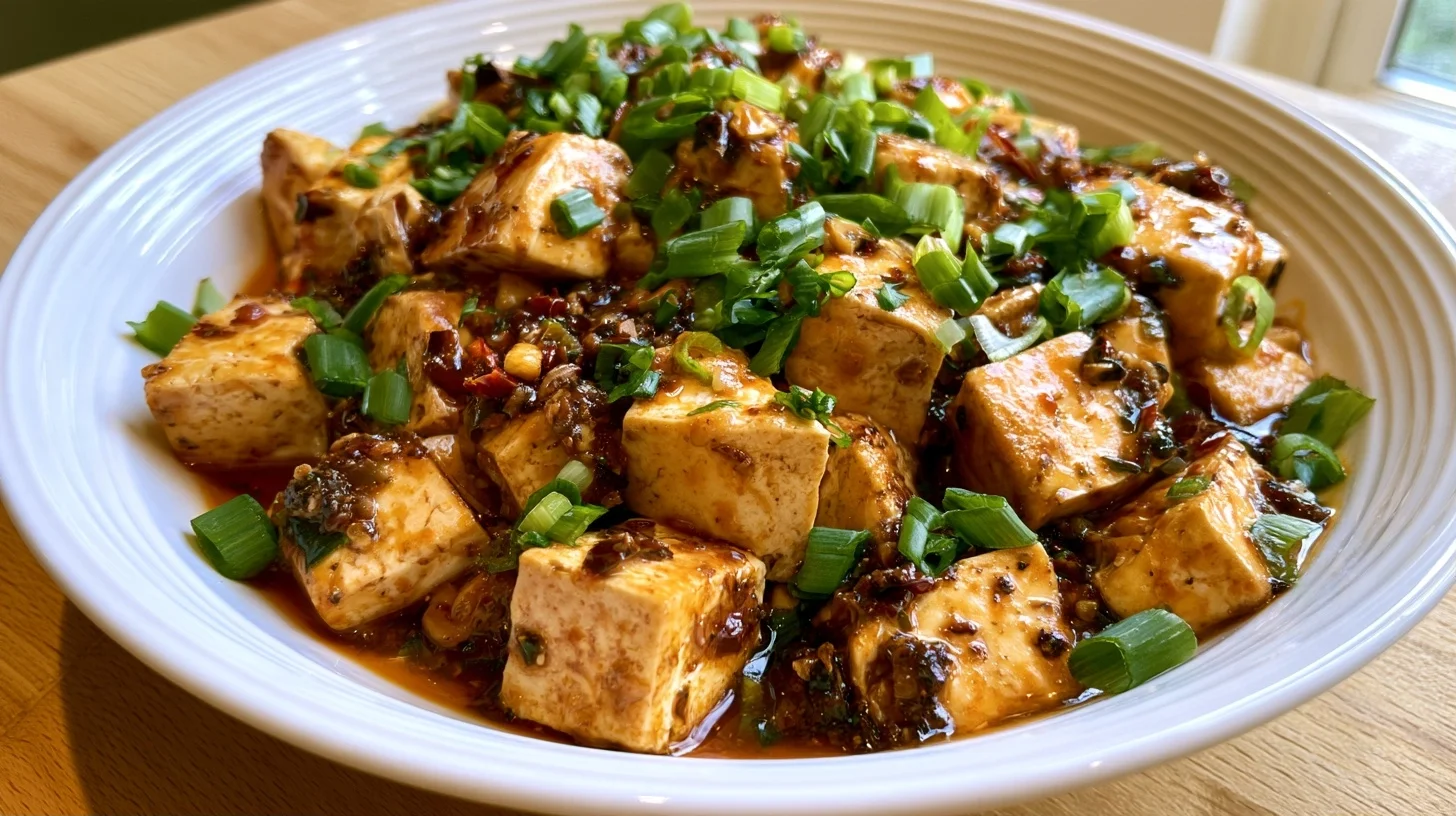
Table of contents
Why This Mapo Tofu Recipe Works
- Soft tofu is blanched for 2 minutes in salted water before stir-frying, which firms the surface just enough to prevent crumbling while keeping the inside creamy.
- Ground pork is browned first without stirring for 3 minutes to develop a crispy crust that adds texture contrast to the silky tofu in this mapo tofu recipe.
- Doubanjiang (fermented broad bean paste) provides the authentic savory funk and deep red color that defines Sichuan mapo tofu.
- Sichuan peppercorns are toasted and ground fresh to release their numbing tingle, which cuts through the richness of the chili oil and pork.
How to Make Mapo Tofu
Mapo Tofu Recipe
4
servings10
minutes15
minutes285
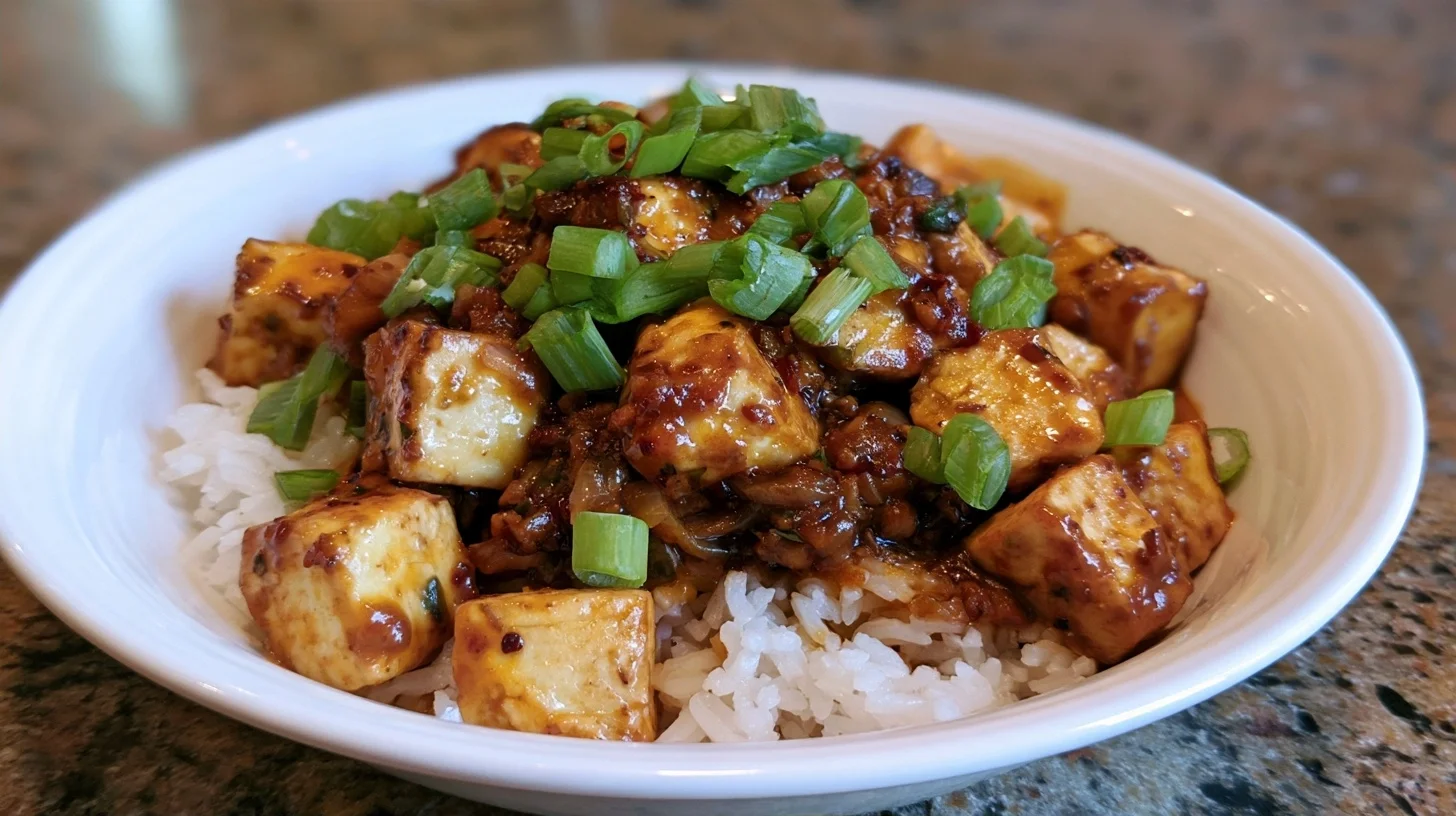
kcalMapo tofu is a classic Sichuan dish with silky soft tofu, spicy chili oil, savory ground pork, and numbing Sichuan peppercorns in a thick glossy sauce. The recipe takes 25 minutes start to finish and makes 4 servings, with blanched tofu and a cornstarch slurry ensuring the cubes stay intact and the sauce clings.
Keep the screen of your device on
Ingredients
14 ounces soft tofu
8 ounces ground pork
2 tablespoons doubanjiang
1 teaspoon Sichuan peppercorns
2 tablespoons chili oil
3 cloves garlic
1 tablespoon fresh ginger
1 cup chicken broth
1 tablespoon soy sauce
1 tablespoon cornstarch
2 stalks green onions
1 teaspoon sesame oil
Directions
- Blanch the tofu by bringing a pot of salted water to a boil, adding the cubed soft tofu, and simmering for 2 minutes. The tofu cubes should float and the edges should look slightly firmer. Drain gently and set aside.
- Toast the Sichuan peppercorns in a dry skillet over medium heat for 2 to 3 minutes, shaking the pan occasionally, until fragrant and lightly darkened. Grind them in a spice grinder or mortar and pestle into a coarse powder.
- Brown the ground pork in a wok or large skillet over high heat with 1 tablespoon of chili oil for 3 minutes without stirring. The bottom should turn golden and crispy before you break it up with a spatula.
- Add the aromatics by pushing the pork to the side of the wok, adding the remaining 1 tablespoon of chili oil, garlic, and ginger to the center, and stir-frying for 30 seconds until fragrant but not browned.
- Stir in the doubanjiang and cook for 1 minute, stirring constantly, until the paste darkens slightly and the oil turns brick red. This releases the fermented flavors and colors the sauce.
- Add the chicken broth and soy sauce, stir to combine, and bring to a simmer over medium-high heat for 2 minutes. The sauce should reduce slightly and smell deeply savory.
Notes
- Blanching soft tofu in salted boiling water for 2 minutes firms the surface just enough to prevent crumbling while keeping the inside silky and custard-like.
- Watery mapo tofu happens when the cornstarch slurry is skipped or added too early, so always mix it with cold water and stir it in during the last minute of cooking.
- Mapo tofu keeps for 3 days in the refrigerator in an airtight container and reheats gently on the stovetop with 2 tablespoons of added broth. Ground beef can replace pork, but reduce doubanjiang to 1.5 tablespoons and add 1 teaspoon rice vinegar to brighten the heavier flavor.
Nutrition Facts
- Serving Size: 1 g
- Total number of serves: 4
- Calories: 285kcal
- Fat: 19g
- Carbohydrates: 12g
- Fiber: 2g
- Protein: 18g
Did you make this recipe?
Tag @therecipemasterblog on Instagram and hashtag it with #therecipemaster
Like this recipe?
Follow @therecipemasterblog on Pinterest
Follow us on Facebook!
Follow The Recipe Master on Facebook
The sections below explain which ingredients affect the heat level and texture of your mapo tofu recipe, how to prevent watery sauce and broken tofu, and how to adjust the spice to your taste.
Key Ingredients for Mapo Tofu
Six ingredients control the flavor, texture, and authenticity of this mapo tofu recipe.
- Soft tofu: creates the signature silky, custard-like texture that soaks up the spicy sauce. Firm tofu can be used for a sturdier bite, but the dish loses its traditional melt-in-your-mouth quality and becomes chewier.
- Doubanjiang: this fermented broad bean and chili paste is the soul of Sichuan cooking, delivering deep umami, moderate heat, and the brick-red color mapo tofu is known for. Regular chili paste or gochujang will add heat but lack the funky, savory complexity and the dish will taste sweeter and less authentic.
- Sichuan peppercorns: produce the numbing, tingling sensation (ma) that balances the spicy heat (la) and makes the dish distinctly Sichuan. Black peppercorns can substitute but only add sharp heat without the floral, citrusy numbing effect.
- Ground pork: adds savory richness and textural contrast when crisped, and its fat helps carry the spices. Ground beef or turkey can replace it, but beef tastes gamier and turkey is leaner, so the sauce will be less rich and you may need an extra tablespoon of oil.
- Cornstarch slurry: thickens the sauce so it clings to the tofu instead of pooling at the bottom of the bowl. Skipping it leaves a thin, watery sauce that slides off the tofu, and using flour instead makes the sauce cloudy and pasty rather than glossy.
- Chili oil: layers on extra heat and gives the dish its glistening red appearance. Neutral oil works but the dish will be milder and less visually striking, so you will need to add more doubanjiang or fresh chilies to match the intended heat level.
Tips for Perfect Mapo Tofu Recipe
Five techniques ensure your mapo tofu recipe turns out with silky tofu, a thick glossy sauce, and balanced heat.
- Blanch the tofu: simmer the cubed soft tofu in salted boiling water for 2 minutes before adding it to the sauce. This step firms the outer layer just enough to prevent the cubes from breaking apart during stir-frying, and the salt seasons the tofu from the inside so every bite has flavor, not just the sauce.
- Brown the pork undisturbed: spread the ground pork in the hot wok and leave it alone for 3 minutes until the bottom turns golden and crispy. Stirring too early steams the meat instead of browning it, and you lose the textural contrast that makes mapo tofu interesting to eat.
- Toast the Sichuan peppercorns: heat them in a dry pan over medium heat for 2 to 3 minutes until fragrant, then grind them fresh. Toasting activates the aromatic oils that create the numbing sensation, and pre-ground peppercorns that have been sitting in the cupboard for months taste dull and woody with no tingle.
- Add the cornstarch slurry last: mix 1 tablespoon cornstarch with 2 tablespoons cold water and stir it into the simmering sauce in the final minute. The sauce should coat the back of a spoon and cling to the tofu without being gloppy, and adding the slurry too early or at a rolling boil can cause it to clump or turn the sauce gummy.
- Fold the tofu gently: use a silicone spatula to slide under the tofu and lift it through the sauce rather than stirring or tossing. Soft tofu breaks easily, and aggressive stirring turns the dish into a scramble instead of distinct glossy cubes suspended in sauce.
What Went Wrong With Your Mapo Tofu
Why Is it Watery?
Watery mapo tofu happens when the cornstarch slurry is skipped, added too early and then diluted by liquid released from the tofu, or mixed with hot water instead of cold, which causes it to clump before it can thicken the sauce. To fix a watery batch right now, mix 1 teaspoon cornstarch with 1 tablespoon cold water and stir it into the simmering sauce, then cook for 1 minute until thickened. Next time, add the slurry in the last minute of cooking after the tofu has released most of its liquid, and always mix cornstarch with cold water to keep it smooth.
Why Did My Tofu Break Apart?
Tofu breaks apart when soft tofu is added directly to the sauce without blanching first, or when the tofu is stirred aggressively instead of folded gently with a wide spatula. Blanching firms the surface just enough to hold the cubes together, and folding instead of stirring keeps the cubes intact. If your tofu has already broken, serve it anyway as the flavor is still correct, and next time blanch the tofu for 2 minutes in salted water before adding it to the wok and use a silicone spatula to lift and fold rather than stir.
Why Is It Too Spicy or Too Mild?
Mapo tofu turns out too spicy when you use the full 2 tablespoons of doubanjiang plus chili oil without tasting firs. Because different brands of doubanjiang vary widely in heat level. It tastes too mild when the Sichuan peppercorns are stale or skipped, because the numbing tingle is what makes the heat feel balanced and complex rather than one-dimensional. To fix a too-spicy batch, stir in 1/4 cup of chicken broth and 1 teaspoon of sugar to dilute and balance the heat. For a mild batch, add 1/2 teaspoon of freshly toasted and ground Sichuan peppercorns and another teaspoon of chili oil. Next time, start with 1 tablespoon of doubanjiang, taste the sauce before adding the tofu, and always toast fresh Sichuan peppercorns for maximum numbing effect.
Ways to Change Mapo Tofu
Vegetarian Mapo Tofu Recipe
Replace the ground pork with 1 cup of finely chopped shiitake mushrooms and use vegetable broth instead of chicken broth. The mushrooms add umami and a meaty texture, though the dish loses some of the richness pork fat provides, so add an extra tablespoon of chili oil to compensate. This variation is common in Buddhist temple cooking and tastes deeply savory without any meat.
Mapo Tofu With Beef
Swap the ground pork for an equal amount of ground beef, preferably 80/20 for enough fat to carry the spices. Beef adds a slightly gamier, more robust flavor and browns more deeply, but it can taste heavier, so reduce the doubanjiang to 1.5 tablespoons and add a teaspoon of rice vinegar at the end to brighten the sauce.
Mild Mapo Tofu
Cut the doubanjiang to 1 tablespoon, use regular vegetable oil instead of chili oil, and reduce the Sichuan peppercorns to 1/2 teaspoon. The dish will still have the fermented bean flavor and a gentle warmth, but without the intense heat or numbing tingle. Add 1 teaspoon of hoisin sauce to replace some of the complexity lost by reducing the doubanjiang.
What to Serve With Mapo Tofu
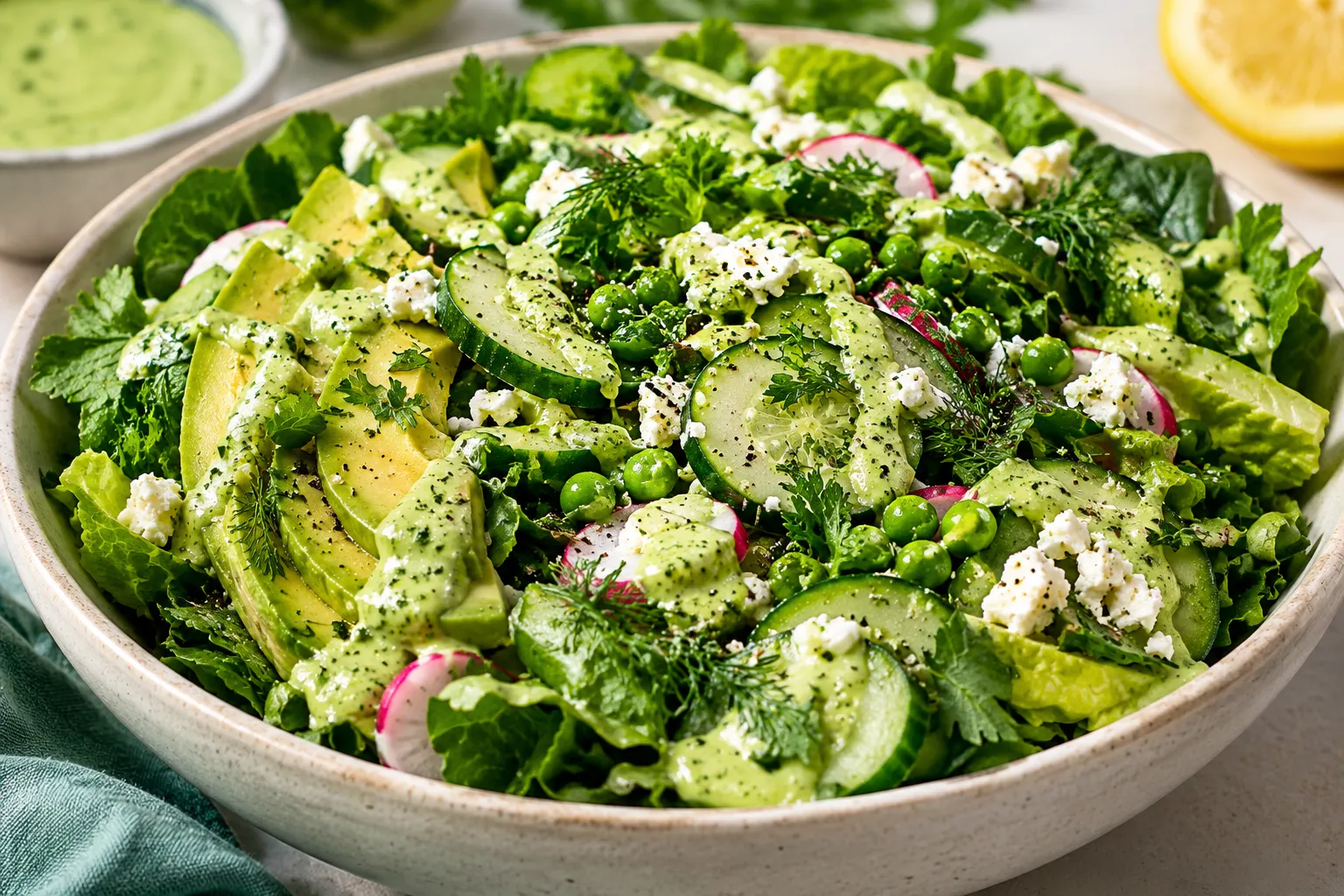
Mapo tofu is traditionally served over steamed white rice, which absorbs the spicy sauce and provides a neutral base that balances the heat. Green goddess salad makes a cool, creamy side that cuts through the richness of the chili oil and pork. For a fuller meal, add stir-fried bok choy or gai lan on the side, or try tauhu goreng as a crispy fried tofu appetizer before serving the mapo tofu as the main dish.
How to Store Mapo Tofu
Mapo tofu keeps for 3 days in the refrigerator in an airtight container, and the flavors deepen as the tofu absorbs more sauce overnight. The dish does not freeze well because soft tofu becomes spongy and grainy when thawed, losing its silky texture entirely. Reheat mapo tofu gently in a covered saucepan over medium-low heat for 5 to 7 minutes, stirring occasionally and adding 2 tablespoons of water or broth if the sauce has thickened too much. Tofu benefits from the health properties outlined in this Cleveland Clinic guide to tofu benefits, which explains how soy protein supports heart health and provides all nine essential amino acids.
FAQs
You can make mapo tofu without Sichuan peppercorns, but the dish will lack the signature numbing tingle that balances the heat and makes it distinctly Sichuan. Black peppercorns add sharp heat but no floral, citrusy numbing effect, so the dish tastes one-dimensionally spicy instead of complex.
Doubanjiang is a fermented broad bean and chili paste from Sichuan that provides deep umami, moderate heat, and the brick-red color mapo tofu is known for. You can buy it at Asian grocery stores or online, and the Pixian brand is considered the gold standard for authentic flavor.
Firm tofu can be used in this mapo tofu recipe, but the dish loses its traditional silky, custard-like texture and becomes chewier and sturdier. Firm tofu holds its shape better and does not need blanching, so you can add it directly to the sauce, but the cubes will not melt in your mouth the way soft tofu does.
To make mapo tofu less spicy, reduce the doubanjiang to 1 tablespoon, use regular vegetable oil instead of chili oil, and cut the Sichuan peppercorns to 1/2 teaspoon. Add 1 teaspoon of hoisin sauce to replace some of the complexity lost by reducing the fermented bean paste, and the dish will still taste savory with only gentle warmth.


Leave a Reply