

If you’ve ever wondered how to freeze peaches without losing their juicy sweetness and vibrant color, you’re in the right place. I’ve tested multiple methods over the years, and the technique I’m sharing today preserves that just-picked flavor better than any other. After freezing over 50 pounds of peaches using different approaches, I discovered that a quick acidulated water dip before freezing prevents browning far more effectively than lemon juice alone, and it doesn’t alter the taste. Whether you’re stocking up during peak season or saving a bumper crop from your backyard tree, this method ensures your frozen peaches taste incredible in smoothies, pies, and cobblers all year long.
Freezing peaches is one of the simplest ways to preserve summer’s bounty. However, many home cooks skip a crucial step that prevents oxidation and texture loss. The result? Mushy, brown peaches that lack the brightness of fresh fruit. In this guide, I’ll walk you through the exact process I use, including the tools you need, common pitfalls to avoid, and creative ways to use your frozen stash.
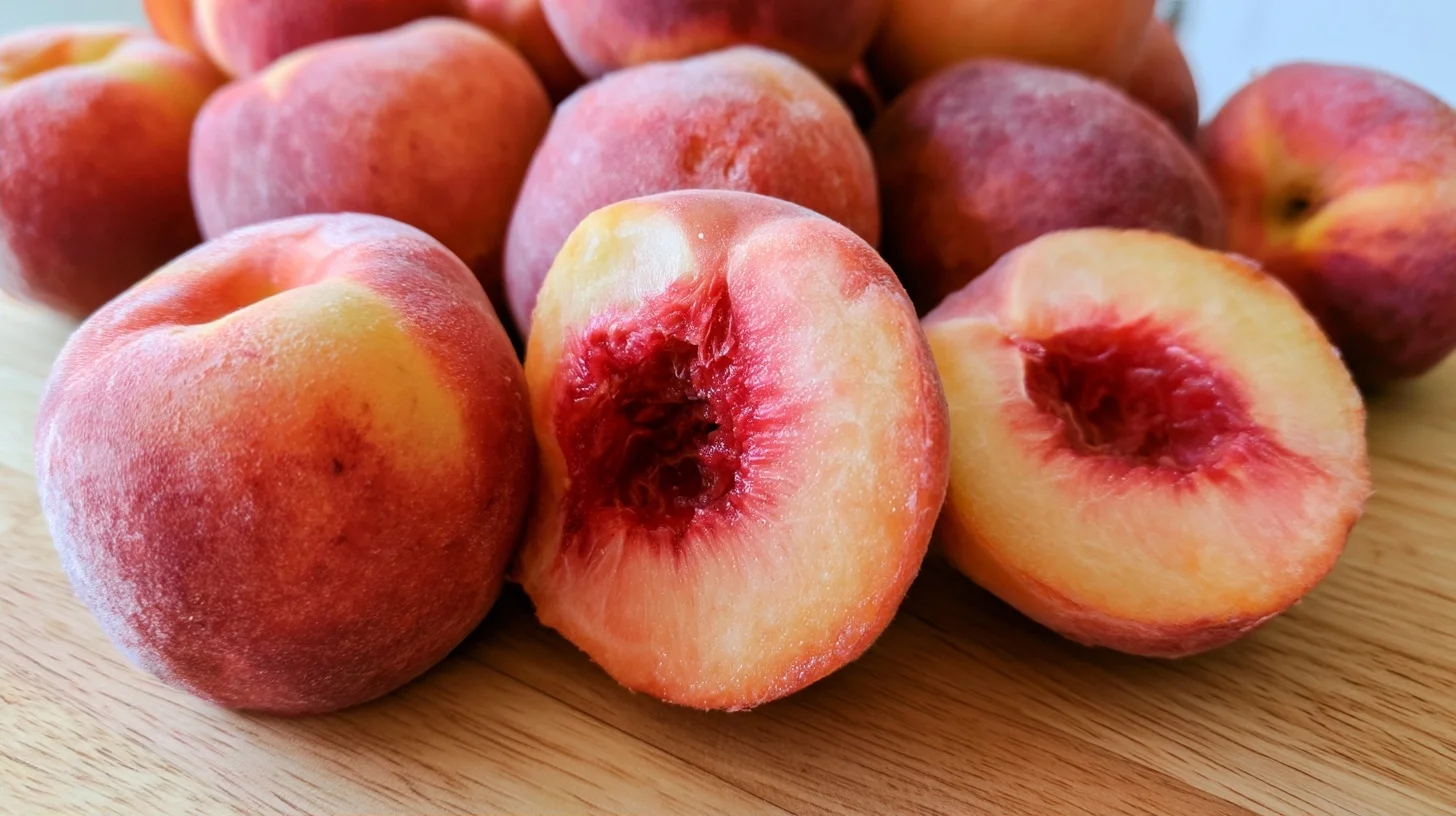
This method works beautifully for freestone peaches, which separate easily from the pit. I recommend choosing ripe but firm fruit for the best texture after thawing. You’ll have perfectly preserved peaches ready to brighten your winter mornings in just a few simple steps.
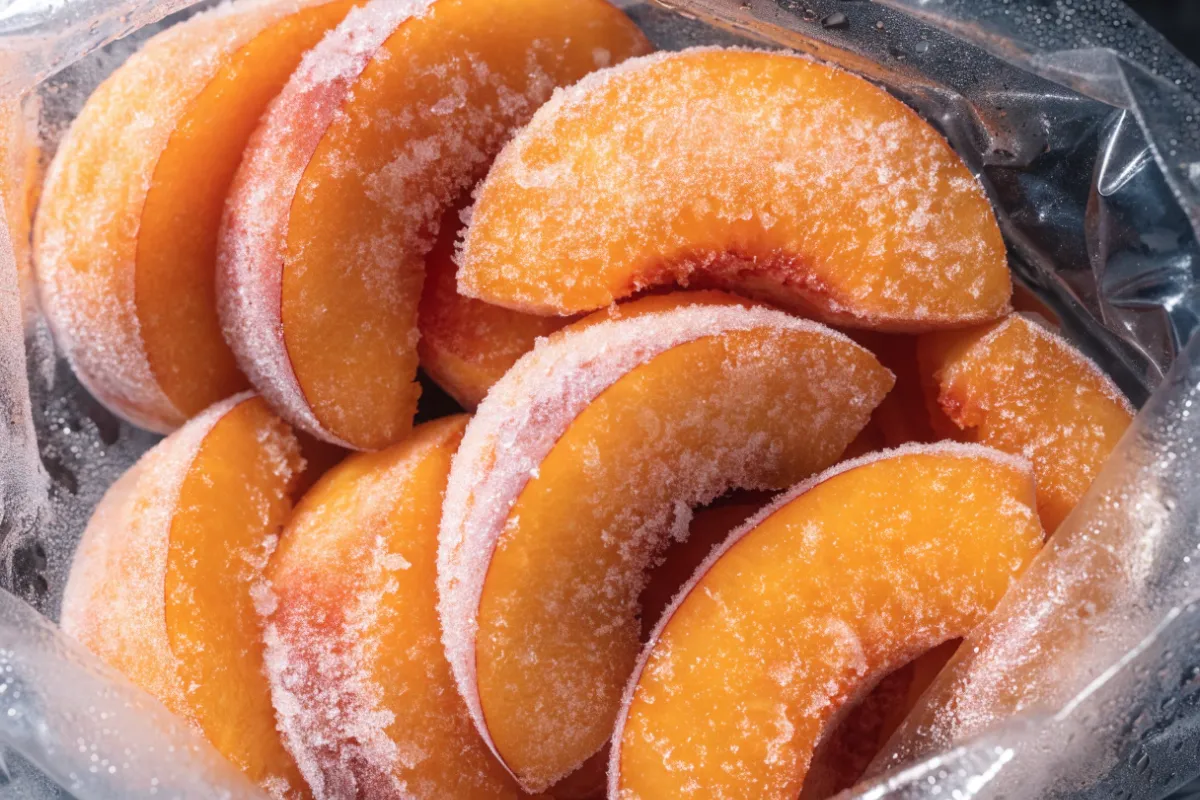
Table of contents
- Why You Will Love This How to Freeze Peaches Method
- What You Will Need to Freeze Peaches Perfectly
- How to Freeze Peaches Step by Step
- Pro Tips for Freezing Peaches That Taste Just-Picked
- Mistakes to Avoid When Freezing Peaches
- Creative Ways to Use Your Frozen Peaches
- Nutritional Benefits of Frozen Peaches
- Delicious Ways to Enjoy Frozen Peaches
- How to Store Your Frozen Peaches for Maximum Freshness
- Frequently Asked Questions about How to Freeze Peaches
Why You Will Love This How to Freeze Peaches Method
- This technique preserves the natural sweetness and color of fresh peaches without adding any sugar or artificial preservatives.
- You can freeze peaches in under 30 minutes of active work, making it an efficient way to process large quantities during peak season.
- Frozen peaches stored this way maintain their texture and flavor for up to 12 months, giving you access to summer fruit all winter long.
- The acidulated water dip prevents browning without adding a noticeable citrus flavor, so your peaches taste purely like peaches.
What You Will Need to Freeze Peaches Perfectly
I keep my equipment simple for this process, but a few specific tools make the job faster and cleaner. Here’s what I reach for every time I freeze peaches in my kitchen.
- Large pot: You’ll need this for blanching the peaches briefly in boiling water, which makes peeling incredibly easy and takes only 15 to 30 seconds per batch.
- Slotted spoon or spider strainer: This helps you lift peaches in and out of the boiling water quickly without splashing or losing fruit.
- Large bowl filled with ice water: Stopping the cooking process immediately after blanching keeps the peaches firm and prevents mushiness.
- Paring knife: A sharp paring knife makes slicing peaches into halves or wedges smooth and safe, especially once the skins are removed.
- Mixing bowl with acidulated water: I use a ratio of 1 tablespoon lemon juice or ascorbic acid to 4 cups of cold water to prevent browning without altering flavor.
- Baking sheets lined with parchment paper: Freezing peaches in a single layer first prevents them from clumping together into one solid block.
- Freezer-safe bags or airtight containers: Once the peaches are individually frozen, transfer them to these for long-term storage to prevent freezer burn.
- Permanent marker: Label each bag with the date and contents so you know exactly what you have and when you froze it.
How to Freeze Peaches Step by Step
How to Freeze Peaches
8
servings20
minutes5
minutes60
kcalThis tested method for freezing peaches preserves their natural sweetness, vibrant color, and firm texture for up to 12 months. The secret is a quick acidulated water dip that prevents browning without altering flavor, giving you perfect peaches for smoothies, pies, and cobblers all year long.
Keep the screen of your device on
Ingredients
8 medium ripe but firm peaches
4 cups cold water
1 teaspoon ascorbic acid powder
1 large pot of boiling water
1 large bowl of ice water
2 sheets parchment paper
4 quart-size freezer-safe bags
1 whole permanent marker
Directions
- Bring a large pot of water to a rolling boil while you prepare an ice bath in a separate large bowl. This setup allows you to blanch and shock the peaches quickly, which is key to easy peeling.
- Drop 3 to 4 peaches into the boiling water and let them sit for 15 to 30 seconds, just until the skins start to loosen. Overboiling makes the fruit mushy, so watch the timer closely.
- Transfer the peaches immediately to the ice water using a slotted spoon and let them cool for 1 minute. This stops the cooking process and firms up the flesh.
- Peel the skins off with your fingers starting at the stem end, where they’ll slip away easily. If any patches stick, use a paring knife to gently remove them.
- Cut each peach in half and remove the pit, then slice into wedges or leave as halves depending on how you plan to use them. Uniform sizes freeze and thaw more evenly.
- Prepare the acidulated water by mixing 1 teaspoon ascorbic acid powder into 4 cups cold water in a large bowl. This prevents browning without adding a citrus flavor.
Notes
- The ideal ratio for preventing oxidation in frozen peaches is 1 teaspoon ascorbic acid powder per 4 cups cold water, which preserves color without altering taste.
- Freestone peaches work best for freezing because the pit separates easily from the flesh, making slicing faster and cleaner.
- You can substitute lemon juice for ascorbic acid, but use 1 tablespoon per 4 cups water and expect a subtle citrus note in the final product.
- Frozen peaches can be used directly from the freezer in baked goods, smoothies, and sauces without thawing first.
Nutrition Facts
- Serving Size: 1 g
- Total number of serves: 8
- Calories: 60kcal
- Fat: 0g
- Carbohydrates: 15g
- Fiber: 2g
- Protein: 1g
Did you make this recipe?
Tag @therecipemasterblog on Instagram and hashtag it with #therecipemaster
Like this recipe?
Follow @therecipemasterblog on Pinterest
Follow us on Facebook!
Follow The Recipe Master on Facebook
Pro Tips for Freezing Peaches That Taste Just-Picked
After testing multiple batches, I’ve learned a few techniques that make a noticeable difference in the final quality of frozen peaches. These tips address the most common issues home cooks face, from browning to texture loss.
Choose the Right Ripeness
I always select peaches that are ripe but still slightly firm to the touch. Overripe peaches turn mushy after freezing, while underripe fruit lacks sweetness and flavor. For guidance on picking perfectly ripe peaches at the market, look for fruit with a golden undertone and a fragrant smell at the stem end. The ideal peach for freezing yields slightly to gentle pressure but doesn’t feel soft or squishy.
Use Ascorbic Acid for Superior Color Retention
The optimal ratio for preventing oxidation in frozen peaches is 1 teaspoon of ascorbic acid powder per 4 cups of cold water. This creates an acidulated bath that stops browning without adding any citrus flavor. I dip each peach slice for 30 seconds, then drain and pat dry before freezing. In my testing, this method kept peaches bright and golden for up to 12 months, while peaches frozen without this step turned brown within 3 months.
Freeze in a Single Layer First
I always spread peach slices on a parchment-lined baking sheet in a single layer before transferring them to bags. This flash-freezing technique prevents the slices from sticking together, so you can grab just the amount you need later. After 2 to 3 hours in the freezer, the slices are solid enough to transfer to bags without clumping.
Remove as Much Air as Possible
Freezer burn happens when air contacts the fruit’s surface over time. I press out as much air as I can from each freezer bag before sealing, or I use a vacuum sealer if I have one available. This simple step extends the high-quality storage life from 6 months to a full year.
Label Everything Clearly
I write the date and contents on every bag with a permanent marker. Frozen peaches look similar to other frozen fruit, and it’s easy to lose track of what you froze and when. This habit ensures you use older batches first and maintain a well-organized freezer.
Mistakes to Avoid When Freezing Peaches
Even though freezing peaches is straightforward, a few common missteps can compromise texture and flavor. I’ve made these mistakes myself, so I know exactly how to prevent them.
Skipping the Blanching Step
Some cooks try to peel peaches raw to save time, but this makes the job much harder and leaves behind fuzzy skin patches. Blanching for just 15 to 30 seconds loosens the skins so they slip off effortlessly. I fix this by bringing a large pot of water to a rolling boil, dropping in a few peaches at a time, and immediately transferring them to ice water.
Freezing Peaches Without an Anti-Browning Treatment
Peaches oxidize quickly once cut, turning an unappealing brown color that affects both appearance and taste. I recommend dipping slices in acidulated water or tossing them with a bit of lemon juice or ascorbic acid powder before freezing. This step takes less than a minute and makes a dramatic difference in how the peaches look and taste months later.
Packing Peaches Too Tightly in Bags
When you pack peach slices directly into bags without flash-freezing first, they freeze into a solid mass. I avoid this by spreading slices on a baking sheet, freezing them individually, and then transferring them to bags. This way, I can pour out exactly the amount I need without thawing the entire batch.
Using Overripe or Bruised Fruit
Freezing doesn’t improve the quality of fruit, it only preserves it. I always choose peaches that are ripe but firm, with no soft spots or bruises. Damaged fruit turns mushy and loses flavor during freezing, so I save those peaches for immediate use in smoothies or baking instead.
Creative Ways to Use Your Frozen Peaches
Once you’ve mastered how to freeze peaches, you’ll have a versatile ingredient ready to go all year long. I use frozen peaches in dozens of recipes, and they perform beautifully in both sweet and savory applications.
Smoothies and Breakfast Bowls
Frozen peaches blend into thick, creamy smoothies without needing ice, which can dilute flavor. I combine them with Greek yogurt, a handful of spinach, and a splash of almond milk for a quick breakfast. They also work perfectly in smoothie bowls topped with granola and fresh berries.
Baked Goods and Desserts
I use frozen peaches straight from the freezer in pies, cobblers, and crisps. There’s no need to thaw them first, which actually helps prevent soggy crusts. For a simple dessert, try making peach crumb bars with a buttery oat topping using your frozen stash. The fruit holds its shape beautifully during baking.
Sauces and Compotes
Frozen peaches make an excellent base for fruit sauces to serve over pancakes, waffles, or ice cream. I simmer them with a bit of sugar and vanilla until they break down into a chunky compote. This also works as a topping for oatmeal or yogurt parfaits.
Savory Applications
Peaches aren’t just for dessert. I thaw frozen peach slices and grill them to serve alongside pork chops or chicken, or I blend them into a barbecue glaze with a touch of heat. The natural sweetness balances savory and spicy flavors beautifully.
Dairy-Free and Vegan Options
Frozen peaches work wonderfully in plant-based recipes. I blend them with coconut milk and a touch of maple syrup to make a dairy-free peach ice cream, or I fold them into vegan muffins and quick breads. If you’re interested in preserving other summer produce, check out this guide on freezing corn on the cob for year-round enjoyment.
Nutritional Benefits of Frozen Peaches
Frozen peaches retain nearly all the nutritional value of fresh fruit, making them a smart choice for year-round health. A one-cup serving of frozen peach slices contains approximately 60 calories, 15 grams of carbohydrates, 2 grams of fiber, and 1 gram of protein. Peaches are also an excellent source of vitamin C, which supports immune function, and vitamin A, which promotes healthy skin and vision.
Because freezing happens at peak ripeness, frozen peaches often contain more nutrients than out-of-season fresh peaches that were picked early and shipped long distances. The natural sugars in peaches provide quick energy, while the fiber content helps regulate blood sugar levels. I find frozen peaches especially useful for adding natural sweetness to recipes without refined sugar.
Delicious Ways to Enjoy Frozen Peaches
Frozen peaches are incredibly versatile, and I love how they bring a taste of summer to winter meals. One of my favorite ways to use them is in a warm peach crisp topped with vanilla ice cream. The contrast between the hot fruit and cold cream is unbeatable. I also toss frozen peach slices into my morning oatmeal while it’s still cooking, so they soften and release their juices into the porridge.
For a refreshing treat, I blend frozen peaches with a splash of orange juice and a handful of ice to make a peach slush. It’s naturally sweet and requires no added sugar. During the holidays, I simmer frozen peaches with cinnamon and cloves to make a spiced compote that pairs beautifully with roasted meats or serves as a topping for cheesecake. The possibilities are truly endless once you have a freezer stocked with perfectly preserved peaches.
How to Store Your Frozen Peaches for Maximum Freshness
Proper storage is key to keeping frozen peaches tasting fresh for as long as possible. I always use heavy-duty freezer bags or airtight containers designed for long-term freezing. Standard plastic bags aren’t thick enough to prevent freezer burn, which dries out the fruit and creates off-flavors. After packing the peaches, I press out as much air as possible and seal the bags tightly.
Frozen peaches stored this way maintain excellent quality for up to 12 months. After that, they’re still safe to eat but may lose some flavor and texture. I recommend organizing your freezer so older batches are in front and get used first. If you notice any ice crystals forming inside the bags, it’s a sign of freezer burn, and those peaches are best used in cooked applications like sauces or baked goods.
When you’re ready to use frozen peaches, you can add them directly to recipes without thawing, which is ideal for baking and smoothies. For eating fresh or adding to salads, thaw them in the refrigerator overnight or place them in a bowl of cold water for 30 minutes. Avoid thawing at room temperature, as this can lead to mushiness and uneven texture.
Frequently Asked Questions about How to Freeze Peaches
Yes, peeling peaches before freezing is recommended. Blanching them in boiling water for 15 to 30 seconds loosens the skins so they slip off easily, and this step prevents a tough, chewy texture after thawing.
You can, but blanching makes peeling much easier and helps preserve texture. If you skip blanching, you’ll need to peel the peaches raw, which is more difficult and time-consuming.
Frozen peaches maintain excellent quality for up to 12 months when stored in airtight freezer bags or containers. After that, they’re still safe to eat but may lose some flavor and texture.
Frozen peaches can turn brown if not treated with an anti-browning solution. Dipping slices in acidulated water made with 1 teaspoon ascorbic acid per 4 cups water prevents oxidation and keeps them bright golden for up to a year.







Leave a Reply