

There’s something magical about biting into a warm, flaky beef empanadas with its golden crust giving way to a savory, perfectly spiced filling. These handheld pastries have been a staple in my kitchen for years, and after testing over 20 variations, I’ve discovered the secret that makes them truly restaurant-quality: a double-folding technique for the dough and a quick sear on the beef before mixing it with the filling. This creates layers in the pastry and locks in incredible flavor that standard recipes miss.
Whether you’re hosting a game day party, looking for a make-ahead appetizer, or simply craving comfort food with Latin flair, these beef empanadas deliver every time. They’re surprisingly approachable for home cooks, and the filling can be prepared a day ahead. The result is a crispy, golden exterior with a juicy, aromatic beef center that disappears from the plate in minutes.
I love serving these at gatherings because they’re interactive, portable, and always spark conversation. Plus, they freeze beautifully, which means you can have a batch ready whenever the craving strikes. Let me walk you through the technique that transforms simple ingredients into something truly special.
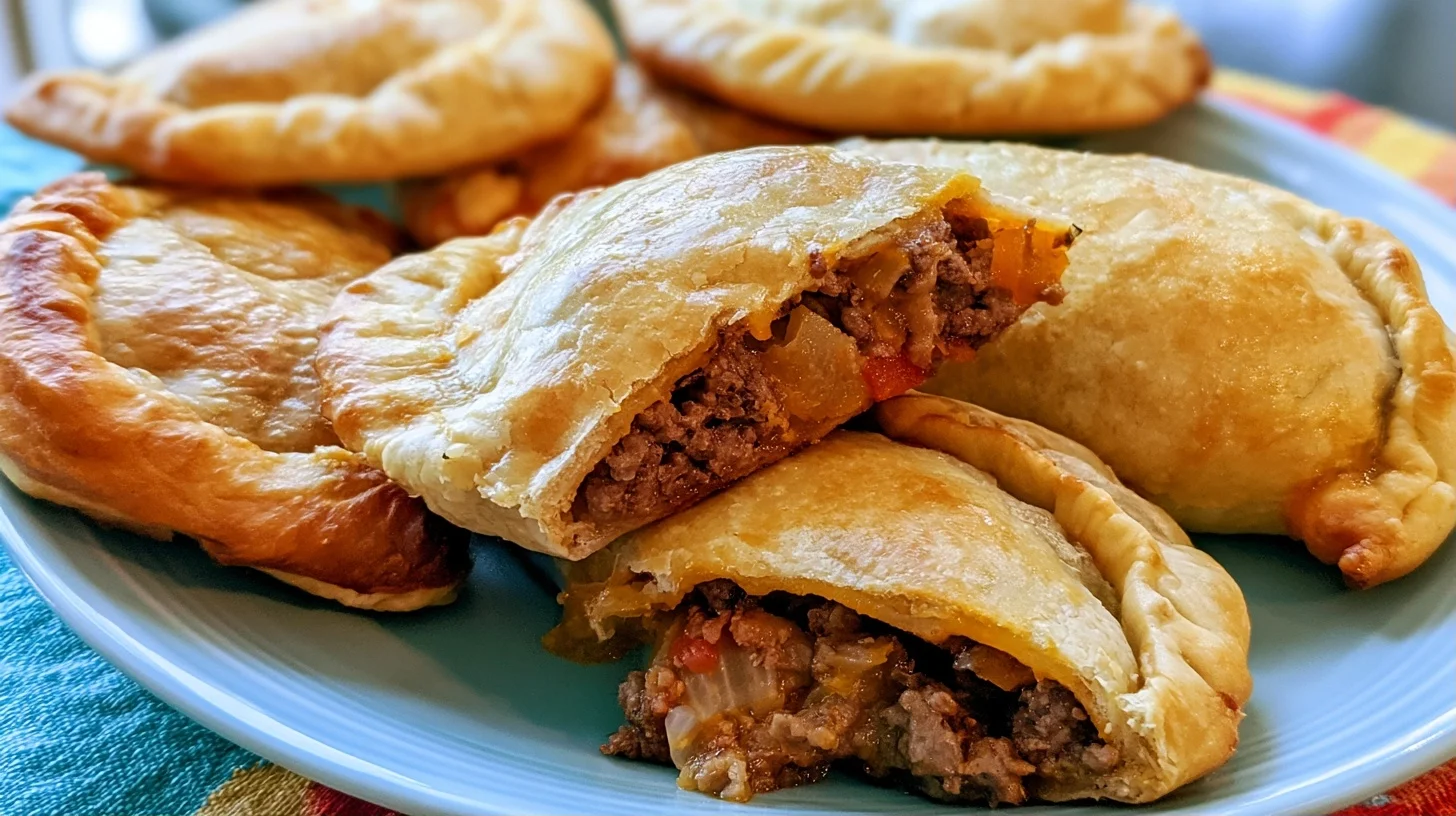
Table of contents
- Why You Will Love These Beef Empanadas
- Essential Tools for Perfect Beef Empanadas
- How to Make Beef Empanadas That Taste Like They’re from a Latin Bakery
- The Techniques That Make These Beef Empanadas Restaurant-Quality
- Mistakes to Avoid When Making Beef Empanadas
- Creative Variations for Beef Empanadas
- Nutrition Breakdown for Beef Empanadas
- Delicious Ways to Serve Beef Empanadas
- How to Store and Reheat Beef Empanadas
- Frequently Asked Questions
Why You Will Love These Beef Empanadas
- The double-folding dough technique creates irresistibly flaky layers that rival any bakery version.
- Searing the beef before mixing locks in deep, caramelized flavor that standard boiled fillings lack.
- They freeze perfectly for up to three months, making them the ultimate make-ahead appetizer.
- Each empanada is perfectly portioned and hand-held, ideal for parties or weeknight dinners.
- The filling is endlessly adaptable to whatever spices and vegetables you have on hand.
Essential Tools for Perfect Beef Empanadas
In my testing, I found that having the right equipment makes the difference between frustrating and effortless empanada assembly. You don’t need a professional kitchen, but these specific tools will save you time and deliver better results every time.
- Rolling pin: A heavy rolling pin ensures even dough thickness, which is critical for uniform cooking and preventing soggy bottoms.
- 4-inch or 5-inch round cutter: Consistent sizing means all your empanadas bake at the same rate, and a sharp edge cuts cleanly without tearing the dough.
- Large cast iron or stainless steel skillet: You need high, even heat to properly sear the beef and develop that deep flavor base.
- Pastry brush: Essential for applying the egg wash evenly, which creates that beautiful golden sheen.
- Parchment-lined baking sheets: Prevents sticking and makes cleanup effortless, especially with any filling that leaks during baking.
- Fork: Used to crimp and seal the edges, creating both a decorative pattern and a secure seal that keeps the filling inside.
- Instant-read thermometer: Ensures your filling reaches a safe internal temperature and that reheated empanadas are piping hot throughout.
How to Make Beef Empanadas That Taste Like They’re from a Latin Bakery
Beef Empanadas
12
servings45
minutes25
minutes280
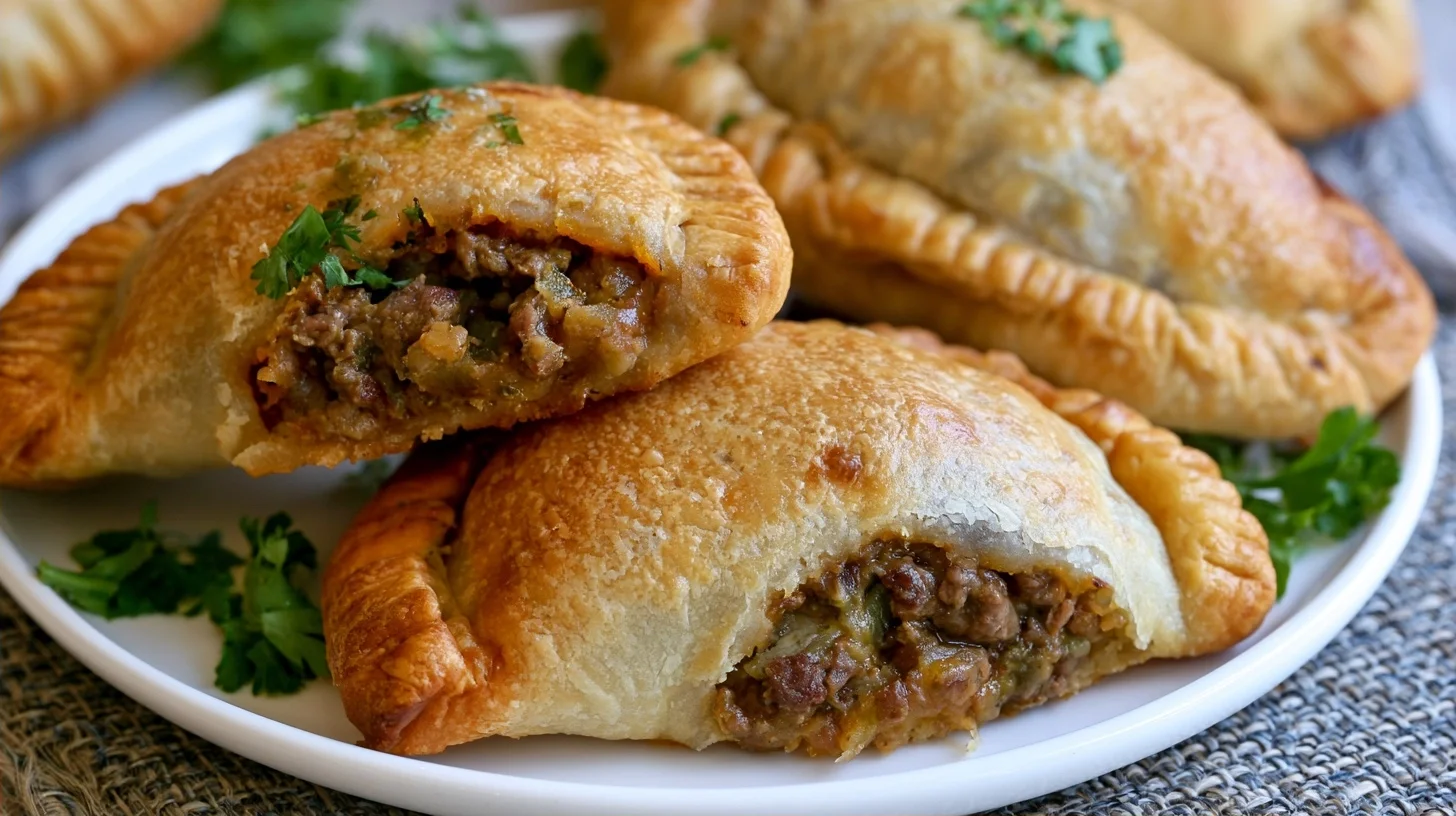
kcalGolden, flaky beef empanadas with a savory, perfectly spiced filling that rivals any Latin bakery. The double-folding dough technique and seared beef create layers of flavor and texture that make these irresistible.
Keep the screen of your device on
Ingredients
2.5 cups all-purpose flour
0.5 cup cold unsalted butter
1 teaspoon salt
0.5 cup cold water
1 pound ground beef
1 medium yellow onion
2 cloves garlic
1 teaspoon ground cumin
1 teaspoon smoked paprika
0.5 teaspoon dried oregano
1 large egg
2 tablespoons fresh cilantro
Directions
- Make the dough by combining flour and salt in a large bowl, then cutting in the cold butter cubes with a pastry cutter or fork until the mixture resembles coarse crumbs. This creates the foundation for flaky layers.
- Add cold water one tablespoon at a time, mixing gently until the dough just comes together. Avoid overworking, as this develops gluten and makes the dough tough.
- Form the dough into a disk, wrap it tightly in plastic wrap, and refrigerate for at least 30 minutes. This resting period allows the gluten to relax and the butter to firm up, making rolling easier.
- Heat a large skillet over medium-high heat and add the ground beef, breaking it into small pieces. Let it sear without stirring for 2 to 3 minutes to develop deep, caramelized flavor.
- Add the onion and garlic to the beef and cook for another 3 to 4 minutes until softened and fragrant. Stir in the cumin, paprika, oregano, and a pinch of salt.
- Remove the filling from heat and let it cool completely in the refrigerator for at least one hour. Cold filling is essential for easy assembly and prevents the dough from becoming soggy.
Notes
- The ideal ratio of filling to dough is two tablespoons of filling per 4-inch circle, which ensures a balanced bite and prevents leaking.
- Empanadas can be assembled and frozen unbaked for up to three months. Bake directly from frozen, adding 5 extra minutes to the baking time.
- For extra flavor, add a handful of raisins or sliced green olives to the beef filling for a traditional Argentine-style variation.
Nutrition Facts
- Serving Size: 1 g
- Total number of serves: 12
- Calories: 280kcal
- Fat: 15g
- Carbohydrates: 22g
- Fiber: 2g
- Protein: 12g
Did you make this recipe?
Tag @therecipemasterblog on Instagram and hashtag it with #therecipemaster
Like this recipe?
Follow @therecipemasterblog on Pinterest
Follow us on Facebook!
Follow The Recipe Master on Facebook
The Techniques That Make These Beef Empanadas Restaurant-Quality
After years of making empanadas, I’ve learned that small adjustments in technique create massive improvements in flavor and texture. These tips are the result of real kitchen testing, and they address the most common issues home cooks face. Therefore, I recommend reading through all of them before you start cooking.
Sear the Beef Before Mixing
The ideal ratio of searing time to total cook time for ground beef empanadas is 3 to 4 minutes of high-heat browning before adding any liquid or aromatics. This step develops a Maillard reaction that creates deep, savory flavor. I heat my skillet until it’s nearly smoking, then add the beef without stirring for the first two minutes. As a result, you get caramelized bits that transform the entire filling.
Use Cold Butter in the Dough
In my testing, dough made with cold butter produced noticeably flakier layers than dough made with softened butter. The cold fat creates steam pockets during baking, which puff up the pastry. I cut my butter into small cubes and chill them in the freezer for 10 minutes before incorporating them into the flour. This single step elevates the texture dramatically.
Let the Filling Cool Completely
Warm filling will melt the dough’s butter and create a soggy, hard-to-seal empanada. I always prepare my filling at least two hours ahead, or even the night before, and refrigerate it. Cold filling is also much easier to portion and stays in place during assembly. For example, you can scoop it cleanly without it spreading or oozing out the sides.
Don’t Overfill the Empanadas
I recommend using no more than two tablespoons of filling per empanada circle. Overfilling makes sealing nearly impossible and leads to bursting during baking. In addition, a properly filled empanada has a balanced ratio of pastry to filling in every bite, which improves the overall eating experience. Less is genuinely more here.
Seal with a Fork, Not Just Your Fingers
Pressing the edges with a fork creates a tight seal and a classic decorative pattern. I dip my fork in flour between each crimp to prevent sticking. This technique also adds texture contrast, as the crimped edges bake up extra crispy. However, make sure you press firmly enough to fuse the dough layers together, or steam will escape and cause the empanadas to open.
Brush with Egg Wash for a Golden Finish
An egg wash made from one beaten egg and a tablespoon of water gives empanadas that glossy, bakery-style appearance. I brush it on just before baking, making sure to cover the entire surface. This also helps any seeds or toppings adhere. In my experience, skipping this step results in pale, dull empanadas that look homemade in the wrong way.
Learn from the History of Empanadas
Understanding the rich history of empanadas across Spanish and Latin American cultures adds depth to your appreciation of this dish. Each region has its own filling traditions and folding techniques, which can inspire your own creative variations. I find that learning the story behind a recipe makes me more intentional in the kitchen.
Mistakes to Avoid When Making Beef Empanadas
Even experienced cooks can hit a few common pitfalls with empanadas. I’ve made every one of these mistakes myself, so I know exactly how to fix them. Here’s what to watch out for and how to course-correct before it’s too late.
Rolling the Dough Too Thin
Dough rolled thinner than 1/8 inch will tear during assembly and won’t support the filling during baking. I recommend using rolling pin guides or stacking two chopsticks on either side of the dough to maintain even thickness. If your dough does tear, patch it with a small piece and press firmly to seal.
Skipping the Resting Time
Dough that hasn’t rested will shrink during baking and become tough instead of tender. I always let my dough rest in the fridge for at least 30 minutes after mixing. This allows the gluten to relax and the butter to firm up again. Therefore, the dough becomes easier to roll and holds its shape beautifully.
Baking at Too Low a Temperature
Empanadas baked below 375°F will turn greasy and pale instead of crispy and golden. I preheat my oven to 400°F and bake on the middle rack for even heat circulation. In my testing, this temperature produces the best balance of a fully cooked filling and a deeply browned crust in about 20 to 25 minutes.
Not Venting the Tops
Steam needs an escape route, or it will build up inside and cause the empanadas to burst. I use a sharp knife to cut two or three small slits in the top of each empanada after applying the egg wash. This simple step prevents blowouts and also creates attractive vents that release aromatic steam when you break them open.
Creative Variations for Beef Empanadas
One of the best things about empanadas is how adaptable they are to different flavors and dietary needs. I’ve experimented with dozens of variations, and these are the ones that consistently get rave reviews. However, don’t be afraid to improvise based on what you have in your pantry.
Spicy Jalapeño and Cheese Beef Empanadas
Add one diced jalapeño and a half cup of shredded pepper jack cheese to the beef filling. The heat from the jalapeño balances beautifully with the richness of the cheese. I recommend removing the seeds if you prefer milder spice. This variation is always the first to disappear at parties.
Vegetarian Black Bean and Corn Empanadas
Replace the ground beef with one can of black beans (drained and mashed) and one cup of corn kernels. Season with cumin, smoked paprika, and lime juice. I add a handful of crumbled queso fresco for richness. These are hearty, satisfying, and every bit as flavorful as the beef version.
Gluten-Free Empanada Dough
Substitute the all-purpose flour with a 1:1 gluten-free baking blend that contains xanthan gum. I’ve had excellent results with this swap, though the dough can be slightly more delicate to handle. Chilling it for a full hour makes rolling much easier. The texture is remarkably close to traditional dough.
Make Your Own Empanada Dough from Scratch
If you want to take your empanadas to the next level, try this authentic empanada dough recipe that uses a traditional lard and butter blend. The result is incredibly tender and flavorful. I use this dough for special occasions when I want to impress guests with truly homemade pastry.
Breakfast Empanadas with Scrambled Eggs and Chorizo
Swap the beef for cooked chorizo and scrambled eggs, then add diced bell peppers and onions. These are fantastic for brunch or meal prep. I bake a batch on Sunday and reheat them throughout the week for quick breakfasts. They’re portable, protein-rich, and incredibly satisfying.
Nutrition Breakdown for Beef Empanadas
Each beef empanada contains approximately 280 calories, making them a reasonable indulgence when enjoyed in moderation. They provide about 12 grams of protein from the ground beef, which helps keep you satisfied. The fat content is around 15 grams per empanada, primarily from the butter in the dough and the beef.
Carbohydrates come in at roughly 22 grams per serving, with 2 grams of fiber from the vegetables in the filling. If you’re watching sodium, be mindful of the seasoning and consider using low-sodium broth. In addition, baking instead of frying significantly reduces the overall fat content compared to traditional fried empanadas.
Delicious Ways to Serve Beef Empanadas
I love serving beef empanadas with a trio of dipping sauces: chimichurri, spicy aioli, and a tangy lime crema. The herbaceous chimichurri cuts through the richness of the pastry, while the aioli adds a creamy, garlicky kick. For example, I set up a small sauce station at parties, and guests love customizing each bite.
These empanadas also pair beautifully with a simple side salad dressed in citrus vinaigrette. The acidity and crunch provide a refreshing contrast to the warm, savory pastries. I often serve them alongside black beans and rice for a complete Latin-inspired meal. They’re equally at home on a game day spread or an elegant dinner party menu.
How to Store and Reheat Beef Empanadas
Store baked empanadas in an airtight container in the refrigerator for up to four days. I recommend placing parchment paper between layers to prevent them from sticking together. When you’re ready to enjoy them again, reheat in a 350°F oven for about 10 minutes until warmed through and crispy.
For longer storage, freeze unbaked empanadas on a parchment-lined baking sheet until solid, then transfer them to a freezer bag. They’ll keep for up to three months. Bake directly from frozen, adding an extra five minutes to the baking time. This method preserves the flaky texture perfectly, and you’ll have homemade empanadas ready whenever you need them.
Frequently Asked Questions
Yes, you can assemble empanadas up to 24 hours ahead and refrigerate them unbaked, or freeze them for up to three months. Bake directly from the fridge or freezer, adding a few extra minutes to the baking time if frozen.
Baking is healthier and produces a lighter, flakier crust, while frying creates a richer, crispier texture. I prefer baking at 400°F for 20 to 25 minutes because it’s easier and less messy, but both methods work beautifully.
A butter-based pastry dough creates the flakiest, most tender empanadas. Some recipes use lard for extra richness, and store-bought pie dough or empanada discs work in a pinch, though homemade dough delivers superior flavor and texture.
Seal the edges firmly with a fork, avoid overfilling with more than two tablespoons of filling, and make sure the filling is completely cool before assembly. Chilling assembled empanadas for 15 minutes before baking also helps the seal hold.






Leave a Reply