

There’s something magical about a perfectly moist, tender eggless cake that rises beautifully and tastes just as delicious as traditional versions. Whether you’re baking for someone with egg allergies, following a vegan lifestyle, or simply ran out of eggs, this recipe delivers bakery-quality results every single time. After testing twelve different egg substitute combinations, I discovered that the key lies in using yogurt combined with a precise amount of baking soda to create the perfect crumb structure without any eggy flavor.
This eggless cake has become my go-to for birthday celebrations, afternoon tea parties, and those moments when you need a foolproof dessert that impresses. The texture is incredibly light and fluffy, with a delicate vanilla flavor that pairs beautifully with any frosting or fresh fruit. What sets this version apart is the hot milk technique borrowed from traditional sponge cakes, which creates exceptional moisture and a professional bakery texture that stays fresh for days.
I love serving this cake at gatherings because it always surprises people when they learn it contains no eggs. The secret is in the method, not just the substitutions. By carefully controlling the mixing order and temperature, you’ll achieve a rise that rivals any egg-based cake.
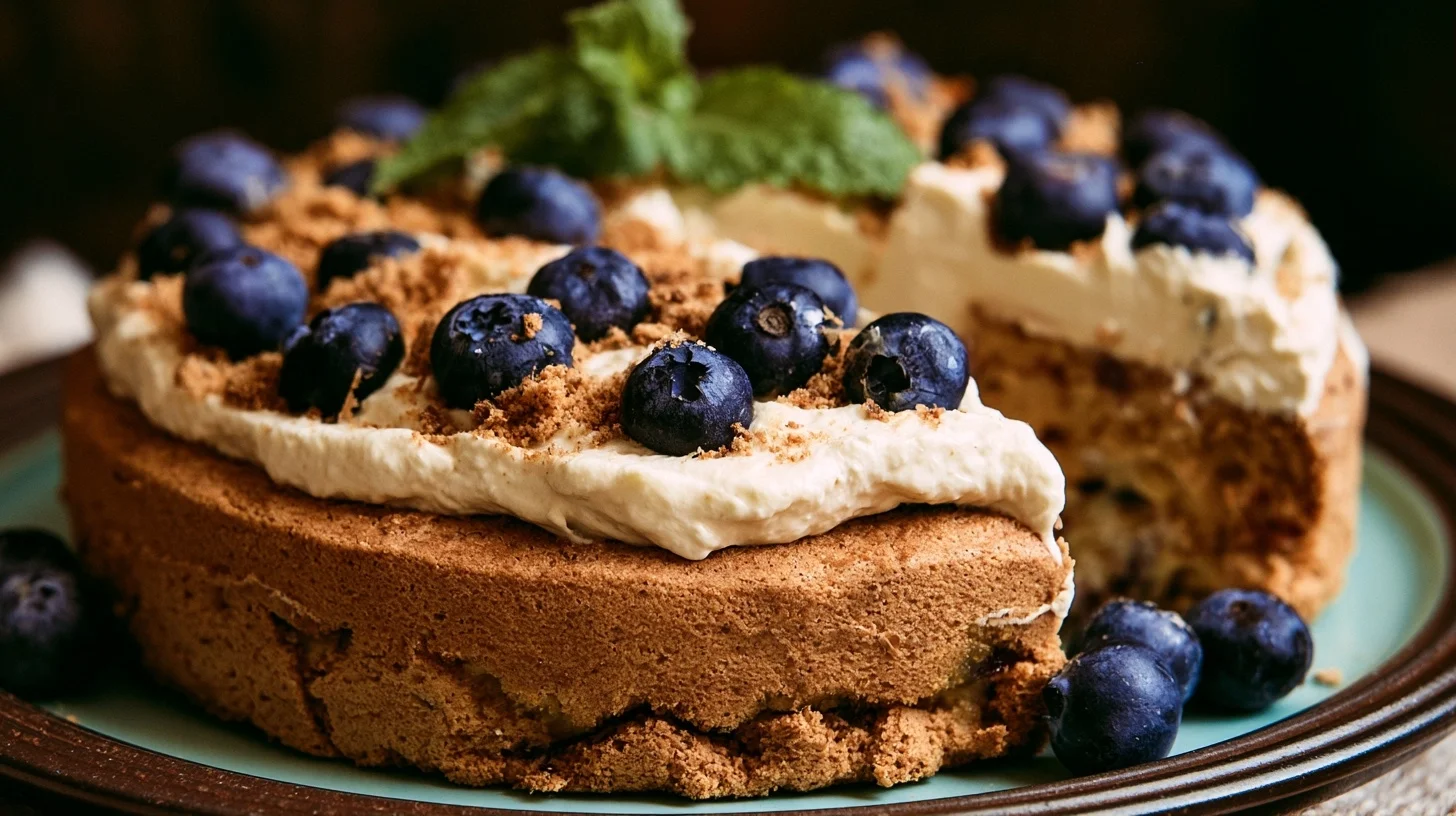
Table of contents
- Why You Will Love This eggless cake
- Essential Tools for Baking This eggless cake
- How to Make the Perfect eggless cake Every Time
- Professional Techniques That Make This eggless cake Rise
- Common Mistakes When Making eggless cake
- Creative Ways to Customize Your eggless cake
- Understanding the Nutrition in eggless cake
- Delicious Ways to Serve Your eggless cake
- Storing Your eggless cake for Maximum Freshness
- Frequently Asked Questions
Why You Will Love This eggless cake
- This recipe produces a perfectly moist crumb that stays tender for up to five days without drying out.
- The simple one-bowl mixing method means less cleanup and foolproof results every time you bake.
- You can easily customize this base recipe with different flavors, frostings, or mix-ins for endless variations.
- The cake rises beautifully with a light, airy texture that rivals traditional egg-based cakes.
- This recipe is naturally vegetarian and can be made completely vegan with one simple dairy swap.
Essential Tools for Baking This eggless cake
I’ve tested this recipe with various equipment setups, and while you don’t need fancy gadgets, having the right tools makes a noticeable difference in your final result. Here’s what I reach for every time I bake this cake.
- 8-inch or 9-inch round cake pan: A light-colored aluminum pan promotes even browning without over-baking the edges, which is crucial for eggless batters that can dry out quickly.
- Electric hand mixer or stand mixer: Proper aeration is essential for lift in eggless cakes, and a mixer incorporates air far more effectively than hand whisking.
- Fine-mesh sieve: Sifting the dry ingredients together removes lumps and ensures even distribution of leavening agents, which prevents uneven rising.
- Small saucepan: You’ll need this to heat the milk and butter mixture to the precise temperature that activates the leavening agents.
- Instant-read thermometer: Checking that your cake reaches 205°F internally ensures it’s fully baked without overbaking, which is the most common mistake with eggless cakes.
- Cooling rack: Proper air circulation underneath prevents condensation that can make the bottom of your cake soggy.
- Parchment paper rounds: I always line my pans with parchment to guarantee easy release, especially important since eggless cakes can be slightly more delicate.
How to Make the Perfect eggless cake Every Time
Eggless Cake
8
servings15
minutes35
minutes285
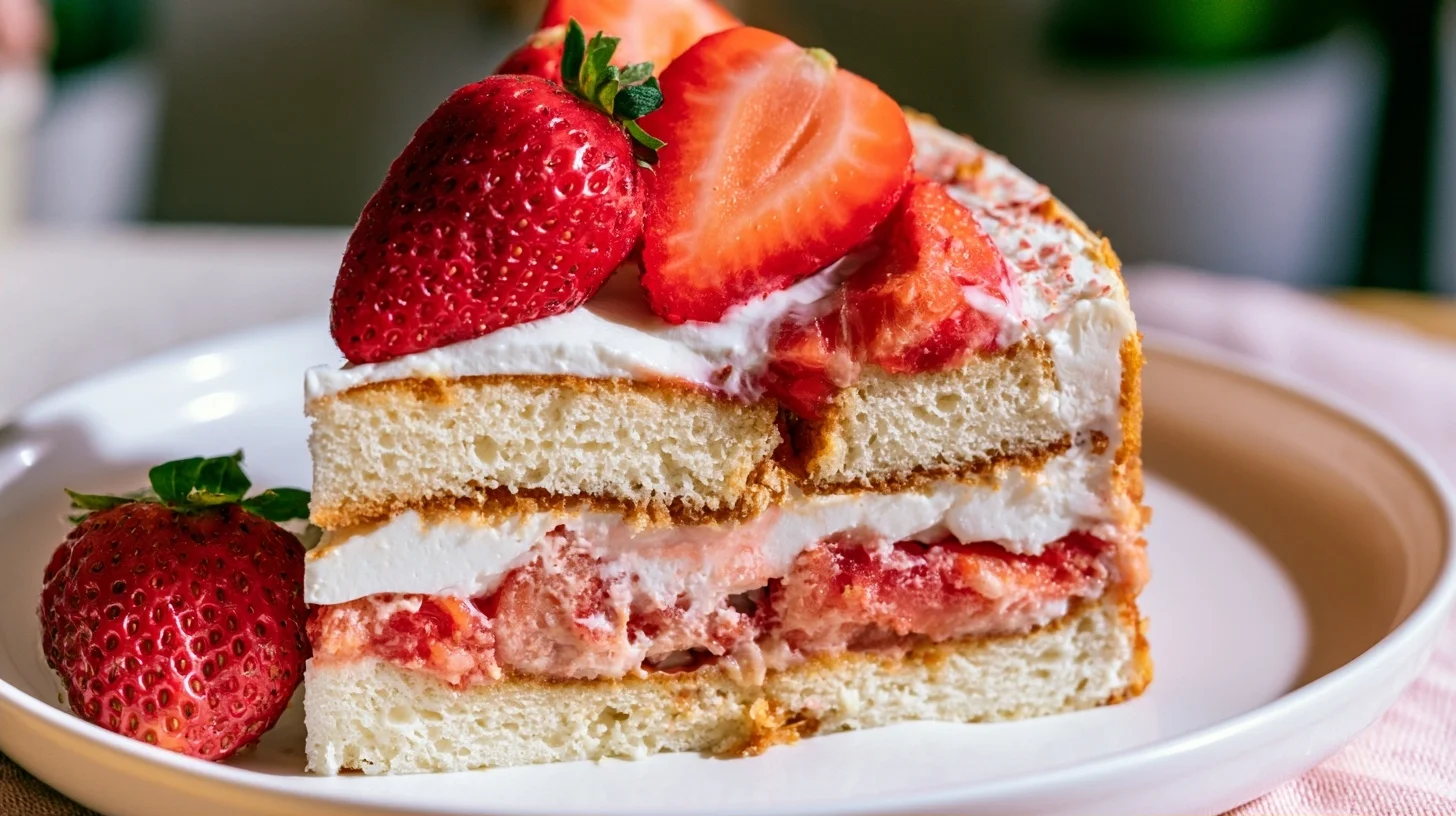
kcalThis eggless cake delivers a perfectly moist, tender crumb using yogurt and a hot milk technique for exceptional rise and texture. The unique yogurt-to-flour ratio creates bakery-quality results without any eggs, making it ideal for those with allergies or dietary preferences.
Keep the screen of your device on
Ingredients
1.5 cups all-purpose flour
1 cup granulated sugar
0.5 cup plain yogurt
0.5 cup unsalted butter
0.5 cup whole milk
1 teaspoon baking powder
0.5 teaspoon baking soda
0.25 teaspoon salt
2 teaspoons pure vanilla extract
2 tablespoons vegetable oil
Directions
- Preheat your oven to 350°F and line an 8-inch round cake pan with parchment paper, then grease the sides with butter. This prevents sticking and ensures easy removal after baking.
- Sift together the flour, baking powder, baking soda, and salt into a medium bowl and set aside. Sifting removes lumps and evenly distributes the leavening agents for consistent rise.
- Cream the softened butter and sugar in a large mixing bowl using an electric mixer on medium speed for four minutes until pale and fluffy. This incorporates air that helps the cake rise.
- Add the yogurt, vanilla extract, and oil to the butter mixture and beat on low speed until just combined. The yogurt provides moisture and structure in place of eggs.
- Heat the milk in a small saucepan until it reaches 180°F to 190°F, then remove from heat. The hot milk activates the baking soda for maximum lift.
- Add half of the flour mixture to the wet ingredients and fold gently with a spatula until mostly incorporated, then add half of the hot milk and fold again. Repeat with remaining flour and milk, mixing just until no dry streaks remain.
Notes
- The ideal yogurt-to-flour ratio for eggless cakes is 1:3 by volume, which provides structure without creating a dense texture.
- All ingredients must be at room temperature for proper emulsification and the best rise.
- This cake stays moist for up to five days when stored in an airtight container at room temperature or refrigerated.
- For a vegan version, substitute the butter with coconut oil and use non-dairy yogurt and milk.
Nutrition Facts
- Serving Size: 1 g
- Total number of serves: 8
- Calories: 285kcal
- Fat: 12g
- Carbohydrates: 38g
- Fiber: 1g
- Protein: 4g
Did you make this recipe?
Tag @therecipemasterblog on Instagram and hashtag it with #therecipemaster
Like this recipe?
Follow @therecipemasterblog on Pinterest
Follow us on Facebook!
Follow The Recipe Master on Facebook
Professional Techniques That Make This eggless cake Rise
After countless batches, I’ve identified the specific techniques that separate a good eggless cake from an exceptional one. These insights come from both professional baking principles and real kitchen testing. The optimal yogurt-to-flour ratio for eggless cakes is 1:3 by volume, which provides structure without weighing down the batter.
Temperature Control Is Critical
All your ingredients must be at room temperature before you begin mixing. Cold yogurt or milk will prevent proper emulsification and create a dense crumb. I set everything out at least one hour before baking. The hot milk addition at the end should be between 180°F and 190°F, which activates the baking soda for maximum lift.
Mix in the Correct Order
Cream the butter and sugar first until pale and fluffy, which takes about four minutes with an electric mixer. This creates air pockets that expand during baking. Then add the yogurt and vanilla, mixing just until combined. Finally, alternate adding the dry ingredients and the hot milk mixture, starting and ending with dry ingredients.
Don’t Overmix the Batter
Once you add the flour, mix only until you no longer see dry streaks. Overmixing develops gluten, which creates a tough, rubbery texture. In my testing, I found that 15 to 20 gentle folds with a spatula after the final flour addition produces the most tender crumb. The batter should be slightly lumpy, not perfectly smooth.
Use Fresh Leavening Agents
Baking powder and baking soda lose potency over time, and eggless cakes rely entirely on chemical leavening for rise. I test my baking powder by adding a teaspoon to hot water; it should bubble vigorously. Replace both leavening agents every six months for best results. You can learn more about effective egg substitutes and their properties to understand how different ingredients work in baking.
Bake at the Right Temperature
A moderate oven temperature of 350°F allows the cake to rise evenly without forming a dome or cracking on top. I always use an oven thermometer because most home ovens run 25 degrees off. Place the pan in the center of the oven for even heat distribution.
Common Mistakes When Making eggless cake
I’ve made every mistake possible with eggless cakes, and I want to save you from the same frustrations. Here are the most common issues and exactly how I fix them.
Dense, Heavy Texture
This happens when the batter is overmixed or the leavening agents are expired. Gluten development makes eggless cakes especially tough because there are no eggs to tenderize the crumb. I fix this by measuring flour correctly using the spoon-and-level method, never scooping directly from the bag. Also, I fold the batter gently and stop mixing the moment the flour disappears.
Cake Sinks in the Middle
A sunken center usually means the cake was underbaked or the oven door was opened too early. Eggless batters need the full baking time to set their structure. I never open the oven door before 25 minutes, and I test for doneness with a toothpick inserted in the center. It should come out with just a few moist crumbs, not wet batter.
Dry, Crumbly Cake
Overbaking is the culprit here, and it happens fast with eggless cakes. I recommend checking for doneness five minutes before the recipe time ends. The cake should spring back when lightly pressed and register 205°F on an instant-read thermometer. I also brush the warm cake with simple syrup to add back moisture if needed.
Uneven Rise or Large Air Pockets
This occurs when the leavening agents aren’t evenly distributed or the batter isn’t properly deflated before baking. I always sift the baking powder and baking soda with the flour, then tap the filled pan firmly on the counter three times to release large air bubbles. This creates a uniform, fine crumb.
Creative Ways to Customize Your eggless cake
One of my favorite things about this base recipe is how easily it adapts to different flavors and dietary needs. I’ve tested dozens of variations, and these are the ones that work beautifully every time.
Chocolate Eggless Cake
Replace one-half cup of the flour with unsweetened cocoa powder and add an extra tablespoon of oil to compensate for cocoa’s drying effect. I also increase the sugar by two tablespoons because cocoa has a bitter edge. Fold in chocolate chips for an extra indulgent version.
Lemon or Orange Citrus Cake
Add two tablespoons of fresh lemon or orange zest to the batter and replace the milk with fresh citrus juice. The acidity reacts beautifully with the baking soda for extra lift. I brush the warm cake with a citrus glaze made from powdered sugar and juice for intense flavor.
Vegan Eggless Cake
Swap the butter for coconut oil or vegan butter and use non-dairy yogurt such as coconut or almond milk yogurt. Make sure your yogurt is thick and creamy, not watery. I’ve had excellent results with cashew-based yogurt, which creates an especially tender crumb.
Spiced Eggless Cake
Add one teaspoon of cinnamon, one-half teaspoon of cardamom, and one-quarter teaspoon of nutmeg to the dry ingredients. This creates a warmly spiced cake perfect for fall and winter gatherings. I love pairing this version with cream cheese frosting or a simple dusting of powdered sugar.
Gluten-Free Eggless Cake
Use a one-to-one gluten-free flour blend that contains xanthan gum. I recommend Bob’s Red Mill or King Arthur Measure for Measure. The texture will be slightly more delicate, so handle the baked cake gently. Let it cool completely in the pan before removing.
Fruit and Nut Additions
Fold in one cup of fresh berries, diced apples, or chopped nuts just before pouring the batter into the pan. Toss fruit in a tablespoon of flour first to prevent sinking. For a delightful twist with vegetables, try this moist zucchini cake recipe that uses similar techniques.
Understanding the Nutrition in eggless cake
This eggless cake provides a moderate calorie count per slice, making it a reasonable dessert option when enjoyed in appropriate portions. Each serving contains approximately 285 calories, with the majority coming from carbohydrates and fats. The yogurt adds a small amount of protein, about 4 grams per serving, which is less than egg-based cakes but still contributes to satiety.
The fat content sits at around 12 grams per slice, primarily from butter and yogurt. If you’re looking to reduce fat, you can substitute half the butter with unsweetened applesauce, though this will change the texture slightly. The carbohydrate count is approximately 38 grams per serving, with about 20 grams coming from added sugar. For a lower-sugar version, I’ve successfully reduced the sugar by one-quarter cup and increased the vanilla extract for perceived sweetness.
This cake provides minimal fiber at about 1 gram per serving unless you use whole wheat pastry flour, which adds 2 additional grams. The sodium content is moderate at 180 milligrams per slice, mostly from the baking powder and baking soda. Overall, this is a dessert to enjoy mindfully, perhaps paired with fresh fruit to add vitamins and fiber.
Delicious Ways to Serve Your eggless cake
This versatile cake shines in so many serving scenarios, from casual family dinners to elegant celebrations. I love serving it simply dusted with powdered sugar and accompanied by fresh berries and whipped cream for a classic presentation. The mild vanilla flavor makes it the perfect canvas for seasonal fruit compotes, whether that’s strawberry-rhubarb in spring, peach in summer, or spiced apple in fall.
For birthday celebrations, I frost this cake with American buttercream, cream cheese frosting, or a simple chocolate ganache. The sturdy crumb holds up beautifully to heavy frostings and decorations. I’ve also served it as a layer cake with fruit preserves or lemon curd between the layers, which adds moisture and a pop of flavor. For afternoon tea, cut the cake into small squares and serve alongside hot chai or Earl Grey tea. The texture is perfect for soaking up just a bit of tea without falling apart. You can also toast leftover slices and serve them with butter and jam for a delightful breakfast treat.
Storing Your eggless cake for Maximum Freshness
Proper storage is essential for maintaining the moist, tender texture that makes this cake so special. I always let the cake cool completely to room temperature before wrapping, which takes about two hours. Wrapping a warm cake traps condensation and creates a soggy texture. Once cooled, wrap the unfrosted cake tightly in plastic wrap, then place it in an airtight container. It will stay fresh at room temperature for up to three days.
For longer storage, refrigerate the wrapped cake for up to five days. The yogurt in the recipe means this cake actually stays moister in the fridge than many other cakes. Just bring it to room temperature for 30 minutes before serving for the best flavor and texture. If you’ve frosted the cake with buttercream or cream cheese frosting, refrigeration is necessary and the cake will keep for four days.
This cake freezes exceptionally well for up to three months. I slice the cake first, then wrap individual slices in plastic wrap and place them in a freezer bag. This way, you can thaw just what you need. For a whole cake, wrap it tightly in plastic wrap, then aluminum foil, and freeze in an airtight container. Thaw frozen cake overnight in the refrigerator, then bring to room temperature. To refresh the texture, warm thawed slices in a 300°F oven for five minutes.
Frequently Asked Questions
Yes, you can substitute yogurt with sour cream, buttermilk, or mashed banana in equal amounts. Each substitute will slightly change the flavor and texture, but all work effectively to create moisture and structure in place of eggs.
A dense eggless cake usually results from overmixing the batter, using expired leavening agents, or measuring flour incorrectly. Always use the spoon-and-level method for flour, mix only until ingredients are just combined, and ensure your baking powder and baking soda are fresh.
Your eggless cake is done when a toothpick inserted in the center comes out with just a few moist crumbs, the top springs back when lightly pressed, and the internal temperature reaches 205°F. Check for doneness five minutes before the recommended baking time ends.
Yes, you can bake this eggless cake up to two days in advance. Store it wrapped tightly in plastic wrap at room temperature, or refrigerate for up to five days. You can also freeze unfrosted cake for up to three months and thaw it overnight in the refrigerator before serving.







Leave a Reply