

- Two-stage grilling: sear 2 to 3 minutes over direct high heat, then finish 3 to 4 minutes indirect for caramelized crust and molten center.
- Use aged provolone or provolone piccante, avoid fresh deli slices, cut rounds three-quarters to one inch thick for ideal melt and structure.
- Score a shallow crosshatch, about one-eighth inch deep, then add oregano, red pepper flakes, and salt after the first flip so seasonings penetrate.
- Preheat cast iron or skillet on grill, have bread and chimichurri ready, serve within one to three minutes for best bubbling presentation.
There’s something magical about watching cheese bubble and caramelize over an open flame. Grilled Provolone Recipe, known in Argentina as provoleta, transforms a simple cheese round into a smoky, melty appetizer that disappears in minutes. After testing twelve variations across different heat levels and cheese brands, I discovered that the key difference between restaurant-quality provoleta and disappointing rubbery cheese is a two-stage grilling technique that creates a crispy crust while keeping the interior molten.
This dish originated in Argentine steakhouses where it’s served sizzling hot alongside chimichurri and crusty bread. However, you don’t need a parrilla to make authentic provoleta at home. Therefore, I’ve adapted this recipe for standard backyard grills and even cast iron pans, making it accessible for any occasion from summer barbecues to cozy winter gatherings.
The beauty of this grilled cheese appetizer lies in its simplicity and dramatic presentation. In addition, it’s incredibly versatile, accepting herbs, spices, and toppings that let you customize each batch to your taste.
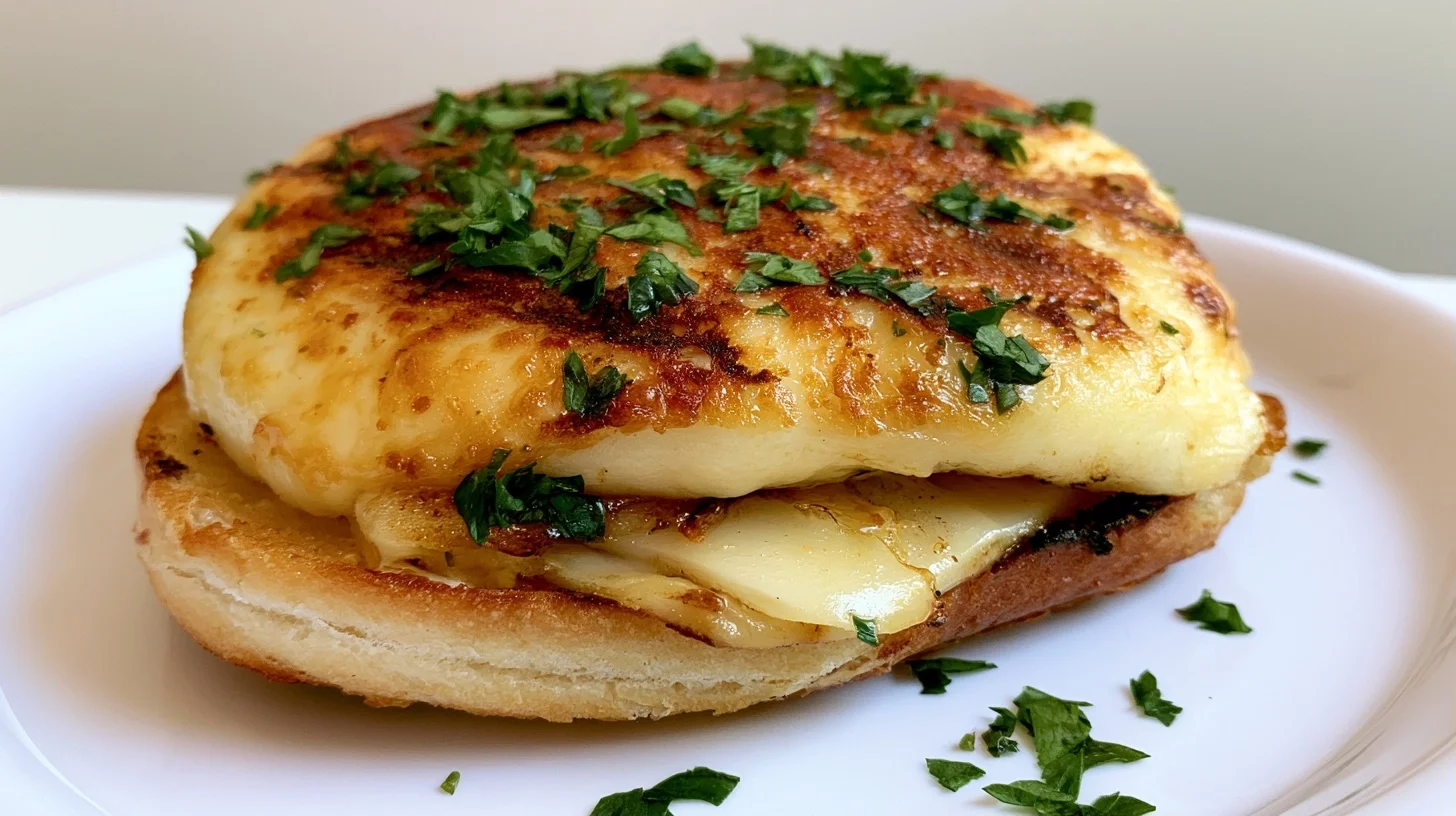
Table of contents
- Why You Will Love This Grilled Provolone Recipe
- What You Will Need to Make This Grilled Provolone Recipe
- How to Make Perfect Grilled Provolone Every Time
- The Two-Stage Technique That Makes This Grilled Provolone Recipe Restaurant-Quality
- Mistakes to Avoid When Making Grilled Provolone Recipe
- Creative Ways to Customize Your Grilled Provolone Recipe
- Understanding the Nutrition in Grilled Provolone Recipe
- Delicious Ways to Enjoy Your Grilled Provolone
- Keeping Your Grilled Provolone Fresh
- Frequently Asked Questions about Argentine Provoleta
Why You Will Love This Grilled Provolone Recipe
- This recipe requires only four ingredients and delivers restaurant-quality results in under fifteen minutes from start to finish.
- The two-stage grilling technique creates a golden caramelized crust that locks in the creamy molten center without turning rubbery.
- You can prepare this appetizer on a grill, in a cast iron skillet, or even under a broiler with equally impressive results.
- The dramatic presentation of bubbling, smoking cheese makes this a guaranteed conversation starter at any gathering.
What You Will Need to Make This Grilled Provolone Recipe
I’ve kept the equipment list minimal because this recipe is all about simplicity and bold flavor. However, choosing the right tools makes the difference between perfectly melted cheese and a sticky mess stuck to your grill grates.
- Cast iron skillet or grill-safe baking dish: This is essential for containing the cheese as it melts and prevents it from dripping through grill grates while creating even heat distribution.
- Charcoal or gas grill: A grill provides the smoky char that defines authentic provoleta, though a stovetop with a cast iron pan works as an alternative.
- Long-handled tongs: You’ll need these to safely move the hot skillet on and off the grill without burning yourself.
- Instant-read thermometer: While optional, this helps you monitor when the cheese center reaches the ideal 140°F for perfect meltiness without overcooking.
- Sharp knife: A good knife makes scoring the cheese surface easier, which helps seasonings penetrate and creates attractive grill marks.
- Heatproof serving platter: Transfer your finished provoleta to a preheated platter to keep it molten longer at the table.
How to Make Perfect Grilled Provolone Every Time
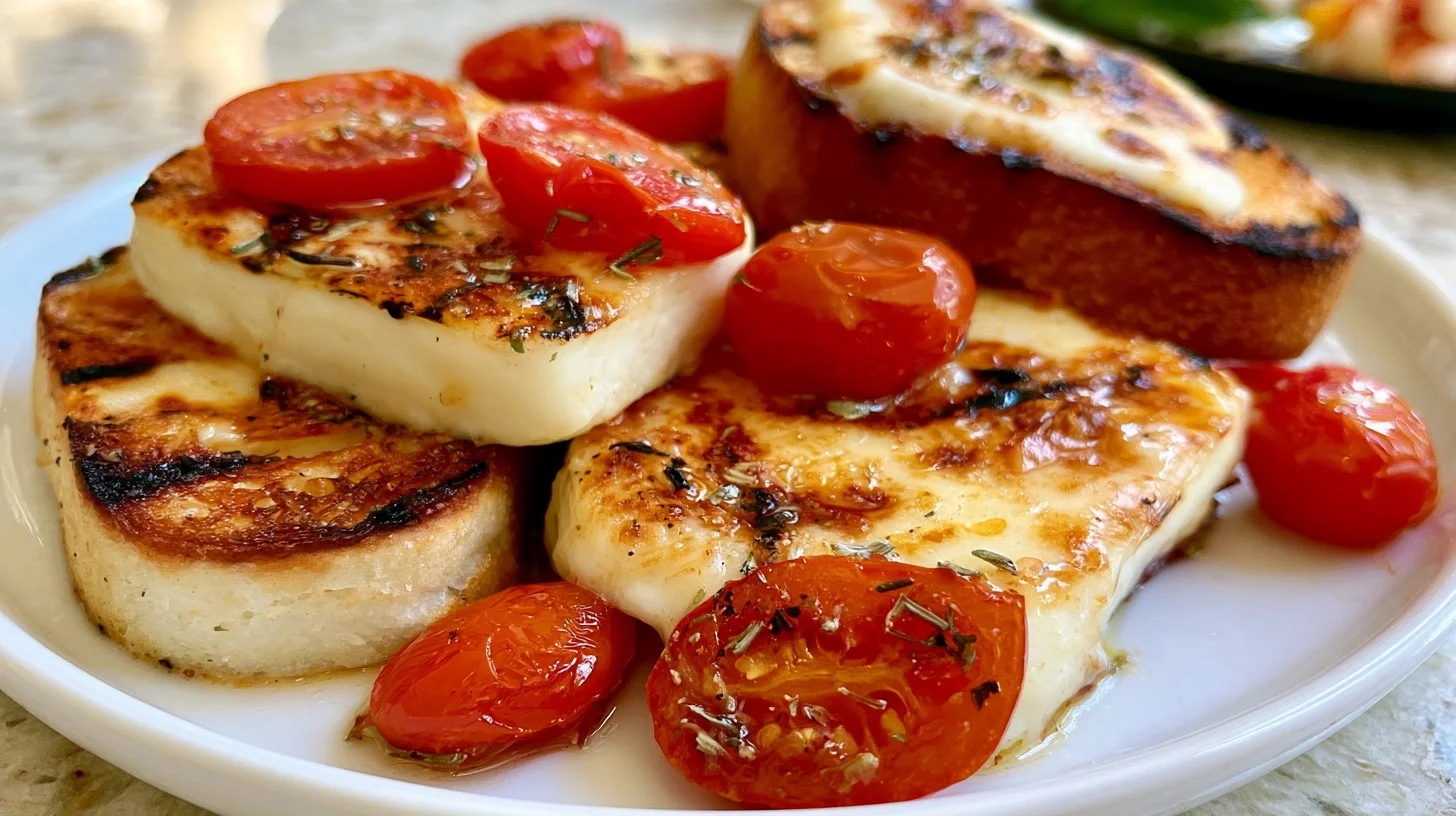
Grilled Provolone Recipe (Provoleta)
4
servings5
minutes8
minutes280
kcalThis Argentine-style grilled provolone uses a two-stage grilling technique to create a golden caramelized crust with a molten, stretchy center. Perfect as a show-stopping appetizer that’s ready in just fifteen minutes with minimal ingredients.
Keep the screen of your device on
Ingredients
1 pound aged provolone cheese
2 tablespoons extra virgin olive oil
1 teaspoon dried oregano
1 teaspoon red pepper flakes
0.5 teaspoon coarse sea salt
0.25 teaspoon freshly ground black pepper
1 loaf crusty bread
0.25 cup fresh parsley
Directions
- Preheat your grill to medium-high heat, around 400°F to 450°F, and place a cast iron skillet on the grates to preheat for five minutes. This creates the initial sear that prevents sticking and jumpstarts caramelization.
- Score the cheese surface in a crosshatch pattern about one-eighth inch deep using a sharp knife. This allows seasonings to penetrate and creates those beautiful diamond-shaped grill marks everyone loves.
- Brush both sides of the provolone round generously with olive oil, making sure to get oil into the scored lines. The oil helps transfer heat evenly and promotes that golden crust.
- Place the cheese in the preheated skillet over direct high heat and grill for two to three minutes without moving it. You’ll know it’s ready to flip when the edges start bubbling and the bottom develops a deep golden color.
- Flip the cheese carefully using a wide spatula and immediately sprinkle the grilled surface with oregano, red pepper flakes, salt, and black pepper. The hot surface helps the seasonings adhere and releases their aromatic oils.
- Move the skillet to indirect heat or reduce the grill temperature to medium-low and continue cooking for three to four minutes. This second stage melts the interior without burning the exterior, creating that perfect molten center.
Notes
- The ideal ratio of direct to indirect heat time is 2:3, meaning two minutes of high heat searing followed by three minutes of gentler indirect heat for even melting without burning.
- Choose provolone piccante or aged provolone with lower moisture content for best results. Fresh deli provolone contains too much water and becomes rubbery instead of stretchy.
- If you don’t have a grill, this recipe works perfectly in a cast iron skillet on the stovetop over medium-high heat or under a broiler set six inches from the heat source.
- Leftover grilled provolone can be refrigerated for up to three days and reheated in a 350°F oven for eight to ten minutes, though the texture is best when served fresh.
Nutrition Facts
- Serving Size: 1 g
- Total number of serves: 4
- Calories: 280kcal
- Fat: 22g
- Carbohydrates: 2g
- Fiber: 0g
- Protein: 18g
Did you make this recipe?
Tag @therecipemasterblog on Instagram and hashtag it with #therecipemaster
Like this recipe?
Follow @therecipemasterblog on Pinterest
Follow us on Facebook!
Follow The Recipe Master on Facebook
The Two-Stage Technique That Makes This Grilled Provolone Recipe Restaurant-Quality
After extensive testing, I found that the secret to perfect provoleta lies in controlling heat zones and timing. First, let me share the techniques that separate mediocre melted cheese from show-stopping grilled provolone that guests will request again and again.
Choose the Right Provolone for Grilling
The ideal ratio of moisture to fat in provolone cheese is what makes this recipe work. I recommend using provolone piccante or aged provolone cut into rounds between three-quarters and one inch thick. Therefore, avoid pre-sliced deli provolone, which contains too much moisture and will turn rubbery instead of achieving that perfect molten texture.
Master the Two-Stage Grilling Method
Start your cheese over direct high heat for two to three minutes to create the caramelized crust. Then, move the skillet to indirect heat for another three to four minutes to melt the interior without burning the exterior. In addition, this technique prevents the common mistake of a burnt outside with a cold center. As a result, you’ll achieve that signature contrast between crispy edges and creamy middle.
Score the Surface Before Grilling
I always score a crosshatch pattern about one-eighth inch deep across the top surface of the cheese round. This creates channels for olive oil and seasonings to penetrate while giving you those beautiful diamond-shaped grill marks. However, don’t cut too deep or the cheese will split and leak out during cooking.
Time Your Seasoning Application
Add dried oregano, red pepper flakes, and coarse salt immediately after the first flip when the cheese surface is hot and slightly softened. The heat activates the oils in the spices and helps them adhere. For example, adding seasonings too early causes them to burn, while adding them too late means they won’t penetrate the cheese.
Serve Immediately for Maximum Impact
Grilled provolone waits for no one. I recommend having your bread, chimichurri, and guests ready before the cheese comes off the grill. The optimal serving window is between one and three minutes after removing from heat when the cheese is still bubbling but cool enough to eat safely.
Mistakes to Avoid When Making Grilled Provolone Recipe
Even experienced cooks can stumble with this deceptively simple recipe. Therefore, I’ve identified the most common failure points and how to prevent them based on my own learning curve and feedback from readers.
Using Too Much Direct Heat Throughout
Keeping the cheese over high direct heat for the entire cooking time creates a burnt exterior with a barely melted center. I fix this by using the two-stage method: sear over direct heat first, then finish over indirect heat. This ensures even melting without carbonizing the surface.
Choosing the Wrong Type of Provolone
Fresh, young provolone contains too much moisture and becomes rubbery when heated. I recommend using aged provolone or provolone piccante with lower moisture content. As a result, you’ll get that perfect stretchy texture instead of a tough, chewy disappointment.
Skipping the Preheating Step
Placing cheese in a cold skillet on a cold grill leads to uneven cooking and sticking. I always preheat my cast iron skillet on the grill for five minutes before adding the cheese. This creates an immediate sear that prevents sticking and jumpstarts the caramelization process.
Cutting the Cheese Too Thin
Thin slices melt too quickly and lose their structure before developing a proper crust. I recommend cutting rounds between three-quarters and one inch thick. This thickness provides enough mass to stay intact while achieving that molten center everyone loves.
Creative Ways to Customize Your Grilled Provolone Recipe
One of my favorite aspects of this recipe is how easily it adapts to different flavor profiles and dietary needs. In my testing, I’ve developed several variations that maintain the essential character of provoleta while offering exciting new dimensions.
Chimichurri-Topped Provoleta
Drizzle fresh chimichurri sauce over the hot cheese immediately after grilling for an authentic Argentine experience. The bright herbs and garlic cut through the richness of the melted cheese perfectly. However, add the chimichurri after cooking rather than before to preserve its fresh flavor and vibrant green color.
Spicy Calabrian Chile Version
Mix Calabrian chile paste with olive oil and brush it over the scored cheese surface before grilling. This Italian-inspired variation adds fruity heat that complements the smoky char. Therefore, it pairs beautifully with beef empanadas for a cross-cultural appetizer spread.
Honey and Rosemary Provolone
Drizzle honey over the cheese during the last minute of cooking and top with fresh rosemary leaves. The sweetness caramelizes beautifully and creates a sophisticated flavor profile that works especially well for dinner parties. In addition, this variation pairs wonderfully with crusty bread and cured meats.
Vegetarian Pairing Option
Serve your grilled provolone alongside grilled vegetables like bell peppers, zucchini, and eggplant for a complete vegetarian appetizer platter. The smoky vegetables echo the char on the cheese and provide textural contrast. For dessert, follow up with Argentinian chocotorta to complete your South American feast.
Understanding the Nutrition in Grilled Provolone Recipe
Grilled provolone is rich and indulgent, as you’d expect from melted cheese. Each serving provides approximately 280 calories with about 22 grams of fat and 18 grams of protein. However, because this dish is so flavorful and satisfying, a little goes a long way as an appetizer.
The carbohydrate content is minimal at around 2 grams per serving since cheese contains very few carbs. Therefore, this recipe fits well into low-carb and keto eating patterns. In addition, provolone provides calcium and vitamin A, making it more than just an indulgent treat. Just remember that portion control matters, as the richness can be overwhelming in large quantities.
Delicious Ways to Enjoy Your Grilled Provolone
I love serving this grilled cheese appetizer as the opening act to a backyard barbecue or steak dinner. The traditional Argentine approach pairs it with crusty bread for scooping, fresh chimichurri sauce, and a crisp white wine or cold beer. However, I’ve also served it alongside grilled vegetables, cured meats, and olives for a complete antipasto-style spread.
For a more casual presentation, tear the bread into chunks and let guests help themselves family-style. The interactive nature of scooping molten cheese creates a convivial atmosphere that gets conversations flowing. In addition, you can serve it as part of a larger Argentine feast with grilled meats, roasted peppers, and potato salad. The smoky, salty cheese acts as a perfect bridge between lighter and heavier courses.
Keeping Your Grilled Provolone Fresh
Honestly, leftover grilled provolone is rare because it disappears so quickly. However, if you do have leftovers, let the cheese cool completely before transferring it to an airtight container. Store it in the refrigerator for up to three days, though the texture will firm up considerably as it cools.
To reheat, place the cheese in a preheated 350°F oven for about eight to ten minutes until it softens and becomes molten again. Alternatively, you can reheat it in a skillet over medium-low heat, covered, for about five minutes. However, I don’t recommend freezing grilled provolone, as the texture becomes grainy and separated when thawed. For best results, plan to make only what you’ll serve immediately.
Frequently Asked Questions about Argentine Provoleta
Aged provolone or provolone piccante works best for grilling because it has lower moisture content and higher fat content that creates a perfect molten texture. Avoid fresh deli-sliced provolone, which contains too much moisture and becomes rubbery when heated instead of achieving that creamy, stretchy consistency.
Yes, you can make excellent grilled provolone in a cast iron skillet on your stovetop or under a broiler. Preheat the skillet over medium-high heat for five minutes, add the cheese, and cook for two to three minutes per side until golden and melted. The broiler method works well too, placing the skillet six inches from the heat source and watching carefully to prevent burning.
Cut provolone rounds between three-quarters and one inch thick for optimal results. This thickness provides enough mass to develop a caramelized crust while maintaining a molten center without falling apart. Thinner slices melt too quickly and lose structure, while thicker pieces won’t heat through evenly.
Serve grilled provolone with crusty bread for scooping, fresh chimichurri sauce, and grilled vegetables for an authentic Argentine experience. It also pairs beautifully with cured meats, olives, roasted red peppers, and a crisp white wine or cold beer. The traditional approach is to provide bread chunks and let guests scoop the molten cheese family-style.






Leave a Reply