

- Everything cooks in one skillet, ready in under 40 minutes for a hearty meal with minimal cleanup.
- Toast the rice in butter before adding liquid to build a nutty, restaurant quality depth of flavor.
- Stick to a 2 to 1 liquid to rice ratio and avoid lifting the lid for tender, nonmushy rice and silky sauce.
- Brown the chicken well, preferably bone-in skin-on thighs, then rest covered five minutes so the rice finishes and sauce thickens.
There’s something magical about a dish that delivers comfort, flavor, and simplicity all in one pan. This creamy chicken rice skillet is exactly that: tender chicken, fluffy rice, and a luscious sauce that ties everything together. After testing over a dozen variations, I discovered that toasting the rice in butter before adding liquid creates a deeper, nuttier flavor that sets this version apart from the typical one-pot recipes you’ll find online. It’s the kind of meal that makes weeknight dinners feel special without any extra effort.
This skillet is perfect for busy evenings when you want something hearty but don’t have the energy for multiple pots and pans. The entire dish comes together in under 40 minutes, and you only need one pan from start to finish. Plus, it’s endlessly adaptable to whatever you have on hand.
Whether you’re feeding a family or meal prepping for the week, this recipe delivers consistent results every single time. The creamy sauce clings to every grain of rice, and the chicken stays moist and flavorful. Let me walk you through exactly how to make it foolproof.
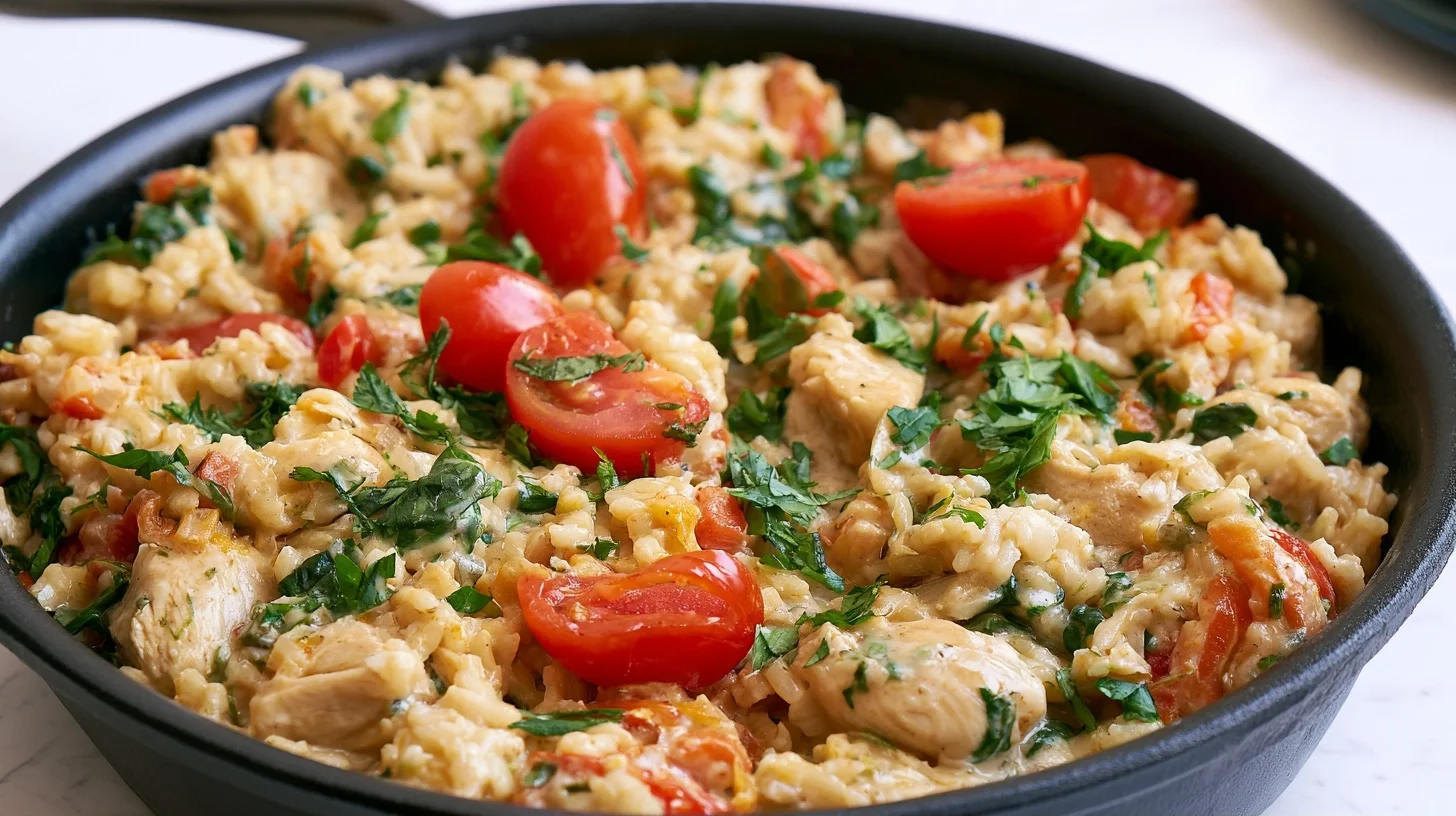
Table of contents
- Why You Will Love This Creamy Chicken Rice Skillet
- What You Will Need to Make This Creamy Chicken Rice Skillet
- How to Make This Creamy Chicken Rice Skillet
- The Technique That Makes This Creamy Chicken Rice Skillet Restaurant-Quality
- Mistakes to Avoid When Making Creamy Chicken Rice Skillet
- Ways to Customize Your Creamy Chicken Rice Skillet
- Nutrition in Every Bite of Creamy Chicken Rice Skillet
- Best Ways to Serve This Creamy Chicken Rice Skillet
- Storing and Reheating Your Creamy Chicken Rice Skillet
- Frequently Asked Questions
Why You Will Love This Creamy Chicken Rice Skillet
- Everything cooks in one skillet, which means minimal cleanup and maximum flavor.
- The toasted rice technique adds a restaurant-quality depth of flavor you won’t find in other recipes.
- It’s ready in under 40 minutes, making it ideal for busy weeknights.
- The creamy sauce is naturally rich without being heavy or overly indulgent.
- You can easily customize it with whatever vegetables or proteins you have on hand.
What You Will Need to Make This Creamy Chicken Rice Skillet
I’ve kept the equipment list simple because this recipe is all about ease. However, the right tools make a real difference in how evenly everything cooks and how easy the process feels. Here’s what I reach for every time I make this dish.
- Large deep skillet with a lid: A 12-inch skillet with at least 2-inch sides gives you enough room to brown the chicken and cook the rice without crowding. The lid traps steam, which helps the rice cook evenly.
- Sharp chef’s knife: You’ll need this to cut the chicken into uniform pieces so everything cooks at the same rate.
- Wooden spoon or silicone spatula: These are gentle on your skillet and perfect for stirring the rice without breaking the grains.
- Measuring cups and spoons: Accurate measurements matter here, especially for the liquid-to-rice ratio.
- Meat thermometer: This ensures your chicken reaches 165°F internally without overcooking.
How to Make This Creamy Chicken Rice Skillet
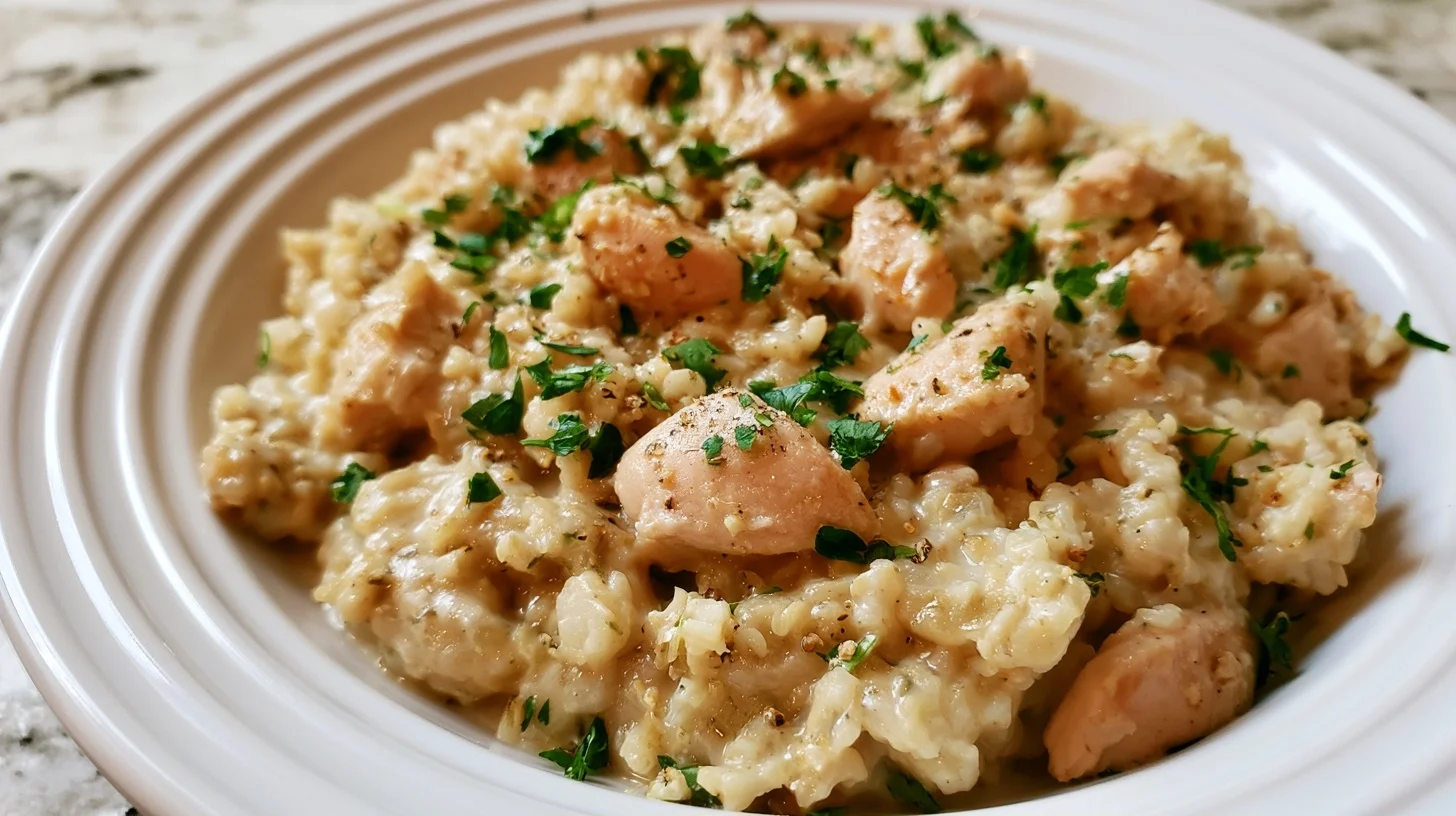
Creamy Chicken Rice Skillet
4
servings10
minutes28
minutes420
kcalThis creamy chicken rice skillet is a one-pan wonder that delivers tender chicken, fluffy rice, and a rich sauce in under 40 minutes. The secret is toasting the rice in butter before adding liquid, which creates a deeper, nuttier flavor that sets this version apart from typical skillet recipes.
Keep the screen of your device on
Ingredients
1.5 lbs boneless skinless chicken thighs
2 tablespoons butter
1 cup long-grain white rice
2 cups chicken broth
0.75 cup heavy cream
1 teaspoon garlic powder
1 teaspoon onion powder
0.5 teaspoon paprika
0.5 teaspoon salt
0.25 teaspoon black pepper
0.5 cup Parmesan cheese
2 tablespoons fresh parsley
Directions
- Season the chicken pieces with salt, pepper, garlic powder, onion powder, and paprika. This layered seasoning approach builds flavor from the start and ensures every bite is well-seasoned.
- Heat one tablespoon of butter in a large deep skillet over medium-high heat. Once the butter is melted and foaming, add the chicken in a single layer. Brown for about 4 minutes per side until golden. Remove the chicken and set aside.
- Add the remaining tablespoon of butter to the same skillet. Once melted, add the uncooked rice and stir constantly for 2 minutes. This toasting step creates a nutty flavor and helps the grains stay separate.
- Pour in the chicken broth and stir to scrape up any browned bits from the bottom of the pan. These bits add incredible depth to the sauce. Bring the mixture to a boil.
- Return the chicken to the skillet and reduce the heat to low. Cover with a tight-fitting lid and simmer for 18 minutes without lifting the lid. This traps the steam needed for the rice to cook evenly.
- Remove the skillet from the heat and let it rest, still covered, for 5 minutes. This resting period allows the rice to finish cooking and the sauce to thicken properly.
Notes
- The ideal liquid-to-rice ratio for this creamy chicken rice skillet is 2:1, which ensures tender grains that are neither mushy nor dry.
- If using chicken breasts instead of thighs, reduce the cooking time slightly and check the internal temperature at 165°F to avoid drying out the meat.
- You can substitute half-and-half for the heavy cream if you prefer a lighter sauce, though it will be slightly less rich.
Nutrition Facts
- Serving Size: 1 g
- Total number of serves: 4
- Calories: 420kcal
- Fat: 16g
- Carbohydrates: 38g
- Fiber: 1g
- Protein: 28g
Did you make this recipe?
Tag @therecipemasterblog on Instagram and hashtag it with #therecipemaster
Like this recipe?
Follow @therecipemasterblog on Pinterest
Follow us on Facebook!
Follow The Recipe Master on Facebook
The Technique That Makes This Creamy Chicken Rice Skillet Restaurant-Quality
After making this recipe dozens of times, I’ve learned exactly what separates a good skillet from a great one. These tips are based on real testing and will help you avoid the most common pitfalls. First, let me share the single most important insight: the ideal liquid-to-rice ratio for this creamy chicken rice skillet is 2:1, which ensures tender grains that aren’t mushy or dry.
Toast the Rice Before Adding Liquid
This is the step that changes everything. I toast the raw rice in butter for about two minutes before adding any liquid. This creates a nutty, slightly caramelized flavor that adds complexity to the finished dish. It also helps the grains stay separate instead of clumping together.
Use Bone-In, Skin-On Thighs for Maximum Flavor
While boneless chicken breasts work in a pinch, I strongly recommend bone-in, skin-on thighs. They stay moist during cooking and release more flavor into the sauce. If you prefer white meat, check the internal temperature carefully to avoid drying it out. Chicken is a great source of lean protein and supports muscle health when cooked properly.
Don’t Skip the Resting Step
Once the rice is done, let the skillet rest off the heat for five minutes with the lid on. This allows the steam to finish cooking the rice and gives the sauce time to thicken. Skipping this step often results in watery sauce and undercooked grains.
Season in Layers
I season the chicken before browning, then season the rice as it toasts, and finally taste the sauce before serving. Layering your seasoning builds depth and prevents the dish from tasting flat. In my testing, this approach consistently produced the most flavorful results.
Mistakes to Avoid When Making Creamy Chicken Rice Skillet
Even simple recipes have their pitfalls. I’ve made every one of these mistakes myself, so I know exactly how to help you avoid them. Here are the most common issues and how I fix them.
Using Too Much Liquid
This is the number one mistake I see. Too much liquid turns the rice mushy and makes the sauce thin and watery. I always stick to the 2:1 ratio of liquid to rice. If you’re using a different type of rice, check the package instructions and adjust accordingly.
Lifting the Lid Too Often
Every time you lift the lid, you release steam that the rice needs to cook properly. I set a timer and resist the urge to peek until it goes off. If you must check, do it quickly and only once, about halfway through the cooking time.
Overcrowding the Pan
If your skillet is too small or you’re doubling the recipe, the chicken won’t brown properly and the rice will cook unevenly. I recommend using a 12-inch skillet and making a second batch if you need to feed a crowd. Overcrowding leads to steaming instead of searing.
Skipping the Chicken Browning Step
Browning the chicken creates fond on the bottom of the pan, which adds incredible depth to the sauce. I never skip this step, even when I’m in a hurry. If you rush it, you lose a huge amount of flavor.
Ways to Customize Your Creamy Chicken Rice Skillet
One of my favorite things about this recipe is how adaptable it is. I’ve made it with everything from leftover rotisserie chicken to different grains and vegetables. Here are the variations I return to most often.
Vegetarian Version
Swap the chicken for chickpeas or white beans and use vegetable broth instead of chicken broth. I add extra garlic and a squeeze of lemon juice at the end to keep the flavors bright. You can also toss in roasted cauliflower or mushrooms for more texture.
Dairy-Free Option
Replace the cream with full-fat coconut milk and use olive oil instead of butter. The coconut milk adds a subtle sweetness that pairs beautifully with the savory rice. I’ve served this to guests with dairy allergies, and they couldn’t tell the difference.
Gluten-Free Adaptation
This recipe is naturally gluten-free as long as you use gluten-free chicken broth and check your seasoning blends for hidden gluten. I’ve never had to make any other adjustments, and it turns out perfectly every time.
Add More Vegetables
I often stir in spinach, peas, or diced bell peppers during the last five minutes of cooking. They add color, nutrition, and a bit of freshness without overwhelming the dish. For a heartier meal, try pairing this with a comforting chicken mashed potato bowl on the side.
Nutrition in Every Bite of Creamy Chicken Rice Skillet
This creamy chicken rice skillet is surprisingly balanced for a comfort food dish. Each serving provides a solid amount of protein from the chicken, complex carbohydrates from the rice, and healthy fats from the butter and cream. It’s filling without being overly heavy.
One serving contains approximately 420 calories, 28 grams of protein, 38 grams of carbs, and 16 grams of fat. The protein helps keep you full, while the carbs provide steady energy. If you’re watching your calorie intake, you can reduce the cream by half and add a splash of chicken broth to maintain the creamy texture.
Best Ways to Serve This Creamy Chicken Rice Skillet
I love serving this skillet straight from the stove to the table. It’s a complete meal on its own, but a simple green salad or roasted vegetables on the side make it feel even more special. A crisp white wine or sparkling water with lemon pairs beautifully with the creamy sauce.
For a casual dinner party, I’ll garnish the skillet with fresh parsley and grated Parmesan, then let guests serve themselves family-style. It’s impressive without being fussy, and everyone always asks for seconds. If you have leftovers, they reheat beautifully for lunch the next day.
Storing and Reheating Your Creamy Chicken Rice Skillet
Store any leftovers in an airtight container in the refrigerator for up to four days. The rice will absorb some of the sauce as it sits, so I like to add a splash of chicken broth or cream when reheating to loosen it back up. You can reheat individual portions in the microwave for about two minutes, stirring halfway through.
If you want to freeze it, portion it into freezer-safe containers and freeze for up to three months. Thaw overnight in the fridge before reheating. I find that the texture holds up well, though the sauce may need a quick stir to come back together. Reheat gently on the stovetop over medium-low heat, adding a bit of liquid if needed.
Frequently Asked Questions
Yes, but you’ll need to adjust the cooking time and liquid. Brown rice takes about 40 to 45 minutes to cook and requires more liquid, typically a 2.5:1 ratio of liquid to rice. Add an extra half cup of broth and extend the covered cooking time accordingly.
Yes, you can prep the chicken and measure out your ingredients ahead of time. However, I recommend cooking the dish fresh because the rice texture is best when served immediately. If you must make it ahead, undercook the rice slightly and reheat gently with added liquid.
Long-grain white rice works best because it stays fluffy and separate. Jasmine or basmati rice are excellent choices. Avoid short-grain or sticky rice, as they can become too soft and mushy in a creamy skillet dish.
Keep the heat at medium-low once you add the cream and avoid boiling the sauce. Boiling can cause the dairy to separate. Stir gently and let the sauce simmer rather than bubble vigorously. If it does start to separate, whisk in a tablespoon of cold cream off the heat.








Leave a Reply