

A Virgo Cake is a beautifully decorated zodiac-themed cake designed to celebrate anyone born under the Virgo sign, typically between August 23 and September 22. These cakes combine elegant design with personalized touches that reflect Virgo traits like attention to detail, earth-tone aesthetics, and refined simplicity. Whether you’re planning a birthday celebration or just want to create something meaningful for a Virgo in your life, this cake balances visual appeal with delicious flavor.
What makes this recipe stand out is the pairing of a moist vanilla base with smooth buttercream that holds its shape for decorating, plus clear guidance on creating zodiac-themed designs that don’t require professional piping skills. The cake itself is sturdy enough to support fondant accents or buttercream constellations, and the flavor profile is intentionally neutral so it complements a variety of fillings and frostings.
The key to a successful Virgo cake is achieving a level, even crumb that makes decorating easier and ensures clean layers when you slice into it.
Table of contents
- Why You Will Love This Virgo Cake
- Essential Equipment for Baking and Decorating
- How to Make a Virgo Cake That Holds Its Shape
- Decorating Your Virgo Cake with Zodiac Details
- Tips for Getting the Best Virgo Cake Every Time
- Common Mistakes When Making Virgo Cakes
- Virgo Cake Variations You Can Try
- Nutrition and Serving Size Considerations
- How to Serve Your Virgo Cake
- How to Store Virgo Cake
- Frequently Asked Questions
Why You Will Love This Virgo Cake
- The vanilla cake base is tender but stable enough to stack and decorate without crumbling.
- The buttercream recipe holds its shape at room temperature, making it ideal for piping zodiac symbols and constellation patterns.
- You can customize the design with earth tones, metallics, or classic Virgo imagery without needing advanced cake decorating experience.
- The recipe scales easily for single-layer, double-layer, or sheet cake formats depending on your serving size.
Essential Equipment for Baking and Decorating
Having the right tools makes a noticeable difference when you’re working with layer cakes and detailed frosting designs. Each piece of equipment below serves a specific purpose that directly affects the final result.
- Two 8-inch or 9-inch round cake pans: Using two pans lets you bake both layers at once, and matching sizes ensure even stacking.
- Parchment paper circles: Lining the bottom of each pan prevents sticking and makes removing the baked layers much easier.
- Stand mixer or hand mixer: Creaming butter and sugar properly requires consistent mixing speed, and a mixer also helps achieve smooth buttercream.
- Offset spatula: This tool gives you control when spreading buttercream evenly across the top and sides of the cake.
- Piping bags and tips: For creating zodiac symbols, star patterns, or border details, a basic round tip and star tip are sufficient.
- Cake turntable: A rotating stand makes frosting the sides of the cake much smoother and faster.
- Cooling racks: Allowing the cakes to cool completely on racks prevents condensation from making the bottoms soggy.
How to Make a Virgo Cake That Holds Its Shape
The most important factor in a successful zodiac cake is creating a sturdy base that won’t dome excessively or crumble when you frost it. This recipe uses the creaming method, which incorporates air gradually and produces a fine, even crumb.
Start with Room Temperature Ingredients
Butter, eggs, and milk should all be at room temperature before you begin mixing. Cold butter won’t cream properly with sugar, and cold eggs can cause the batter to curdle, which affects the final texture. Letting ingredients sit out for about 30 minutes before you start is usually enough.
Cream Butter and Sugar Until Light and Fluffy
This step should take about 3 to 4 minutes with a stand mixer on medium speed. The mixture will change from dense and yellow to pale and airy. This process traps air bubbles that help the cake rise evenly without creating a heavy texture.
Alternate Dry and Wet Ingredients
Adding flour and milk in stages prevents overmixing and keeps the batter smooth. Start and end with the dry ingredients, mixing just until each addition is incorporated. Overmixing after the flour is added can develop too much gluten, which makes the cake dense and chewy instead of tender.
Level the Batter in the Pans
After dividing the batter between the two prepared pans, tap each pan gently on the counter to release air bubbles, then use an offset spatula to smooth the top. This reduces doming during baking and makes it easier to stack the layers without trimming.
Bake at a Moderate Temperature
Baking at 350°F allows the cake to rise evenly without setting the edges too quickly. The layers are done when a toothpick inserted into the center comes out with just a few moist crumbs, not wet batter. Overbaking dries out the cake and makes it harder to frost smoothly.
Cool Completely Before Frosting
Warm cake layers will melt buttercream and cause the frosting to slide. Let the cakes cool in the pans for 10 minutes, then turn them out onto cooling racks and wait until they reach room temperature before you begin decorating.
Decorating Your Virgo Cake with Zodiac Details
Virgo Cake
12
servings25
minutes30
minutes380
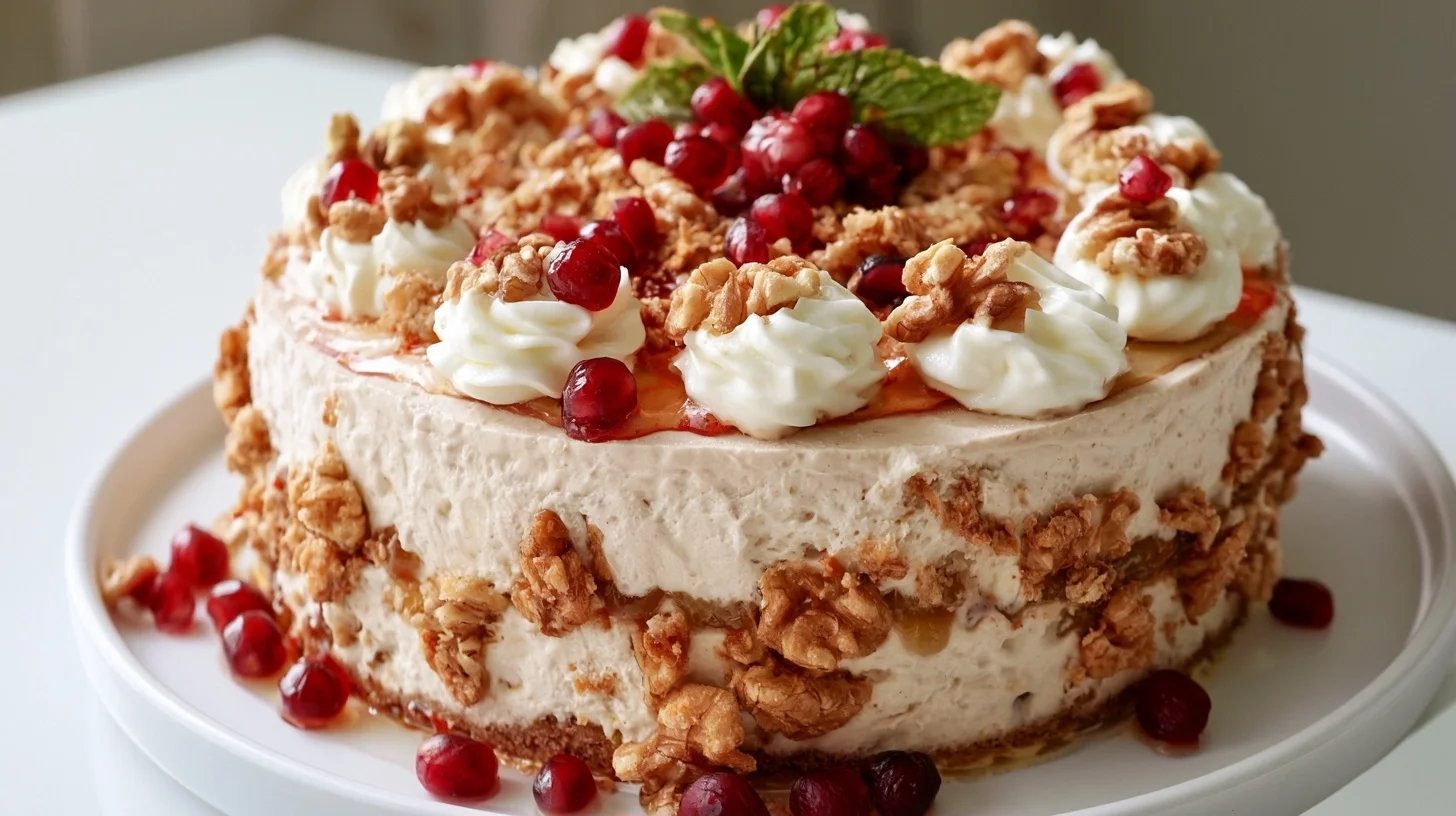
kcalThis Virgo Cake features a moist vanilla base with a fine, even crumb that stacks beautifully and holds up well under buttercream frosting. The recipe is designed to create a stable structure that makes decorating with zodiac symbols and constellation patterns easier, even for home bakers without professional piping experience.
Keep the screen of your device on
Ingredients
2.5 cups all-purpose flour
2 cups granulated sugar
1 cup unsalted butter
4 large eggs
1 cup whole milk
2.5 teaspoons baking powder
0.5 teaspoon salt
2 teaspoons vanilla extract
4 cups powdered sugar
1 cup unsalted butter
3 tablespoons heavy cream
1 teaspoon vanilla extract
Directions
- Preheat your oven to 350°F and prepare two 8-inch or 9-inch round cake pans by greasing them with butter or nonstick spray, then lining the bottoms with parchment paper circles.
- Whisk together the flour, baking powder, and salt in a medium bowl and set aside. This ensures the leavening is evenly distributed throughout the batter.
- Cream the softened butter and granulated sugar in a large bowl using a stand mixer or hand mixer on medium speed for 3 to 4 minutes, until the mixture is pale and fluffy. This step incorporates air that helps the cake rise evenly.
- Add the eggs one at a time, beating well after each addition, then mix in the vanilla extract. The batter should look smooth and cohesive.
- Add the flour mixture in three additions, alternating with the milk in two additions, starting and ending with the flour. Mix on low speed just until each addition is incorporated to avoid overmixing.
- Divide the batter evenly between the prepared pans, smooth the tops with an offset spatula, and tap each pan gently on the counter to release air bubbles.
Notes
- Chilling the cake layers for 30 minutes before frosting firms up the crumb and makes spreading buttercream much easier without pulling up cake pieces.
- If the buttercream becomes too soft while decorating, refrigerate the cake for 10 minutes to firm it up before continuing.
- Store the frosted cake in an airtight container at room temperature for up to two days, or refrigerate for up to five days. Let refrigerated cake sit at room temperature for 30 minutes before serving.
Nutrition Facts
- Serving Size: 1 g
- Total number of serves: 12
- Calories: 380kcal
- Fat: 18g
- Carbohydrates: 52g
- Fiber: 0g
- Protein: 4g
Did you make this recipe?
Tag @therecipemasterblog on Instagram and hashtag it with #therecipemaster
Like this recipe?
Follow @therecipemasterblog on Pinterest
Follow us on Facebook!
Follow The Recipe Master on Facebook
Tips for Getting the Best Virgo Cake Every Time
Achieving a bakery-quality Virgo cake at home comes down to a few key techniques that address the most common issues home bakers face. These tips focus on texture, structure, and decoration.
Measure Flour Correctly
Scooping flour directly from the bag compacts it and can add up to 25% more flour than the recipe intends, which makes the cake dry and dense. Instead, spoon flour into your measuring cup and level it off with a straight edge. Better yet, use a kitchen scale and measure by weight for the most consistent results.
Don’t Skip the Parchment Paper
Even with greased and floured pans, cakes can stick, especially around the edges. Cutting parchment circles to fit the bottom of each pan creates a guaranteed release layer. You can trace the pan onto parchment and cut just inside the line for a perfect fit.
Chill the Cake Before Frosting
Refrigerating the cooled cake layers for 30 minutes before you frost them firms up the crumb and makes it easier to spread buttercream without pulling up cake pieces. This also helps when you’re applying a crumb coat, which is a thin layer of frosting that seals in loose crumbs before the final coat.
Use a Crumb Coat
Applying a thin layer of buttercream over the entire cake and then chilling it for 15 to 20 minutes creates a smooth base for your final layer of frosting. This step is especially important if you’re using a light-colored frosting or fondant, since it prevents dark crumbs from showing through.
Practice Piping on Parchment First
If you’re adding piped details like the Virgo symbol or constellation dots, practice your design on a piece of parchment paper before piping directly onto the cake. This helps you get a feel for the pressure needed and ensures your design looks intentional.
Choose Earth Tones for a Classic Virgo Look
Virgo is an earth sign, so colors like sage green, soft taupe, cream, gold, and muted brown work well thematically. You can tint buttercream with gel food coloring, which won’t thin out the frosting the way liquid coloring does. For a more elegant look, consider using edible gold leaf or gold luster dust on the zodiac symbol. If you’re looking for other elegant cake ideas, you might enjoy this classic vanilla cake recipe or this apple cider cheesecake for seasonal celebrations.
Common Mistakes When Making Virgo Cakes
Overmixing the Batter After Adding Flour
Once flour is added to the wet ingredients, gluten begins to develop. Mixing too long or too vigorously creates a tough, chewy texture instead of a tender crumb. Mix just until the flour streaks disappear, then stop. If you see a few small lumps, that’s fine—they’ll disappear during baking.
Frosting a Warm Cake
Buttercream melts quickly on warm cake, causing it to slide off the sides and soak into the layers. Always let your cake cool completely at room temperature, and if you’re in a hurry, refrigerate the layers for 20 minutes before frosting. This simple step prevents most frosting disasters.
Using Too Much Frosting at Once
Piling on a thick layer of buttercream all at once makes it harder to smooth and more likely to trap air bubbles. Start with a thin crumb coat, chill the cake, then apply a second, thicker layer. This two-step process gives you much more control and a cleaner finish.
Skipping the Toothpick Test
Relying only on baking time can lead to underbaked or overbaked cakes, since oven temperatures vary. Insert a toothpick into the center of the cake about 2 minutes before the suggested baking time ends. If it comes out with wet batter, bake for another 2 to 3 minutes and test again. A few moist crumbs are fine, but wet batter means the cake needs more time.
Virgo Cake Variations You Can Try
Chocolate Virgo Cake
Replace half a cup of the all-purpose flour with unsweetened cocoa powder and add an extra tablespoon of milk to compensate for the dryness of the cocoa. This creates a rich chocolate base that pairs well with vanilla buttercream or chocolate ganache. The darker color also provides strong contrast for light-colored zodiac decorations.
Lemon Virgo Cake
Add the zest of two lemons to the batter along with the butter and sugar, and replace half the milk with fresh lemon juice. The citrus flavor is bright and pairs well with cream cheese frosting. Lemon cakes also tend to be popular for late summer and early fall birthdays, which aligns with Virgo season.
Gluten-Free Virgo Cake
Use a 1:1 gluten-free baking flour blend in place of all-purpose flour. Look for blends that contain xanthan gum, which helps the cake hold together. Gluten-free cakes can be slightly more delicate, so handle the layers gently and consider using a crumb coat to reinforce the structure before the final frosting layer.
Vegan Virgo Cake
Replace the butter with vegan butter or coconut oil, use flax eggs (1 tablespoon ground flaxseed mixed with 3 tablespoons water per egg), and swap the milk for almond or oat milk. For the buttercream, use vegan butter and add a tablespoon of plant-based milk if the frosting is too stiff. The texture will be slightly denser, but the flavor remains rich and satisfying.
Nutrition and Serving Size Considerations
A standard slice of this Virgo cake, cut into 12 servings, contains approximately 380 calories, with about 18 grams of fat, 52 grams of carbohydrates, and 4 grams of protein. The majority of the calories come from the buttercream frosting, which is made with butter and powdered sugar.
If you’re looking to reduce the sugar content, you can cut back on the frosting or use a lighter filling like whipped cream stabilized with gelatin. You can also reduce the sugar in the cake itself by about a quarter cup without significantly affecting the texture, though the cake will be slightly less sweet and may brown a bit faster.
For a lower-calorie option, consider making cupcakes instead of a layer cake. The same batter yields about 24 cupcakes, and you can control portion size more easily. Each cupcake with a swirl of buttercream contains roughly 190 calories.
How to Serve Your Virgo Cake
This cake is designed to be the centerpiece of a birthday celebration, so presentation matters. Serve it on a cake stand or a large platter, and consider adding fresh flowers, edible glitter, or small zodiac-themed decorations around the base.
If you’re serving the cake at a party, slice it just before guests arrive to keep the layers fresh. Use a long, sharp knife dipped in hot water and wiped dry between cuts for clean slices. This technique prevents the frosting from dragging and keeps each piece looking neat.
Pair the cake with coffee, tea, or sparkling water with a twist of lemon. If you’re serving it as part of a larger dessert spread, consider lighter accompaniments like fresh berries or a small scoop of vanilla ice cream.
For more Virgo cake design inspiration, you can explore different decoration styles and color palettes that suit the personality traits associated with the Virgo zodiac sign.
How to Store Virgo Cake
Store the frosted cake in an airtight container or cover it loosely with plastic wrap to prevent the buttercream from drying out. It will keep at room temperature for up to two days, or in the refrigerator for up to five days.
If you refrigerate the cake, let it sit at room temperature for about 30 minutes before serving so the buttercream softens and the flavors come through more clearly. Cold cake can taste muted and the frosting can feel firm.
You can also freeze individual slices or the entire frosted cake. Wrap the cake tightly in plastic wrap, then in aluminum foil, and freeze for up to three months. Thaw in the refrigerator overnight, then bring to room temperature before serving. The texture and flavor hold up well, though delicate piped decorations may lose some definition.
Frequently Asked Questions
Yes, you can bake the cake layers up to two days in advance and store them wrapped tightly in plastic wrap at room temperature, or freeze them for up to three months. Frost the cake the day before serving and store it in the refrigerator, then bring it to room temperature 30 minutes before slicing.
American buttercream made with butter and powdered sugar works best because it holds its shape at room temperature and pipes cleanly. Swiss or Italian meringue buttercream can also work, but they’re softer and may require refrigeration between decorating steps.
Bake at 350°F instead of a higher temperature, level the batter in the pans before baking, and avoid opening the oven door during the first 20 minutes. You can also use baking strips around the pans to insulate the edges and promote even rising.
Yes, this batter makes about 24 cupcakes. Fill each liner about two-thirds full and bake at 350°F for 18 to 22 minutes, or until a toothpick comes out with just a few moist crumbs. Cupcakes cool faster than layer cakes, so you can frost them within 30 minutes.






Leave a Reply