

If you’ve been searching for a simple yet deeply satisfying potato dish, Stanley Tucci potato casserole recipe is exactly what you need. This recipe, inspired by the actor and culinary enthusiast’s approach to Italian comfort food, brings together just a handful of ingredients to create layers of tender potatoes, rich tomato sauce, and melted cheese. The result is a dish that feels both rustic and refined, with each bite delivering creamy potato texture against the tangy sweetness of tomato and the savory pull of melted cheese.
What makes this casserole stand out is its simplicity. Unlike heavily layered casseroles that require multiple components and precise assembly, this version relies on quality ingredients and proper baking technique to develop flavor. The potatoes soften and absorb the tomato sauce as they bake, while the cheese on top forms a golden, slightly crisp layer that contrasts beautifully with the tender layers beneath.
This is the kind of dish that works equally well as a weeknight side or a centerpiece for a casual dinner. It requires minimal prep, uses pantry staples, and delivers the kind of comforting, satisfying result that makes you want to serve it again and again.
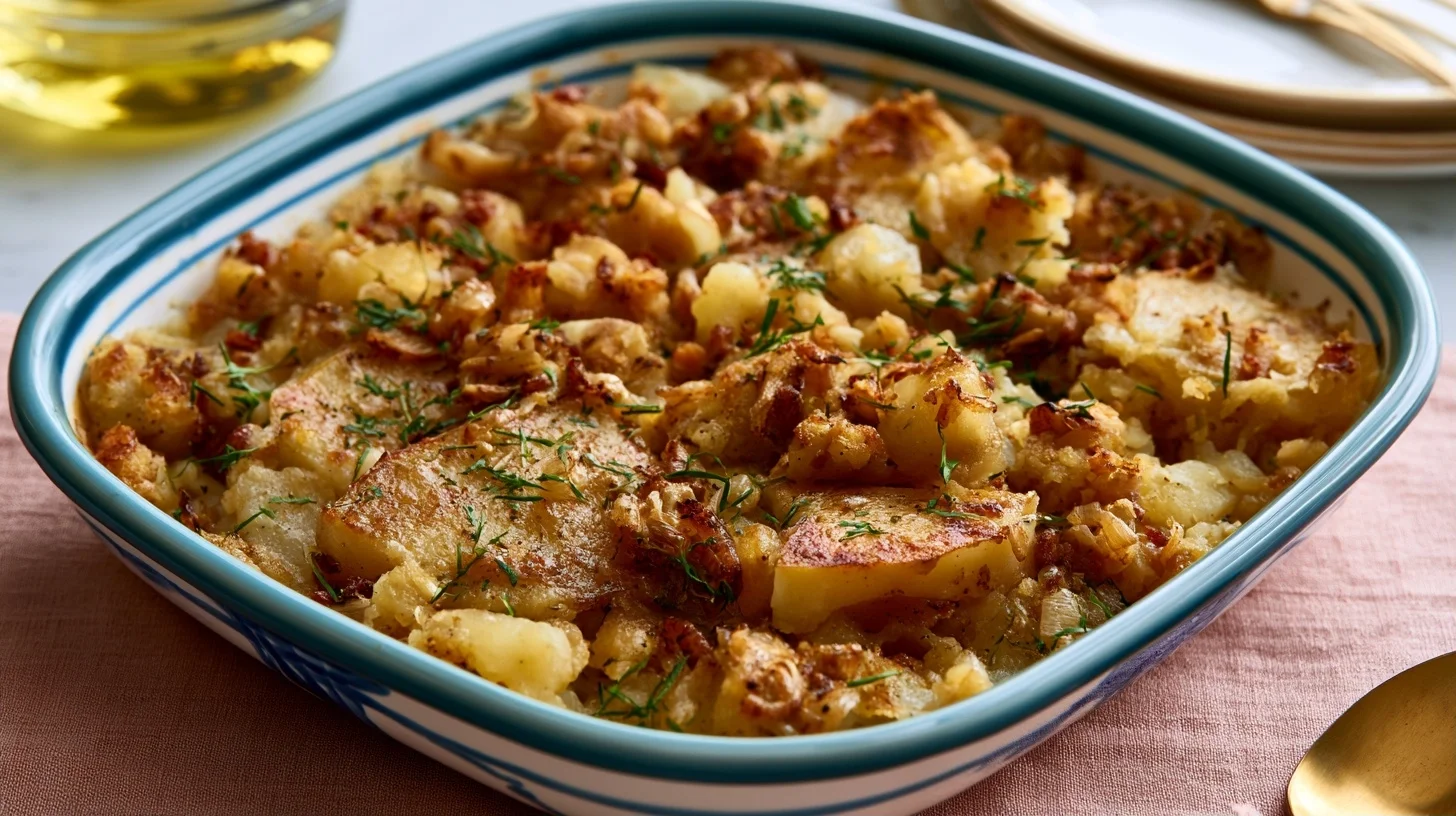
Table of contents
- Why You Will Love This Stanley Tucci Potato Casserole Recipe
- Essential Equipment for This Potato Casserole
- How to Make Stanley Tucci Potato Casserole Recipe
- How to Get Tender, Flavorful Layers Every Time
- Common Mistakes and How to Avoid Them
- Ways to Adapt This Stanley Tucci Potato Casserole Recipe
- Nutrition Breakdown for Potato Casserole
- How to Serve Stanley Tucci Potato Casserole Recipe
- How to Store and Reheat Potato Casserole
- Frequently Asked Questions about Stanley Tucci Potato Casserole Recipe
Why You Will Love This Stanley Tucci Potato Casserole Recipe
- Uses only four main ingredients, making it accessible and budget-friendly.
- Requires minimal prep work, with most of the cooking time hands-off in the oven.
- Delivers rich, layered flavor despite its simplicity, thanks to the interplay of tomato, potato, and cheese.
- Adapts easily to dietary preferences, with straightforward substitutions for dairy-free or vegan diets.
Essential Equipment for This Potato Casserole
This recipe doesn’t demand specialty tools, but having the right equipment makes the process smoother and helps you achieve the best texture and browning.
- 9×13-inch baking dish: This size allows the potatoes to bake in an even layer, ensuring they cook through at the same rate while providing enough surface area for the cheese to brown.
- Sharp knife or mandoline: Uniform potato slices are essential for even cooking. A mandoline speeds up the process and ensures consistent thickness, but a sharp knife works just as well with careful attention.
- Aluminum foil: Covering the dish during the initial baking phase traps steam, which helps the potatoes cook through without drying out before they’re tender.
- Oven mitts: The baking dish will be hot throughout the process, especially when removing the foil midway through baking.
How to Make Stanley Tucci Potato Casserole Recipe
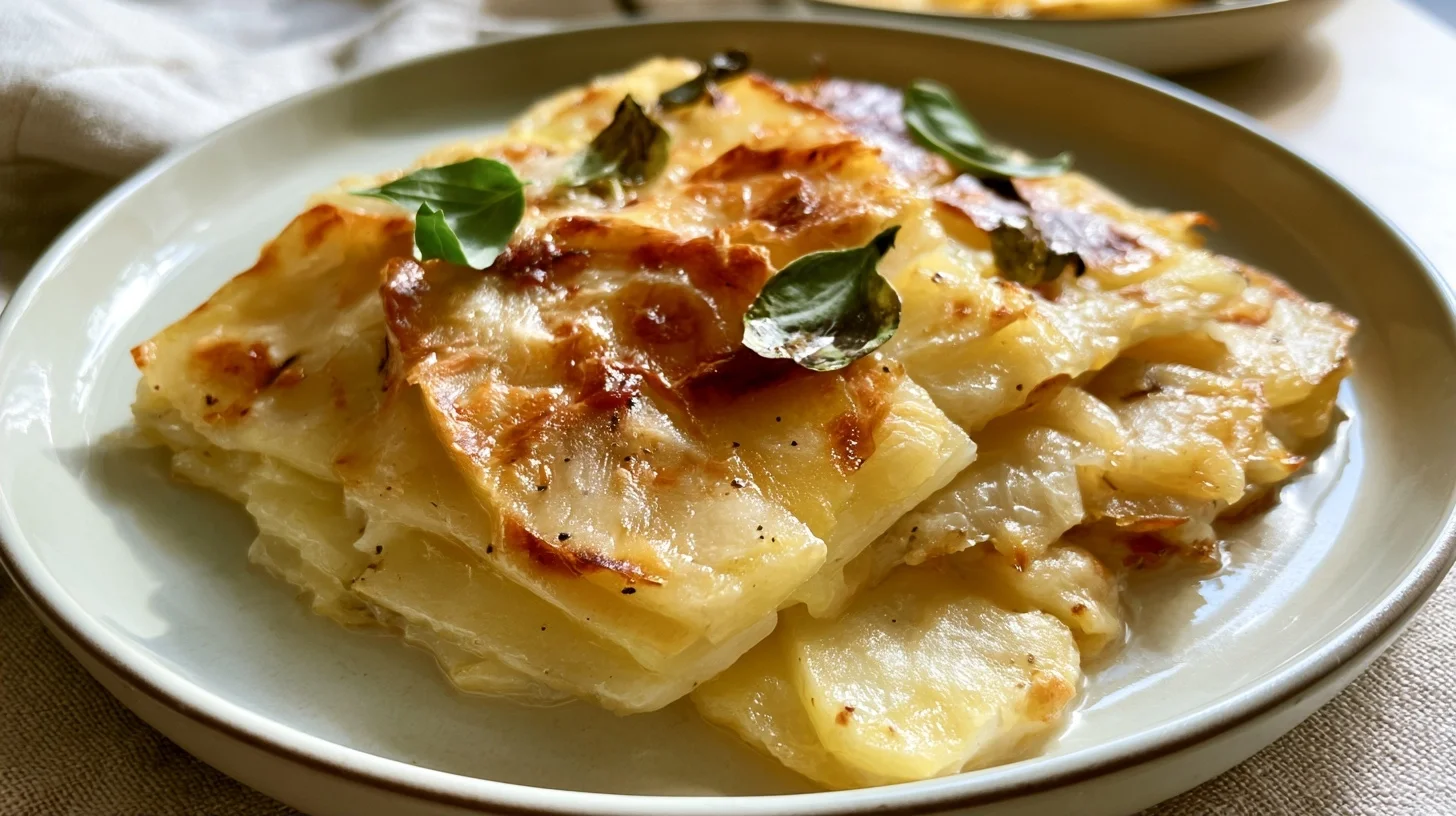
Stanley Tucci Potato Casserole
6
servings15
minutes1
hour285
kcalThis Stanley Tucci-inspired potato casserole combines thinly sliced potatoes, tomato sauce, and melted cheese into a comforting, layered dish. The potatoes soften and absorb the tangy tomato sauce as they bake, while the cheese on top forms a golden, slightly crisp layer. It’s a simple, satisfying recipe that relies on quality ingredients and proper technique rather than complicated steps.
Keep the screen of your device on
Ingredients
2.5 lbs Yukon Gold potatoes
2 cups marinara sauce
2 cups shredded mozzarella cheese
0.5 cup grated Parmesan cheese
2 tablespoons olive oil
3 cloves garlic
1 teaspoon dried oregano
0.5 teaspoon salt
0.25 teaspoon black pepper
2 tablespoons fresh basil
Directions
- Preheat the oven to 375°F and lightly grease a 9×13-inch baking dish with olive oil. This prevents the bottom layer of potatoes from sticking and makes cleanup easier.
- Mix the garlic into the marinara sauce along with the dried oregano, salt, and black pepper. Stirring the seasonings into the sauce now ensures even flavor distribution throughout the casserole.
- Spread a thin layer of the seasoned tomato sauce across the bottom of the prepared baking dish. This creates a flavorful base and prevents the potatoes from sticking.
- Arrange a layer of sliced potatoes in overlapping rows across the sauce. Overlapping helps the layers hold together and ensures even coverage.
- Spoon more tomato sauce over the potato layer, spreading it evenly to coat the slices. Repeat the layering process with the remaining potatoes and sauce, finishing with a layer of sauce on top.
- Cover the baking dish tightly with aluminum foil and bake for 40 minutes. The foil traps steam, which helps the potatoes cook through without drying out.
Notes
- Slicing the potatoes to a uniform thickness of about 1/8 inch ensures they cook evenly, preventing some slices from remaining firm while others become mushy.
- If the cheese browns too quickly, tent the dish loosely with foil during the final baking stage to prevent burning while the potatoes finish cooking.
- Store leftovers in an airtight container in the refrigerator for up to four days. Reheat covered in a 350°F oven for 15 to 20 minutes, removing the foil during the last 5 minutes to re-crisp the cheese.
Nutrition Facts
- Serving Size: 1 g
- Total number of serves: 6
- Calories: 285kcal
- Fat: 9g
- Carbohydrates: 38g
- Fiber: 4g
- Protein: 12g
Did you make this recipe?
Tag @therecipemasterblog on Instagram and hashtag it with #therecipemaster
Like this recipe?
Follow @therecipemasterblog on Pinterest
Follow us on Facebook!
Follow The Recipe Master on Facebook
How to Get Tender, Flavorful Layers Every Time
The key to this casserole’s success lies in understanding how the ingredients interact during baking. The potatoes need time to soften, the tomato sauce needs to concentrate slightly, and the cheese needs to melt and brown without burning. Here’s how to make sure each element works together.
Slice the Potatoes Evenly
Uniform potato slices ensure that every piece cooks through at the same rate. Aim for slices about 1/8 to 1/4 inch thick. If some slices are significantly thicker than others, they’ll remain firm while thinner slices become mushy. A mandoline set to the thinnest setting works well, but if you’re using a knife, take your time to keep the slices as consistent as possible.
Layer the Ingredients Thoughtfully
Start with a thin layer of tomato sauce on the bottom of the baking dish to prevent the potatoes from sticking. Then layer the potato slices in overlapping rows, adding spoonfuls of sauce between each layer. This ensures the sauce distributes evenly and the potatoes absorb flavor as they bake. Finish with a generous layer of cheese on top.
Cover During the First Stage of Baking
Covering the dish with aluminum foil during the initial baking period traps moisture, which helps the potatoes steam and soften. Without this step, the top layer can dry out before the interior layers cook through. After the potatoes are tender, remove the foil to allow the cheese to brown and develop a slightly crisp surface.
Use Quality Tomato Sauce
Since this recipe relies on so few ingredients, the quality of the tomato sauce makes a noticeable difference. A good jarred marinara or a simple homemade tomato sauce with garlic, olive oil, and basil will provide more depth than a plain canned sauce. Stanley Tucci’s approach to Italian cooking emphasizes using ingredients you’d actually want to eat on their own, and that philosophy applies here.
Let the Casserole Rest Before Serving
Allowing the casserole to rest for 10 to 15 minutes after baking helps the layers set. If you cut into it immediately, the sauce will run and the slices won’t hold their shape. This brief resting period makes serving cleaner and allows the flavors to settle.
Common Mistakes and How to Avoid Them
Slicing Potatoes Too Thick
Thick potato slices take longer to cook through, which can result in a casserole that’s still firm in the center even after the cheese on top has browned. This happens because the heat needs more time to penetrate thicker slices. To fix this, slice the potatoes thinner, ideally around 1/8 inch. If you’ve already assembled the casserole and realize the slices are too thick, extend the covered baking time by 10 to 15 minutes and check for tenderness with a fork before removing the foil.
Using Too Much Sauce
While it might seem like more sauce would make the casserole more flavorful, too much liquid prevents the layers from setting and can make the dish watery. The potatoes release moisture as they cook, so the sauce should be just enough to coat the layers without pooling at the bottom of the dish. If you notice excess liquid after baking, let the casserole rest longer before serving, or spoon off any excess sauce before plating.
Not Covering the Dish During Baking
Baking the casserole uncovered from the start exposes the top layer to direct heat, which can cause the cheese to brown before the potatoes are tender. This results in a dish with a beautifully browned top but undercooked interior. Always cover the dish with foil for the first 30 to 40 minutes, then uncover to allow the cheese to brown during the final 15 to 20 minutes.
Skipping the Resting Period
Cutting into the casserole immediately after removing it from the oven causes the layers to collapse and the sauce to run. The resting period allows the starches in the potatoes to firm up slightly, which helps the slices hold their shape. Plan for at least 10 minutes of resting time before serving.
Ways to Adapt This Stanley Tucci Potato Casserole Recipe
Add Fresh Herbs
Chopped fresh basil, oregano, or thyme can be layered between the potatoes and sauce to add aromatic depth. Basil works especially well with tomato and cheese, while oregano brings a more traditional Italian flavor. Add the herbs between the potato layers rather than on top, so they infuse the dish as it bakes.
Use Different Cheeses
While mozzarella is traditional and melts beautifully, you can substitute or combine it with Parmesan, Gruyère, or fontina. Parmesan adds a sharper, saltier flavor and browns more deeply. Gruyère brings a nutty richness that pairs well with potatoes. If using Parmesan, reduce the amount slightly, as it’s more concentrated in flavor.
Make Stanley Tucci Potato Casserole Recipe Dairy-Free
Swap the cheese for a dairy-free mozzarella or skip it entirely and top the casserole with breadcrumbs tossed in olive oil for texture. The breadcrumbs will crisp up during the uncovered baking stage, providing a crunchy contrast to the tender potatoes. Nutritional yeast can also be mixed into the breadcrumbs for a savory, cheesy flavor without dairy.
Add Vegetables
Thinly sliced zucchini, eggplant, or bell peppers can be layered with the potatoes for added texture and flavor. These vegetables release moisture as they cook, so reduce the amount of tomato sauce slightly to compensate. This variation works well if you’re looking to incorporate more vegetables into a comforting casserole.
Nutrition Breakdown for Potato Casserole
This casserole provides a satisfying balance of carbohydrates from the potatoes, protein and fat from the cheese, and vitamins from the tomato sauce. Potatoes are a good source of potassium and vitamin C, while tomatoes contribute lycopene and additional vitamin C. The cheese adds calcium and protein, making this dish more substantial than a simple side.
If you’re looking to reduce calories, use part-skim mozzarella and a lighter hand with the cheese layer. You can also increase the proportion of tomato sauce to potatoes, which adds volume and flavor without significantly increasing calories.
How to Serve Stanley Tucci Potato Casserole Recipe
This casserole works well as a side dish alongside roasted chicken, grilled sausages, or a simple green salad. It’s substantial enough to serve as a vegetarian main course, especially if you add a side of sautéed greens or a crisp salad with a tangy vinaigrette to balance the richness.
For a more complete meal, serve it with crusty bread to soak up any extra tomato sauce. The casserole also pairs well with a light white wine or a medium-bodied red, depending on your preference.
How to Store and Reheat Potato Casserole
Store leftover casserole in an airtight container in the refrigerator for up to four days. The flavors often deepen after a day, as the potatoes continue to absorb the tomato sauce.
To reheat, cover individual portions with a damp paper towel and microwave for 1 to 2 minutes, or reheat the entire dish in a 350°F oven covered with foil for 15 to 20 minutes. The oven method preserves the texture better, especially if you want to re-crisp the cheese on top. For best results, remove the foil during the last 5 minutes of reheating.
This casserole does not freeze well, as the potatoes can become grainy and watery when thawed. If you need to make it ahead, assemble the casserole up to the point of baking, cover tightly, and refrigerate for up to 24 hours. Bake as directed, adding an extra 5 to 10 minutes to account for the chilled ingredients.
Frequently Asked Questions about Stanley Tucci Potato Casserole Recipe
Yes, sweet potatoes work well in this recipe, but they cook faster than regular potatoes and have a sweeter flavor that changes the overall taste. Slice them slightly thicker and reduce the covered baking time by 5 to 10 minutes to prevent them from becoming mushy.
No, you don’t need to peel the potatoes. Leaving the skins on adds texture and nutrients, and they soften during baking. If you prefer a smoother texture or are using potatoes with thicker skins, peeling is optional.
Yes, you can assemble the casserole up to 24 hours in advance and refrigerate it covered. Bake it directly from the fridge, adding 5 to 10 extra minutes to the covered baking time to account for the cold ingredients.
Yukon Gold potatoes are ideal because they hold their shape well and have a naturally creamy texture. Russet potatoes also work but can become slightly more mealy. Avoid waxy potatoes like red potatoes, as they don’t absorb the sauce as effectively.





Leave a Reply