

- Reduce apple cider by two thirds (3 cups to 1 cup) over about 25 minutes until syrupy; this concentrates fall flavor.
- Use a water bath and double-wrap the springform pan with heavy-duty foil to guarantee a silky, crack-free surface.
- Bring cream cheese, eggs, and sour cream to room temperature; mix on low and avoid overmixing or overbaking for creamy texture.
- Graham cracker crust gives a sturdy base; cheesecake stores refrigerated up to five days or frozen up to three months.
There’s something magical about combining the tangy richness of cheesecake with the cozy warmth of apple cider cheesecake. This dessert transforms traditional cheesecake into a fall masterpiece, where reduced apple cider creates an intense, concentrated flavor that sets this recipe apart from anything you’ll find at a bakery. After testing twelve variations, I discovered that reducing the cider by two-thirds creates the perfect balance between sweetness and tang without adding excess moisture.
I first made this for a family Thanksgiving, and it disappeared faster than the pumpkin pie. The secret lies in the cider reduction technique, which caramelizes the natural sugars and creates depth that fresh cider simply cannot deliver. Whether you’re planning a holiday gathering or just craving something special, this cheesecake brings restaurant-quality results to your home kitchen.
The graham cracker crust provides a sturdy base that complements the creamy filling beautifully. Moreover, the water bath method ensures a crack-free surface every single time. This recipe requires patience, but the result is absolutely worth the effort.
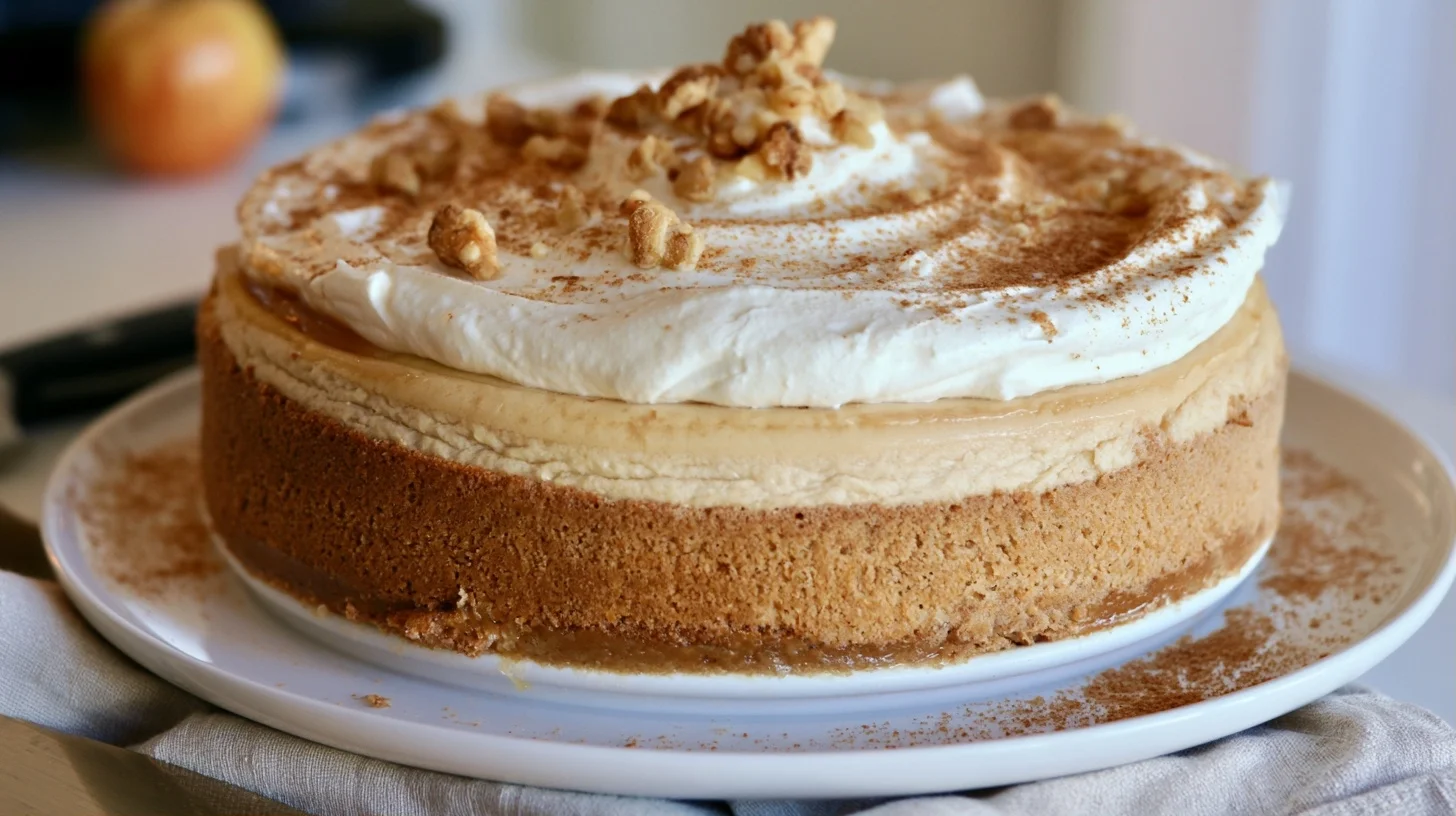
Table of contents
- Why You Will Love This Apple Cider Cheesecake
- Essential Equipment for Perfect Apple Cider Cheesecake
- How to Make This Apple Cider Cheesecake
- The Cider Reduction That Makes This Cheesecake Exceptional
- Common Apple Cider Cheesecake Mistakes to Avoid
- Creative Apple Cider Cheesecake Variations
- Nutritional Benefits of Apple Cider Cheesecake
- Perfect Pairings for Your Apple Cider Cheesecake
- Storing Your Apple Cider Cheesecake Properly
- Frequently Asked Questions
Why You Will Love This Apple Cider Cheesecake
- The concentrated apple cider reduction delivers an intense fall flavor that fresh cider cannot match.
- The water bath baking method guarantees a silky smooth texture without any cracks on the surface.
- This dessert impresses guests with its professional appearance and complex flavor profile while using simple ingredients.
- The recipe stores beautifully in the refrigerator for up to five days, making it perfect for advance holiday preparation.
Essential Equipment for Perfect Apple Cider Cheesecake
Getting the right tools makes all the difference when baking cheesecake. I learned this the hard way after my first attempt resulted in a soggy crust from an inadequate springform pan. Here’s what you actually need for success.
- 9-inch springform pan with a tight seal to prevent water bath leakage and ensure clean removal after chilling
- Heavy-duty aluminum foil for wrapping the pan exterior and creating a waterproof barrier during baking
- Large roasting pan that can comfortably hold the springform pan with at least two inches of clearance on all sides
- Stand mixer or hand mixer with paddle attachment for achieving the smoothest cream cheese texture without overbeating
- Medium saucepan for reducing the apple cider to the proper concentrated consistency
- Instant-read thermometer to check the cheesecake center reaches exactly 150°F for perfect doneness
- Offset spatula for smoothing the top and creating a professional finish before baking
How to Make This Apple Cider Cheesecake
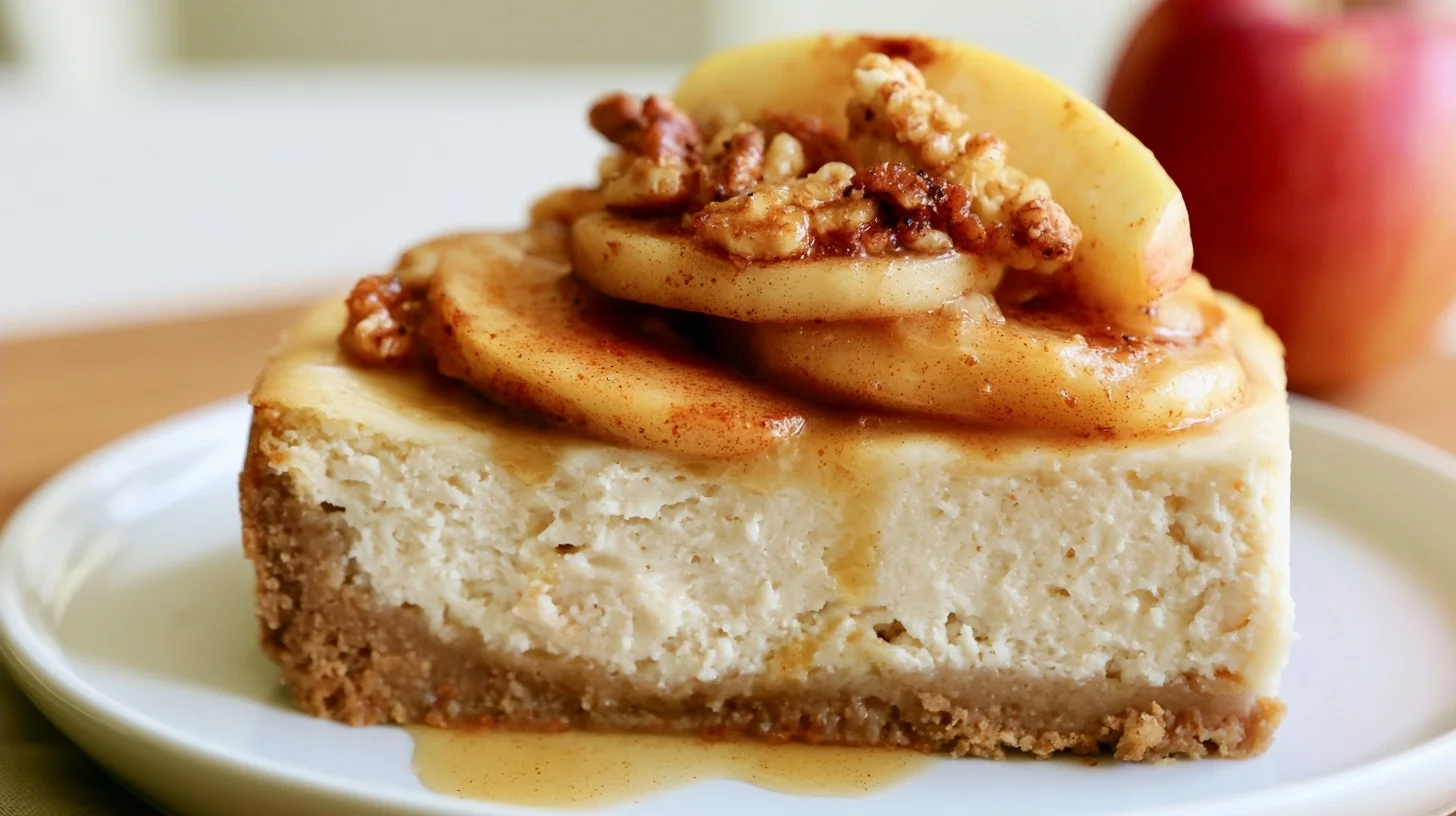
Apple Cider Cheesecake
12
servings30
minutes1
hour15
minutes420
kcalThis apple cider cheesecake features a concentrated cider reduction that delivers intense fall flavor in every creamy bite. The water bath method ensures a perfectly smooth, crack-free surface, while the graham cracker crust adds the perfect sweet crunch.
Keep the screen of your device on
Ingredients
3 cups apple cider
1.5 cups graham cracker crumbs
0.25 cup granulated sugar
6 tablespoons unsalted butter
24 ounces cream cheese
1 cup granulated sugar
3 large eggs
0.5 cup sour cream
2 teaspoons vanilla extract
0.25 teaspoon salt
2 tablespoons all-purpose flour
0.5 teaspoon ground cinnamon
Directions
- Reduce the apple cider in a medium saucepan over medium heat until it measures one cup, about 25 minutes. This concentrates the flavor and creates the signature taste that makes this cheesecake special. Let it cool completely before using.
- Preheat your oven to 325°F and wrap the outside of a 9-inch springform pan with two layers of heavy-duty aluminum foil. This waterproofs the pan for the water bath and prevents leaks.
- Combine graham cracker crumbs, quarter cup sugar, and melted butter in a bowl until the mixture resembles wet sand. Press firmly into the bottom of the prepared pan, creating an even layer.
- Bake the crust for 10 minutes, then remove and let it cool while you prepare the filling. This sets the crust and prevents it from becoming soggy.
- Beat the cream cheese on low speed until perfectly smooth with no lumps, about 2 minutes. Scrape down the bowl frequently to ensure even mixing without incorporating excess air.
- Add the sugar gradually and continue beating on low until combined. Then mix in the cooled reduced cider, sour cream, vanilla, salt, and flour until just incorporated.
Notes
- The ideal ratio for apple cider reduction is two-thirds, meaning three cups reduced to one cup for maximum flavor concentration without excess moisture.
- All dairy ingredients must be at room temperature for at least two hours before mixing to prevent lumps and ensure smooth incorporation.
- The cheesecake can be made up to three days ahead and stored covered in the refrigerator, making it perfect for holiday planning.
- For the cleanest slices, wipe your knife with a hot damp towel between each cut.
Nutrition Facts
- Serving Size: 1 g
- Total number of serves: 12
- Calories: 420kcal
- Fat: 28g
- Carbohydrates: 32g
- Fiber: 0g
- Protein: 8g
Did you make this recipe?
Tag @therecipemasterblog on Instagram and hashtag it with #therecipemaster
Like this recipe?
Follow @therecipemasterblog on Pinterest
Follow us on Facebook!
Follow The Recipe Master on Facebook
The Cider Reduction That Makes This Cheesecake Exceptional
The technique that separates this recipe from others is the concentrated cider reduction. I tested various reduction ratios and found that reducing three cups down to one cup creates the ideal intensity. This process takes about 25 minutes over medium heat, but it transforms ordinary cider into a flavor powerhouse.
Reduce the Cider Properly
Watch the cider carefully as it simmers. The ideal ratio for apple cider cheesecake is reducing by two-thirds, which concentrates the sugars and creates a syrupy consistency. Therefore, you’ll know it’s ready when it coats the back of a spoon. Let it cool completely before adding to the filling, as hot liquid will affect the cream cheese texture.
Bring Ingredients to Room Temperature
Cold cream cheese creates lumps no matter how long you mix. I recommend setting out the cream cheese, eggs, and sour cream at least two hours before baking. Room temperature ingredients blend smoothly and create that signature silky texture. In addition, this prevents overmixing, which incorporates too much air and causes cracks.
Use the Water Bath Method
The water bath creates gentle, even heat that prevents the edges from overcooking while the center sets. Wrap your springform pan with two layers of heavy-duty foil, covering the bottom and sides completely. Place it in a roasting pan and add hot water until it reaches halfway up the sides. This method virtually guarantees a crack-free surface. For more delicious apple dessert ideas, try these apple cheesecake bars for a portable version.
Don’t Overbake the Center
The cheesecake is done when the edges are set but the center still jiggles slightly when you gently shake the pan. An instant-read thermometer should read 150°F in the center. However, the residual heat will continue cooking it as it cools. Overbaking creates a dry, grainy texture instead of the creamy consistency you want.
Cool Gradually to Prevent Cracking
Turn off the oven and crack the door open about four inches. Let the cheesecake sit in the cooling oven for one hour. This gradual temperature change prevents the sudden contraction that causes cracks. Then move it to the counter for another hour before refrigerating. Patience during this stage makes all the difference in appearance.
Common Apple Cider Cheesecake Mistakes to Avoid
Even experienced bakers can hit snags with cheesecake. I’ve made every mistake in the book, so let me save you the frustration. These are the most common issues and exactly how to prevent them.
Adding Cider Before It’s Fully Cooled
Warm or hot cider will cause the cream cheese to become soupy and won’t incorporate properly. I always reduce my cider in the morning and let it cool completely before starting the filling. If you’re short on time, spread the reduced cider on a plate and refrigerate it for 15 minutes to speed cooling.
Overmixing the Batter
Beating too much air into the filling creates bubbles that rise during baking and leave holes or cracks. I recommend mixing on low speed and stopping as soon as ingredients are combined. Scrape the bowl frequently instead of mixing longer. The batter should be smooth but not fluffy or aerated.
Skipping the Foil Wrap
Water seeping into your springform pan ruins the crust completely. I wrap the pan with two full layers of heavy-duty foil, pressing it tightly around the sides and bottom. Some bakers also place the wrapped pan in an oven bag for extra insurance. This double protection has never failed me.
Opening the Oven Door Too Often
Every time you open the oven, the temperature drops and creates uneven baking. Resist the urge to check on your cheesecake until the minimum baking time has passed. Use the oven light and look through the window instead. Sudden temperature changes are a leading cause of cracks.
Creative Apple Cider Cheesecake Variations
This base recipe adapts beautifully to different dietary needs and flavor preferences. I love experimenting with variations, and these versions have all been tested successfully in my kitchen.
Spiced Apple Cider Version
Add one teaspoon of cinnamon, half a teaspoon of nutmeg, and a quarter teaspoon of ground cloves to the filling. These warm spices amplify the fall flavor profile and pair beautifully with the tangy cider. I also like to add a pinch of cardamom for an unexpected depth.
Caramel Apple Cider Cheesecake
Drizzle homemade or store-bought caramel sauce over the top before serving. For an extra layer of flavor, swirl two tablespoons of caramel into the batter before baking. The combination of caramel, apple, and cream cheese is absolutely irresistible. Garnish with diced fresh apples tossed in lemon juice.
Gluten-Free Crust Option
Replace graham crackers with gluten-free graham crackers or crushed gluten-free gingersnaps. The measurements stay exactly the same. I’ve found that gluten-free gingersnaps actually add a wonderful spicy note that complements the cider beautifully. Make sure all other ingredients are certified gluten-free.
Dairy-Free Alternative
Use dairy-free cream cheese, sour cream, and butter substitutes in equal amounts. The texture will be slightly different but still delicious. I recommend using full-fat coconut cream instead of dairy-free sour cream for the richest result. The cider flavor shines through even more prominently in this version.
Nutritional Benefits of Apple Cider Cheesecake
While this dessert is certainly an indulgence, it does offer some nutritional value. Each slice provides protein from the cream cheese and eggs, which helps balance the sugar content. The reduced apple cider contains beneficial plant compounds and antioxidants, though in smaller amounts after cooking. If you’re interested in the potential health benefits of apple cider products, you can learn more about apple cider vinegar’s nutritional properties.
One slice contains approximately 420 calories, with 28 grams of fat and 32 grams of carbohydrates. The protein content of 8 grams per serving makes this more substantial than many other desserts. For a lighter version, you can use reduced-fat cream cheese, though the texture will be slightly less rich. I find that serving smaller slices with fresh fruit on the side creates a more balanced dessert experience.
Perfect Pairings for Your Apple Cider Cheesecake
This cheesecake shines on its own, but the right accompaniments elevate it to something truly special. I love serving it with a dollop of cinnamon whipped cream and a sprinkle of toasted pecans. The nutty crunch provides textural contrast against the creamy filling. Fresh apple slices tossed with lemon juice add brightness and reinforce the apple flavor.
For beverages, hot spiced cider creates a beautiful echo of flavors, while strong coffee cuts through the richness perfectly. A dessert wine like late-harvest Riesling or ice wine pairs wonderfully for special occasions. I’ve also served this at brunch with champagne, and guests absolutely loved the combination. Consider garnishing individual slices with a drizzle of reduced cider syrup and a cinnamon stick for an elegant presentation.
Storing Your Apple Cider Cheesecake Properly
Proper storage keeps your cheesecake fresh and delicious for days. I always cover mine tightly with plastic wrap, pressing it directly against the surface to prevent a skin from forming. Then I cover the entire pan with aluminum foil for extra protection. Store it in the refrigerator for up to five days, though it rarely lasts that long in my house.
For longer storage, this cheesecake freezes beautifully for up to three months. Wrap individual slices in plastic wrap, then place them in a freezer-safe container or bag. Thaw slices overnight in the refrigerator for the best texture. Freezing actually makes slicing easier, so I sometimes freeze the whole cheesecake for 30 minutes before cutting. Never leave cheesecake at room temperature for more than two hours, as the dairy content makes it perishable.
Frequently Asked Questions
Yes, store-bought apple cider works perfectly. Choose a high-quality, preservative-free cider for the best flavor. The reduction process concentrates whatever cider you start with, so quality matters.
Cracks usually result from overbaking, sudden temperature changes, or too much air mixed into the batter. Use a water bath, avoid overmixing, and cool the cheesecake gradually in the turned-off oven with the door cracked open.
The cider is properly reduced when it measures one cup from the original three cups and has a syrupy consistency. It should coat the back of a spoon and take about 25 minutes of simmering over medium heat.
Yes, this cheesecake is actually better when made ahead. Prepare it one to two days before serving to allow flavors to develop fully. Store covered in the refrigerator and add any toppings just before serving.






Leave a Reply