

This soba noodles recipe delivers hot buckwheat noodles in a savory dashi broth with tender vegetables and a soft boiled egg. The noodles cook in 4 to 5 minutes and stay firm without turning mushy.
The entire soba noodles recipe takes 20 minutes from start to finish and serves 4. The broth temperature and noodle rinsing technique determine whether the noodles stay separate or clump. Leftovers keep for 2 days in the refrigerator when stored separately from the broth.
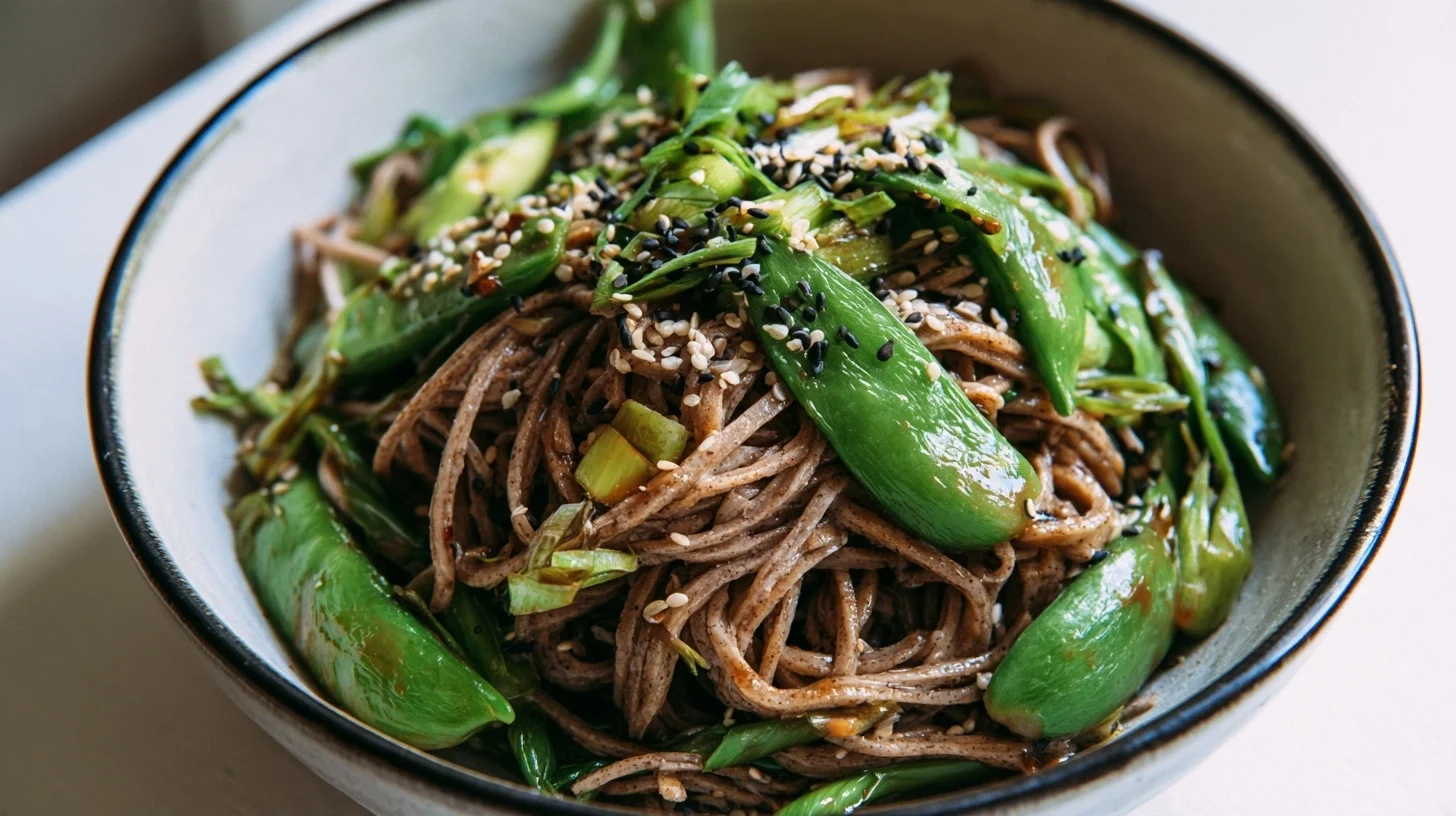
Table of contents
Why This Soba Noodles Recipe Works
- Rinsing the cooked noodles under cold water stops the cooking and removes excess starch that causes clumping.
- Heating the dashi broth to 180°F keeps the noodles hot without overcooking them when you pour it over.
- The 6 minute soft boiled eggs give you a jammy yolk that enriches the broth as you eat.
Hot Soba Noodles Recipe
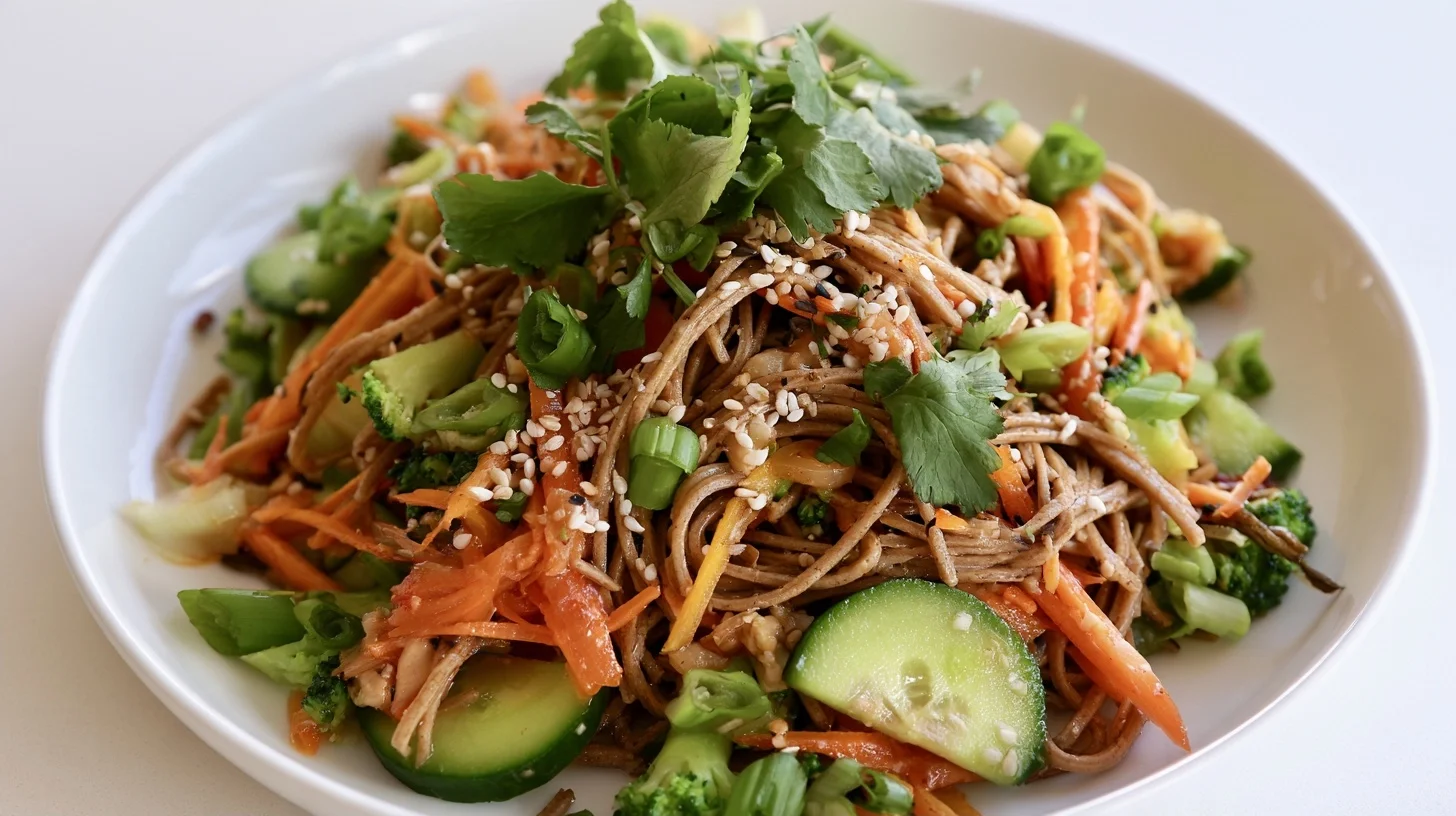
Soba Noodles Recipe
4
servings10
minutes10
minutes320
kcalThis soba noodles recipe features hot buckwheat noodles in a savory dashi broth with shiitake mushrooms, bok choy, and soft boiled eggs. The dish takes 20 minutes from start to finish and serves 4, with the noodle rinsing step ensuring they stay firm and separate.
Keep the screen of your device on
Ingredients
8 ounces dried soba noodles
4 cups dashi broth
3 tablespoons soy sauce
2 tablespoons mirin
4 ounces shiitake mushrooms
2 cups bok choy
4 large eggs
2 green onions green onions
1 teaspoon sesame seeds
Directions
- Bring 8 cups of water to a boil in a large pot over high heat. Add the eggs carefully and cook for 6 minutes for jammy yolks. Transfer the eggs to an ice bath and let them sit for 3 minutes, then peel and set aside.
- Bring the water back to a boil and add the soba noodles. Stir once to separate them. Cook for 4 to 5 minutes until the noodles bend easily when lifted with tongs but still have a slight chew.
- Drain the noodles in a colander and rinse immediately under cold running water for 30 seconds, tossing with your hands. This removes the surface starch and stops the cooking. Set the noodles aside.
- Heat the dashi broth in a medium saucepan over medium heat. Add the soy sauce and mirin. Bring the broth to 180°F, about 3 minutes. The surface will shimmer but not bubble.
- Add the mushrooms and bok choy to the broth and simmer for 2 minutes until the bok choy wilts and the mushrooms soften. Keep the heat at medium to avoid boiling.
- Divide the noodles among 4 bowls. Ladle the hot broth and vegetables over the noodles. Halve each egg and place 2 halves in each bowl. Top with green onions and sesame seeds and serve immediately while the broth is hot.
Notes
- Rinsing the cooked soba noodles under cold water for 30 seconds removes the surface starch that causes clumping and keeps them firm.
- If the noodles turn mushy, they cooked too long or sat in boiling broth. Drain them at 5 minutes and rinse immediately to stop the cooking.
- Store the noodles and broth separately in airtight containers in the refrigerator for up to 2 days. Substitute tamari for soy sauce to make the dish gluten free if using 100 percent buckwheat noodles.
Nutrition Facts
- Serving Size: 1 g
- Total number of serves: 4
- Calories: 320kcal
- Fat: 8g
- Carbohydrates: 48g
- Fiber: 3g
- Protein: 16g
Did you make this recipe?
Tag @therecipemasterblog on Instagram and hashtag it with #therecipemaster
Like this recipe?
Follow @therecipemasterblog on Pinterest
Follow us on Facebook!
Follow The Recipe Master on Facebook
This recipe for soba noodles includes ingredient swaps for the dashi and soy sauce, plus fixes for mushy or clumped noodles below.
Key Ingredients and Substitutions
These ingredients control the texture and flavor of the finished soba noodles recipe.
- Dried soba noodles: Made from buckwheat flour, they cook faster than wheat noodles and have a nutty flavor. Substitute whole wheat spaghetti for a milder taste, but increase the cooking time to 8 minutes.
- Dashi broth: This Japanese stock made from kombu and bonito flakes gives the soup its umami base. Use vegetable broth with 1 teaspoon of soy sauce added if dashi is unavailable, though the flavor will be less complex.
- Soy sauce: Adds salt and depth to the broth. Tamari works as a gluten free substitute with no change in flavor, while coconut aminos make the broth slightly sweeter.
- Mirin: This sweet rice wine balances the salty soy sauce. Replace it with 1 tablespoon of rice vinegar plus 1 teaspoon of sugar if needed.
- Shiitake mushrooms: They add earthy flavor and hold their shape in the hot broth. Button mushrooms work but turn softer and have less flavor.
- Bok choy: The leaves wilt quickly in the broth while the stems stay crisp. Spinach or napa cabbage can replace it, but spinach wilts faster and napa cabbage needs an extra minute to soften.
How to Get Soba Noodles Right
These steps prevent the most common problems with this soba noodles recipe.
- Boil the noodles in plenty of water: Use 8 cups of water for 8 ounces of noodles. Less water drops the temperature too much when you add the noodles, and they cook unevenly.
- Stir once right after adding the noodles: This keeps them from sticking to the bottom of the pot. Stirring too often breaks the noodles.
- Rinse immediately after draining: Run cold water over the noodles for 30 seconds to wash away the surface starch. Skip this and the noodles turn gummy within minutes.
- Heat the broth to 180°F before serving: At this temperature the broth warms the noodles without overcooking them. Boiling broth turns the noodles mushy.
- Divide the noodles into bowls first: Pour the hot broth over the noodles in each bowl rather than mixing everything in one pot. This keeps the noodles from soaking up too much liquid before serving.
Why Are My Noodles Mushy?
The noodles turn mushy when they cook past 5 minutes or sit in boiling broth. Drain them as soon as they bend easily when lifted with tongs. Rinse them under cold water right away to stop the cooking. If the noodles are already mushy, drain them and use them in a stir fry instead of soup.
Why Do the Noodles Clump Together?
Noodles clump when the surface starch is not rinsed off after cooking. The starch acts like glue as the noodles cool. Rinse the drained noodles under cold running water for 30 seconds, tossing them with your hands. If they have already clumped, run them under warm water and gently separate them with your fingers.
Why Is the Broth Too Salty?
The broth tastes too salty when the soy sauce exceeds 3 tablespoons for 4 cups of dashi. Measure the soy sauce carefully and taste the broth before pouring it over the noodles. If it is already too salty, add 1 cup of unsalted dashi or water and 1 teaspoon of mirin to balance it.
Variations on Hot Soba Noodles
Cold Soba Noodles
Cook and rinse the noodles as directed, then chill them in the refrigerator for 30 minutes. Serve them on a plate with a small bowl of dipping sauce made from 1/4 cup soy sauce, 1/4 cup dashi, and 1 tablespoon mirin. The noodles stay firmer when served cold.
Soba Noodles with Tempura
Top each bowl with 2 pieces of shrimp or vegetable tempura instead of the soft boiled egg. The crispy coating softens slightly in the broth. Add the tempura right before serving so it stays as crisp as possible.
Spicy Soba Noodles
Stir 1 to 2 teaspoons of chili oil or togarashi into the broth before pouring it over the noodles. Start with 1 teaspoon and add more after tasting. The heat builds as you eat.
What to Serve With Soba Noodles
Soba noodles pair well with hibachi style vegetables as a side, or with edamame sprinkled with sea salt as a starter. Serve pickled ginger or cucumber salad on the side to cut the richness of the broth. Green tea complements the earthy buckwheat flavor.
How to Store and Reheat Soba Noodles
Store the cooked noodles and broth in separate airtight containers in the refrigerator for up to 2 days. The noodles absorb liquid and turn soft if stored together. Reheat the broth in a saucepan over medium heat until it reaches 180°F, about 3 minutes. Pour the hot broth over the cold noodles to warm them. Do not freeze soba noodles, as they turn grainy and break apart when thawed.
For make ahead meals, cook the noodles and prepare the broth up to 1 day in advance. Store them separately and assemble the bowls right before serving. The history of soba noodles traces back centuries in Japan, where they were traditionally served on New Year’s Eve for long life.
Soba Noodles FAQs
Yes. Fresh soba noodles cook in 2 to 3 minutes instead of 4 to 5. Watch them closely and drain as soon as they bend easily.
Yes. Rinsing removes the surface starch that makes soba noodles sticky. Run cold water over them for 30 seconds right after draining.
Simmer 4 cups of water with a 4 inch piece of kombu for 10 minutes. Remove the kombu, add 1 cup of bonito flakes, and steep for 5 minutes. Strain before using.
Not always. Pure buckwheat soba is gluten free, but most brands mix buckwheat with wheat flour. Check the label for 100 percent buckwheat if you need gluten free noodles.





Leave a Reply