

- Drain canned pumpkin puree for about two tablespoons to prevent gummy, sinking centers and achieve a clean slice and domed top.
- Use room temperature eggs and dairy and mix only until just combined to ensure smooth emulsification and a tender, light crumb.
- Check doneness by toothpick with moist crumbs and 200 to 205°F internal temperature; avoid opening the oven early and tent with foil if needed.
There’s something deeply comforting about the aroma of pumpkin loaf baking in your kitchen on a cool autumn morning. This tender, spiced quick bread balances the natural sweetness of pumpkin with warm cinnamon and nutmeg, creating a moist crumb that stays soft for days. Unlike dense pumpkin breads that rely heavily on oil, this version uses just enough fat to keep the texture light while letting the pumpkin flavor shine through.
The key to exceptional pumpkin loaf is using pumpkin puree that’s been properly drained. Excess moisture is the most common reason pumpkin baked goods turn out gummy or sink in the center. By removing just two tablespoons of liquid from canned puree, you’ll achieve a loaf that slices cleanly and develops a beautiful domed top.
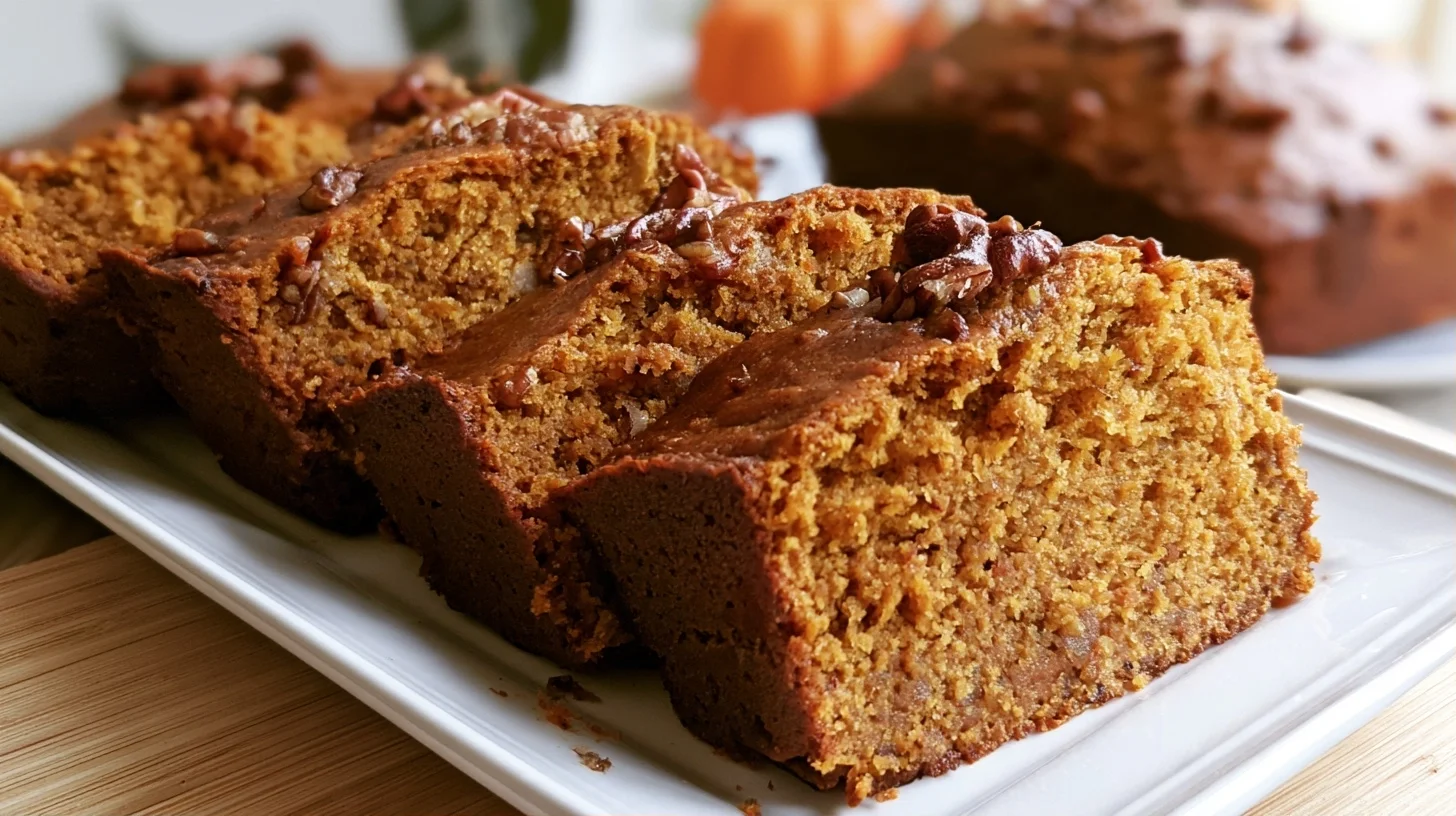
Table of contents
- Why You Will Love This Pumpkin Loaf
- What You Need to Make Perfect Pumpkin Loaf
- How to Make Moist Pumpkin Loaf Every Time
- Essential Tips for Better Pumpkin Loaf
- Common Pumpkin Loaf Mistakes and How to Fix Them
- Ways to Customize Your Pumpkin Loaf
- Nutrition in Every Slice of Pumpkin Loaf
- How to Serve Pumpkin Loaf
- How to Store Pumpkin Loaf for Maximum Freshness
- Frequently Asked Questions
Why You Will Love This Pumpkin Loaf
- The texture stays moist for up to five days without becoming soggy or dense.
- You can mix the entire batter in one bowl without any special equipment.
- The spice blend is balanced enough to complement rather than overpower the pumpkin.
- It works equally well as a breakfast bread or an afternoon dessert.
What You Need to Make Perfect Pumpkin Loaf
This recipe requires minimal equipment, most of which you likely already have in your kitchen. The right tools make mixing easier and help you achieve consistent results every time.
- 9×5-inch loaf pan: Standard metal pans conduct heat more evenly than glass, which helps prevent overbrowning on the edges before the center cooks through.
- Large mixing bowl: You’ll need enough room to fold the wet and dry ingredients together without flour flying everywhere.
- Whisk and wooden spoon: The whisk aerates the dry ingredients, while the wooden spoon prevents overmixing when you combine everything.
- Fine-mesh strainer: Essential for draining excess liquid from the pumpkin puree, which prevents a gummy texture.
- Toothpick or cake tester: The most reliable way to check doneness without cutting into the loaf prematurely.
How to Make Moist Pumpkin Loaf Every Time
Pumpkin Loaf
10
servings15
minutes1
hour220
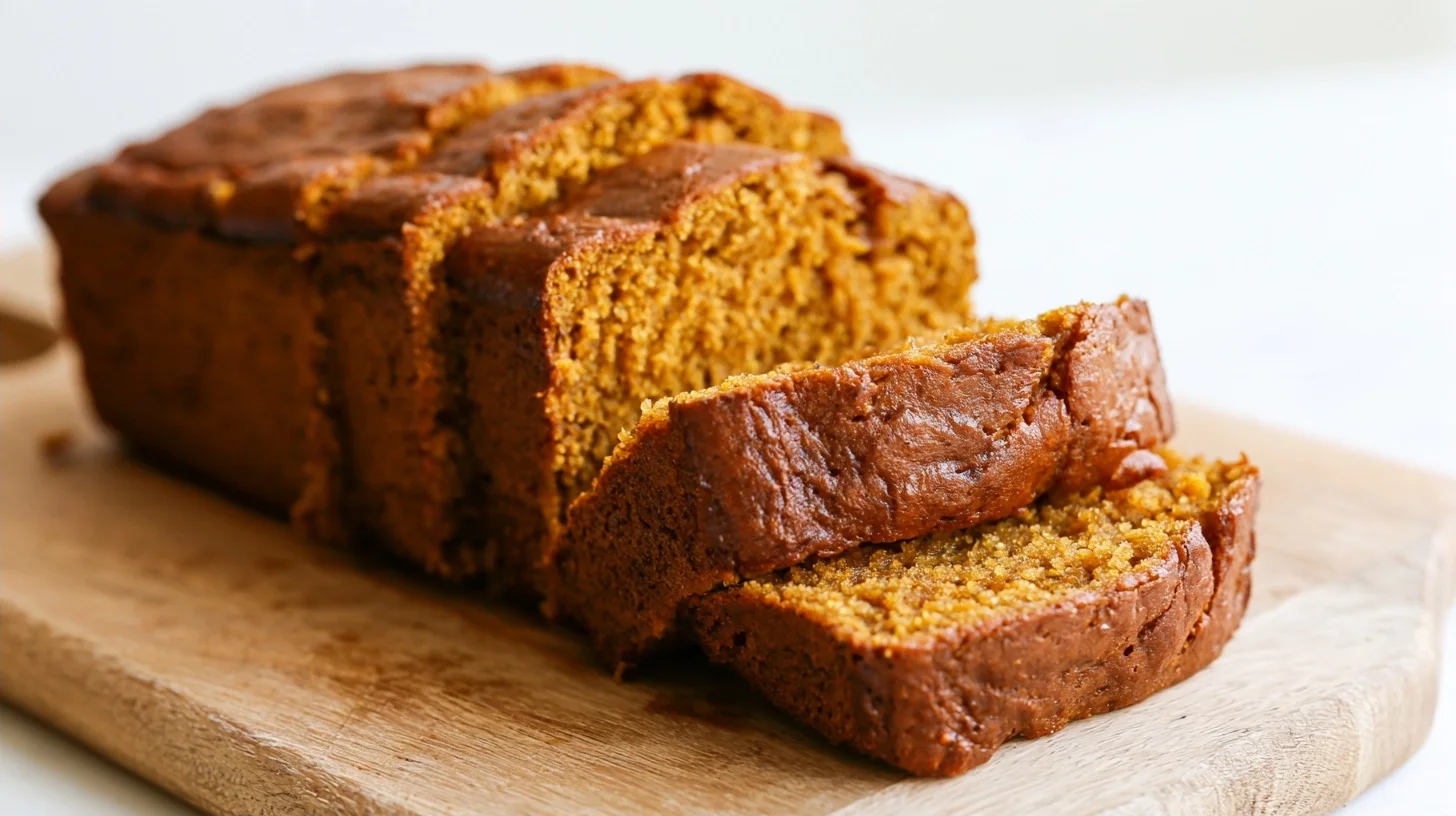
kcalThis pumpkin loaf combines the natural sweetness of pumpkin with warm spices to create a tender quick bread that stays moist for days. Draining the pumpkin puree before mixing prevents the gummy texture that often plagues pumpkin baked goods. The straightforward one-bowl method makes it easy enough for a weekday breakfast yet impressive enough to serve guests.
Keep the screen of your device on
Ingredients
1.75 cups all-purpose flour
1 teaspoon baking soda
0.5 teaspoon salt
1.5 teaspoons ground cinnamon
0.5 teaspoon ground nutmeg
0.25 teaspoon ground ginger
1.5 cups pumpkin puree
1 cup granulated sugar
0.5 cup vegetable oil
2 large eggs
0.25 cup milk
1 teaspoon vanilla extract
Directions
- Preheat your oven to 350°F and grease a 9×5-inch loaf pan with butter or nonstick spray, then lightly dust it with flour. This prevents sticking and makes removing the finished loaf much easier.
- Place the pumpkin puree in a fine-mesh strainer set over a bowl and let it drain for 15 minutes. You should remove about two tablespoons of liquid, which prevents the loaf from becoming gummy in the center.
- Whisk together the flour, baking soda, salt, cinnamon, nutmeg, and ginger in a large bowl until the spices are evenly distributed throughout the flour. This ensures every bite has balanced flavor.
- Combine the drained pumpkin, sugar, oil, eggs, milk, and vanilla in a separate bowl and whisk until smooth and fully blended. The mixture should look uniform with no streaks of egg.
- Pour the wet ingredients into the dry ingredients and fold them together with a wooden spoon or spatula just until no dry flour remains visible. A few small lumps are fine and will disappear during baking.
- Transfer the batter to the prepared loaf pan and smooth the top with a spatula. Tap the pan gently on the counter twice to release any large air bubbles.
Notes
- Draining canned pumpkin puree for 15 minutes removes about two tablespoons of liquid, which prevents the loaf from developing a gummy texture in the center.
- Room temperature eggs and milk emulsify more smoothly with the oil and sugar, creating a more uniform batter that bakes evenly.
- Store the cooled loaf wrapped tightly in plastic wrap at room temperature for up to three days, or refrigerate for up to five days. For longer storage, wrap it in plastic wrap and then foil and freeze for up to three months.
Nutrition Facts
- Serving Size: 1 g
- Total number of serves: 10
- Calories: 220kcal
- Fat: 9g
- Carbohydrates: 32g
- Fiber: 2g
- Protein: 3g
Did you make this recipe?
Tag @therecipemasterblog on Instagram and hashtag it with #therecipemaster
Like this recipe?
Follow @therecipemasterblog on Pinterest
Follow us on Facebook!
Follow The Recipe Master on Facebook
Essential Tips for Better Pumpkin Loaf
The difference between a mediocre pumpkin loaf and an outstanding one often comes down to a few small adjustments in technique. These tips address the most common issues home bakers encounter and explain why each step matters.
Drain Your Pumpkin Puree First
Canned pumpkin puree contains more liquid than you need for optimal texture. Choosing the right pumpkin product matters, but even high-quality puree benefits from draining. Place the puree in a fine-mesh strainer over a bowl for 15 minutes and let gravity do the work. You should remove about two tablespoons of liquid. This small step prevents the center from staying gummy even after the edges are fully baked.
Mix Until Just Combined
Overmixing develops gluten strands that make the crumb tough and chewy rather than tender. Once you add the flour mixture to the wet ingredients, stir only until no dry streaks remain. A few small lumps are perfectly fine and will disappear during baking. The batter should look thick and slightly rough, not smooth and elastic.
Use Room Temperature Ingredients
Cold eggs and milk don’t emulsify as smoothly with the sugar and oil, which can create pockets of unincorporated fat in the finished loaf. Set your eggs and any dairy on the counter for 30 minutes before you start mixing. If you forget, place whole eggs in a bowl of warm tap water for five minutes to take the chill off.
Check Doneness with Multiple Tests
Pumpkin loaf can look done on the outside while remaining underbaked in the center. Insert a toothpick into the deepest part of the loaf, about one inch from the center. It should come out with just a few moist crumbs clinging to it, not wet batter. The top should spring back lightly when pressed, and the edges should just begin pulling away from the pan sides.
Common Pumpkin Loaf Mistakes and How to Fix Them
The Center Sinks After Cooling
A collapsed center usually means the loaf was underbaked, even if the surface looked golden. Pumpkin’s moisture content makes it harder to judge doneness by appearance alone. The internal temperature should reach 200°F to 205°F when fully baked. If your loaf consistently sinks, extend the baking time by five minutes and tent the top with foil if it’s browning too quickly. Another cause is opening the oven door too early, which allows heat to escape and disrupts the rising process. Wait until at least 45 minutes have passed before checking.
The Texture Is Dense and Gummy
This happens when the batter contains too much liquid or the flour wasn’t measured correctly. Scooping flour directly from the bag compacts it, giving you up to 25% more flour by volume than the recipe intends. Instead, spoon flour into your measuring cup and level it with a straight edge. If you’ve already mixed the batter and it looks soupy, you can gently fold in an additional two tablespoons of flour. For future loaves, always drain the pumpkin puree first.
The Top Cracks Deeply
A single crack down the center is normal and desirable for quick breads, but multiple jagged cracks usually indicate the oven temperature is too high. The exterior sets and browns before the interior finishes rising, causing the batter to burst through weak spots. Verify your oven temperature with an oven thermometer, as many home ovens run 25°F hotter than the dial indicates. Baking at 325°F instead of 350°F gives the loaf more time to rise evenly before the crust hardens.
The Spices Taste Harsh or Bitter
Ground spices lose potency and develop off flavors after about six months in your pantry. Old cinnamon and nutmeg can taste dusty or bitter rather than warm and aromatic. Replace your spices at the start of each baking season for the best flavor. If you accidentally add too much spice, you can’t remove it, but you can balance it by brushing the cooled loaf with a simple glaze made from powdered sugar and milk, which adds sweetness that mellows the sharpness.
Ways to Customize Your Pumpkin Loaf
Add Chocolate Chips
Fold in three-quarters of a cup of semi-sweet or dark chocolate chips just before pouring the batter into the pan. Chocolate chip pumpkin bread creates a dessert-forward version that pairs especially well with coffee. Toss the chips in a teaspoon of flour before adding them to prevent them from sinking to the bottom during baking.
Make It Gluten-Free
Replace the all-purpose flour with a 1:1 gluten-free baking blend that contains xanthan gum. Blends without xanthan gum will produce a crumbly loaf that doesn’t hold together well. The texture will be slightly more tender and the crumb a bit tighter than the wheat version, but the flavor remains identical. Let the batter rest for 10 minutes before baking to allow the gluten-free flour to fully hydrate.
Reduce the Sugar
You can reduce the granulated sugar by up to one-quarter cup without significantly affecting texture, though the loaf will taste less sweet and brown more slowly. Sugar doesn’t just add sweetness; it also tenderizes the crumb and helps retain moisture. If you reduce it too much, the loaf will dry out faster and develop a tougher texture.
Add Nuts or Seeds
Toasted pecans, walnuts, or pepitas add textural contrast and a subtle nutty flavor. Use about half a cup, chopped into pieces no larger than a pea. Toast them in a dry skillet over medium heat for three to four minutes until fragrant before adding them to the batter. Raw nuts taste flat and can turn slightly bitter during baking.
Nutrition in Every Slice of Pumpkin Loaf
Each slice of this pumpkin loaf contains approximately 220 calories, making it a reasonable choice for breakfast or a snack. The pumpkin itself contributes vitamin A, fiber, and antioxidants, while the moderate amount of oil provides enough fat to keep you satisfied without feeling heavy. With 3 grams of protein and 2 grams of fiber per serving, it offers more nutritional value than many traditional quick breads.
The 32 grams of carbohydrates come primarily from the flour and sugar, with about 16 grams of sugar per slice. If you’re watching your sugar intake, you can reduce the granulated sugar by two tablespoons without compromising the texture significantly. The 9 grams of fat per serving come mostly from the vegetable oil, which keeps the crumb moist and tender for several days.
How to Serve Pumpkin Loaf
Pumpkin loaf tastes best at room temperature, when the spices are most aromatic and the crumb has softened slightly. Slice it into pieces about three-quarters of an inch thick using a serrated knife and a gentle sawing motion to avoid compressing the tender crumb. For breakfast, serve it alongside scrambled eggs and fresh fruit. As an afternoon snack, pair it with hot tea or coffee.
You can also toast slices in a toaster oven or under the broiler for one to two minutes until the edges turn golden and slightly crisp. Spread them with softened cream cheese, butter, or almond butter for extra richness. For a dessert presentation, serve warm slices with a dollop of lightly sweetened whipped cream and a sprinkle of cinnamon.
How to Store Pumpkin Loaf for Maximum Freshness
Once the loaf has cooled completely, wrap it tightly in plastic wrap or aluminum foil to prevent it from drying out. Store it at room temperature for up to three days, or refrigerate it for up to five days. The texture stays softest at room temperature, but refrigeration extends the shelf life if your kitchen is warm or humid.
For longer storage, wrap the cooled loaf in plastic wrap and then in a layer of aluminum foil before freezing. It will keep for up to three months in the freezer without losing quality. Thaw it overnight in the refrigerator, or let it sit at room temperature for two to three hours. You can also freeze individual slices separated by parchment paper, which makes it easy to grab a single serving without thawing the entire loaf.
Frequently Asked Questions
Yes, you can use fresh pumpkin puree, but it must be cooked, mashed, and drained thoroughly before using. Fresh pumpkin contains significantly more water than canned, so strain it through cheesecloth for at least 30 minutes to remove excess moisture. The texture may be slightly less consistent than canned puree, which is processed to a uniform consistency.
Dry pumpkin loaf usually results from overbaking or using too much flour. Check your loaf five minutes before the recommended baking time ends, and remove it as soon as a toothpick comes out with moist crumbs rather than waiting for it to be completely clean. Also verify that you’re measuring flour correctly by spooning it into the cup rather than scooping, which compacts it and adds excess flour.
You can replace up to half the oil with unsweetened applesauce, but replacing all of it will make the loaf denser and more cake-like rather than tender. Oil coats flour proteins and prevents gluten development, which keeps the crumb soft. Applesauce adds moisture but doesn’t provide the same tenderizing effect, so use a 50-50 ratio for the best balance of health and texture.
The loaf is done when a toothpick inserted into the center comes out with just a few moist crumbs, the top springs back when lightly pressed, and the internal temperature reaches 200°F to 205°F. The edges should also begin pulling away slightly from the pan sides. Pumpkin loaf can look done on the surface while remaining underbaked in the middle, so use multiple tests rather than relying on appearance alone.







Leave a Reply