

- Naturally sweet, warming tea made by simmering apples with fresh ginger and cinnamon for a fragrant, lightly sweet, cozy drink.
- Very simple recipe with few ingredients and minimal hands-on time; simmer gently while it brews.
- Simmer apples slowly for 30 to 40 minutes; use sweet varieties like Fuji, Gala, or Honeycrisp for best natural sweetness.
- Strain through a fine mesh or cheesecloth, then sweeten to taste with honey or sugar; leftover apples make a spiced snack.
- Store strained tea in the fridge up to 4 days; reheat gently without boiling, or chill for iced tea and customize as desired.
If you’re looking for a comforting, naturally sweet drink that warms you from the inside out, Korean Apple tea (Saegwa Cha) is exactly what you need. This traditional Korean beverage combines tender apple slices with warming spices like cinnamon and ginger to create a fragrant, mildly sweet tea that’s as soothing as it is delicious. Unlike heavily sweetened drinks, this tea relies on the natural sugars released from simmered apples, making it a lighter, more wholesome option. The gentle spice from ginger and the aromatic warmth of cinnamon create layers of flavor that make every sip feel like a cozy embrace, perfect for chilly afternoons or whenever you need a moment of calm.
What makes this recipe especially appealing is how simple it is to prepare with just a handful of ingredients and minimal hands-on time. The apples break down slowly as they simmer, releasing their sweetness into the water and creating a beautifully golden, fragrant brew. You can adjust the sweetness to your preference, and the leftover simmered apples make a soft, spiced treat on their own.

Table of contents
- Why You Will Love This Korean Apple Tea
- What You Need to Make Korean Apple Tea
- How to Make Korean Apple Tea That's Perfectly Balanced
- How to Get the Best Flavor from Korean Apple Tea
- Common Mistakes to Avoid When Making Korean Apple Tea
- Ways to Customize Your Korean Apple Tea
- What Makes Korean Apple Tea Nutritious
- How to Serve Korean Apple Tea
- How to Store and Reheat Korean Apple Tea
- Frequently Asked Questions
Why You Will Love This Korean Apple Tea
- Uses only natural sweetness from apples and a touch of honey, making it a lighter alternative to sugary drinks.
- The warming combination of ginger and cinnamon creates a soothing, aromatic flavor that’s perfect for cold weather.
- Requires minimal prep and simmers gently on its own, freeing you to do other things while it brews.
- The softened apples left after brewing can be enjoyed as a naturally spiced snack or topping.
What You Need to Make Korean Apple Tea
This recipe requires very little equipment, and everything you need is likely already in your kitchen. The key is using a pot large enough to allow the apples and spices to simmer gently without crowding.
- Large pot or saucepan: A 4 to 6 quart pot works best, giving the apples plenty of room to release their flavor into the water without boiling over.
- Fine mesh strainer or cheesecloth: Essential for straining out the apple pieces, ginger, and cinnamon so you’re left with a clear, smooth tea.
- Sharp knife and cutting board: You’ll need these to slice the apples and ginger into even pieces that simmer uniformly.
- Wooden spoon: Useful for stirring occasionally and checking the softness of the apples as they cook.
- Measuring cups and spoons: Accurate measurements help you control the sweetness and spice levels to your taste.
How to Make Korean Apple Tea That’s Perfectly Balanced
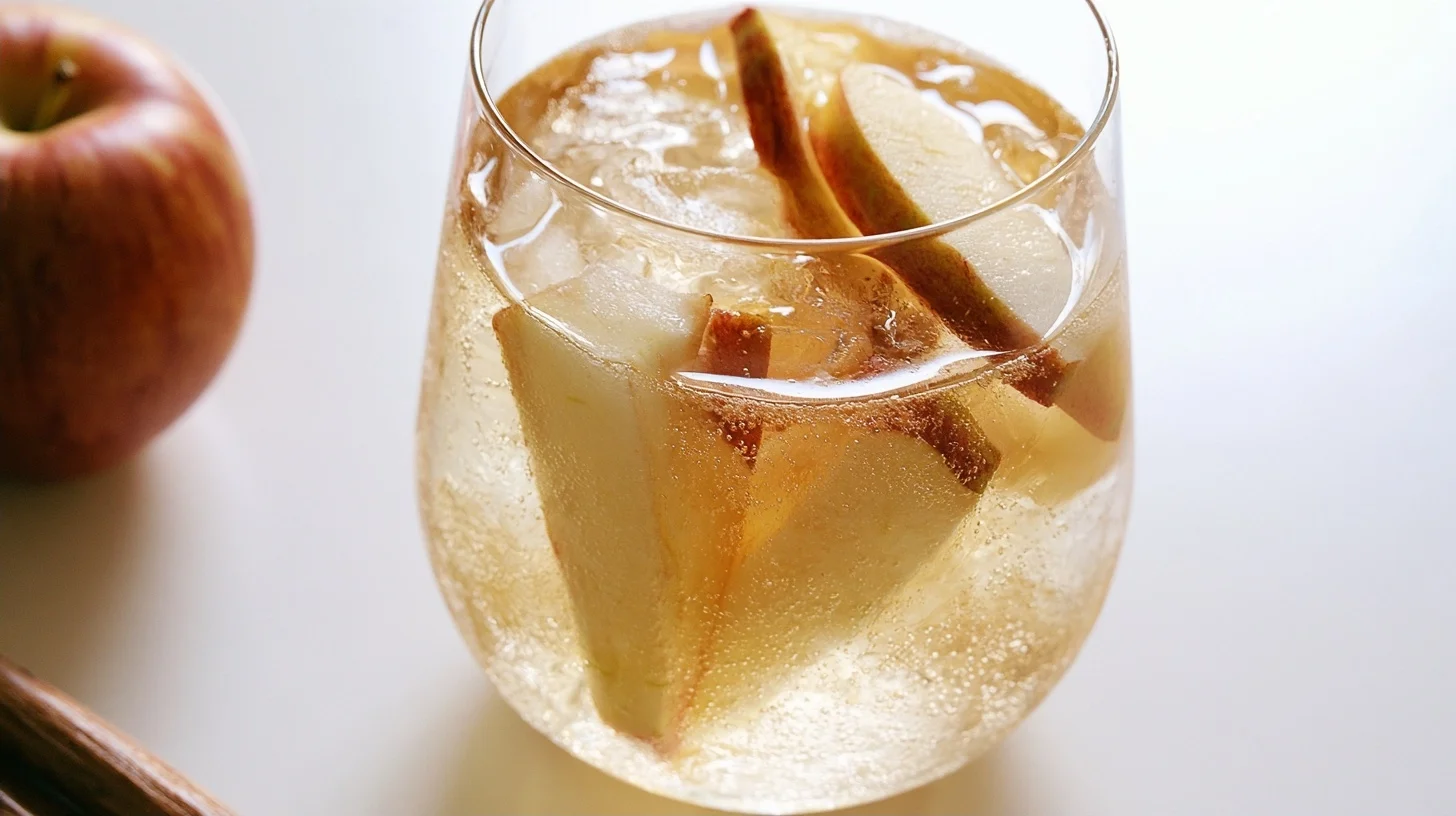
Korean Apple Tea with Ginger and Cinnamon
6
servings10
minutes40
minutes45
kcalThis traditional Korean Apple tea (Saegwa Cha) is a naturally sweet, warming drink made by simmering apples with fresh ginger and cinnamon. The apples release their sugars slowly, creating a fragrant, golden tea that’s both comforting and nourishing. Perfect for cold weather or any time you need a soothing, caffeine-free beverage.
Keep the screen of your device on
Ingredients
3 medium apples
8 cups water
1 inch fresh ginger
2 sticks cinnamon
2 tablespoons honey
1 tablespoon brown sugar
6 whole black peppercorns
5 whole dried jujubes
Directions
- Combine the apples, water, ginger, and cinnamon in a large pot. If using peppercorns or jujubes, add them now. Bring the mixture to a gentle boil over medium heat, then reduce the heat to low.
- Simmer the tea for 30 to 40 minutes, stirring occasionally, until the apples are very soft and almost translucent. The liquid should turn a beautiful golden color and smell fragrant. Keep the heat low enough that the liquid barely bubbles to prevent the apples from breaking down too quickly.
- Remove the pot from the heat and let the tea cool for about 5 minutes. This allows the flavors to settle and makes straining easier.
- Strain the tea through a fine mesh strainer or cheesecloth into a large bowl or pitcher, pressing gently on the solids to extract as much liquid as possible without forcing pulp through. Discard the solids or save the softened apples for another use.
- Stir in the honey and brown sugar while the tea is still warm, adjusting the sweetness to your taste. The apples will have already contributed natural sweetness, so start with less and add more if needed.
- Serve the tea warm in small cups or mugs, garnished with a thin apple slice or cinnamon stick if desired. Store any leftovers in an airtight container in the refrigerator for up to 4 days.
Notes
- Simmering the apples over low heat for at least 30 minutes allows them to release their natural sugars and create a deeply flavored tea without needing excessive added sweetener.
- If the tea tastes too strong after refrigeration, add a splash of water when reheating to lighten the flavor.
- The softened apples left after straining can be mashed into applesauce, used as a topping for oatmeal, or enjoyed on their own as a naturally spiced snack.
Nutrition Facts
- Serving Size: 1 g
- Total number of serves: 6
- Calories: 45kcal
- Fat: 0g
- Carbohydrates: 12g
- Fiber: 1g
- Protein: 0g
Did you make this recipe?
Tag @therecipemasterblog on Instagram and hashtag it with #therecipemaster
Like this recipe?
Follow @therecipemasterblog on Pinterest
Follow us on Facebook!
Follow The Recipe Master on Facebook
How to Get the Best Flavor from Korean Apple Tea
The secret to deeply flavorful Korean Apple tea lies in allowing the apples and spices enough time to release their natural sweetness and aromatic oils. Rushing the process results in a weak, one-dimensional brew, while a slow, gentle simmer creates a rich, layered tea with a beautiful golden color.
Choose the Right Apples
Sweeter apple varieties like Fuji, Gala, or Honeycrisp work best because they release more natural sugars as they simmer, reducing the need for added sweeteners. Tart apples like Granny Smith can be used, but you’ll need to add more honey or sugar to balance the acidity. Leaving the skin on adds color and a slight tannic depth, but peeling the apples results in a cleaner, lighter flavor.
Simmer Slowly for Maximum Sweetness
Simmering the apples over low to medium-low heat for at least 30 to 40 minutes allows the fruit to break down gradually and release its sugars into the water. Boiling too aggressively causes the apples to fall apart too quickly without fully infusing the liquid, and the tea can turn cloudy. The apples should be very soft and almost translucent when the tea is ready.
Use Fresh Ginger for Warmth
Fresh ginger root provides a bright, spicy warmth that dried ginger powder cannot replicate. Slice the ginger thinly so it releases its oils more effectively during simmering. If you prefer a milder ginger flavor, use less or remove the ginger slices halfway through cooking. For a stronger kick, lightly crush the ginger slices before adding them to the pot.
Add Cinnamon at the Right Time
Cinnamon sticks release their flavor slowly and evenly, making them ideal for long simmering. Adding them at the beginning ensures a deep, aromatic cinnamon presence throughout the tea. Ground cinnamon can be used in a pinch, but it makes the tea cloudy and should be strained carefully. If you’re using ground cinnamon, add it during the last 10 minutes of simmering to avoid bitterness.
Sweeten to Taste After Cooking
Adding honey or sugar after the tea has finished simmering and been strained allows you to control the sweetness more precisely. The apples themselves contribute natural sweetness, so taste the tea first before adding any sweetener. Honey adds a floral note that complements the apples beautifully, while brown sugar adds a subtle molasses depth. For a more traditional approach, you can also try exploring other naturally sweetened teas that highlight fruit and spice.
Common Mistakes to Avoid When Making Korean Apple Tea
Using Too Much Water
Adding too much water dilutes the apple and spice flavors, resulting in a weak, watery tea. The ratio of apples to water is important: aim for about 3 medium apples per 6 to 8 cups of water. If you want a stronger tea, use more apples or reduce the water slightly. You can always add more water after brewing if the tea is too concentrated, but you can’t intensify a diluted brew.
Boiling Instead of Simmering
Boiling the tea aggressively causes the apples to break down too quickly and creates a cloudy, unevenly flavored liquid. It can also cause the ginger to become too sharp and overpowering. Keep the heat low enough that the liquid just barely bubbles. A gentle simmer preserves the delicate sweetness of the apples and allows the spices to infuse evenly.
Not Straining Thoroughly
Leaving bits of apple, ginger, or cinnamon in the tea affects the texture and can make it feel gritty or pulpy. Use a fine mesh strainer or line a regular strainer with cheesecloth to catch all the solids. Pour slowly and let the liquid drain naturally rather than pressing on the solids, which can release cloudy starch into the tea.
Adding Sweetener Too Early
Adding honey or sugar during the simmering process makes it harder to judge the final sweetness, especially since the apples release their own sugars as they cook. Wait until the tea is fully brewed and strained, then sweeten to taste. This also prevents the sweetener from caramelizing or changing flavor during the long simmer.
Ways to Customize Your Korean Apple Tea
Add Peppercorns for Subtle Heat
A few whole black peppercorns add a subtle, warming heat that complements the sweetness of the apples without overpowering the tea. This is a traditional addition in some Korean tea recipes and adds complexity. Use 5 to 8 peppercorns and remove them when straining.
Use Pears Instead of Apples
Korean pear tea (Bae Cha) is made the same way but uses Asian pears, which are juicier and slightly less sweet. The result is a lighter, more delicate tea with a subtle floral note. You can also combine apples and pears for a more complex flavor.
Make It Iced for Warm Weather
Once the tea is brewed and strained, let it cool to room temperature, then chill it in the refrigerator. Serve over ice with a slice of fresh apple or a cinnamon stick for garnish. The cold version is refreshing and still retains the warm spice notes.
Add Jujubes for Traditional Depth
Dried jujubes (Korean dates) are sometimes added to traditional Korean teas for a subtle sweetness and earthy depth. Add 5 to 6 dried jujubes to the pot along with the apples and spices. They’ll soften as they simmer and contribute a mild, date-like sweetness.
What Makes Korean Apple Tea Nutritious
Korean Apple tea is naturally low in calories, especially if you use minimal added sweetener. The apples provide dietary fiber, vitamin C, and antioxidants, while ginger offers anti-inflammatory properties and aids digestion. Cinnamon has been shown to help regulate blood sugar levels and adds additional antioxidants. Because the tea is made by simmering whole ingredients rather than using concentrates or syrups, it retains more of the natural nutrients from the fruit and spices. If you’re looking to learn more about traditional Korean teas and their health benefits, there are many varieties worth exploring.
The tea is also naturally caffeine-free, making it a great choice for evenings or for anyone avoiding stimulants. If you use honey instead of refined sugar, you’ll also benefit from its natural enzymes and trace minerals. The overall nutritional profile makes this tea a nourishing, comforting drink that supports wellness without added guilt.
How to Serve Korean Apple Tea
Korean Apple tea is traditionally served warm in small cups or mugs, often as a palate cleanser after a meal or as a comforting afternoon drink. You can garnish each cup with a thin apple slice, a cinnamon stick, or a few pine nuts for a traditional presentation. The tea pairs beautifully with Korean rice cakes, sweet pancakes, or any lightly sweetened dessert.
For a more casual serving style, pour the tea into a large teapot and let guests serve themselves. It’s also lovely served alongside a cheese board or light pastries during a gathering. The mild sweetness and warming spices make it versatile enough to complement both sweet and savory snacks.
How to Store and Reheat Korean Apple Tea
Store leftover Korean Apple tea in an airtight container or jar in the refrigerator for up to 4 days. The flavor actually deepens slightly as it sits, making it even more flavorful the next day. Make sure to strain the tea completely before storing to prevent the apples and spices from continuing to infuse and making the tea too strong or bitter.
To reheat, pour the desired amount into a small saucepan and warm it gently over low heat, stirring occasionally. Avoid boiling the tea during reheating, as this can dull the delicate flavors. You can also reheat individual servings in the microwave in 30-second intervals, stirring between each interval until warmed through. If the tea tastes too concentrated after refrigeration, add a splash of water to lighten it.
Frequently Asked Questions
No, fresh apples are essential. Apple juice lacks the fiber, texture, and natural pectin that fresh apples release during simmering, which creates the tea’s body and depth. Using juice results in a flat, overly sweet drink without the layered flavor that comes from slowly cooking whole fruit.
No, you don’t need to peel the apples. Leaving the skin on adds color and a slight tannic depth to the tea. However, if you prefer a lighter, cleaner flavor, you can peel them. Just make sure to wash the apples thoroughly if you’re leaving the skin on.
Yes, you can make it up to 4 days in advance. Store the strained tea in an airtight container in the refrigerator. The flavor actually deepens slightly as it sits. Reheat gently on the stove or in the microwave, and avoid boiling it again to preserve the delicate flavors.
The softened apples are delicious on their own as a naturally spiced snack. You can also mash them into applesauce, use them as a topping for oatmeal or yogurt, or blend them into smoothies. They’re already infused with ginger and cinnamon, so they add great flavor to other dishes.






%20is%20a%20naturally%20sweet,%20warming%20drink%20made%20by%20simmering%20apples%20with%20fresh%20ginger%20and%20cinnamon.%20The%20apples%20release%20their%20sugars%20slowly,%20creating%20a%20fragrant,%20golden%20tea%20that's%20both%20comforting%20and%20nourishing.%20Perfect%20for%20cold%20weather%20or%20any%20time%20you%20need%20a%20soothing,%20caffeine-free%20beverage.)
Leave a Reply