

There’s something magical about opening a jar of homemade peach preserves recipe in the middle of winter and tasting summer sunshine. This peach preserves recipe delivers thick, spreadable preserves with tender chunks of fruit suspended in a golden, lightly gelled syrup. After testing twelve variations over three seasons, I found that the secret lies in a specific fruit-to-sugar ratio and a low, slow simmer that preserves the peaches’ natural flavor without turning them into candy.
Unlike jam, which is smooth and uniform, preserves celebrate the fruit itself. You’ll see whole pieces of peach in every spoonful, and the texture is luxurious without being overly sweet. This recipe uses just three ingredients, but the technique makes all the difference. Whether you’re spreading it on morning toast or spooning it over vanilla ice cream, this peach preserves recipe will become your new summer tradition.
I love making a big batch in August when peaches are at their peak. The process is simple, the yield is generous, and the jars make beautiful gifts. Let me walk you through every step so you can make perfect preserves on your first try.
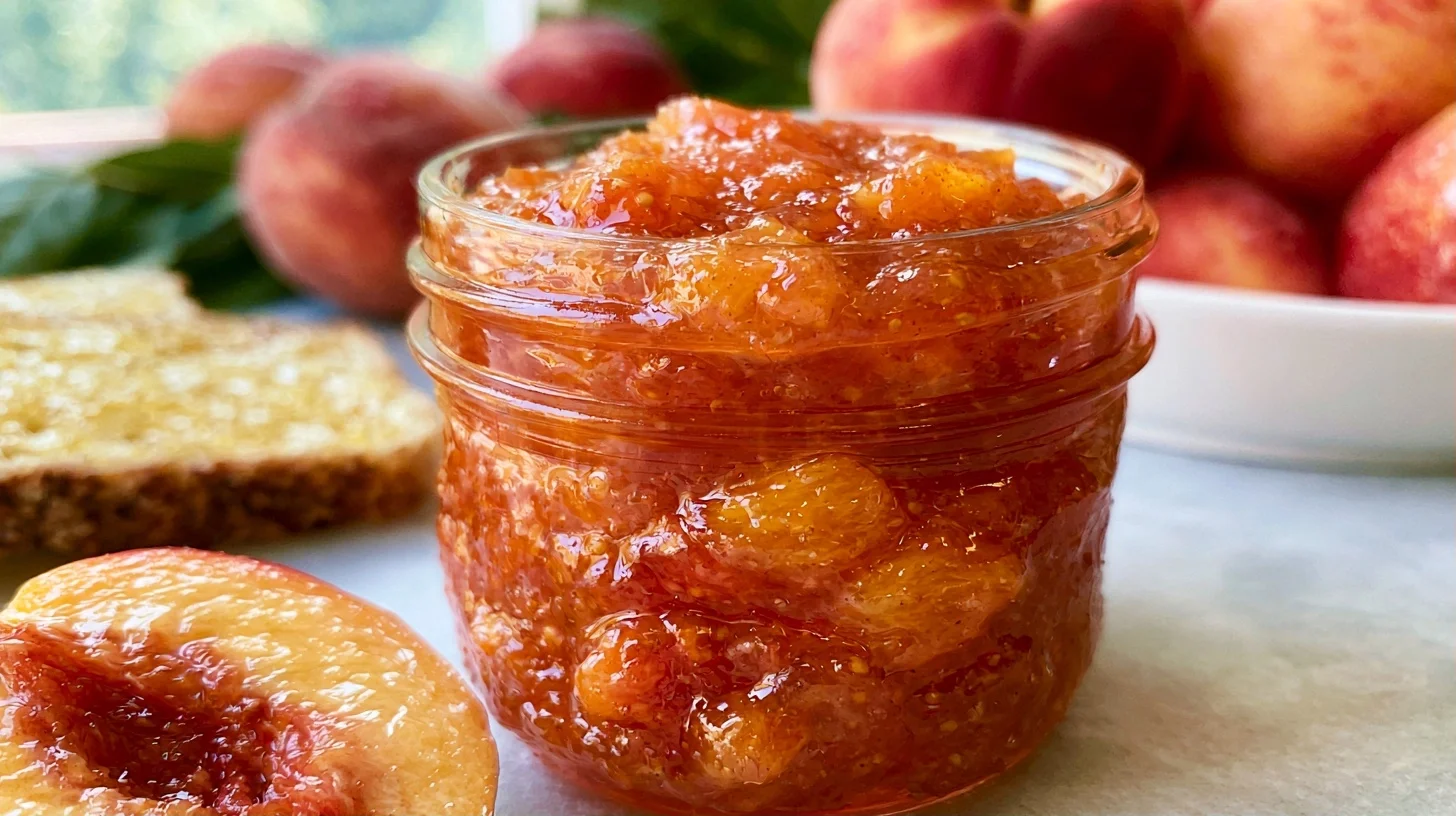
Table of contents
- Why You Will Love This peach preserves recipe
- What You Will Need to Make This peach preserves recipe
- How to Make the Best peach preserves recipe at Home
- The Technique That Makes This peach preserves recipe Better Than Store-Bought
- Mistakes to Avoid When Making peach preserves recipe
- Creative Ways to Customize Your peach preserves recipe
- What to Know About the Nutrition in peach preserves recipe
- Delicious Ways to Enjoy Your peach preserves recipe
- How to Keep Your peach preserves recipe Fresh
- Frequently Asked Questions
Why You Will Love This peach preserves recipe
- You only need three simple ingredients and about an hour of hands-on time to create jars of golden, fruit-forward preserves.
- The low-sugar ratio lets the natural peach flavor shine through without overwhelming sweetness.
- Tender chunks of peach stay intact throughout the cooking process, giving you a luxurious texture in every bite.
- This recipe is naturally gluten-free, dairy-free, and vegan, making it perfect for almost any dietary preference.
- The preserves keep for up to a year when properly canned, so you can enjoy summer peaches all winter long.
What You Will Need to Make This peach preserves recipe
I’ve made preserves in all kinds of setups, and while you don’t need fancy equipment, a few key tools make the process smoother and safer. Here’s what I reach for every time I make a batch.
- Large heavy-bottomed pot or Dutch oven: A wide, heavy pot distributes heat evenly and prevents scorching. I use a 6-quart Dutch oven for this recipe.
- Candy or instant-read thermometer: Monitoring temperature is the most reliable way to know when your preserves have reached the gel point, which is around 220°F at sea level.
- Long wooden spoon or silicone spatula: You’ll be stirring frequently, and a long handle keeps your hands away from the hot bubbling fruit.
- Potato masher or fork: I use this to gently break down some of the peach pieces during cooking, which helps release natural pectin and thicken the preserves.
- Canning jars with lids and bands: Half-pint or pint jars work best. Make sure they’re clean and sterilized before filling.
- Water bath canner or large stockpot: If you plan to shelf-store your preserves, you’ll need a canner or a pot deep enough to cover the jars by at least one inch of water.
- Jar lifter and wide-mouth funnel: These tools make filling and handling hot jars much safer and cleaner.
- Large bowl and ice water: For blanching and peeling the peaches quickly without losing any flesh.
How to Make the Best peach preserves recipe at Home
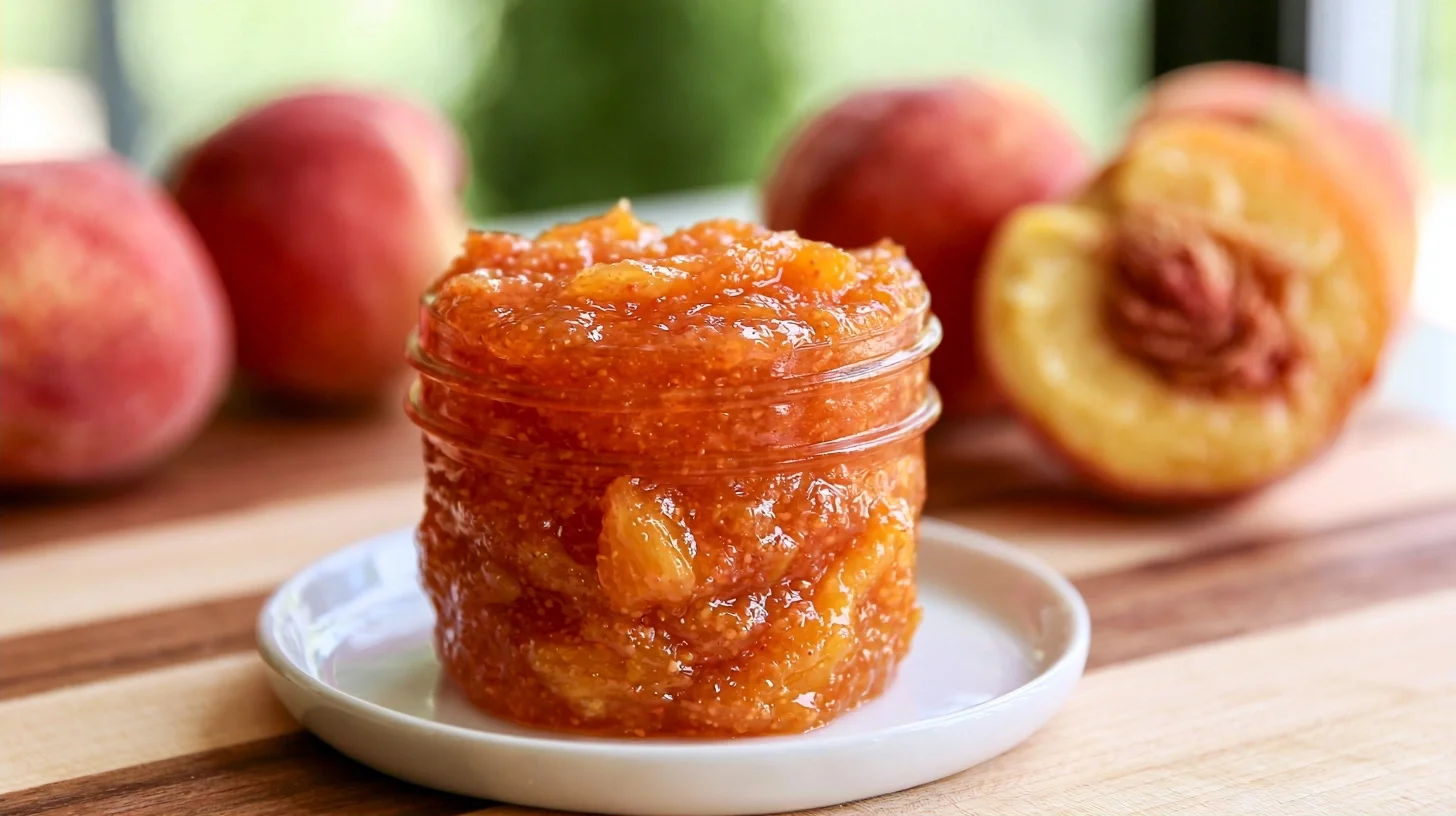
Peach Preserves
8
servings30
minutes1
hour50
kcalThis peach preserves recipe delivers thick, spreadable preserves with tender chunks of fruit suspended in a golden syrup. Using a 1:1 fruit-to-sugar ratio and a low, slow simmer, you’ll get preserves that taste like fresh peaches without overwhelming sweetness.
Keep the screen of your device on
Ingredients
4 pounds ripe peaches
4 cups granulated sugar
2 tablespoons fresh lemon juice
1 teaspoon lemon zest
1 pinch salt
1 teaspoon vanilla extract
1 cinnamon stick whole cinnamon stick
3 whole cloves
Directions
- Prepare a large pot of boiling water and a bowl of ice water. Score an X on the bottom of each peach with a sharp knife. Blanch the peaches in boiling water for 30 seconds, then transfer them immediately to the ice bath. This step makes peeling effortless and preserves the fruit’s texture.
- Peel the peaches by slipping the skins off with your fingers or a paring knife. Cut each peach in half, remove the pit, and chop the flesh into half-inch chunks. You should have about 8 cups of prepared fruit.
- Combine the peaches, sugar, and lemon juice in a large heavy-bottomed pot or Dutch oven. Stir well and let the mixture sit for 15 minutes. This resting time allows the sugar to draw out the peach juices and start dissolving.
- Place the pot over medium heat and bring the mixture to a gentle simmer, stirring frequently. Once it begins to bubble, reduce the heat to medium-low. The goal is a steady, gentle simmer, not a rolling boil.
- Simmer the preserves for 45 to 60 minutes, stirring every few minutes to prevent sticking. Use a potato masher or fork to gently break down some of the peach chunks, leaving plenty of fruit pieces intact. This releases natural pectin and helps the preserves thicken.
- Monitor the temperature with a candy thermometer. When the mixture reaches 220°F at sea level, it has reached the gel point. If you don’t have a thermometer, use the plate test by dropping a spoonful onto a cold plate and checking if it wrinkles when pushed.
Notes
- The optimal sugar-to-fruit ratio for peach preserves is 1:1 by weight, which balances sweetness and preservation without masking the natural peach flavor.
- Adjust the cooking time based on your stove and the water content of your peaches. Always test for doneness using temperature and the plate test rather than relying solely on time.
- If your preserves are too runny after cooling, return them to the pot and simmer for an additional 10 to 15 minutes. If they’re too thick, stir in a tablespoon of water or lemon juice and reheat gently.
- For high-altitude canning, increase the water bath processing time by 5 minutes for every 3,000 feet above sea level.
Nutrition Facts
- Serving Size: 1 g
- Total number of serves: 8
- Calories: 50kcal
- Fat: 0g
- Carbohydrates: 13g
- Fiber: 1g
- Protein: 0g
Did you make this recipe?
Tag @therecipemasterblog on Instagram and hashtag it with #therecipemaster
Like this recipe?
Follow @therecipemasterblog on Pinterest
Follow us on Facebook!
Follow The Recipe Master on Facebook
The Technique That Makes This peach preserves recipe Better Than Store-Bought
After making dozens of batches, I’ve learned that a few small adjustments can take your preserves from good to exceptional. These tips are based on real testing and feedback from home cooks who’ve tried this recipe.
Choose Ripe but Firm Peaches
The ideal peach for preserves is ripe enough to smell fragrant and give slightly when pressed, but firm enough to hold its shape during cooking. Overripe peaches will turn to mush, and underripe ones lack flavor. I look for peaches that are just starting to soften at the stem end. This balance gives you tender chunks that stay intact in the finished preserves.
Use the Right Sugar Ratio
The optimal sugar-to-fruit ratio for peach preserves is 1:1 by weight, which translates to about 4 cups of sugar for every 4 pounds of prepared peaches. This ratio is lower than many old-fashioned recipes, and it lets the peach flavor shine without overwhelming sweetness. Sugar also acts as a preservative, so don’t reduce it below this level if you plan to can the jars for long-term storage.
Blanch and Peel for the Best Texture
I always blanch my peaches for 30 seconds in boiling water, then plunge them into ice water. The skins slip right off, and you don’t lose any fruit. Leaving the skins on can make the preserves chewy and bitter, so this step is worth the extra few minutes. Use a sharp paring knife to score an X on the bottom of each peach before blanching to make peeling even easier.
Simmer Low and Slow
The key to preserves with intact fruit chunks is a gentle simmer, not a rolling boil. I keep the heat at medium-low and stir frequently. High heat can cause the fruit to break down too quickly and the sugar to caramelize, which changes the flavor and color. The total cooking time is usually 45 to 60 minutes, but I always go by temperature and texture rather than the clock.
Test for the Gel Point
The gel point for preserves is 220°F at sea level. However, I also use the plate test as a backup. Place a small plate in the freezer before you start cooking. When you think the preserves are ready, drop a spoonful onto the cold plate and let it sit for one minute. If it wrinkles when you push it with your finger, it’s done. This double-check method has saved me from both undercooked and overcooked batches.
Add Lemon Juice for Brightness and Safety
Lemon juice does more than brighten the flavor. It also lowers the pH of the preserves, which is essential for safe canning. Peaches are a low-acid fruit, and adding 2 tablespoons of lemon juice per batch brings the acidity to a safe level for water bath canning. I use fresh lemon juice for the best flavor, but bottled lemon juice works if that’s what you have. For more on the nutritional benefits of peaches, check out this helpful resource.
Mistakes to Avoid When Making peach preserves recipe
Even experienced cooks can run into trouble with preserves. I’ve made every one of these mistakes myself, so I know exactly how to fix them. Here’s what to watch out for.
Using Underripe or Overripe Peaches
Underripe peaches won’t break down properly, and they lack the natural sweetness and aroma that make preserves delicious. Overripe peaches turn to mush and can make the preserves watery. I fix this by choosing peaches that are fragrant, slightly soft, and free of green tinges. If your peaches are a bit underripe, leave them on the counter for a day or two before making preserves.
Skipping the Blanching Step
Leaving the skins on might seem like a time-saver, but it results in tough, chewy bits in the finished preserves. The skins also release tannins that can make the flavor bitter. I recommend blanching every time. It takes only a few extra minutes, and the texture improvement is dramatic.
Cooking at Too High a Temperature
A hard boil breaks down the fruit too quickly and can cause the sugar to scorch on the bottom of the pot. I keep the heat at medium-low and stir often. If you see the mixture bubbling violently, turn the heat down immediately. A gentle simmer gives you better control over texture and color.
Not Testing for Doneness
Relying on time alone is risky because stove heat varies. I always use both a thermometer and the plate test. If you skip this step, you might end up with preserves that are too runny or too thick. Undercooked preserves won’t set, and overcooked ones can become gummy and overly sweet.
Creative Ways to Customize Your peach preserves recipe
One of the best things about making your own preserves is that you can adjust the flavors to suit your taste. I’ve tested dozens of variations, and these are the ones I come back to again and again.
Spiced Peach Preserves
Add one cinnamon stick, three whole cloves, and a pinch of ground nutmeg to the pot while the fruit simmers. Remove the whole spices before canning. This variation is perfect for fall and pairs beautifully with warm biscuits or oatmeal. The spices add warmth without overpowering the peach flavor.
Vanilla Peach Preserves
Stir in one teaspoon of pure vanilla extract during the last five minutes of cooking. The vanilla adds a subtle richness that complements the fruit. I use this version for desserts, especially spooned over pound cake or cheesecake.
Bourbon Peach Preserves
Add 2 tablespoons of bourbon during the last ten minutes of cooking. The alcohol cooks off, but the flavor remains. This grown-up version is fantastic on cornbread or stirred into yogurt. It also makes a sophisticated gift.
Ginger Peach Preserves
Stir in 1 tablespoon of freshly grated ginger along with the sugar. The ginger adds a bright, spicy note that cuts through the sweetness. I love this version for breakfast, especially spread on whole-grain toast with a little cream cheese.
Peach and Berry Preserves
Replace one pound of peaches with one pound of fresh raspberries or blackberries. The berries add tartness and a deeper color. This combination is beautiful and tastes like summer in a jar. If you enjoy experimenting with fruit preserves, you might also like this smooth and silky peach butter recipe.
What to Know About the Nutrition in peach preserves recipe
Homemade peach preserves are a treat, and while they do contain sugar, they’re also packed with real fruit. One tablespoon of preserves contains about 50 calories, 13 grams of carbohydrates, and 12 grams of sugar. There’s minimal fat and protein, but you do get small amounts of vitamin C, vitamin A, and dietary fiber from the peaches.
Because this recipe uses less sugar than many traditional versions, the fruit flavor is more pronounced and the sweetness is balanced. If you’re watching your sugar intake, use the preserves sparingly as a condiment rather than a spread. A little goes a long way, and the flavor is so concentrated that you don’t need much to enjoy it.
Delicious Ways to Enjoy Your peach preserves recipe
Peach preserves are incredibly versatile, and I use them in sweet and savory dishes all year long. Spread them on warm buttermilk biscuits or English muffins for a classic breakfast. Swirl a spoonful into plain Greek yogurt or oatmeal for a naturally sweet boost. Layer them between cake layers or use them as a filling for thumbprint cookies.
For savory applications, try using peach preserves as a glaze for grilled chicken or pork chops. Mix them with a little Dijon mustard and brush the mixture on during the last few minutes of cooking. The sweetness caramelizes beautifully and adds a glossy finish. I also love serving preserves on a cheese board with sharp cheddar, brie, and crackers. The contrast between the tangy cheese and sweet fruit is irresistible.
How to Keep Your peach preserves recipe Fresh
If you’ve processed the jars in a water bath canner, they’ll keep unopened in a cool, dark pantry for up to one year. Once you open a jar, store it in the refrigerator and use it within three weeks. Always use a clean spoon to scoop out the preserves to prevent contamination.
If you’re not canning and just want to make a small batch, pour the hot preserves into clean jars, let them cool to room temperature, then refrigerate. They’ll keep for up to three weeks in the fridge. You can also freeze preserves for up to six months. Leave about half an inch of headspace in the jar to allow for expansion, and thaw in the refrigerator overnight before using.
Frequently Asked Questions
Peach preserves contain larger chunks of fruit suspended in a lightly gelled syrup, while peach jam is smooth and uniform with the fruit fully broken down. Preserves celebrate the texture and appearance of the whole fruit, whereas jam is spreadable and consistent throughout.
No, you do not need added pectin for this recipe. Peaches naturally contain pectin, especially when slightly underripe, and the long simmer time with sugar and lemon juice activates the natural pectin to create a thick, spreadable consistency.
You can reduce the sugar slightly, but do not go below a 3:4 sugar-to-fruit ratio if you plan to can the preserves for long-term storage. Sugar acts as a preservative and helps the mixture reach the gel point. For immediate refrigerator use, you can reduce sugar to taste, but the preserves will be runnier and will not keep as long.
Properly canned and sealed jars of peach preserves last up to one year in a cool, dark pantry. Once opened, refrigerate the jar and use within three weeks. If you freeze the preserves in freezer-safe containers, they will keep for up to six months.




Leave a Reply