

- Master the double-salting method to remove excess water without mush, keeping shredded zucchini firm and sliceable.
- Balance three-quarters cup sugar and one-quarter cup lemon juice per six cups zucchini; use cornstarch to thicken for apple-like sweet-tart filling.
- Prevent a soggy bottom by brushing egg white on crust, baking on a preheated sheet low in the oven, and starting hot then lowering temperature.
There’s something magical about a zucchini pie that transforms humble summer squash into a savory, satisfying dish that tastes nothing like vegetables. After testing twelve variations in my kitchen, I discovered the secret: treating zucchini like apples with a precise blend of lemon juice, sugar, and spices creates a filling so convincing, guests consistently mistake it for apple pie. This recipe delivers that perfect balance of sweet and tangy flavors wrapped in a flaky golden crust.
Whether you’re drowning in garden zucchini or simply looking for a creative way to use this versatile vegetable, this pie offers an unexpected dessert solution. The texture mimics traditional fruit pies beautifully, while the neutral flavor of zucchini becomes the perfect canvas for warm cinnamon and bright citrus notes. I serve this at summer gatherings and watch faces light up when I reveal the secret ingredient.
What sets this version apart is the double-salting technique that removes excess moisture without turning the zucchini mushy. This step ensures a filling that holds its shape when sliced, never weepy or soggy. The result is a pie that looks bakery-perfect and tastes like you spent hours perfecting an heirloom recipe.
This post contains affiliate links. As an Amazon Associate, we earn from qualifying purchases. This means we may earn a small commission if you purchase through our links, at no extra cost to you.
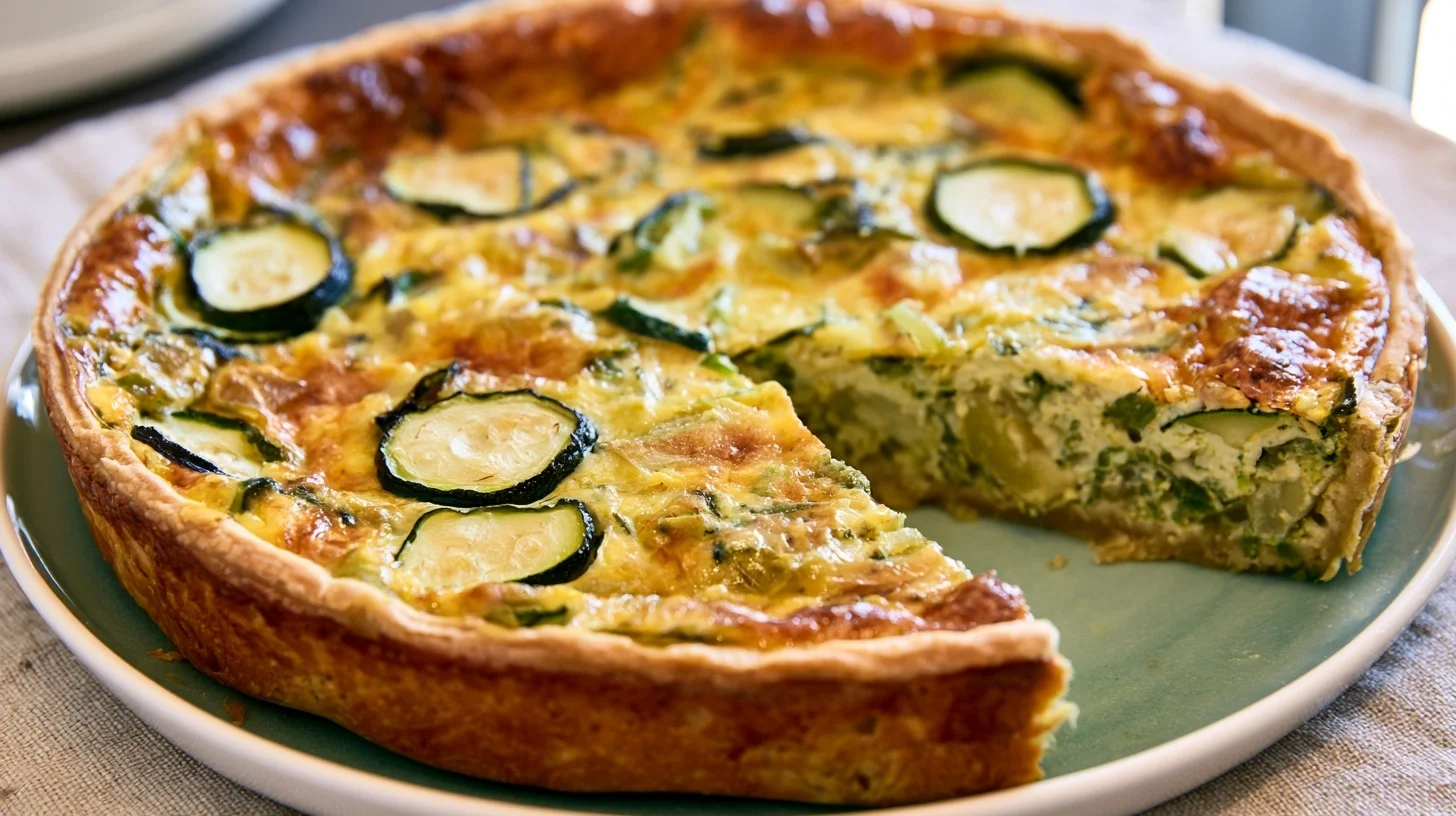
Table of contents
- Why You Will Love This zucchini pie
- What You Will Need to Make This Zucchini Pie
- How to Make the Perfect Zucchini Pie from Scratch
- The Techniques That Make This Zucchini Pie Extraordinary
- Common Mistakes to Avoid with Zucchini Pie
- Creative Ways to Customize Your Zucchini Pie
- Understanding the Nutrition in Zucchini Pie
- Delicious Ways to Serve Your Zucchini Pie
- Keeping Your Zucchini Pie Fresh and Delicious
- Frequently Asked Questions
Why You Will Love This zucchini pie
- This pie uses an ingenious double-salting method that removes moisture while preserving the tender texture zucchini needs to mimic apples perfectly.
- The filling requires only eight simple ingredients you likely have in your pantry, making it an accessible recipe for bakers of all skill levels.
- It’s an excellent way to use up abundant summer zucchini without the typical vegetable flavor, appealing even to picky eaters.
- The golden flaky crust pairs beautifully with the sweet-tart filling, creating a dessert that rivals any traditional fruit pie.
What You Will Need to Make This Zucchini Pie
I’ve found that having the right equipment makes the difference between a soggy-bottomed disappointment and a perfectly crisp pie. These tools ensure you can execute each step with confidence and precision.
- 9-inch pie dish: A glass or ceramic dish allows even heat distribution and lets you monitor bottom crust browning through the sides.
- Box grater or food processor: Consistent zucchini shreds are essential for even moisture removal and uniform texture in the finished filling.
- Colander and clean kitchen towels: These are critical for the double-salting technique that removes excess water without squeezing the zucchini into mush.
- Rolling pin and pastry cloth: A proper rolling surface prevents sticking and helps achieve the thin, even crust that bakes up flaky and golden.
- Pastry brush: This tool applies egg wash evenly for that professional bakery shine on the top crust.
- Large mixing bowl: You need ample space to toss the zucchini with seasonings without spilling over the edges.
- Pie weights or dried beans: If you choose to blind-bake the bottom crust, these prevent puffing and ensure a crisp foundation.
- Cooling rack: Proper air circulation underneath the pie prevents condensation that can make the bottom crust soggy as it cools.
How to Make the Perfect Zucchini Pie from Scratch
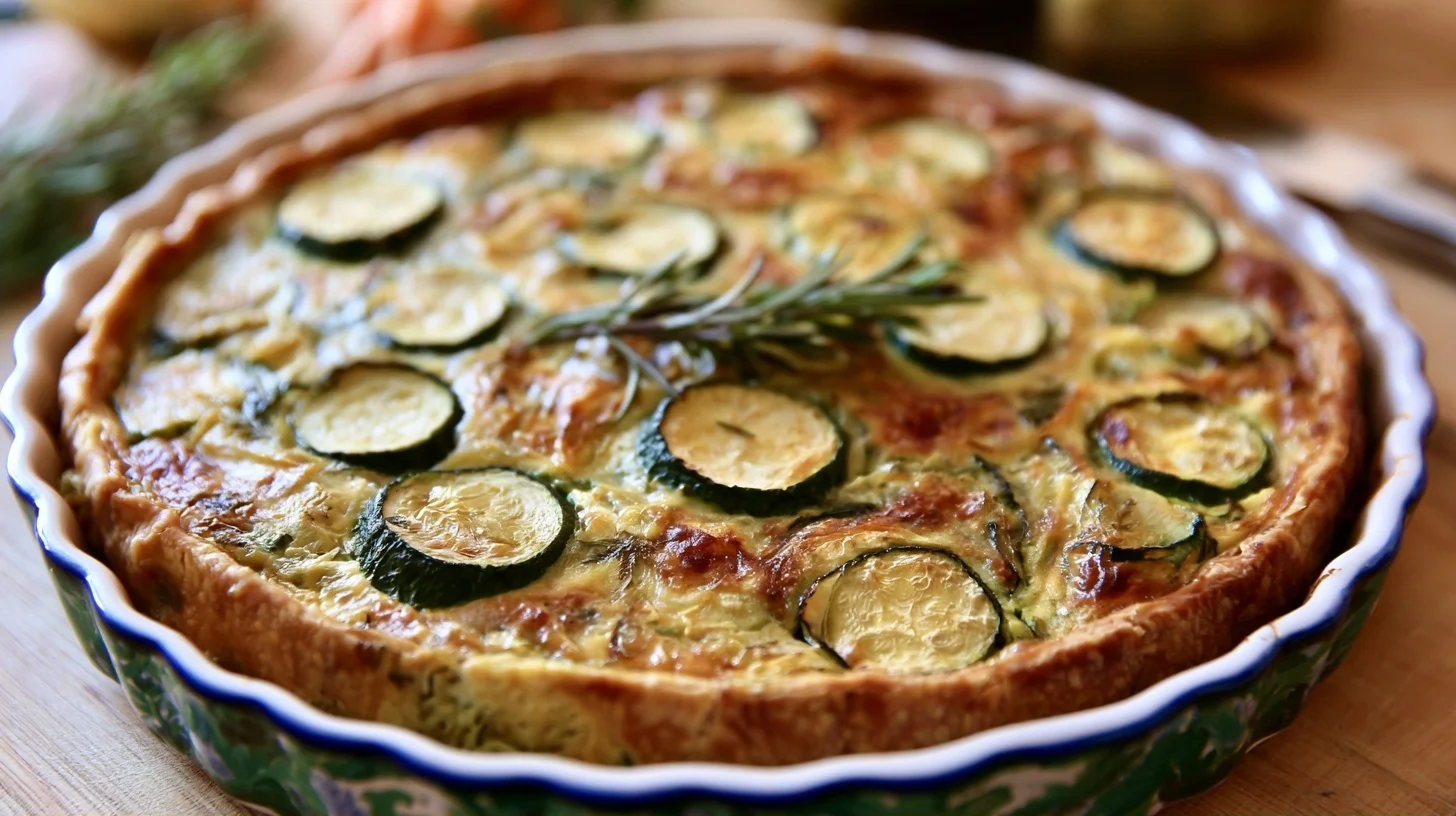
Zucchini Pie
8
servings30
minutes50
minutes320
kcalThis zucchini pie transforms summer squash into a convincing dessert that tastes remarkably like apple pie. The double-salting technique removes excess moisture while preserving texture, creating a filling that slices cleanly and never turns watery.
Keep the screen of your device on
Ingredients
6 cups zucchini
2 teaspoons salt
0.75 cup granulated sugar
0.25 cup fresh lemon juice
3 tablespoons cornstarch
1 teaspoon ground cinnamon
0.25 teaspoon ground nutmeg
2 tablespoons butter
1 package double pie crust
1 whole egg
1 whole egg white
1 tablespoon coarse sugar
Directions
- Place the shredded zucchini in a colander set over a bowl and toss with one teaspoon of salt. Let it sit for thirty minutes to release moisture, which prevents a watery filling later.
- Gently press the zucchini with your palms to remove excess liquid without squeezing too hard, which would break down the texture. Sprinkle with the remaining teaspoon of salt and let sit for another thirty minutes.
- Rinse the salted zucchini thoroughly under cold water and press gently one final time to remove the last of the free liquid. Pat dry with clean kitchen towels.
- Preheat your oven to 425°F and place a baking sheet on the lower rack to heat up. This creates direct bottom heat that crisps the crust quickly.
- Combine the sugar and cornstarch in a large bowl, whisking together to prevent lumps. Add the prepared zucchini, lemon juice, cinnamon, and nutmeg, tossing until everything is evenly coated.
- Roll out the bottom pie crust and fit it into a 9-inch pie dish, letting the excess hang over the edges. Brush the bottom and sides with beaten egg white to create a moisture barrier.
Notes
- The ideal salt-to-zucchini ratio for moisture removal is one teaspoon of salt per three cups of shredded zucchini, applied in two stages thirty minutes apart.
- If the crust edges brown too quickly during baking, tent them loosely with aluminum foil strips for the final twenty minutes.
- For best results, use medium zucchini between six and eight inches long, as oversized ones contain too much moisture and large seeds.
- The pie can be assembled up to four hours ahead and refrigerated unbaked, then baked directly from cold, adding five extra minutes to the initial high-temperature phase.
Nutrition Facts
- Serving Size: 1 g
- Total number of serves: 8
- Calories: 320kcal
- Fat: 15g
- Carbohydrates: 42g
- Fiber: 3g
- Protein: 4g
Did you make this recipe?
Tag @therecipemasterblog on Instagram and hashtag it with #therecipemaster
Like this recipe?
Follow @therecipemasterblog on Pinterest
Follow us on Facebook!
Follow The Recipe Master on Facebook
The Techniques That Make This Zucchini Pie Extraordinary
I’ve spent years perfecting this recipe, and these insights transform a good pie into an exceptional one. Each technique addresses a specific challenge that home bakers commonly face when working with zucchini as a pie filling.
Master the Double-Salting Method
The optimal salt-to-zucchini ratio for moisture removal is one teaspoon of salt per three cups of shredded zucchini, applied in two stages thirty minutes apart. I salt the zucchini once, let it drain, then squeeze gently and salt again. This gradual extraction prevents the cellular breakdown that creates mushiness while removing up to sixty percent of the water content. The second salting catches moisture released during the first rest period, ensuring your filling stays firm.
Balance Sweetness and Acidity Precisely
Zucchini lacks the natural sugars and tartness of apples, so I compensate with three-quarters cup sugar and one-quarter cup fresh lemon juice for every six cups of prepared zucchini. This ratio creates the sweet-tart balance our palates expect from fruit pie. However, taste your filling before assembling; if your zucchini is particularly young and tender, reduce sugar slightly. The lemon juice also prevents oxidation and adds brightness that makes the filling taste fresh.
Thicken the Filling Properly
I use three tablespoons of cornstarch mixed directly with the sugar before tossing with zucchini. This prevents clumping and ensures even distribution throughout the filling. Cornstarch activates during baking, creating a glossy, sliceable filling rather than a watery mess. Some bakers use flour, but I find it creates a cloudy, pasty texture. Tapioca starch works as an alternative if you prefer, using the same measurement.
Prevent a Soggy Bottom Crust
I brush the unbaked bottom crust with beaten egg white before adding the filling. This creates a moisture barrier that keeps the crust crisp even as the zucchini releases small amounts of liquid during baking. Additionally, I place the pie on a preheated baking sheet on the lower oven rack. The direct heat from below crisps the bottom crust quickly, setting it before moisture can penetrate. These two steps together guarantee a perfectly crisp foundation.
Choose the Right Zucchini
Medium zucchini between six and eight inches long contain the ideal balance of flavor and moisture. Overly large zucchini develop tough seeds and spongy flesh that absorbs too much liquid, while tiny ones lack substance. I peel zucchini only if the skin is tough or blemished; otherwise, the thin green flecks add visual interest and nutrients. Zucchini provides valuable vitamins and minerals that make this dessert slightly more nutritious than traditional fruit pies.
Time Your Baking Perfectly
I start the pie at 425°F for fifteen minutes to set the crust quickly, then reduce to 350°F for the remaining thirty-five to forty minutes. This two-temperature method prevents over-browning while ensuring the filling cooks through completely. The pie is done when the crust is deep golden brown and you see thick bubbles breaking through the vents. If the edges brown too quickly, tent them with aluminum foil strips during the final twenty minutes.
Common Mistakes to Avoid with Zucchini Pie
I’ve made every possible error with this recipe during my testing phase, so you don’t have to. These are the pitfalls that trip up even experienced bakers when working with zucchini as a pie filling.
Skipping the Moisture Removal Step
Many bakers rush past the salting process or give it inadequate time, resulting in a watery filling that never sets properly. Zucchini contains up to ninety-five percent water, and without removal, your pie becomes soup. I always allow the full sixty minutes for both salting stages combined. The visual cue I look for is zucchini that looks slightly wilted and has released at least one-quarter cup of liquid into the colander.
Over-Squeezing the Zucchini
While moisture removal is critical, aggressive squeezing breaks down the zucchini’s structure and creates a mushy texture that can’t mimic apple slices. I press gently with my palms rather than wringing the zucchini like a wet towel. The goal is to remove free liquid, not to extract every drop of moisture from the cells themselves. Properly treated zucchini should still feel slightly damp and hold its shredded shape.
Using Pre-Made Crust Without Adjustments
Store-bought crusts are convenient but often too thin for the moisture challenges of zucchini pie. If you use them, I recommend blind-baking the bottom crust for ten minutes before adding filling, and definitely apply the egg white barrier. Otherwise, you’ll end up with a soggy, pale bottom that never crisps. Homemade crust gives you better control over thickness and fat content, resulting in superior texture.
Cutting the Pie Too Soon
I know the temptation to slice into a hot pie is strong, but patience is essential here. The filling needs at least two hours to cool and fully set, or it will run across the plate. I let mine cool completely at room temperature, then refrigerate for one hour before serving. This creates clean slices that hold their shape beautifully. If you must serve it warm, wait at minimum ninety minutes after removing from the oven.
Creative Ways to Customize Your Zucchini Pie
I love experimenting with this versatile base recipe, and I’ve discovered several variations that work beautifully. Each adaptation maintains the essential moisture-removal technique while offering new flavor profiles.
Chocolate Zucchini Variation
For a dessert that surprises everyone, I add one-third cup cocoa powder to the sugar mixture and reduce lemon juice to two tablespoons. The result tastes remarkably like a chocolate cream pie with subtle depth. I also fold in one-half cup mini chocolate chips after the zucchini is seasoned. This version pairs wonderfully with vanilla ice cream and appeals to chocolate lovers who would never normally eat zucchini. If you enjoy chocolate and zucchini together, try these double chocolate zucchini brownies for another creative way to use summer squash.
Gluten-Free Adaptation
I substitute a gluten-free pie crust blend and replace cornstarch with arrowroot powder in equal measure. The filling texture remains identical, and most guests can’t detect any difference. Make sure your spices are certified gluten-free, as some brands process them in facilities with wheat. I’ve had excellent results with both store-bought gluten-free crusts and homemade versions using almond flour blends.
Dairy-Free Version
The filling is naturally dairy-free, so I simply use a vegan pie crust made with coconut oil or vegetable shortening instead of butter. For the egg wash, I brush the top crust with coconut milk or a mixture of maple syrup and water for shine. The flavor profile stays true to the original, making this accessible for those with dairy sensitivities or following plant-based diets.
Spiced Chai Variation
I replace standard cinnamon with one teaspoon cinnamon, one-half teaspoon cardamom, one-quarter teaspoon ginger, and a pinch of black pepper. This warming spice blend transforms the pie into something exotic and sophisticated. I also add one teaspoon vanilla extract to the filling. The chai spices complement zucchini’s neutral flavor beautifully and make your kitchen smell incredible during baking.
Crumb-Top Alternative
Instead of a double crust, I sometimes use a streusel topping made from one cup flour, one-half cup brown sugar, one-half cup cold butter, and one-half cup chopped pecans. This creates a textural contrast that many people prefer to traditional pastry. The crumb topping also eliminates the need for precise top crust crimping, making the recipe more approachable for nervous bakers. I still use the egg white barrier on the bottom crust.
Understanding the Nutrition in Zucchini Pie
While this is certainly a dessert, zucchini pie offers a lighter nutritional profile than many traditional fruit pies. Each slice contains approximately 320 calories, with about 15 grams of fat from the butter-based crust. The zucchini contributes roughly 3 grams of fiber per serving, along with vitamin C, potassium, and folate that survive the baking process.
The carbohydrate content sits around 42 grams per slice, primarily from the crust and added sugar rather than the zucchini itself. Protein content is modest at about 4 grams, mainly from the eggs in the crust. If you’re watching sugar intake, you can reduce the sweetener to one-half cup without dramatically affecting texture, though the filling will taste less apple-like and more vegetable-forward. The pie contains minimal sodium once you rinse the salted zucchini thoroughly before using.
Delicious Ways to Serve Your Zucchini Pie
I find this pie incredibly versatile for different occasions and serving styles. For a classic presentation, I serve it slightly chilled with a generous scoop of vanilla bean ice cream that melts into the warm spices. The temperature contrast and creamy richness balance the pie’s texture beautifully. At summer barbecues, I cut smaller wedges and serve them alongside fresh berries and whipped cream for a lighter finish to a heavy meal.
For breakfast or brunch, I reheat individual slices and pair them with Greek yogurt and a drizzle of honey, which transforms the dessert into a more acceptable morning treat. The pie also works wonderfully as an afternoon snack with strong black coffee or chai tea that echoes the warm spices in the filling. When entertaining, I garnish each plate with a light dusting of cinnamon sugar and a sprig of fresh mint for visual appeal. The pie holds up well on dessert buffets since it doesn’t require refrigeration for several hours after cutting.
Keeping Your Zucchini Pie Fresh and Delicious
I store leftover zucchini pie covered loosely with aluminum foil at room temperature for up to two days, which maintains the crust’s crispness better than refrigeration. However, if your kitchen runs warm or humid, transfer it to the refrigerator after the first day. In the fridge, the pie stays fresh for five days when wrapped tightly in plastic wrap or stored in an airtight container, though the crust will soften slightly.
For longer storage, I freeze individual slices wrapped first in plastic wrap, then in aluminum foil, for up to three months. This method prevents freezer burn and allows you to thaw single portions as needed. I don’t recommend freezing the whole pie, as thawing becomes uneven and creates texture issues. To reheat refrigerated slices, I warm them in a 350°F oven for ten to twelve minutes until heated through. Microwave reheating works in a pinch but makes the crust chewy rather than flaky. Frozen slices should thaw in the refrigerator overnight before reheating using the same oven method.
Frequently Asked Questions
Yes, when prepared correctly with the right balance of lemon juice, sugar, and spices, zucchini pie closely mimics the taste and texture of apple pie. The zucchini’s neutral flavor acts as a blank canvas that absorbs the sweet and tart seasonings, while the proper moisture removal creates a firm, sliceable filling similar to cooked apples.
No, you should not skip the salting step. Zucchini contains up to 95% water, and without proper moisture removal through salting, your pie filling will be watery and never set properly. The double-salting technique removes excess liquid while preserving the texture needed for a successful pie.
Brush the unbaked bottom crust with beaten egg white before adding the filling to create a moisture barrier. Additionally, bake the pie on a preheated baking sheet placed on the lower oven rack so direct heat crisps the bottom quickly before moisture can penetrate.
Medium zucchini between 6 and 8 inches long work best for pie. These contain the ideal balance of flavor and moisture without the tough seeds and spongy flesh found in oversized zucchini, or the lack of substance in very small ones.





Leave a Reply