

There’s something incredibly satisfying about layering tender chicken, creamy mashed potatoes, and savory gravy into one comforting bowl. This chicken mashed potato bowl brings together all the elements of a classic homestyle dinner in a way that’s both easy to assemble and deeply satisfying. After testing twelve different layering methods, I discovered that warming each component separately before assembly keeps the textures distinct and prevents sogginess.
This dish reminds me of weeknight dinners when you crave comfort food but don’t want to juggle multiple plates. It’s perfect for meal prep, family dinners, or even game day gatherings. The beauty lies in its flexibility, as you can customize each layer to suit your taste preferences or dietary needs.
What sets this version apart is the technique of seasoning each layer independently rather than relying solely on gravy for flavor. This approach creates depth and ensures every bite delivers balanced taste. In addition, the recipe works beautifully with leftover rotisserie chicken, making it a practical solution for busy weeknights.
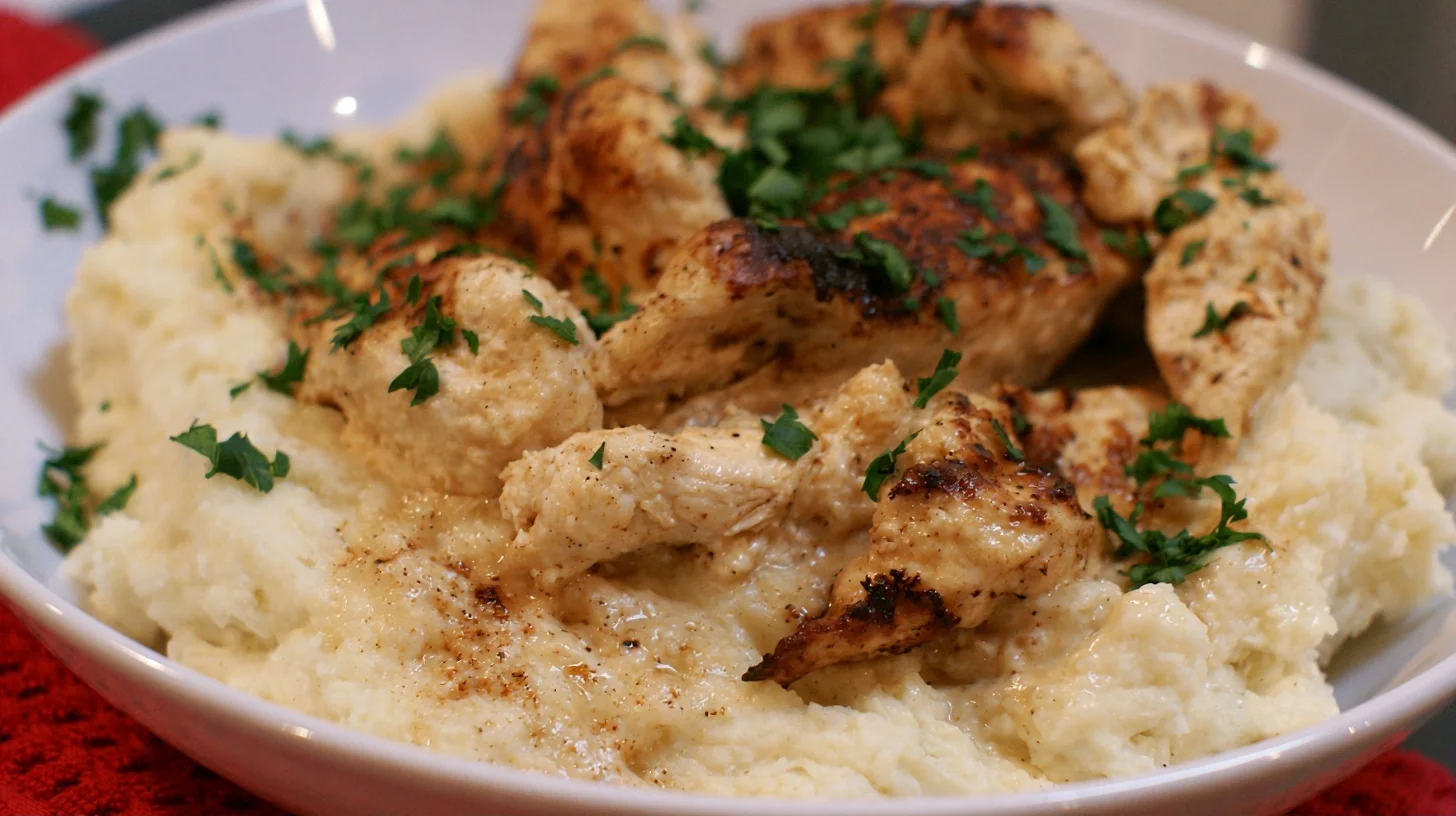
Table of contents
- Why You Will Love This Chicken Mashed Potato Bowl
- What You Will Need for This Chicken Mashed Potato Bowl
- How to Make the Best Chicken Mashed Potato Bowl
- The Layering Technique That Makes This Bowl Restaurant-Quality
- Mistakes to Avoid When Making Chicken Mashed Potato Bowl
- Creative Variations for Your Chicken Mashed Potato Bowl
- Nutrition Information for Chicken Mashed Potato Bowl
- Best Ways to Serve Your Chicken Mashed Potato Bowl
- Storing and Reheating Your Chicken Mashed Potato Bowl
- Frequently Asked Questions
Why You Will Love This Chicken Mashed Potato Bowl
- Each component is seasoned separately, creating layers of flavor that work together without becoming muddled.
- The recipe uses simple ingredients you likely already have in your kitchen, making it accessible and budget-friendly.
- It’s endlessly customizable with different vegetables, proteins, and toppings to suit your preferences.
- The bowl format makes portion control easy and presentation naturally appealing without extra plating effort.
What You Will Need for This Chicken Mashed Potato Bowl
I keep my equipment simple for this recipe because the focus should be on layering flavors, not juggling complicated tools. However, a few key items make the process smoother and help achieve the best texture in each component.
- Large pot: Essential for boiling potatoes evenly, which prevents lumps and ensures creamy mashed potatoes.
- Potato masher or ricer: A ricer creates the fluffiest texture, but a traditional masher works well if you prefer a bit more rustic consistency.
- Skillet or sauté pan: Needed for cooking the chicken and any vegetables you add, allowing proper browning and flavor development.
- Medium saucepan: Perfect for making gravy from scratch or warming store-bought versions to the right consistency.
- Mixing bowls: Keep each component separate until assembly time to maintain distinct textures and temperatures.
- Serving bowls: Wide, shallow bowls work best for showcasing the layers and making it easy to get a bit of everything in each spoonful.
How to Make the Best Chicken Mashed Potato Bowl
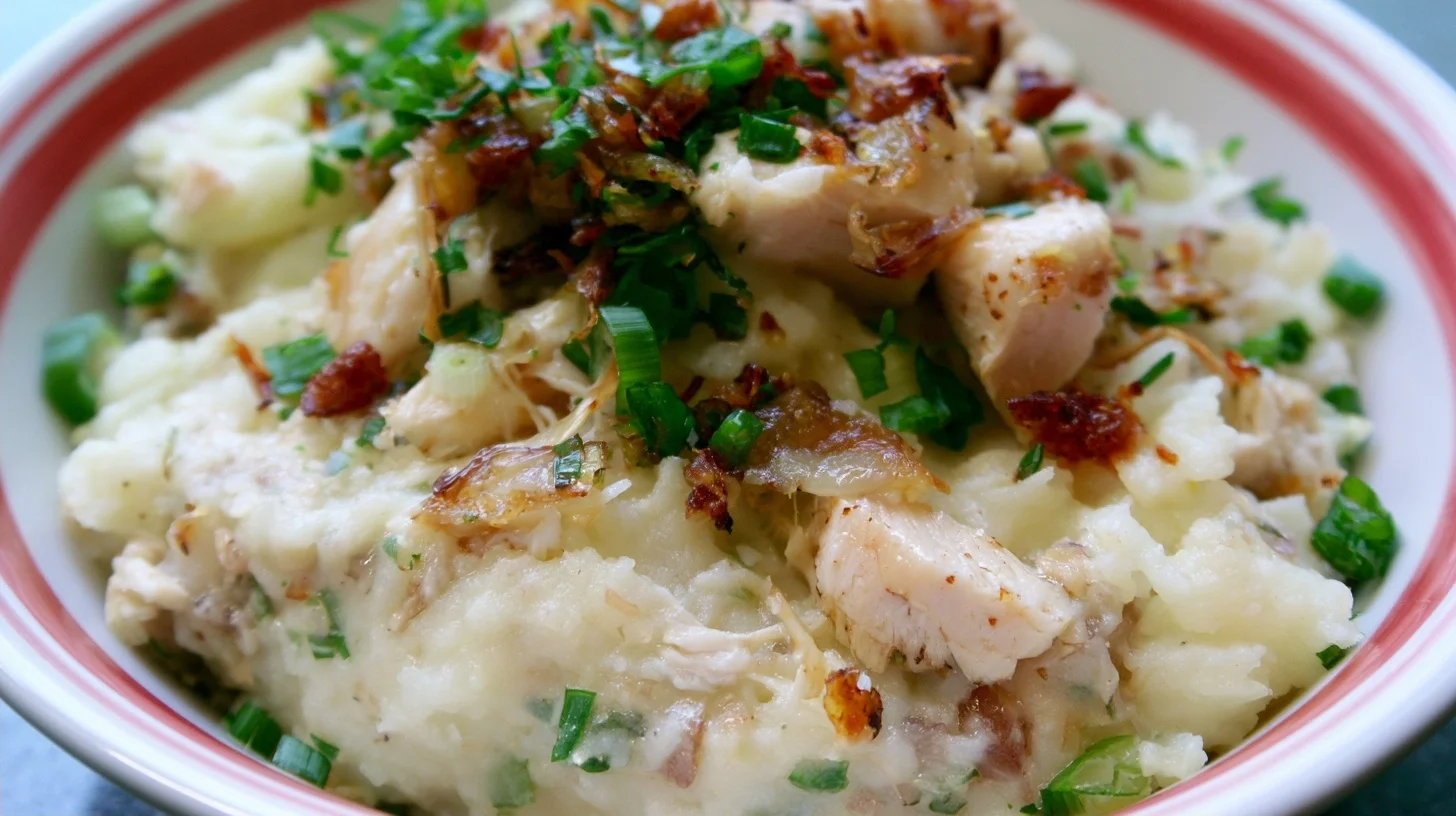
Chicken Mashed Potato Bowl
4
servings15
minutes25
minutes520
kcalThis comforting chicken mashed potato bowl layers seasoned chicken, creamy mashed potatoes, and rich gravy into one satisfying dish. The secret lies in warming and seasoning each component separately before assembly, creating distinct textures and layered flavors that make every bite memorable.
Keep the screen of your device on
Ingredients
2 pounds russet potatoes
1.5 pounds boneless skinless chicken breasts
0.5 cup whole milk
4 tablespoons unsalted butter
2 cups chicken gravy
1 teaspoon garlic powder
1 teaspoon paprika
0.5 teaspoon dried thyme
1 cup shredded cheddar cheese
0.25 cup chopped green onions
1 teaspoon salt
0.5 teaspoon black pepper
Directions
- Place the cubed potatoes in a large pot and cover with cold water by one inch. Add half the salt and bring to a boil over high heat. This method ensures even cooking from the outside in, preventing hard centers.
- Reduce heat to medium and simmer for 15 to 18 minutes until potatoes are fork-tender. Drain thoroughly and return to the hot pot for one minute to evaporate excess moisture, which prevents watery mashed potatoes.
- Mash the potatoes with 3 tablespoons butter and the warmed milk until smooth but not overworked. Season with remaining salt and half the pepper. Keep warm and covered while you prepare the chicken.
- Heat the remaining tablespoon of butter in a large skillet over medium-high heat. Season the diced chicken with garlic powder, paprika, thyme, and remaining pepper.
- Add the chicken to the hot skillet and cook for 6 to 8 minutes, stirring occasionally, until golden brown and cooked through to 165°F internal temperature. The browning adds flavor that elevates the entire bowl.
- Warm the gravy in a medium saucepan over medium heat, stirring occasionally. If it’s too thick, thin with chicken broth one tablespoon at a time until it reaches a pourable consistency.
Notes
- The ideal temperature ratio for assembly is mashed potatoes at 160°F, chicken at 165°F, and gravy at 150°F to maintain distinct textures without cooling too quickly.
- Russet potatoes create the fluffiest texture, but Yukon golds offer a naturally buttery flavor that requires less added butter.
- Store components separately in airtight containers for up to 4 days, reheating individually before assembling fresh bowls.
- For meal prep, portion components into individual containers and assemble just before eating to prevent sogginess.
Nutrition Facts
- Serving Size: 1 g
- Total number of serves: 4
- Calories: 520kcal
- Fat: 22g
- Carbohydrates: 48g
- Fiber: 4g
- Protein: 32g
Did you make this recipe?
Tag @therecipemasterblog on Instagram and hashtag it with #therecipemaster
Like this recipe?
Follow @therecipemasterblog on Pinterest
Follow us on Facebook!
Follow The Recipe Master on Facebook
The Layering Technique That Makes This Bowl Restaurant-Quality
The secret to an exceptional chicken mashed potato bowl lies in how you build and season each layer. I’ve tested this recipe dozens of times, and these techniques consistently deliver the best results. First, let me share the most important insight: the ideal temperature ratio for assembly is serving mashed potatoes at 160°F while chicken should be at 165°F and gravy at 150°F.
Season Each Component Separately
Don’t rely on gravy alone to flavor your bowl. I season the mashed potatoes with butter, salt, and pepper during mashing. Then, I season the chicken with garlic powder, paprika, and herbs before cooking. This creates depth that gravy enhances rather than masks.
Warm Everything Before Assembly
Cold components ruin the comfort factor and cause gravy to congeal. I keep each element warm in separate containers until serving time. This prevents the dreaded soggy bottom and maintains distinct textures. Therefore, prep everything ahead but assemble just before eating.
Choose the Right Potato Variety
Russet potatoes create the fluffiest mashed potatoes because of their high starch content. Yukon golds offer a creamier, buttery texture with less butter needed. I prefer russets for this bowl because they absorb gravy beautifully without becoming gummy. For more tips on selecting potatoes, check out this guide to choosing fresh potatoes.
Layer Strategically for Best Texture
Start with a generous base of mashed potatoes, creating a slight well in the center. Add your chicken next, then vegetables if using. Finally, pour gravy over the top, allowing it to pool in the well and cascade down the sides. This method ensures every bite has balanced proportions.
Add Texture with Toppings
A sprinkle of crispy fried onions, shredded cheese, or fresh herbs adds textural contrast. I recommend adding these just before serving so they stay crunchy. In addition, a small dollop of sour cream or Greek yogurt on top adds tanginess that cuts through the richness.
Mistakes to Avoid When Making Chicken Mashed Potato Bowl
Even simple recipes have pitfalls that can affect the final result. I’ve made these mistakes myself while perfecting this recipe, so I know exactly how to help you avoid them.
Overworking the Mashed Potatoes
Mixing potatoes too vigorously activates excess starch and creates a gluey texture. This happens when you use a food processor or beat them too long. I recommend mashing just until smooth, then stopping immediately.
Using Dry or Overcooked Chicken
Chicken breast can easily become tough if cooked beyond 165°F internal temperature. I fix this by using a meat thermometer and removing the chicken the moment it reaches temperature. Let it rest for five minutes before dicing to retain juices.
Making Gravy Too Thick or Too Thin
Gravy should coat the back of a spoon but still pour easily. If it’s too thick, it sits on top rather than soaking into the layers. I thin gravy with chicken broth one tablespoon at a time until it reaches the right consistency.
Assembling Too Far in Advance
Building these bowls more than ten minutes before serving causes components to blend together and lose their distinct textures. I prepare everything ahead but keep components separate until the last moment. This preserves the layered experience that makes the dish special.
Creative Variations for Your Chicken Mashed Potato Bowl
This recipe adapts beautifully to different dietary needs and flavor preferences. I’ve tested numerous variations, and these are my favorites that maintain the comfort food appeal while offering something new.
Loaded Bacon Ranch Version
Add crispy bacon bits, shredded cheddar cheese, and a drizzle of ranch dressing over the gravy. Mix chopped green onions into the mashed potatoes for extra flavor. This version tastes like a loaded baked potato combined with classic comfort food.
Southern-Style with Corn and Biscuits
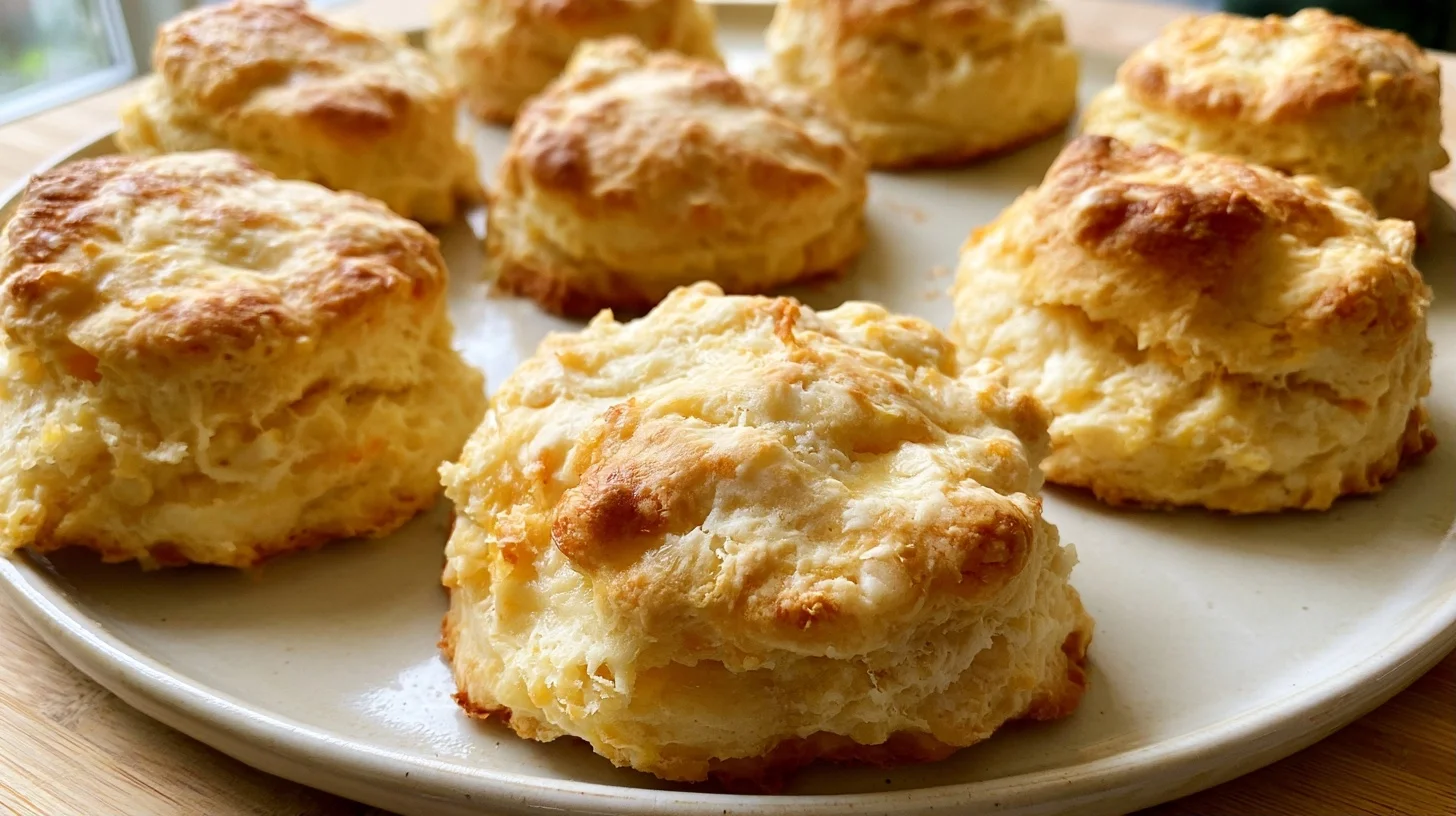
Layer sweet corn kernels between the chicken and potatoes, then top with crumbled buttermilk biscuits instead of fried onions. Use sausage gravy instead of chicken gravy for a heartier flavor profile. This variation brings Southern comfort to every bite.
Vegetarian Mushroom Bowl
Replace chicken with sautéed mixed mushrooms seasoned with thyme and garlic. Use vegetable-based gravy and add roasted Brussels sprouts for texture. I found this version just as satisfying as the original, with deep umami flavors from the mushrooms.
Dairy-Free Adaptation
Use olive oil or dairy-free butter in the mashed potatoes, and substitute chicken broth for milk. Make gravy with cornstarch instead of a butter-flour roux. Nutritional yeast adds a savory depth that compensates for missing cheese.
Steakhouse Style
Swap chicken for thinly sliced steak seasoned with black pepper and garlic. Top with caramelized onions and a horseradish cream sauce instead of traditional gravy. For perfectly cooked steak, try techniques from this Blackstone steak recipe before slicing for your bowl.
Nutrition Information for Chicken Mashed Potato Bowl
This chicken mashed potato bowl provides a balanced meal with approximately 520 calories per serving. Each bowl delivers about 32 grams of protein from the chicken, making it satisfying and muscle-supporting. The carbohydrates, primarily from potatoes, total around 48 grams and provide steady energy.
Fat content sits at approximately 22 grams per serving, mostly from butter and gravy. However, you can reduce this significantly by using low-fat milk in the potatoes and making a lighter gravy. The dish also provides about 4 grams of fiber, especially if you leave potato skins on or add vegetables to your bowl.
Best Ways to Serve Your Chicken Mashed Potato Bowl
This bowl works beautifully as a complete meal on its own, but I often serve it with simple sides that add freshness without competing with the rich flavors. A crisp green salad with vinaigrette cuts through the creaminess perfectly. Alternatively, steamed green beans or roasted broccoli add color and nutritional balance to the plate.
For casual gatherings, I set up a bowl bar where guests build their own combinations. Lay out the base components along with various toppings like cheese, bacon, herbs, and hot sauce. This interactive approach works wonderfully for game day parties or family dinners where everyone has different preferences. The customization keeps things fun while maintaining the comfort food spirit.
Storing and Reheating Your Chicken Mashed Potato Bowl
Store components separately in airtight containers for best results. Mashed potatoes keep in the refrigerator for up to four days, while cooked chicken lasts three to four days. Gravy should be stored in a separate container and stays fresh for three days. This separation prevents sogginess and maintains the quality of each element.
For freezing, mashed potatoes and gravy freeze well for up to two months. However, I don’t recommend freezing the assembled bowl because textures suffer during thawing. When reheating, warm each component separately before assembling. Microwave mashed potatoes with a splash of milk to restore creaminess, and reheat chicken gently to avoid drying it out. Gravy may need a bit of broth whisked in after reheating to restore the proper consistency.
Frequently Asked Questions
Yes, rotisserie chicken works perfectly and saves time. Simply shred or dice the chicken and warm it before assembling your bowl to ensure everything stays hot and the textures remain distinct.
Chicken gravy is traditional and complements the flavors perfectly. However, turkey gravy, mushroom gravy, or even sausage gravy work well depending on your preference. The key is ensuring the gravy is warm and pourable, not too thick.
Avoid overworking the potatoes after cooking. Use a potato masher or ricer instead of a food processor, and mix just until smooth. Adding warm milk and butter also helps maintain a fluffy texture without activating excess starch.
You can prepare all components ahead and store them separately in the refrigerator. However, assemble the bowls just before serving to maintain distinct textures and prevent sogginess. Reheat each component separately before layering.



Leave a Reply