

If you’ve ever wanted to make a buttercream frosting recipe that’s silky, pipeable, and tastes like it came from a bakery, you’re in the right place. This classic American buttercream delivers a smooth, sweet finish that holds its shape beautifully on cakes and cupcakes without splitting or turning grainy. The key is understanding how butter temperature and mixing speed affect the final texture—get those two details right, and you’ll have frosting that spreads like a dream every single time.
What makes this version different is the balance between sweetness and richness. Many buttercream recipes lean too heavily on powdered sugar, which can leave a chalky aftertaste. Here, the ratio is carefully calibrated so the butter flavor comes through without being overpowering, and the frosting stays creamy even after chilling. Whether you’re frosting a layer cake or piping swirls onto cupcakes, this buttercream holds its structure without feeling dense or heavy.
This recipe also works beautifully as a base for flavor variations. Once you understand the core technique, you can add cocoa powder, fruit purees, or extracts without compromising the texture. The frosting is stable enough to hold up in warm kitchens and soft enough to spread easily straight from the bowl.
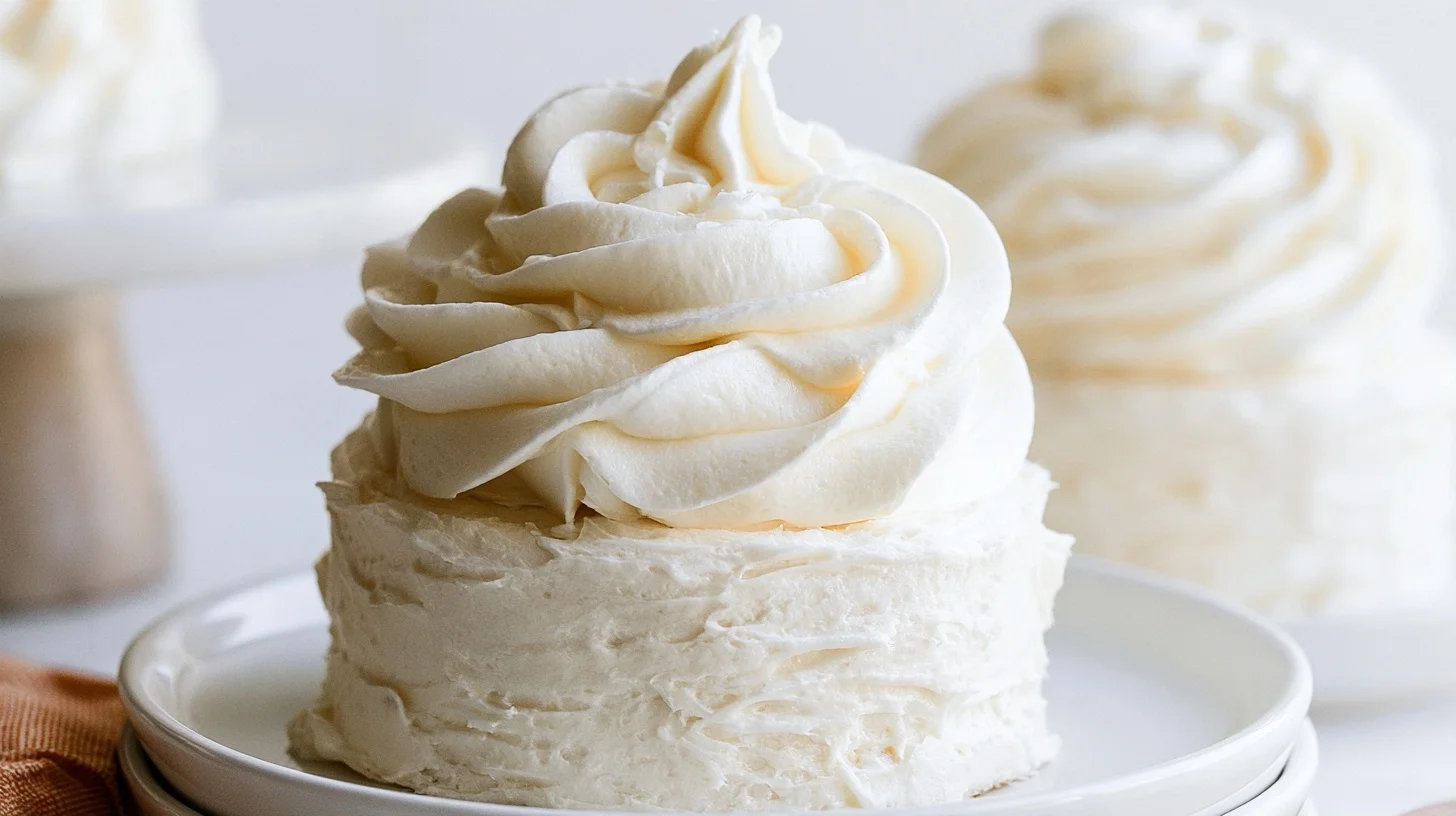
Table of contents
- Why You Will Love This Buttercream Frosting Recipe
- Essential Equipment for Perfect Buttercream
- How to Make Buttercream Frosting That Stays Smooth
- Expert Tips for Silky, Pipeable Buttercream Frosting Recipe
- Common Buttercream Mistakes and How to Fix Them
- Buttercream Frosting Variations
- Nutrition Information for Buttercream Frosting
- How to Serve Buttercream Frosted Desserts
- How to Store Buttercream Frosting
- Frequently Asked Questions about Buttercream Frosting Recipe
Why You Will Love This Buttercream Frosting Recipe
- The frosting stays smooth and pipeable even after refrigeration, making it ideal for decorating ahead of time.
- It uses a straightforward mixing method that doesn’t require a candy thermometer or double boiler.
- The texture is light enough to spread easily but firm enough to hold decorative shapes without sagging.
- You can customize the sweetness level by adjusting the powdered sugar without ruining the consistency.
Essential Equipment for Perfect Buttercream
Having the right tools makes a noticeable difference in how quickly the frosting comes together and how smooth the final texture turns out. You don’t need a professional kitchen, but a few key pieces will give you better control over the mixing process.
- Stand mixer or hand mixer: A stand mixer with a paddle attachment is ideal because it whips the butter evenly and incorporates air without overheating the frosting. A hand mixer works well too, but you’ll need to scrape down the bowl more frequently.
- Large mixing bowl: Use a bowl that’s large enough to prevent powdered sugar from puffing out during mixing. A metal or glass bowl works better than plastic because it doesn’t retain grease.
- Rubber spatula: Essential for scraping down the sides of the bowl and ensuring all the butter is fully incorporated. Unmixed butter pockets can create lumps in the finished frosting.
- Fine mesh sieve: Sifting the powdered sugar before adding it removes clumps and helps the frosting stay silky instead of grainy.
- Measuring cups and spoons: Accurate measurements are critical for getting the right consistency, especially when adjusting the liquid content.
How to Make Buttercream Frosting That Stays Smooth
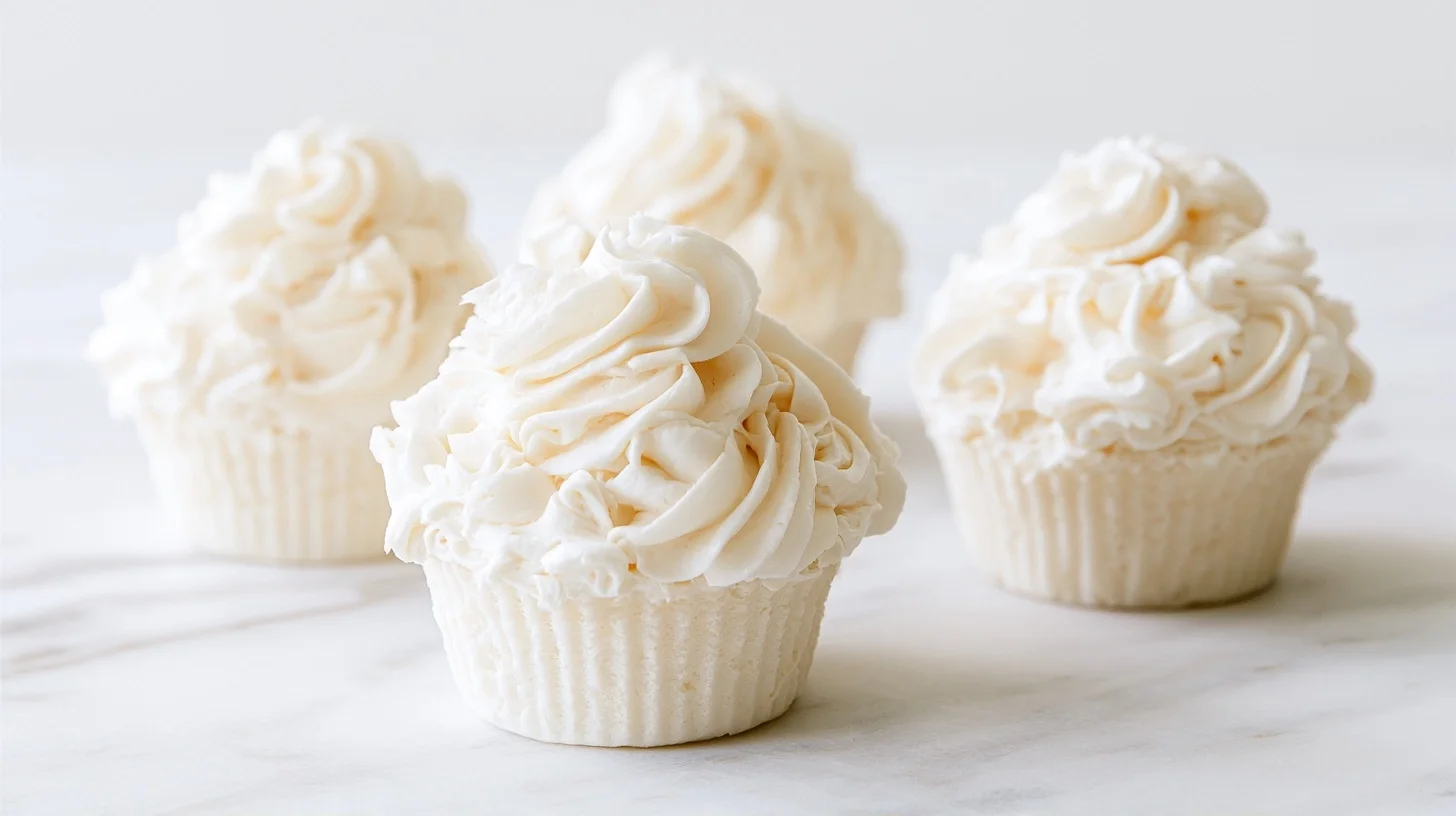
Buttercream Frosting
12
servings10
minutes0
minutes150
kcalThis classic American buttercream frosting is silky, pipeable, and holds its shape beautifully on cakes and cupcakes. The key to perfect texture is using room temperature butter and mixing at the right speed to create a light, fluffy consistency that spreads easily without tearing the cake.
Keep the screen of your device on
Ingredients
1 cup unsalted butter
4 cups powdered sugar
2 teaspoons vanilla extract
2 tablespoons whole milk
1 pinch salt
1 tablespoon heavy cream
0.5 cup cocoa powder
4 ounces cream cheese
Directions
- Beat the butter in a large mixing bowl with a stand mixer or hand mixer on medium speed for about two minutes until it’s pale and creamy. This step incorporates air and creates the light, fluffy texture that makes buttercream easy to spread.
- Add the powdered sugar gradually, about one cup at a time, mixing on low speed after each addition to prevent a sugar cloud. Scrape down the sides of the bowl with a rubber spatula between additions to ensure all the butter is fully incorporated.
- Mix in the vanilla extract and salt, then add the milk one tablespoon at a time. The frosting should be thick enough to hold stiff peaks when you lift the beater, but soft enough to spread without tearing the cake.
- Increase the mixer speed to medium-high and beat for three to four minutes until the frosting is smooth, fluffy, and lighter in color. This extended mixing time is what makes the frosting silky instead of dense.
- Adjust the consistency if needed by adding more powdered sugar in quarter-cup increments to thicken, or more milk in half-teaspoon amounts to thin. The frosting is ready when it spreads easily and holds its shape when piped.
Notes
- The most reliable way to achieve smooth buttercream is to start with butter at 65 to 68 degrees Fahrenheit—soft enough to leave a slight indent when pressed but still holding its shape.
- If the frosting looks curdled or separated, let it sit at room temperature for 10 minutes, then beat it again on medium speed until it comes back together.
- Store buttercream frosting in an airtight container in the refrigerator for up to one week, or freeze it for up to three months. Let it come to room temperature and rewhip before using.
Nutrition Facts
- Serving Size: 1 g
- Total number of serves: 12
- Calories: 150kcal
- Fat: 8g
- Carbohydrates: 20g
- Fiber: 0g
- Protein: 0g
Did you make this recipe?
Tag @therecipemasterblog on Instagram and hashtag it with #therecipemaster
Like this recipe?
Follow @therecipemasterblog on Pinterest
Follow us on Facebook!
Follow The Recipe Master on Facebook
Expert Tips for Silky, Pipeable Buttercream Frosting Recipe
The most reliable way to achieve a smooth, professional texture is to start with butter at the right temperature, it should be soft enough to leave a slight indent when pressed but still hold its shape. Butter that’s too cold will leave lumps, and butter that’s too warm will make the frosting greasy and loose. Room temperature butter, around 65 to 68 degrees Fahrenheit, whips up light and fluffy without breaking.
Mixing Speed and Timing
Start by beating the butter on medium speed for about two minutes until it’s pale and creamy. This step incorporates air and creates the light texture that makes buttercream easy to spread. Add the powdered sugar gradually, about one cup at a time, and mix on low speed to prevent a sugar cloud. Once all the sugar is incorporated, increase the speed to medium-high and beat for another three to four minutes. This extended mixing time is what makes the frosting smooth and fluffy instead of dense.
Adding Liquid Without Making It Runny
Vanilla extract and a small amount of milk or cream help balance the sweetness and thin the frosting to a spreadable consistency. Add the vanilla first, then add milk one tablespoon at a time. The frosting should be thick enough to hold stiff peaks when you lift the beater, but soft enough to spread without tearing the cake. If it becomes too thin, add more powdered sugar in quarter-cup increments. If it’s too thick, add milk in half-teaspoon amounts until you reach the right texture.
Fixing Grainy Frosting
If the frosting feels grainy even after mixing, it usually means the powdered sugar wasn’t fully dissolved. Continue beating on medium-high speed for another two to three minutes. The friction from mixing helps dissolve the sugar crystals and smooths out the texture. If graininess persists, add a teaspoon of milk and beat again. This extra moisture helps the sugar dissolve more completely.
Using the Right Powdered Sugar
Not all powdered sugar behaves the same way. Some brands contain more cornstarch, which can make the frosting taste chalky or feel dry. If you notice a starchy aftertaste, try reducing the powdered sugar slightly and adding a pinch of salt to balance the sweetness. Sifting the sugar before adding it makes a noticeable difference in the final smoothness.
For a less sweet buttercream, you can use vanilla cake as a base that balances the frosting’s richness without overwhelming the flavor.
Common Buttercream Mistakes and How to Fix Them
The Frosting Looks Curdled or Separated
This happens when the butter is too cold or the frosting was mixed at too high a speed too quickly. The butter and sugar don’t emulsify properly, and the mixture looks broken or grainy. To fix it, let the frosting sit at room temperature for about 10 minutes, then beat it again on medium speed. The warmth helps the butter soften and brings the mixture back together. If it’s still separated, place the bowl over a pot of simmering water for just a few seconds while stirring, then beat again.
The Frosting Is Too Soft to Pipe
Soft, runny frosting usually means the butter was too warm when you started, or the kitchen is too hot. Buttercream softens quickly in warm environments. To firm it up, refrigerate the frosting for 10 to 15 minutes, then beat it again briefly to restore the fluffy texture. Don’t leave it in the fridge too long, or it will become too stiff to spread. If you’re working in a warm kitchen, chill the mixing bowl and beaters before starting.
The Frosting Tastes Too Sweet
American buttercream is naturally sweet because of the high ratio of powdered sugar to butter. To tone down the sweetness, add a pinch of salt or a teaspoon of lemon juice. Both help balance the sugar without changing the texture. You can also reduce the powdered sugar by up to half a cup and replace it with a tablespoon of heavy cream to maintain the consistency.
The Frosting Has Air Bubbles
Air bubbles form when the frosting is beaten at too high a speed for too long. They create a spongy texture that looks unprofessional when spread. To remove air bubbles, press the frosting against the side of the bowl with a spatula, then smooth it out. You can also place the frosting in a piping bag and squeeze out a small amount to release trapped air before decorating.
Buttercream Frosting Variations
Chocolate Buttercream Frosting Recipe
Add half a cup of unsweetened cocoa powder after the powdered sugar is fully incorporated. Sift the cocoa powder to remove lumps, then mix on low speed until the color is even. You may need to add an extra tablespoon of milk because cocoa powder absorbs moisture and can make the frosting thicker. The result is a rich, fudgy frosting that pairs beautifully with vanilla or chocolate cakes.
Cream Cheese Buttercream
Replace four ounces of the butter with four ounces of softened cream cheese. Beat the butter and cream cheese together first until smooth, then add the powdered sugar as usual. This version has a slight tang that balances the sweetness and makes the frosting taste less heavy. It’s especially good on carrot cake or red velvet cake.
Flavored Buttercream Frosting Recipe
Swap the vanilla extract for almond, lemon, or peppermint extract. Start with half a teaspoon and add more to taste. Extracts are potent, so a little goes a long way. For fruit-flavored buttercream, add two tablespoons of freeze-dried fruit powder, such as strawberry or raspberry. The powder adds flavor without introducing extra moisture that could make the frosting too soft.
Dairy-Free Buttercream Frosting Recipe
Use vegan butter in place of regular butter and substitute the milk with almond milk or oat milk. The texture will be slightly softer, so you may need to add an extra quarter cup of powdered sugar to firm it up. Make sure the vegan butter is at the same soft room temperature as regular butter for the best results.
If you have leftover frosting, you can explore creative ways to use it by checking out ideas for leftover buttercream that go beyond just frosting cakes.
Nutrition Information for Buttercream Frosting
Buttercream frosting is rich and calorie-dense because of the butter and powdered sugar. A typical serving, which is about two tablespoons, contains around 150 calories. Most of those calories come from fat and carbohydrates, with minimal protein. The fat content is approximately 8 grams per serving, and the sugar content is around 18 grams. If you’re looking to reduce calories, you can cut back on the powdered sugar slightly or use a lower-fat butter substitute, though this will change the texture.
Because buttercream is primarily used as a topping, portion control makes a big difference. A thin layer of frosting adds flavor without significantly increasing the calorie count of a slice of cake. If you’re serving cupcakes, piping a swirl instead of spreading a thick layer can cut the frosting amount in half.
How to Serve Buttercream Frosted Desserts
Buttercream frosting works beautifully on layer cakes, sheet cakes, cupcakes, and even cookies. For layer cakes, spread a thin crumb coat first to seal in loose crumbs, then chill the cake for 15 minutes before applying the final layer. This technique gives you a smooth, professional finish. For cupcakes, use a piping bag fitted with a large star tip to create decorative swirls that hold their shape.
Buttercream pairs well with most cake flavors, including vanilla, chocolate, lemon, and spice cakes. It also works as a filling between cake layers, especially when combined with fruit preserves or lemon curd. If you’re serving the cake at a party, keep it in a cool room or refrigerate it until just before serving to prevent the frosting from softening too much.
How to Store Buttercream Frosting
Store buttercream frosting in an airtight container in the refrigerator for up to one week. Before using refrigerated frosting, let it sit at room temperature for about 30 minutes, then beat it briefly with a mixer to restore the fluffy texture. Cold frosting is too stiff to spread smoothly, so this step is essential.
You can also freeze buttercream for up to three months. Place it in a freezer-safe container and press plastic wrap directly onto the surface to prevent freezer burn. Thaw frozen frosting in the refrigerator overnight, then bring it to room temperature and rewhip before using. The texture may be slightly denser after freezing, but it will still taste good and spread easily.
If you’ve already frosted a cake, store it in the refrigerator uncovered for the first 15 minutes to let the frosting firm up, then cover it loosely with plastic wrap or a cake dome. This prevents the wrap from sticking to the frosting and ruining the finish. Frosted cakes can be stored in the fridge for up to three days.
Frequently Asked Questions about Buttercream Frosting Recipe
Yes, you can make buttercream frosting up to one week ahead and store it in an airtight container in the refrigerator. Let it come to room temperature for about 30 minutes, then rewhip it briefly with a mixer to restore the fluffy texture before using.
Grainy frosting usually means the powdered sugar hasn’t fully dissolved. Continue beating the frosting on medium-high speed for another two to three minutes. If it’s still grainy, add a teaspoon of milk and beat again to help the sugar dissolve completely.
Yes, you can use salted butter, but the frosting will taste slightly saltier. If you use salted butter, skip the pinch of salt in the recipe or reduce it to balance the flavor.
To reduce sweetness, add a pinch of salt or a teaspoon of lemon juice to balance the powdered sugar. You can also reduce the sugar by up to half a cup and replace it with a tablespoon of heavy cream to maintain the right consistency.




Leave a Reply