

This cabbage macaroni and cheese recipe transforms humble ingredients into a surprisingly creamy, comforting dish that feels both nostalgic and fresh. The tender cabbage adds a mild sweetness and soft texture that complements the rich cheese sauce beautifully, while the pasta provides the hearty base you expect from classic comfort food. Unlike traditional mac and cheese that can feel heavy, the cabbage lightens the dish slightly and adds a subtle vegetable presence that even picky eaters tend to enjoy.
What makes this recipe particularly appealing is how the cabbage cooks down into the cheese sauce, almost melting into the background while contributing a gentle flavor and pleasant texture. The result is a dish that feels familiar yet different enough to keep things interesting, perfect for weeknight dinners when you want something comforting without spending hours in the kitchen.
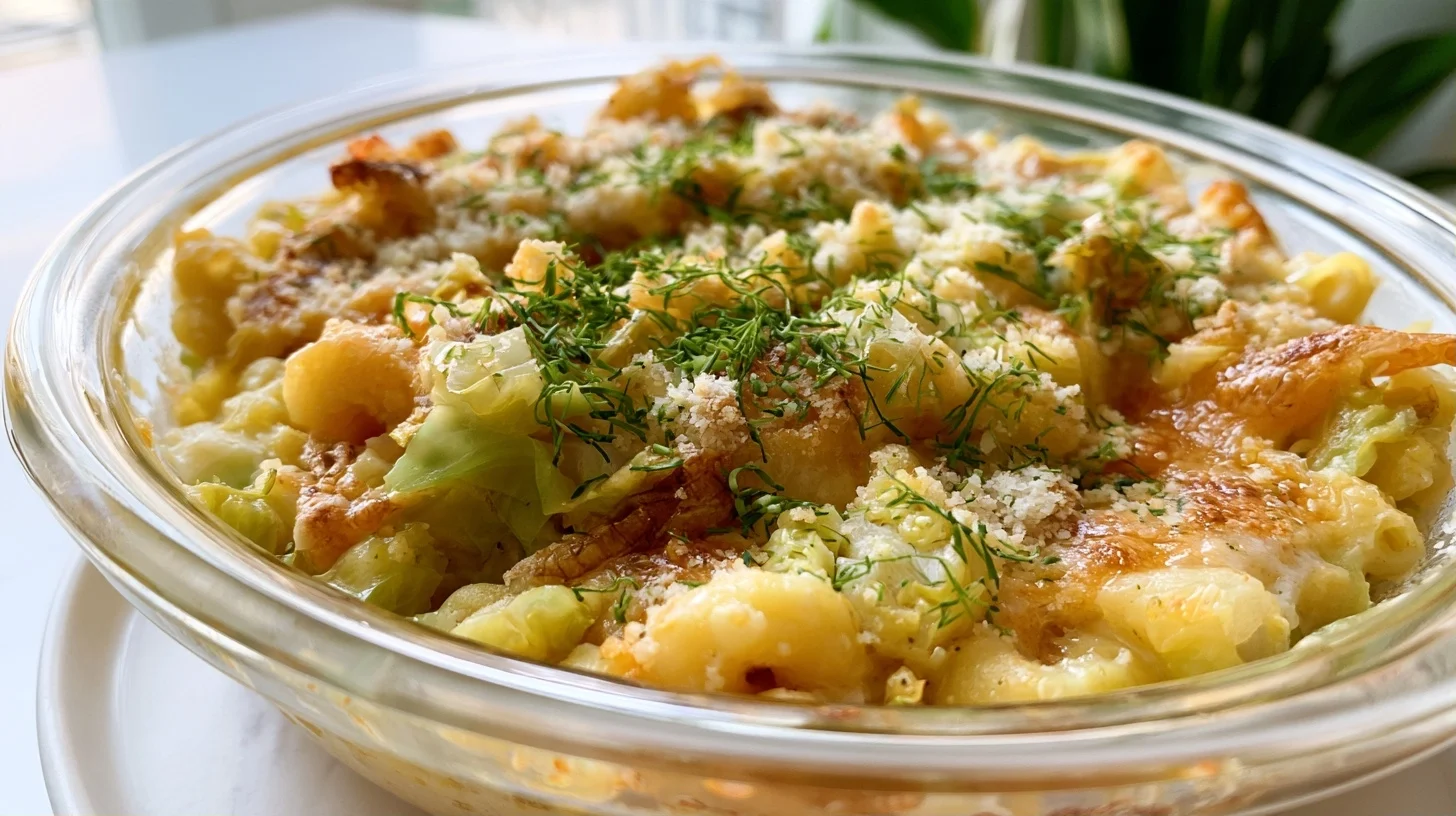
Table of contents
- Why You Will Love This Cabbage Macaroni and Cheese Recipe
- Essential Equipment for Cabbage Mac and Cheese
- How to Make Perfect Cabbage Macaroni and Cheese
- How to Get Creamy Cabbage Mac and Cheese Every Time
- Common Mistakes When Making Cabbage Mac and Cheese
- Delicious Variations for Cabbage Mac and Cheese
- Nutrition Benefits of Cabbage Mac and Cheese
- Best Ways to Serve Cabbage Macaroni and Cheese Recipe
- How to Store Cabbage Mac and Cheese
- Frequently Asked Questions about Cabbage Macaroni and Cheese Recipe
Why You Will Love This Cabbage Macaroni and Cheese Recipe
- The cabbage becomes tender and sweet as it cooks, adding a subtle vegetable element that enhances rather than overwhelms the cheese sauce.
- This recipe comes together in about 30 minutes using just one pot for the pasta and cabbage, then a simple pan for the cheese sauce.
- The combination creates a lighter version of traditional mac and cheese while still delivering the creamy, satisfying texture you crave.
- Leftovers reheat beautifully and the flavors actually deepen after a day in the refrigerator.
Essential Equipment for Cabbage Mac and Cheese
This recipe requires minimal equipment, making it accessible for any kitchen. The key is using tools that allow you to control the cooking process and achieve that perfectly creamy sauce.
- Large pot: You need enough room to cook the pasta and cabbage together without crowding, which ensures even cooking and prevents the pasta from becoming gummy.
- Medium saucepan: A heavy-bottomed pan works best for the cheese sauce because it distributes heat evenly and reduces the risk of scorching the milk or butter.
- Colander: Draining the pasta and cabbage thoroughly is essential because excess water will dilute your cheese sauce and make the finished dish watery.
- Wooden spoon or silicone spatula: These tools allow you to stir the cheese sauce gently without scratching your pan, and they help you scrape down the sides to prevent any cheese from sticking and burning.
- Sharp knife and cutting board: Cutting the cabbage into uniform pieces ensures it cooks at the same rate as the pasta, preventing some pieces from being too crunchy while others turn mushy.
How to Make Perfect Cabbage Macaroni and Cheese
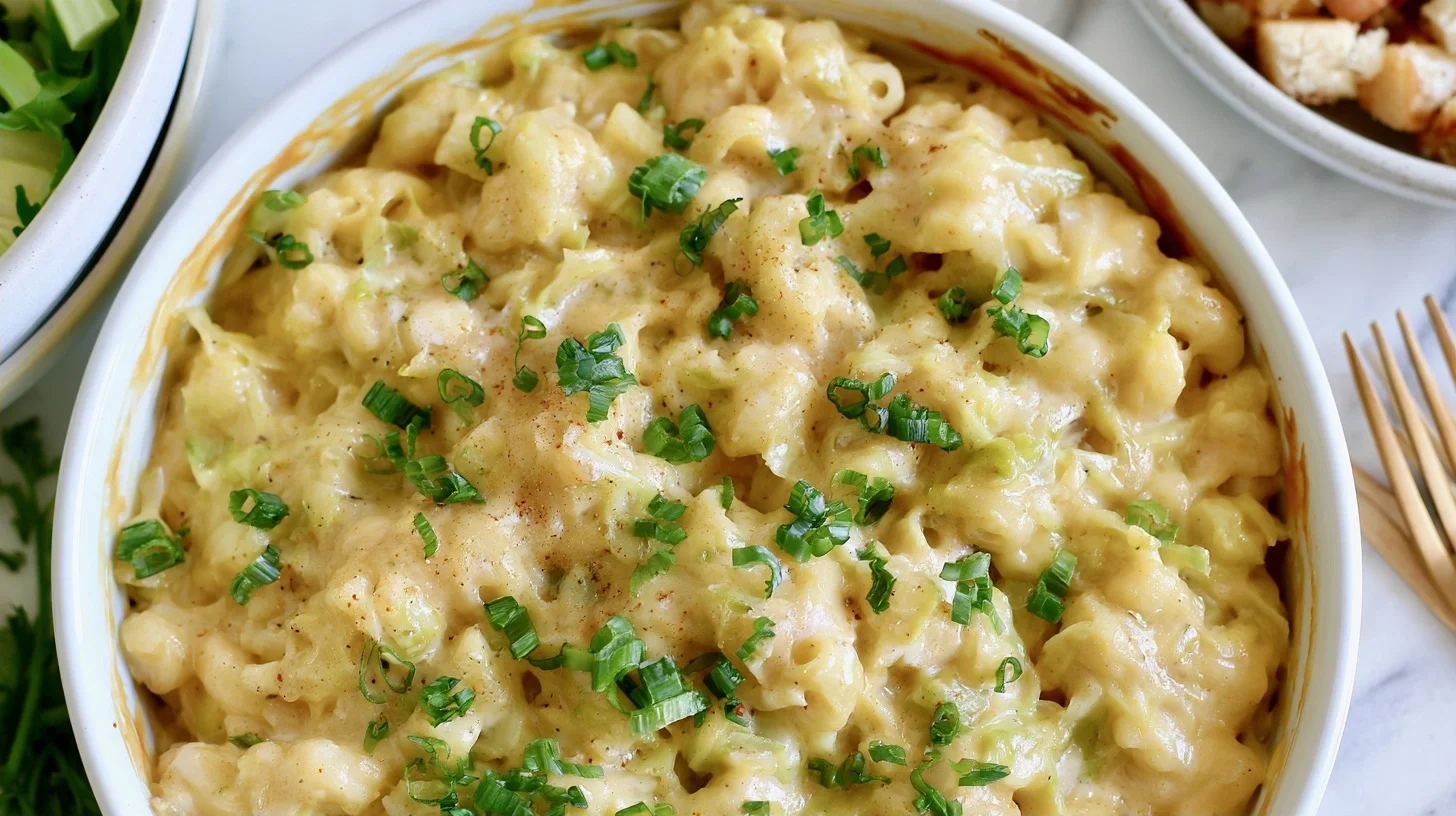
Cabbage Macaroni and Cheese
6
servings10
minutes20
minutes380
kcalThis cabbage macaroni and cheese combines tender green cabbage with creamy cheese sauce and elbow macaroni for a comforting dish that feels both familiar and fresh. The cabbage cooks directly with the pasta, softening into the background while adding a subtle sweetness and pleasant texture that lightens the richness of traditional mac and cheese.
Keep the screen of your device on
Ingredients
12 oz elbow macaroni
3 cups green cabbage
3 tablespoons butter
2 cups whole milk
2.5 cups sharp cheddar cheese
1 teaspoon salt
0.5 teaspoon black pepper
0.25 teaspoon garlic powder
Directions
- Bring a large pot of salted water to a boil over high heat, using about 1 tablespoon of salt for every 4 quarts of water. The salted water seasons the pasta and cabbage as they cook, which is essential because you cannot effectively season them afterward.
- Add the elbow macaroni to the boiling water and stir immediately to prevent sticking. Set a timer for 3 minutes while the pasta begins cooking.
- After 3 minutes, add the chopped cabbage to the pot with the pasta and stir gently to submerge all the pieces. Continue cooking for another 5 to 7 minutes until both the pasta and cabbage are tender.
- While the pasta and cabbage cook, melt the butter in a medium saucepan over medium heat. Once the butter is fully melted and begins to foam slightly, add the milk and stir constantly.
- Heat the milk and butter mixture until it’s steaming and small bubbles form around the edges, but do not let it boil. This should take about 3 to 4 minutes.
- Reduce the heat to medium-low and add the shredded cheddar cheese in three additions, stirring constantly after each addition until the cheese melts completely before adding more. This gradual method prevents the cheese from clumping and ensures a smooth sauce.
Notes
- Shredding cheese from a block rather than using pre-shredded cheese produces a noticeably smoother sauce because pre-shredded varieties contain anti-caking agents that prevent proper melting.
- If the cheese sauce becomes too thick after combining with the pasta and cabbage, stir in milk one tablespoon at a time until you reach your desired consistency.
- Store leftovers in an airtight container in the refrigerator for up to 4 days. Reheat gently with a splash of milk to restore the creamy texture.
Nutrition Facts
- Serving Size: 1 g
- Total number of serves: 6
- Calories: 380kcal
- Fat: 16g
- Carbohydrates: 42g
- Fiber: 3g
- Protein: 15g
Did you make this recipe?
Tag @therecipemasterblog on Instagram and hashtag it with #therecipemaster
Like this recipe?
Follow @therecipemasterblog on Pinterest
Follow us on Facebook!
Follow The Recipe Master on Facebook
How to Get Creamy Cabbage Mac and Cheese Every Time
The key to exceptional cabbage macaroni and cheese lies in timing and technique. When you cook the cabbage with the pasta, both elements finish at the same moment, and the cabbage releases just enough moisture to help the cheese sauce coat everything evenly without becoming watery.
Cook the Cabbage and Pasta Together
Adding the cabbage to the boiling water about three minutes after the pasta goes in ensures both finish cooking at the same time. The cabbage should be tender but not falling apart, which happens when it cooks for roughly the same duration as elbow macaroni. This method also means fewer dishes to wash and allows the cabbage to absorb some of the starchy pasta water, which helps it integrate better with the cheese sauce later.
Make the Cheese Sauce While the Pasta Cooks
Starting your cheese sauce while the pasta boils maximizes efficiency and ensures everything stays hot when you combine them. Melt the butter over medium heat, then add the milk gradually while stirring constantly. The sauce should reach a smooth, pourable consistency before you add the shredded cheese. Adding cheese to a properly heated milk base prevents it from clumping or separating, which is the most common cause of grainy mac and cheese.
Drain Thoroughly But Don’t Rinse
After draining the pasta and cabbage, shake the colander a few times to remove excess water, but never rinse them under cold water. The thin coating of starch that remains on the pasta helps the cheese sauce cling to every piece, creating that cohesive, creamy texture. Rinsing washes away this starch and cools down your pasta, which makes it harder for the cheese sauce to coat properly.
Combine Everything Off the Heat
Once your cheese sauce is smooth and your pasta and cabbage are drained, remove the saucepan from the heat before stirring in the macaroni and cabbage. This prevents the cheese from overcooking and becoming stringy or separated. Stir gently but thoroughly until every piece is coated, then serve immediately while the sauce is at its creamiest. If you need to check out another creative mac and cheese variation, the same technique applies.
Common Mistakes When Making Cabbage Mac and Cheese
Adding the Cabbage Too Early
If you add the cabbage at the same time as the pasta, it will overcook and become mushy by the time the macaroni is done. Overcooked cabbage releases too much moisture and loses its structure, turning into limp, watery pieces that make the entire dish feel soggy. Wait until the pasta has been boiling for about three minutes before adding the cabbage, which gives both ingredients the right texture at the same time.
Using Pre-Shredded Cheese
Pre-shredded cheese contains anti-caking agents like cellulose or potato starch, which prevent the cheese from melting smoothly into a creamy sauce. These additives cause the sauce to feel grainy or separated instead of silky. Shredding your own cheese from a block takes only a minute and results in a noticeably smoother, more cohesive sauce that coats the pasta and cabbage beautifully.
Cooking the Cheese Sauce Over High Heat
High heat causes the proteins in cheese to seize up and separate from the fat, creating a broken sauce that looks oily and feels grainy. Always make your cheese sauce over medium or medium-low heat, stirring frequently. The milk should be warm and steaming but not boiling when you add the cheese, and the cheese should melt gradually into the liquid rather than clumping together.
Not Draining the Pasta and Cabbage Well Enough
Excess water clinging to the pasta and cabbage dilutes the cheese sauce, turning it thin and watery instead of rich and creamy. After draining, give the colander several firm shakes to remove as much water as possible. You can even let it sit for 30 seconds to allow more water to drip away. This small step makes a significant difference in the final texture of your dish.
Delicious Variations for Cabbage Mac and Cheese
Add Protein for a Complete Meal
Stirring in cooked chicken, crispy bacon, or browned ground beef transforms this side dish into a satisfying main course. Add the cooked protein after combining the pasta, cabbage, and cheese sauce, stirring gently to distribute it evenly. Leftover rotisserie chicken works particularly well because it’s already seasoned and shreds easily into bite-sized pieces.
Make Cabbage Macaroni and Cheese Recipe Spicy
A pinch of cayenne pepper or a few dashes of hot sauce added to the cheese sauce gives the dish a gentle heat that complements the mild sweetness of the cabbage. Start with a small amount and taste as you go, since the heat intensifies slightly as the dish sits. Red pepper flakes sprinkled on top before serving add both heat and a pop of color.
Try Different Cheeses
While sharp cheddar creates a classic flavor, mixing in other cheeses changes the character of the dish entirely. Gruyere adds a nutty richness, while smoked gouda contributes a subtle smoky depth that pairs beautifully with cabbage. Using a combination of cheeses, such as half sharp cheddar and half monterey jack, creates a more complex flavor while maintaining excellent melting properties.
Make Cabbage Macaroni and Cheese Recipe Gluten-Free
Substitute gluten-free elbow macaroni for regular pasta, using the same cooking method and timing. Most gluten-free pasta varieties cook in a similar timeframe to wheat pasta, but check the package instructions to be sure. The cheese sauce is naturally gluten-free, so this single swap makes the entire dish suitable for gluten-sensitive diets without compromising texture or flavor.
Nutrition Benefits of Cabbage Mac and Cheese
This dish provides a more balanced nutritional profile than traditional macaroni and cheese because the cabbage adds fiber and vitamins without significantly increasing calories. Each serving delivers approximately 380 calories along with 15 grams of protein from the cheese and milk, which helps keep you satisfied longer than pasta alone.
The cabbage contributes vitamin C, vitamin K, and folate, while also adding about 3 grams of fiber per serving. This fiber content helps slow digestion and provides a more gradual release of energy compared to plain pasta. The cheese provides calcium and additional protein, making this a more complete meal than many pasta dishes. While it’s still a comfort food, the addition of cabbage makes it a slightly more nutritious choice when you’re craving something creamy and satisfying.
Best Ways to Serve Cabbage Macaroni and Cheese Recipe
This dish works beautifully as a main course for lunch or dinner, especially when you add protein like chicken or bacon. Serve it alongside a simple green salad with a tangy vinaigrette to balance the richness of the cheese sauce. The acidity in the dressing cuts through the creaminess and refreshes your palate between bites.
For a heartier meal, pair it with roasted vegetables like broccoli, Brussels sprouts, or green beans. The crispy, caramelized edges of roasted vegetables provide a textural contrast to the soft, creamy pasta and cabbage. If you’re serving this as a side dish, it complements grilled meats, baked chicken, or even simple pan-fried pork chops. The mild flavor of the cabbage mac and cheese doesn’t compete with boldly seasoned proteins, making it a versatile addition to many different meals.
How to Store Cabbage Mac and Cheese
Transfer any leftovers to an airtight container once the dish has cooled to room temperature, which usually takes about 30 minutes. Store it in the refrigerator for up to four days. The cheese sauce will thicken as it cools, but it loosens again when you reheat it.
To reheat, add a splash of milk to the portion you’re warming and heat it gently in the microwave or on the stovetop over low heat, stirring occasionally. The milk helps restore the creamy consistency and prevents the cheese from becoming dry or grainy. If you’re reheating a larger portion on the stovetop, use medium-low heat and stir frequently to ensure even warming without scorching the bottom.
This dish doesn’t freeze particularly well because the cheese sauce tends to separate and become grainy when thawed. If you do need to freeze it, use it within one month and expect a slight change in texture. Thaw it in the refrigerator overnight before reheating, and add extra milk to help bring the sauce back together.
Frequently Asked Questions about Cabbage Macaroni and Cheese Recipe
Yes, you can use shells, rotini, or penne instead of elbow macaroni. Choose a pasta shape with curves or ridges that will hold the cheese sauce well, and adjust the cooking time according to the package directions.
Green cabbage works best for this recipe because it has a mild, slightly sweet flavor and holds its shape well during cooking. Red cabbage will also work, but it may turn the dish slightly purple and has a stronger flavor.
You can prepare the components separately and combine them just before serving. Cook the pasta and cabbage, drain them well, and store them in the refrigerator. Make the cheese sauce fresh when you’re ready to serve, then warm the pasta and cabbage briefly before mixing everything together.
Grainy cheese sauce usually results from cooking the cheese over too high heat or using pre-shredded cheese that contains anti-caking agents. Always melt cheese over medium or medium-low heat and use freshly shredded cheese from a block for the smoothest results.




Leave a Reply