

There’s something irresistible about a bold, smoky sauce that transforms everything it touches. Red chimichurri sauce is the spicy, vibrant cousin of the classic green version, and it brings a whole new level of depth to grilled meats, roasted vegetables, and even crusty bread. I first tasted this Argentinian condiment at a steakhouse in Buenos Aires, and I’ve been obsessed ever since. After testing more than a dozen variations, I discovered the secret: lightly charring the peppers before blending them unlocks a smoky sweetness that makes this sauce unforgettable.
This recipe is incredibly versatile. Serve it alongside steak, drizzle it over grilled chicken, or use it as a marinade for vegetables. The combination of roasted red peppers, paprika, and a hint of heat creates a sauce that’s both complex and incredibly easy to make. In my testing, I found that letting the sauce rest for at least 30 minutes before serving allows the flavors to meld beautifully, resulting in a more balanced and aromatic condiment.
Whether you’re hosting a summer barbecue or simply looking to elevate your weeknight dinner, this red chimichurri sauce is a game-changer. It comes together in less than 15 minutes, and the results taste like you spent hours in the kitchen. Let’s dive into what makes this version stand out.
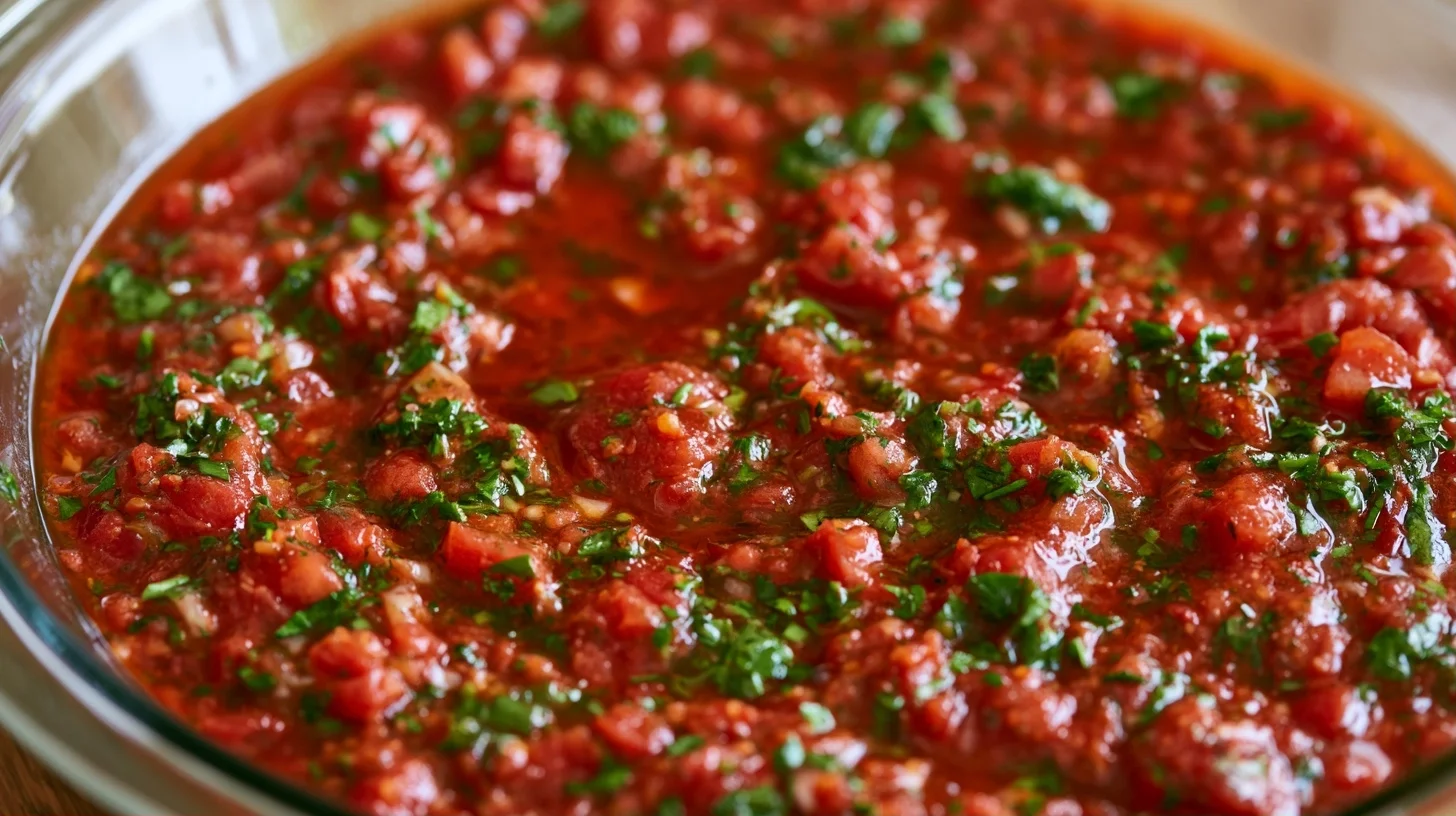
Table of contents
- Why You Will Love This Red Chimichurri Sauce
- What You Will Need to Make This Red Chimichurri Sauce
- How to Make Red Chimichurri Sauce That Tastes Authentic
- The Key Techniques That Make This Red Chimichurri Sauce Stand Out
- Mistakes to Avoid When Making Red Chimichurri Sauce
- Creative Variations to Try with Red Chimichurri Sauce
- Nutrition Breakdown for Red Chimichurri Sauce
- How to Serve Red Chimichurri Sauce Like a Pro
- Storing and Keeping Your Red Chimichurri Sauce Fresh
- Frequently Asked Questions
Why You Will Love This Red Chimichurri Sauce
- This sauce delivers a smoky, tangy flavor that pairs perfectly with grilled meats and roasted vegetables.
- It comes together in just 15 minutes with minimal prep and no cooking required once the peppers are roasted.
- The recipe is naturally gluten-free and dairy-free, making it suitable for a variety of dietary preferences.
- You can adjust the heat level easily by adding more or fewer chili flakes to suit your taste.
What You Will Need to Make This Red Chimichurri Sauce
This recipe requires very little specialized equipment, which is part of its charm. However, having the right tools makes the process smoother and ensures the best texture. Here’s what I recommend keeping on hand.
- Food processor or blender: Essential for achieving a smooth, emulsified consistency. A food processor gives you more control over texture, while a blender creates a slightly finer sauce.
- Baking sheet: Used for roasting the red peppers under the broiler. A rimmed sheet prevents any juices from spilling.
- Tongs: Helpful for turning the peppers while they char evenly on all sides.
- Glass jar with lid: Perfect for storing the sauce in the fridge. A glass container prevents staining and keeps the sauce fresh longer.
- Measuring cups and spoons: Accuracy matters for balancing the acidity, oil, and spices in this recipe.
How to Make Red Chimichurri Sauce That Tastes Authentic
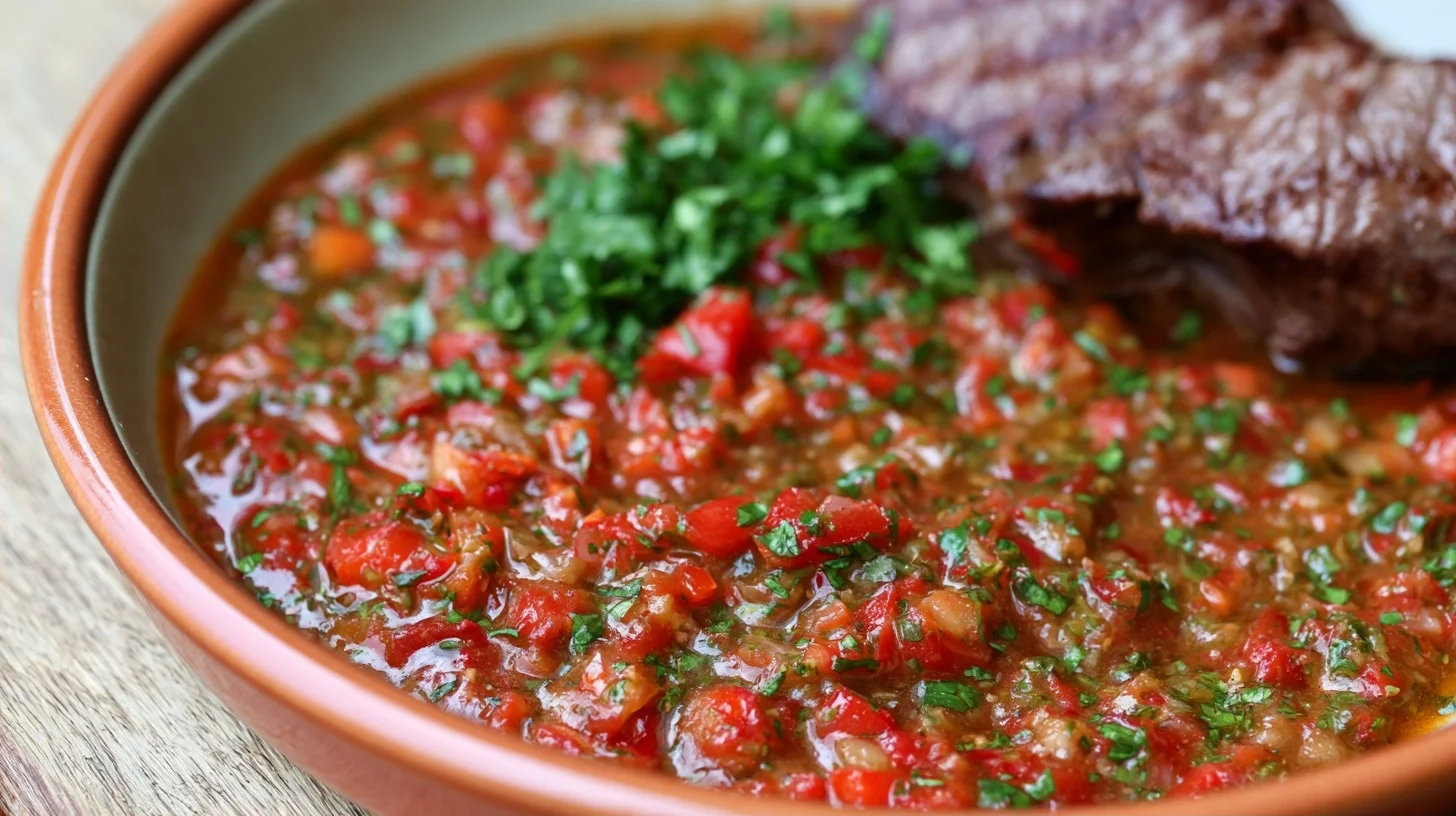
Red Chimichurri Sauce
8
servings10
minutes10
minutes90
kcalThis red chimichurri sauce is a smoky, tangy Argentinian condiment made with roasted red peppers, garlic, and spices. The secret is charring the peppers before blending to unlock a deep, complex flavor. Perfect for grilled meats, roasted vegetables, or as a marinade.
Keep the screen of your device on
Ingredients
2 large red bell peppers
4 cloves garlic
0.5 cup extra virgin olive oil
3 tablespoons red wine vinegar
1 teaspoon smoked paprika
0.5 teaspoon red chili flakes
0.5 teaspoon ground cumin
0.25 teaspoon sea salt
0.25 teaspoon black pepper
1 tablespoon fresh parsley
Directions
- Roast the red bell peppers by placing them directly under the broiler on a baking sheet. Turn them every 2 to 3 minutes until the skins are blackened and blistered all over, about 8 to 10 minutes total. This charring step is essential for developing the smoky flavor that defines authentic red chimichurri.
- Transfer the charred peppers to a bowl and cover tightly with plastic wrap. Let them steam for 10 minutes. This loosens the skins and makes them easy to peel. Once cooled, peel off the skins, remove the seeds, and discard the stems.
- Add the roasted peppers to a food processor along with the garlic, olive oil, red wine vinegar, smoked paprika, chili flakes, cumin, salt, and black pepper. Pulse in short bursts until the mixture is mostly smooth but still has some texture. Avoid over-blending, as the sauce should retain a slightly chunky consistency.
- Taste and adjust the seasoning by adding more salt, vinegar, or chili flakes as needed. If the sauce is too thick, drizzle in a little more olive oil and pulse again. The balance of acidity and oil is key to a well-rounded sauce.
- Transfer the sauce to a glass jar and let it rest at room temperature for at least 30 minutes before serving. This resting time allows the flavors to meld and develop. For even better results, refrigerate overnight and bring to room temperature before using.
- Serve the red chimichurri sauce drizzled over grilled steak, roasted vegetables, or crusty bread. Store any leftovers in an airtight container in the refrigerator for up to one week, or freeze in ice cube trays for up to three months.
Notes
- The ideal ratio of oil to vinegar for red chimichurri sauce is three parts oil to one part vinegar, which ensures a balanced, tangy flavor without overwhelming acidity.
- Charring the peppers directly under the broiler instead of using jarred peppers adds a deeper, smokier flavor that cannot be replicated.
- Letting the sauce rest for at least 30 minutes before serving allows the garlic to mellow and the spices to bloom, resulting in a more cohesive flavor.
- You can substitute sherry vinegar for half of the red wine vinegar for a more complex tang.
Nutrition Facts
- Serving Size: 1 g
- Total number of serves: 8
- Calories: 90kcal
- Fat: 9g
- Carbohydrates: 2g
- Fiber: 1g
- Protein: 0g
Did you make this recipe?
Tag @therecipemasterblog on Instagram and hashtag it with #therecipemaster
Like this recipe?
Follow @therecipemasterblog on Pinterest
Follow us on Facebook!
Follow The Recipe Master on Facebook
The Key Techniques That Make This Red Chimichurri Sauce Stand Out
After making this sauce countless times, I’ve learned a few tricks that elevate it from good to exceptional. These tips ensure you get the perfect balance of smokiness, acidity, and heat every time.
Char the Peppers Properly for Maximum Flavor
The secret to authentic red chimichurri is charring the peppers until the skins are blackened and blistered. I place them directly under the broiler for about 8 to 10 minutes, turning them every few minutes. This step adds a deep, smoky flavor that you simply cannot achieve with jarred roasted peppers. Once charred, I transfer them to a bowl and cover it with plastic wrap for 10 minutes. The steam loosens the skins, making them easy to peel.
Balance the Acidity with the Right Vinegar
Red wine vinegar is traditional, but I’ve found that a combination of red wine vinegar and a splash of sherry vinegar creates a more complex tang. The ideal ratio for red chimichurri sauce is three parts oil to one part vinegar. This ensures the sauce is bright without being too sharp. If you find it too acidic, add a pinch of sugar to round out the flavors.
Let the Sauce Rest Before Serving
This is the step most recipes skip, but it makes a huge difference. After blending, I let the sauce sit at room temperature for at least 30 minutes. During this time, the garlic mellows, the spices bloom, and the flavors meld together beautifully. For even better results, refrigerate it overnight. The sauce will thicken slightly and develop a richer, more cohesive taste.
Use Fresh Garlic and Quality Olive Oil
Fresh garlic is non-negotiable in this recipe. Pre-minced garlic from a jar lacks the pungency and brightness you need. I also recommend using a good-quality extra virgin olive oil, as it forms the base of the sauce. A fruity, robust oil complements the smoky peppers and adds a silky texture. If you want to explore the traditional roots of this condiment, check out this detailed history of chimichurri for more context.
Adjust the Heat to Your Preference
I use red chili flakes for a moderate kick, but you can easily customize the heat. For a milder sauce, reduce the chili flakes to a quarter teaspoon. If you love heat, add a fresh red chili or a pinch of cayenne. Taste as you go and adjust gradually. Remember, you can always add more spice, but you cannot take it away.
Mistakes to Avoid When Making Red Chimichurri Sauce
Even a simple recipe like this can go wrong if you skip a few key steps. I’ve made these mistakes myself, so I know how to help you avoid them.
Using Jarred Roasted Peppers Without Draining Them
If you use jarred peppers instead of roasting your own, make sure to drain and pat them dry thoroughly. Excess liquid dilutes the sauce and makes it watery. I fix this by spreading the peppers on paper towels and pressing gently to remove moisture before blending.
Over-Blending the Sauce
Red chimichurri should have a slightly chunky texture, not a completely smooth puree. I recommend pulsing the food processor in short bursts rather than running it continuously. This preserves some texture and prevents the sauce from becoming paste-like.
Skipping the Resting Time
Serving the sauce immediately after blending is a common mistake. The flavors need time to develop and harmonize. I always make this sauce at least 30 minutes ahead, and ideally a few hours before serving. The difference in flavor is dramatic.
Adding Too Much Salt Too Early
Salt intensifies as the sauce sits, so I recommend starting with less than you think you need. I add a small pinch during blending, then taste and adjust after the resting period. This prevents the sauce from becoming overly salty.
Creative Variations to Try with Red Chimichurri Sauce
One of the best things about this sauce is how adaptable it is. I’ve experimented with many variations, and each one brings something unique to the table.
Smoky Chipotle Red Chimichurri
Add one or two chipotle peppers in adobo sauce for a deeper, smokier flavor with a hint of sweetness. This version pairs beautifully with grilled pork or chicken. I also reduce the chili flakes slightly to avoid overwhelming heat.
Herbaceous Red Chimichurri with Fresh Oregano
Stir in a tablespoon of fresh oregano leaves after blending to add a bright, herbaceous note. This variation is closer to the traditional green chimichurri but maintains the smoky richness of the roasted peppers. It’s excellent with chimichurri flank steak or lamb.
Citrus-Spiked Red Chimichurri
Replace half of the vinegar with fresh lime juice for a brighter, more citrus-forward sauce. I love this version drizzled over grilled shrimp or fish tacos. The lime juice also helps cut through rich, fatty meats.
Vegan and Gluten-Free Red Chimichurri
This recipe is already naturally vegan and gluten-free, but you can enhance it by adding a tablespoon of nutritional yeast for a subtle umami boost. This works especially well if you’re serving it with roasted vegetables or grain bowls.
Spicy Habanero Red Chimichurri
For serious heat lovers, add half a fresh habanero pepper to the blend. Be sure to remove the seeds unless you want an extremely spicy sauce. This variation is perfect for those who want to kick things up a notch. If you’re a fan of bold flavors, you might also enjoy pairing this with a classic chimichurri sauce for a side-by-side comparison.
Nutrition Breakdown for Red Chimichurri Sauce
This sauce is surprisingly nutritious, thanks to the healthy fats from olive oil and the vitamins from roasted peppers. Each serving contains approximately 90 calories, with 9 grams of fat, 2 grams of carbohydrates, and less than 1 gram of protein. The fat comes primarily from heart-healthy monounsaturated fats found in olive oil.
Red peppers are also rich in vitamin C and antioxidants, which support immune health and reduce inflammation. Because this sauce is so flavorful, a little goes a long way, making it easy to enjoy without overdoing the calories. It’s a smart choice for anyone looking to add bold flavor to their meals without excess sodium or sugar.
How to Serve Red Chimichurri Sauce Like a Pro
This sauce is incredibly versatile and works with far more than just steak. I love drizzling it over grilled vegetables, roasted potatoes, or even scrambled eggs for a breakfast twist. It also makes a fantastic marinade for chicken, pork, or lamb. Simply coat the meat in the sauce and let it sit for at least an hour before grilling or roasting.
For a crowd-pleasing appetizer, serve it alongside crusty bread, crackers, or grilled flatbreads. You can also use it as a dipping sauce for roasted vegetables or fried plantains. I’ve even stirred it into pasta for a quick, flavorful weeknight dinner. The possibilities are endless, and the bold, smoky flavor always steals the show.
Storing and Keeping Your Red Chimichurri Sauce Fresh
Store your red chimichurri sauce in an airtight glass jar in the refrigerator for up to one week. The oil may solidify slightly when chilled, but it will return to its original consistency at room temperature. I recommend letting it sit out for about 15 minutes before serving to bring out the full flavor.
You can also freeze this sauce for up to three months. I like to portion it into ice cube trays for easy single servings. Once frozen, transfer the cubes to a freezer-safe bag. This way, you can pop out a cube or two whenever you need a quick flavor boost. Thaw in the refrigerator overnight or at room temperature for about 30 minutes.
Frequently Asked Questions
Yes, you can use jarred roasted red peppers. Make sure to drain and pat them dry thoroughly to avoid a watery sauce. However, roasting your own peppers adds a deeper, smokier flavor that jarred versions cannot replicate.
Red chimichurri sauce lasts up to one week in the refrigerator when stored in an airtight glass jar. For longer storage, you can freeze it in ice cube trays for up to three months.
Red chimichurri uses roasted red peppers and paprika, giving it a smoky, slightly sweet flavor. Green chimichurri is made with fresh parsley, cilantro, and herbs, resulting in a brighter, more herbaceous taste. Both are delicious but serve different flavor profiles.
Yes, you can reduce or omit the red chili flakes entirely for a milder sauce. You can also remove the seeds from any fresh peppers you add to control the heat level.




Leave a Reply