

- Sauté onions until translucent and add garlic until fragrant, keeping heat moderate to avoid browning and bitter garlic.
- Stir in tomato paste and cook one to two minutes to caramelize sugars and remove raw metallic flavor.
- Bring to a gentle simmer and cook 30 to 45 minutes until the sauce thickens and clings to pasta.
- Always taste at the end; adjust salt, add a pinch of sugar or splash of balsamic for acidity, finish with fresh basil.
- This sauce is freezer-friendly, adaptable to meat, vegetarian, spicy, or creamy versions, and stores five days refrigerated or three months frozen.
A rich, flavorful spaghetti sauce recipe is one of those foundational skills that transforms weeknight dinners and weekend gatherings alike. This version builds deep, layered flavor by gently simmering tomatoes with aromatics, fresh herbs, and just enough seasoning to let the natural sweetness of the tomatoes shine through. Unlike jarred versions that often taste flat or overly sweet, homemade sauce gives you complete control over texture, seasoning, and ingredient quality.
What makes this approach especially reliable is the balance between simplicity and technique. You don’t need exotic ingredients or hours of hands-off simmering to achieve a sauce that clings beautifully to pasta, tastes vibrant, and smells like an Italian kitchen. The key is understanding how heat, time, and ingredient order work together to concentrate flavor without bitterness.
Whether you’re making a quick weeknight dinner or preparing a batch to freeze for later, this recipe delivers consistent results with minimal fuss and maximum flavor payoff.
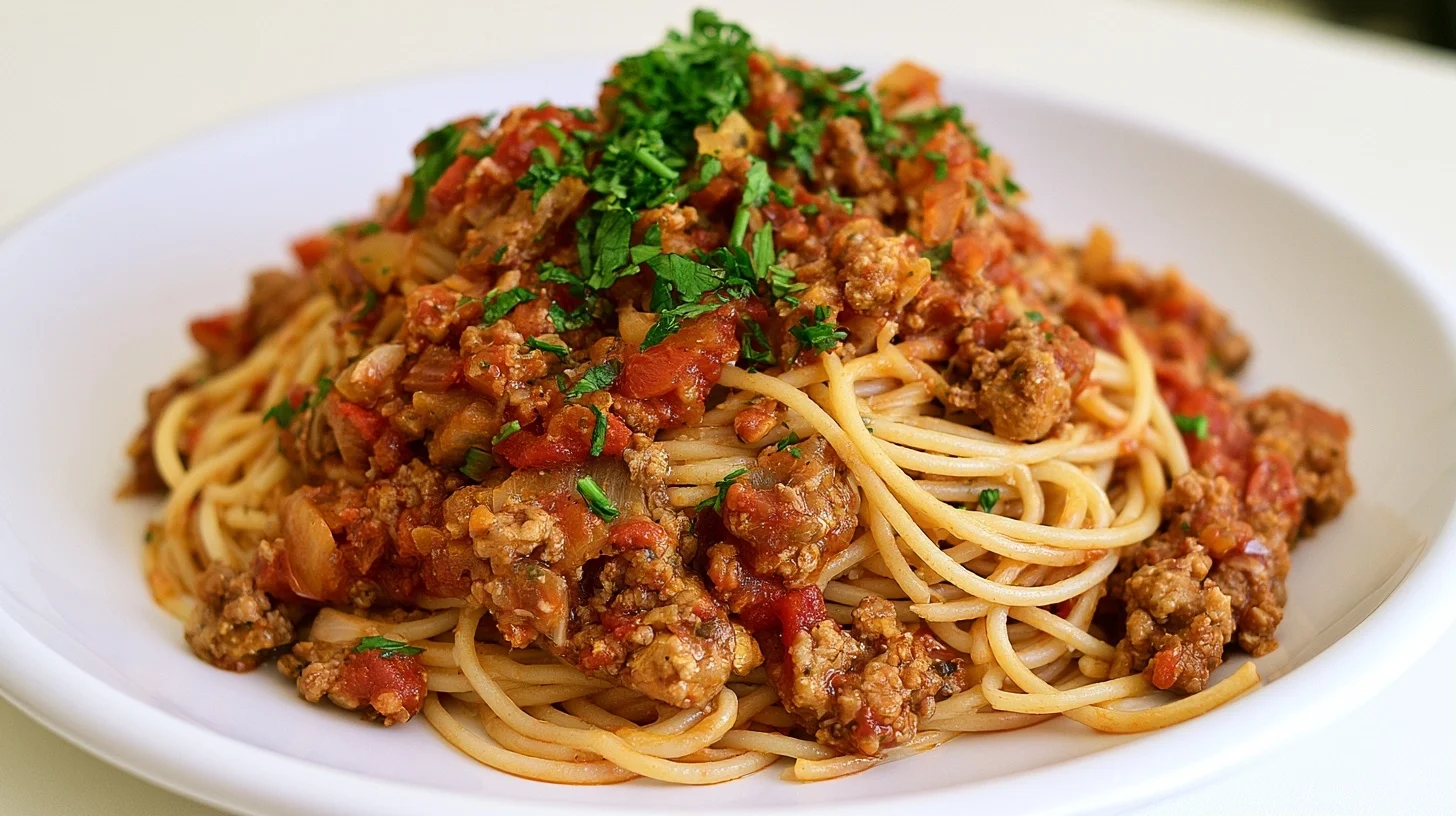
Table of contents
- Why You Will Love This Spaghetti Sauce Recipe
- Essential Equipment for Making Spaghetti Sauce
- How to Make the Best Homemade Spaghetti Sauce
- How to Build Deep Flavor Without Hours of Simmering
- Common Mistakes That Ruin Homemade Spaghetti Sauce Recipe
- Easy Variations for Different Tastes and Diets
- Nutrition Breakdown and Healthier Adjustments
- Best Ways to Serve Spaghetti Sauce Recipe
- How to Store and Reheat Spaghetti Sauce
- Frequently Asked Questions about Spaghetti Sauce Recipe
Why You Will Love This Spaghetti Sauce Recipe
- Builds deep, layered flavor in under an hour using pantry-friendly ingredients.
- Freezes beautifully, making it easy to prepare large batches for future meals.
- Balances natural tomato sweetness with savory garlic and herbs without tasting acidic or overly sweet.
- Adaptable to dietary preferences, including vegetarian, vegan, and low-sodium variations.
Essential Equipment for Making Spaghetti Sauce
The right equipment helps you build flavor efficiently and prevents common problems like scorching or uneven cooking. Here’s what you’ll actually use:
- Large heavy-bottomed saucepan or Dutch oven: A thick base distributes heat evenly, preventing hot spots that can burn the garlic or tomatoes during simmering.
- Wooden spoon: Won’t scratch your pan and allows you to scrape up flavorful browned bits from the bottom without damaging the surface.
- Sharp chef’s knife: Makes quick work of chopping onions, garlic, and fresh herbs with clean cuts that release flavor without bruising.
- Measuring spoons and cups: Ensures consistent seasoning and helps you replicate successful batches.
- Immersion blender (optional): If you prefer a smoother sauce, an immersion blender lets you control texture without transferring hot liquid to a countertop blender.
How to Make the Best Homemade Spaghetti Sauce
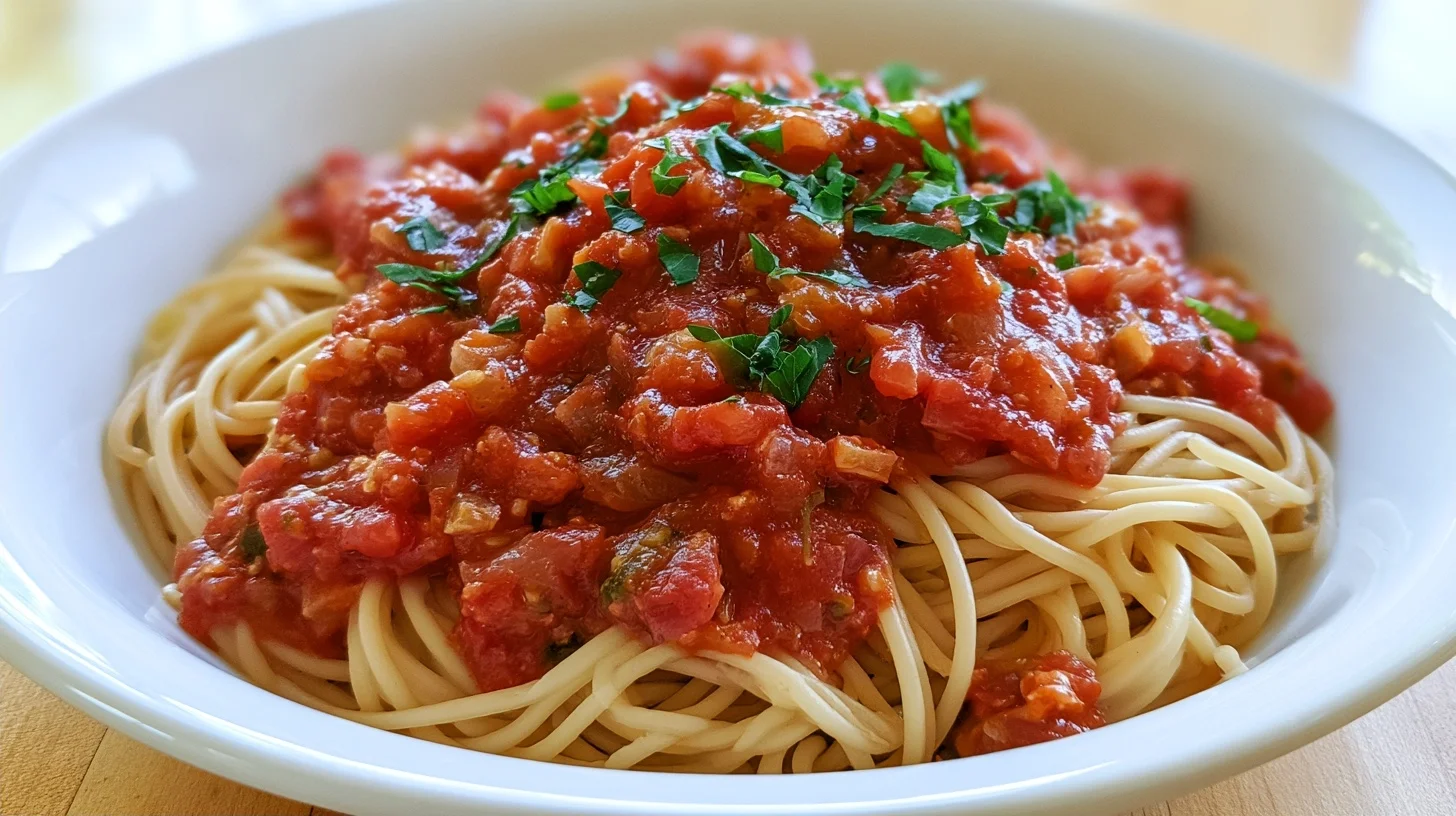
Homemade Spaghetti Sauce
6
servings10
minutes40
minutes95
kcalThis homemade spaghetti sauce builds deep, layered flavor by gently simmering tomatoes with garlic, onions, and fresh herbs. The key is controlling the heat and giving the sauce enough time to concentrate without overcooking, resulting in a rich, balanced sauce that clings beautifully to pasta.
Keep the screen of your device on
Ingredients
2 tablespoons olive oil
1 medium onion
4 cloves garlic
2 tablespoons tomato paste
28 ounces crushed tomatoes
1 teaspoon dried oregano
1 teaspoon dried basil
0.5 teaspoon salt
0.25 teaspoon black pepper
1 teaspoon sugar
Directions
- Heat the olive oil in a large heavy-bottomed saucepan or Dutch oven over medium heat until it shimmers slightly but does not smoke.
- Add the chopped onion and cook for 4 to 5 minutes, stirring occasionally, until softened and translucent but not browned.
- Stir in the minced garlic and cook for 1 to 2 minutes until fragrant and lightly golden. Watch carefully to prevent burning, as burnt garlic turns bitter.
- Add the tomato paste and stir constantly for 1 to 2 minutes until it darkens slightly and smells concentrated. This blooming step deepens the tomato flavor and removes any metallic taste.
- Pour in the crushed tomatoes along with the oregano, basil, salt, pepper, and sugar if using. Stir well to combine.
- Bring the sauce to a gentle simmer, then reduce the heat to low. Let the sauce simmer uncovered for 30 to 40 minutes, stirring occasionally to prevent sticking. The sauce should thicken and coat the back of a spoon.
Notes
- Simmering the sauce for at least 30 minutes allows the flavors to meld and the acidity to mellow, resulting in a more cohesive, balanced taste.
- If the sauce tastes too acidic, add a small pinch of sugar or a splash of balsamic vinegar to balance the flavor without making it sweet.
- Store leftover sauce in an airtight container in the refrigerator for up to 5 days, or freeze in portion-sized containers for up to 3 months.
Nutrition Facts
- Serving Size: 1g
- Total number of serves: 6
- Calories: 95kcal
- Fat: 5g
- Carbohydrates: 11g
- Fiber: 3g
- Protein: 2g
Did you make this recipe?
Tag @therecipemasterblog on Instagram and hashtag it with #therecipemaster
Like this recipe?
Follow @therecipemasterblog on Pinterest
Follow us on Facebook!
Follow The Recipe Master on Facebook
How to Build Deep Flavor Without Hours of Simmering
The most reliable way to develop rich, complex flavor in spaghetti sauce is to layer aromatics, control heat, and give the tomatoes enough time to concentrate without overcooking. Here’s how to maximize flavor efficiently:
Sauté Aromatics Until Fragrant, Not Browned
Cooking garlic and onions in olive oil over medium heat releases their natural sugars and volatile compounds, which form the flavor foundation of the sauce. The goal is to soften the onions until translucent and cook the garlic until it smells sweet and nutty, usually about 3 to 4 minutes. If the garlic browns, it turns bitter and can overpower the finished sauce. Keep the heat moderate and stir frequently to prevent sticking.
Add Tomato Paste Before Canned Tomatoes
Stirring tomato paste into the hot aromatics and cooking it for 1 to 2 minutes deepens its color and caramelizes its sugars, which adds a subtle sweetness and richer tomato flavor. This step, called blooming, eliminates the raw, metallic taste that tomato paste can have straight from the can. You’ll notice the paste darken slightly and smell more concentrated.
Simmer Gently to Concentrate Flavor
Once you add the crushed tomatoes and seasonings, bring the sauce to a gentle simmer rather than a rolling boil. A gentle simmer allows water to evaporate slowly, concentrating the tomato flavor without breaking down the texture into a watery consistency. Simmering for 30 to 45 minutes gives the herbs time to infuse and the acidity time to mellow. Stir occasionally to prevent sticking and check the consistency. The sauce should coat the back of a spoon and cling to pasta rather than pooling at the bottom of the bowl.
Taste and Adjust Seasoning at the End
Tomatoes vary in acidity and sweetness depending on the brand and harvest, so tasting the sauce before serving is essential. If it tastes too acidic, a small pinch of sugar or a splash of balsamic vinegar can balance the flavor. If it tastes flat, add a bit more salt or a drizzle of olive oil. Fresh basil stirred in at the end brightens the sauce without cooking away its aroma. For a deeper, more savory flavor, consider adding a classic marinara base as a starting point.
Common Mistakes That Ruin Homemade Spaghetti Sauce Recipe
Burning the Garlic
Garlic burns quickly, especially when cooked over high heat or added too early. Burnt garlic tastes bitter and acrid, and once it burns, the flavor can’t be fixed. To prevent this, add garlic after the onions have softened and keep the heat at medium. If you notice the garlic starting to brown, immediately add the tomato paste or canned tomatoes to stop the cooking process. Mincing garlic finely also helps it cook evenly without scorching.
Using High Heat Throughout
High heat causes the sauce to boil rapidly, which breaks down the tomatoes unevenly and creates a watery, separated texture. It also causes the sugars in the tomatoes to caramelize too quickly, leading to burnt spots on the bottom of the pan. Always reduce the heat to a gentle simmer after bringing the sauce to a boil. This allows the flavors to meld and the sauce to thicken naturally without scorching.
Skipping the Simmer Time
Rushing the sauce by serving it immediately after adding the tomatoes results in a raw, one-dimensional flavor. Simmering for at least 30 minutes gives the herbs time to infuse, the acidity time to mellow, and the flavors time to concentrate. If you’re short on time, even 20 minutes of gentle simmering is better than none. The sauce should taste cohesive, not like individual ingredients sitting side by side.
Over-Salting Early
As the sauce simmers and reduces, the salt concentration increases. Adding too much salt at the beginning can result in an overly salty finished sauce. Start with a small amount, then taste and adjust toward the end of cooking. If you accidentally over-salt, a small amount of sugar or a splash of unsalted broth can help balance the flavor.
Easy Variations for Different Tastes and Diets
Meat Spaghetti Sauce Recipe
For a heartier sauce, brown 1 pound of ground beef, Italian sausage, or ground turkey in the pan before adding the onions. Break the meat into small crumbles and cook until no pink remains. Drain excess fat if needed, then proceed with the recipe. The meat adds richness and makes the sauce more filling, turning it into a complete one-pot meal when tossed with pasta.
Vegetarian and Vegan
This recipe is naturally vegetarian. To make it vegan, ensure your pasta is egg-free and skip any Parmesan garnish. For added umami depth without meat, stir in 1 tablespoon of nutritional yeast or a splash of soy sauce during the simmer. Finely chopped mushrooms, sautéed with the onions, also add a savory, meaty texture without animal products.
Spicy Arrabbiata Style
Add 1/2 to 1 teaspoon of red pepper flakes along with the garlic for a spicy kick. The heat infuses into the oil and distributes evenly throughout the sauce. Adjust the amount based on your heat tolerance. Fresh chili peppers, finely chopped, can also be used for a brighter, fresher heat.
Creamy Tomato Sauce
Stir in 1/4 to 1/2 cup of heavy cream or half-and-half at the end of cooking for a silky, creamy tomato sauce. The cream mellows the acidity and adds richness. For a lighter version, use whole milk or a splash of pasta cooking water mixed with a tablespoon of butter. This variation pairs especially well with penne or rigatoni.
Nutrition Breakdown and Healthier Adjustments
Homemade spaghetti sauce is naturally lower in sodium and sugar compared to most jarred versions, and it provides a good source of vitamins A and C from the tomatoes. A typical serving contains around 80 to 120 calories, depending on the amount of olive oil used. The sauce is low in protein and fat unless you add meat or cheese.
To reduce calories further, use less olive oil or replace some of it with a splash of vegetable broth. For a lower-carb option, serve the sauce over zucchini noodles, spaghetti squash, or shirataki noodles instead of traditional pasta. Adding vegetables like diced bell peppers, carrots, or spinach increases fiber and nutrient density without significantly changing the flavor. For those looking to explore different types of pasta sauces, learning how to make fresh pasta from scratch can elevate your sauce experience even further.
Best Ways to Serve Spaghetti Sauce Recipe
The most classic pairing is with spaghetti or any long pasta shape, but this sauce works equally well with penne, rigatoni, or shells. Toss the cooked pasta directly into the sauce rather than simply spooning sauce over the top. This allows the pasta to absorb some of the sauce and creates a more cohesive dish.
For a complete meal, serve with garlic bread, a simple green salad, or roasted vegetables. The sauce also works as a base for baked dishes like lasagna, stuffed shells, or eggplant Parmesan. A sprinkle of freshly grated Parmesan and a drizzle of olive oil just before serving adds richness and visual appeal.
How to Store and Reheat Spaghetti Sauce
Let the sauce cool to room temperature, then transfer it to an airtight container. It will keep in the refrigerator for up to 5 days. For longer storage, freeze the sauce in portion-sized containers or freezer bags for up to 3 months. Label each container with the date to keep track of freshness.
To reheat, warm the sauce gently on the stovetop over medium-low heat, stirring occasionally. If the sauce has thickened too much during storage, add a splash of water, broth, or pasta cooking water to loosen it. You can also reheat individual portions in the microwave, covered, in 30-second intervals. Avoid reheating the sauce multiple times, as this can degrade the flavor and texture.
Frequently Asked Questions about Spaghetti Sauce Recipe
Yes, you can use fresh tomatoes, but you’ll need about 3 pounds of ripe tomatoes, peeled and crushed. Fresh tomatoes contain more water, so the sauce will need to simmer longer to reach the same thickness as canned versions.
Add a pinch of sugar or a small splash of balsamic vinegar to balance the acidity. Simmering the sauce for at least 30 minutes also helps mellow the sharpness naturally.
Yes, sauté the garlic and onions first, then transfer everything to a slow cooker and cook on low for 4 to 6 hours. This method deepens the flavor even more and requires minimal attention.
Watery sauce usually means it hasn’t simmered long enough. Continue cooking uncovered over low heat until the sauce thickens and coats the back of a spoon. Avoid adding too much liquid at the start.




Leave a Reply