

The best salad dressing for weight loss is a light lemon vinaigrette made with just 5 ingredients and no added sugar. Each 2 tablespoon serving has 45 calories, and the bright citrus flavor works on greens, grain bowls, and roasted vegetables without overpowering them.
This dressing takes 5 minutes to whisk together and keeps for up to 1 week in the refrigerator. The ratio of 3 parts oil to 1 part acid creates a balanced emulsion that clings to lettuce without pooling at the bottom of the bowl.
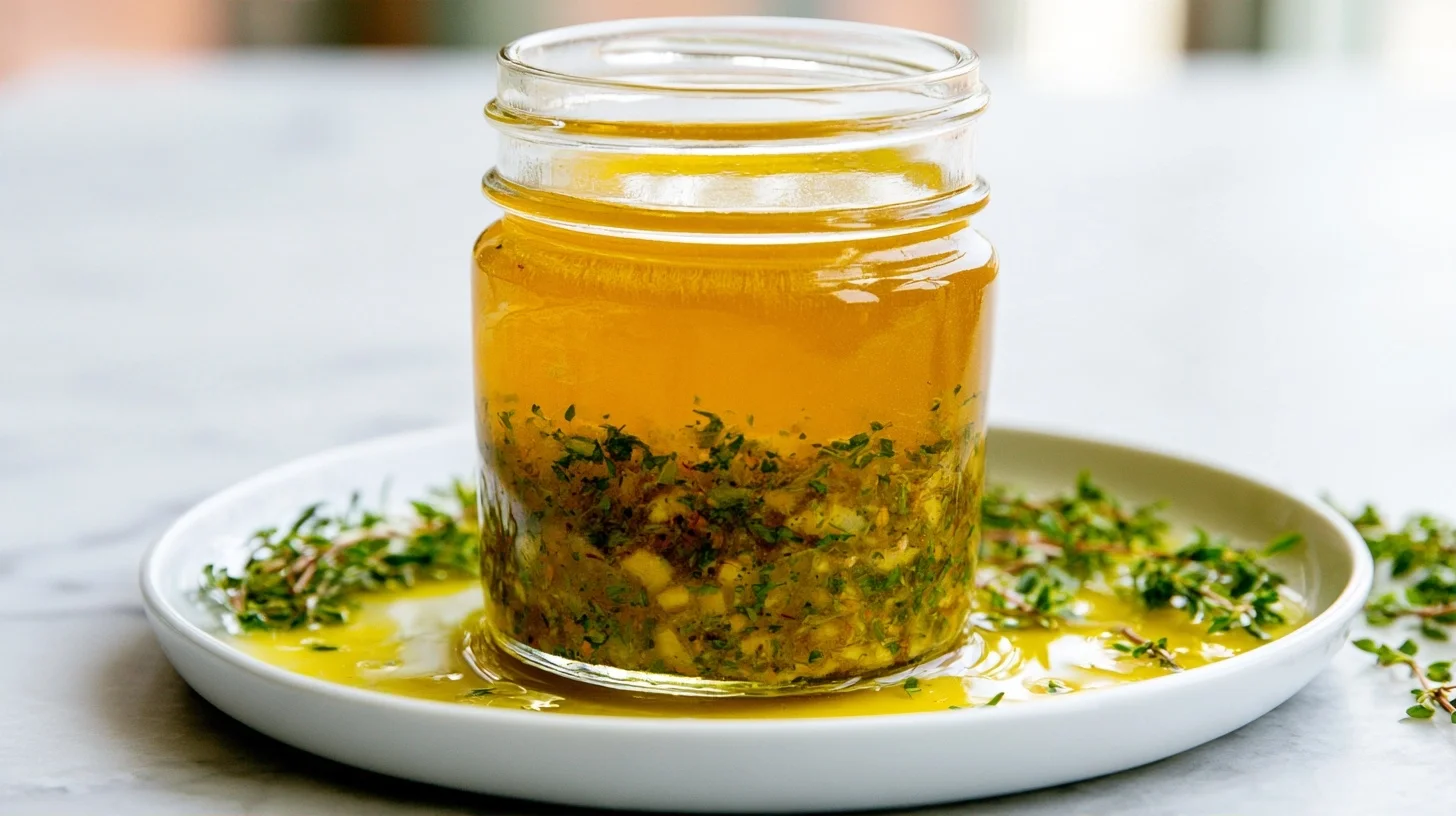
Table of contents
- Why This Best Salad Dressing for Weight Loss Works
- Best Salad Dressing for Weight Loss Recipe
- Key Ingredients and Substitutions
- How to Make the Best Salad Dressing for Weight Loss
- What Went Wrong with The Best Salad Dressing for Weight Loss Recipe
- Flavor Variations
- What to Serve With Lemon Vinaigrette
- Does Homemade Dressing Help With Weight Loss?
- How to Store and Make Ahead
- Best Salad Dressing for Weight Loss Recipe FAQs
Why This Best Salad Dressing for Weight Loss Works
- Extra virgin olive oil provides healthy fats that help you absorb fat-soluble vitamins from the salad vegetables.
- Fresh lemon juice and Dijon mustard create the emulsion that keeps the dressing from separating, so every bite has balanced flavor.
- No added sugar means the best dressing for weight loss stays under 50 calories per serving while still tasting bright and satisfying.
Best Salad Dressing for Weight Loss Recipe
Best Salad Dressing for Weight Loss Recipe
12
servings5
minutes0
minutes45
kcalThis lemon vinaigrette is a light, tangy dressing with 45 calories per serving and no added sugar. It takes 5 minutes to whisk together and uses the 3 to 1 ratio of oil to acid that creates a stable emulsion.
Keep the screen of your device on
Ingredients
0.75 cup extra virgin olive oil
0.25 cup fresh lemon juice
1 tablespoon Dijon mustard
1 clove garlic
0.25 teaspoon fine sea salt
0.125 teaspoon black pepper
Directions
- Whisk the mustard and lemon juice in a small bowl until smooth. The mixture should be pale yellow and slightly frothy.
- Add the olive oil slowly while whisking constantly. Pour in a thin steady stream. The dressing thickens and turns opaque when the emulsion forms, after about 1 minute.
- Stir in the garlic, salt, and pepper until evenly distributed. Taste and add more salt or lemon juice if needed.
- Let the dressing rest for 10 minutes at room temperature before using. This allows the garlic flavor to mellow and the salt to dissolve completely. Drizzle 2 tablespoons of the best salad dressing for weight loss over your greens and toss to coat.
Notes
- The 3 to 1 ratio of oil to lemon juice creates a balanced vinaigrette that clings to greens without tasting too oily or too sour.
- If the dressing separates, whisk 1 teaspoon of the broken dressing into a clean bowl, then add the rest drop by drop while whisking constantly.
- Store in an airtight jar in the refrigerator for up to 1 week. Substitute avocado oil for olive oil if you prefer a milder flavor, but the calorie count stays the same.
Nutrition Facts
- Serving Size: 1 g
- Total number of serves: 12
- Calories: 45kcal
- Fat: 5g
- Carbohydrates: 1g
- Net Carbs: 1g
- Fiber: 0g
- Protein: 0g
Did you make this recipe?
Tag @therecipemasterblog on Instagram and hashtag it with #therecipemaster
Like this recipe?
Follow @therecipemasterblog on Pinterest
Follow us on Facebook!
Follow The Recipe Master on Facebook
This salad dressing recipe for weight loss uses simple swaps and technique tips to keep the calorie count low without sacrificing taste. The sections below cover ingredient substitutions, how to adjust the tartness, and what to do if the dressing breaks.
Key Ingredients and Substitutions
Each ingredient in this low calorie dressing serves a specific purpose. Here are the best swaps and what they change.
- Extra virgin olive oil: provides richness and helps the dressing coat the greens. Substitute avocado oil for a milder flavor, but the calorie count stays the same. Do not use light olive oil, which has a flat taste.
- Fresh lemon juice: adds brightness and acidity that balances the oil. Substitute lime juice or white wine vinegar in equal amounts. Bottled lemon juice works but tastes less vibrant.
- Dijon mustard: acts as the emulsifier that keeps oil and acid from separating. Substitute whole grain mustard for texture, or use 1/4 teaspoon of honey mustard if you prefer a hint of sweetness.
- Garlic: adds depth without calories. Use 1/4 teaspoon of garlic powder if fresh garlic is too sharp for you, but add it slowly because dried garlic is more concentrated.
- Salt and black pepper: enhance all the other flavors. Use fine sea salt for the best salad dressing because it dissolves faster than coarse salt. Start with 1/4 teaspoon and add more after tasting.
How to Make the Best Salad Dressing for Weight Loss
Follow these steps to create a smooth emulsion that stays mixed and tastes balanced.
- Whisk the mustard and lemon juice first: combine 1 tablespoon Dijon mustard with 1/4 cup fresh lemon juice in a small bowl. This step creates the base that holds the oil in suspension.
- Add the oil slowly: drizzle in 3/4 cup olive oil while whisking constantly. The dressing thickens slightly and turns pale yellow when the emulsion forms. Pouring too fast causes the mixture to separate.
- Season at the end: stir in 1 minced garlic clove, 1/4 teaspoon salt, and 1/8 teaspoon black pepper. Taste and adjust the salt or lemon juice. The dressing should taste bright but not sour.
- Let it rest for 10 minutes: the garlic flavor mellows and the salt dissolves completely. This resting time makes the best dressing for weight loss taste more balanced than dressing used immediately.
Using a Blender or Jar
Combine all ingredients in a blender and blend on low for 10 seconds, or shake them in a sealed jar for 30 seconds. Both methods create a thicker emulsion than whisking by hand. The dressing will be creamier and opaque instead of translucent.
What Went Wrong with The Best Salad Dressing for Weight Loss Recipe
Why Did the Dressing Separate?
The oil and lemon juice broke apart because the oil was added too quickly or the mustard was skipped. Pour 1 teaspoon of the broken dressing into a clean bowl. Whisk in the rest drop by drop until it comes back together. Next time, add the oil in a thin steady stream while whisking constantly.
Why Is It Too Sour?
Too much lemon juice or not enough oil makes the dressing taste sharp. Whisk in 1 to 2 tablespoons more olive oil to balance the acidity. Taste after each addition. The 3 to 1 ratio of oil to acid is the standard for vinaigrettes.
Why Does It Taste Flat?
Not enough salt or too little garlic leaves the dressing bland. Add salt 1/8 teaspoon at a time and taste between additions. If it still tastes flat, add another small garlic clove or a pinch of black pepper. Cold dressing tastes less vibrant than room temperature dressing, so let it sit out for 5 minutes before serving.
Flavor Variations
Herb Lemon Dressing
Stir in 2 tablespoons of chopped fresh herbs such as parsley, basil, or dill after the dressing is mixed. The herbs add color and flavor without adding calories. Use soft herbs only, because woody herbs like rosemary do not blend smoothly.
Balsamic Lemon Dressing
Replace half the lemon juice with balsamic vinegar for a sweeter, darker dressing. Use 2 tablespoons lemon juice and 2 tablespoons balsamic vinegar. The calorie count stays under 50 per serving, but the flavor is richer and less tart.
Creamy Lemon Dressing
Whisk in 2 tablespoons of plain Greek yogurt after the emulsion forms. This adds 10 calories per serving but creates a thicker, creamier texture that coats hearty greens like kale. The yogurt also adds 2 grams of protein per serving.
What to Serve With Lemon Vinaigrette
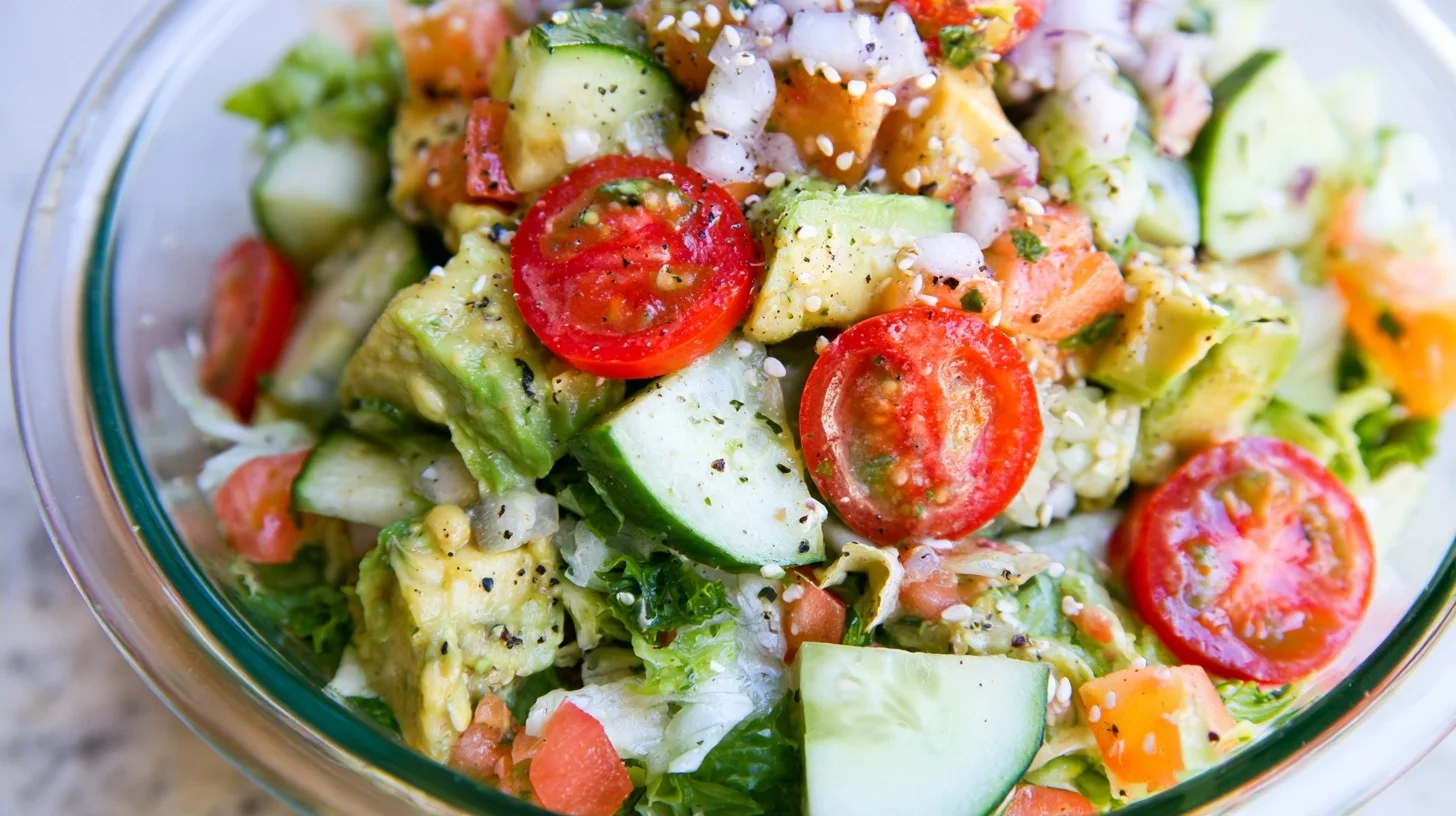
This light dressing works on any salad with crisp vegetables. Toss it with mixed greens, arugula, or spinach. It also complements grain bowls like the sweet potato bowl, where the lemon brightens roasted vegetables and whole grains. Use it as a marinade for chicken or fish, or drizzle it over steamed broccoli or roasted cauliflower.
Does Homemade Dressing Help With Weight Loss?
Homemade lemon vinaigrette has fewer calories and less added sugar than most bottled dressings. According to Healthline’s guide to healthy salad dressings, many store bought options contain 100 to 150 calories per serving along with added sugars and preservatives. This recipe gives you control over the ingredients and the portion size.
Weight loss depends on total calorie intake, not one food. Using a lower calorie dressing helps when it is part of a balanced diet with plenty of vegetables, lean protein, and whole grains. Measure your portions with a tablespoon to keep the calorie count accurate.
How to Store and Make Ahead
Store the dressing in an airtight container or jar in the refrigerator for up to 1 week. The olive oil solidifies when cold, so let the jar sit at room temperature for 10 minutes before using. Shake or whisk it again to recombine the ingredients.
Make the dressing up to 3 days ahead for the best flavor. The garlic taste intensifies over time, so if you are sensitive to raw garlic, add only half a clove on day one and taste it on day two. Do not freeze this dressing because the emulsion breaks when thawed.
Best Salad Dressing for Weight Loss Recipe FAQs
A lemon vinaigrette with olive oil, fresh lemon juice, and Dijon mustard is the best choice. It has 45 calories per 2 tablespoon serving and no added sugar.
Lemon vinaigrette lasts up to 1 week in the refrigerator in an airtight container. Let it sit at room temperature for 10 minutes before using, then shake to recombine.
Yes, this dressing works on mixed greens, spinach, arugula, and grain bowls. It also works as a marinade for chicken or fish, or drizzled over roasted vegetables.
Avocado oil works in equal amounts and has the same calorie count but a milder flavor. Do not use light olive oil because it tastes flat.




Leave a Reply