

A great tuna salad recipe is one of those kitchen essentials that never goes out of style. It’s quick to make, endlessly adaptable, and delivers a satisfying balance of creamy, crunchy, and savory flavors. Whether you’re preparing a simple weekday lunch or need a protein-packed filling for sandwiches, wraps, or lettuce cups, this classic dish comes together in minutes with ingredients you likely already have on hand.
What makes this version stand out is the careful balance of textures and the addition of fresh lemon juice, which brightens the mayonnaise and keeps the salad tasting fresh rather than heavy. The key is using solid white or chunk light tuna packed in water, draining it thoroughly, and mixing in just enough mayonnaise to bind the ingredients without making the salad soupy.
This recipe also includes finely diced celery and red onion for crunch, a touch of Dijon mustard for depth, and optional relish or capers for a tangy pop. The result is a tuna salad that’s creamy, flavorful, and holds up well for meal prep or packed lunches.
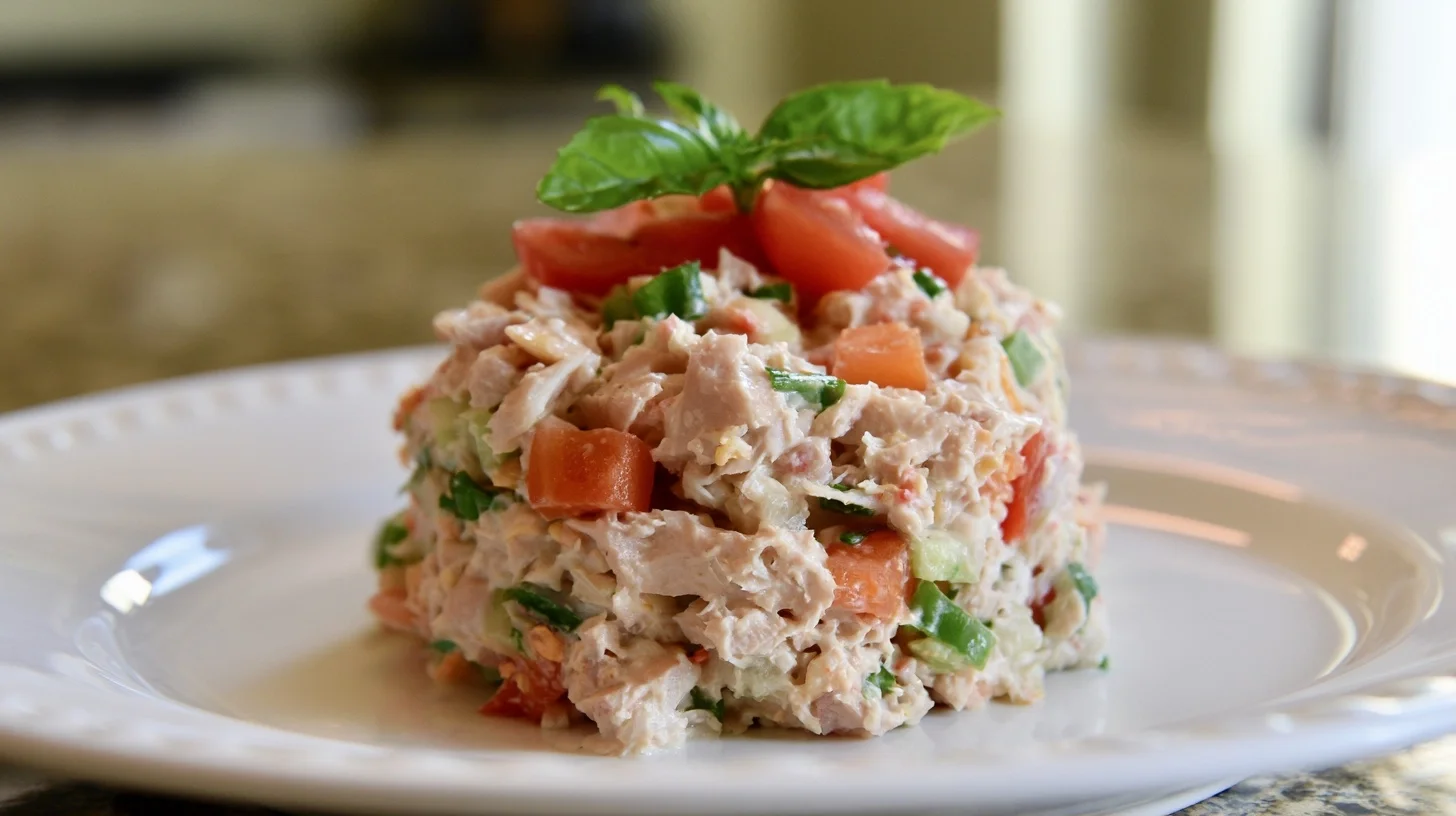
Table of contents
- Why You Will Love This Tuna Salad
- What You’ll Need to Make This Tuna Salad
- How to Make the Best Tuna Salad Recipe
- Tips for Making Creamy, Flavorful Tuna Salad Recipe
- Common Mistakes to Avoid
- Easy Tuna Salad Variations
- Nutritional Benefits of Tuna Salad
- How to Serve Tuna Salad Recipe
- How to Store Tuna Salad
- Frequently Asked Questions about Tuna Salad Recipe
Why You Will Love This Tuna Salad
- Ready in under 10 minutes with minimal prep and no cooking required.
- Packed with lean protein and healthy fats that keep you full longer.
- Easily customizable with your favorite mix-ins, from pickles to fresh herbs.
- Perfect for sandwiches, wraps, crackers, or served over greens.
What You’ll Need to Make This Tuna Salad
This recipe requires only basic kitchen tools, making it accessible even if you’re working with minimal equipment.
- Mixing bowl: A medium bowl is ideal for combining the ingredients without making a mess.
- Fork: Use it to flake the tuna and mix the salad thoroughly.
- Can opener: Essential for opening the tuna cans cleanly.
- Fine mesh strainer: Helps drain excess water from the tuna, which prevents a watery salad.
- Sharp knife and cutting board: Needed for finely dicing the celery and onion to ensure even distribution and texture.
How to Make the Best Tuna Salad Recipe
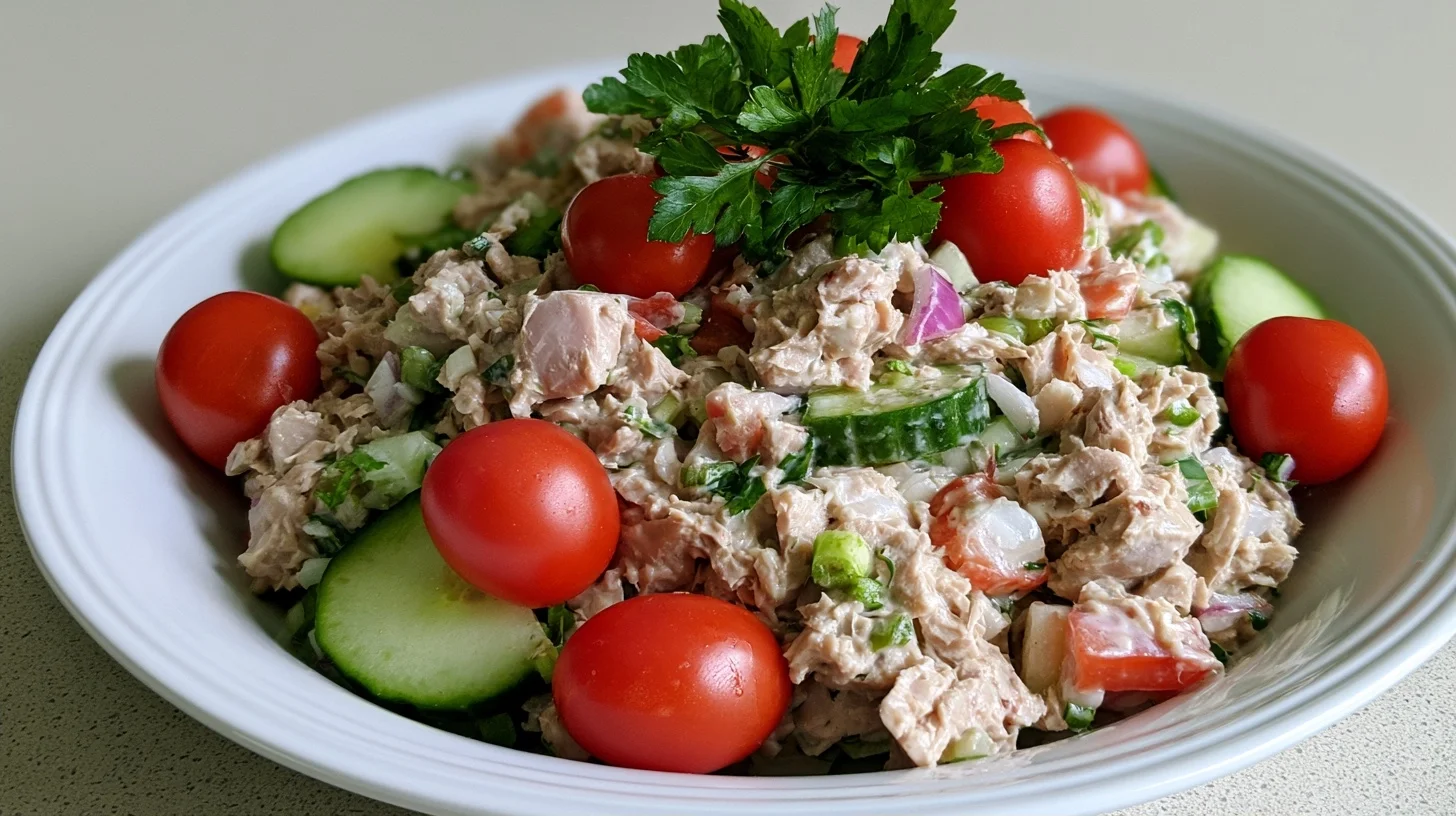
Easy Tuna Salad
4
servings10
minutes0
minutes220
kcalThis tuna salad is creamy, flavorful, and comes together in minutes with simple ingredients. The key to success is draining the tuna thoroughly and adding mayonnaise gradually to achieve the perfect texture. Fresh lemon juice brightens the flavor and keeps the salad tasting light and fresh.
Keep the screen of your device on
Ingredients
2 cans tuna packed in water
0.25 cup mayonnaise
0.5 cup celery
0.25 cup red onion
1 tablespoon fresh lemon juice
1 teaspoon Dijon mustard
1 tablespoon sweet pickle relish
0.25 teaspoon garlic powder
0.25 teaspoon black pepper
0.125 teaspoon salt
1 tablespoon fresh parsley
1 tablespoon capers
Directions
- Drain the tuna thoroughly by pressing it gently with a fork or the back of a spoon while it’s in a fine mesh strainer. Let it sit for a minute or two to remove as much liquid as possible, which prevents the salad from becoming watery.
- Transfer the drained tuna to a medium mixing bowl and use a fork to gently flake it into bite-sized chunks. Avoid mashing it too much, as you want to maintain some texture.
- Add the diced celery and red onion to the bowl. Make sure the vegetables are cut into small, uniform pieces so they distribute evenly throughout the salad.
- Stir in the mayonnaise, lemon juice, Dijon mustard, and garlic powder. Start with a quarter cup of mayonnaise and mix gently, adding more if the salad feels too dry. The tuna should be lightly coated, not swimming in dressing.
- Add the pickle relish and capers if using, along with the black pepper and a pinch of salt. Taste and adjust the seasoning as needed, keeping in mind that the tuna and any added pickles or capers are already salty.
- Mix everything together gently using a fork, folding the ingredients until just combined. Overmixing will break down the tuna into a paste-like consistency.
Notes
- Draining the tuna thoroughly before mixing is the most reliable way to prevent a watery salad. Press the tuna gently in a strainer and let it sit for a minute or two before transferring it to the mixing bowl.
- If you prefer a lighter version, substitute half or all of the mayonnaise with Greek yogurt. The salad will have a tangier flavor and slightly thinner texture, so add the yogurt gradually.
- Store tuna salad in an airtight container in the refrigerator for up to 3 days. For the best texture, consume it within the first 2 days, as the vegetables may release moisture over time.
Nutrition Facts
- Serving Size: 1 g
- Total number of serves: 4
- Calories: 220kcal
- Fat: 14g
- Carbohydrates: 5g
- Fiber: 1g
- Protein: 18g
Did you make this recipe?
Tag @therecipemasterblog on Instagram and hashtag it with #therecipemaster
Like this recipe?
Follow @therecipemasterblog on Pinterest
Follow us on Facebook!
Follow The Recipe Master on Facebook
Tips for Making Creamy, Flavorful Tuna Salad Recipe
The most reliable way to prevent a watery tuna salad is to drain the canned tuna thoroughly before mixing. Press the tuna gently with a fork or the back of a spoon while it’s still in the strainer to remove as much liquid as possible.
Choose the Right Tuna
Solid white albacore tuna has a firmer texture and milder flavor, while chunk light tuna is softer and slightly more flavorful. Both work well, but albacore holds its shape better if you prefer larger flakes. Always use tuna packed in water rather than oil for a lighter, less greasy result.
Dice Vegetables Finely and Evenly
Cutting the celery and onion into small, uniform pieces ensures that every bite has a balanced mix of flavors and textures. Large chunks of onion can overpower the salad, while unevenly cut celery can make some bites too crunchy and others too soft.
Add Mayonnaise Gradually
Start with less mayonnaise than you think you need, then add more as necessary. You can always add more, but you can’t take it out once the salad becomes too wet. The goal is a creamy coating that binds the ingredients without making the salad soupy.
Brighten with Fresh Lemon Juice
A squeeze of fresh lemon juice cuts through the richness of the mayonnaise and keeps the salad tasting bright and fresh. It also helps balance the saltiness of the tuna and any added pickles or capers. If you’re looking for more ways to use creamy salad techniques in other recipes, the same principles apply.
Let It Chill Before Serving
Refrigerating the tuna salad for at least 15 minutes before serving allows the flavors to meld and the vegetables to soften slightly, which improves the overall texture and taste. This step is especially important if you’re using raw onion.
Common Mistakes to Avoid
Using Too Much Mayonnaise
Adding too much mayonnaise makes the salad heavy and masks the flavor of the tuna. This happens when the mayo is added all at once instead of gradually. Start with a few tablespoons, mix thoroughly, and add more only if the salad feels too dry. The tuna should be lightly coated, not swimming in dressing.
Skipping the Draining Step
Failing to drain the tuna properly leaves excess water in the salad, which dilutes the mayonnaise and creates a thin, unappetizing consistency. Always press the tuna firmly in a strainer and let it sit for a minute or two before transferring it to the mixing bowl.
Cutting Vegetables Too Large
Large pieces of celery or onion create an uneven texture and can dominate individual bites. Dice vegetables into small, pea-sized pieces so they distribute evenly throughout the salad and provide a subtle crunch rather than an overpowering presence.
Over-Mixing the Salad
Mixing too vigorously breaks down the tuna into a paste-like consistency and eliminates the flaky texture that makes tuna salad appealing. Use a fork to gently fold the ingredients together just until combined, keeping the tuna in recognizable chunks.
Easy Tuna Salad Variations
Greek-Style Tuna Salad
Replace the mayonnaise with Greek yogurt for a tangier, higher-protein version. Add diced cucumber, cherry tomatoes, Kalamata olives, and a pinch of oregano. This variation is lighter and works especially well served over mixed greens or in a pita pocket.
Avocado Tuna Salad Recipe
Mash half an avocado and use it in place of some or all of the mayonnaise. The avocado adds creaminess and healthy fats while reducing the overall calorie count. This version pairs beautifully with lime juice instead of lemon.
Spicy Tuna Salad
Stir in a teaspoon of sriracha, a pinch of cayenne pepper, or a few dashes of hot sauce to add heat. You can also include finely diced jalapeño or red pepper flakes for extra kick. This variation works well in wraps or on toasted bread.
Herb-Forward Tuna Salad
Add fresh chopped dill, parsley, or chives to brighten the flavor and add a fresh, garden-like quality. Fresh herbs work especially well when paired with a squeeze of lemon and a touch of Dijon mustard.
Nutritional Benefits of Tuna Salad
Tuna is an excellent source of lean protein, providing around 20 grams per 3-ounce serving. It’s also rich in omega-3 fatty acids, which support heart health and reduce inflammation. According to research on tuna’s nutritional profile, it’s also a good source of selenium, vitamin D, and B vitamins, particularly B12, which supports energy production and nerve function.
The calorie count of tuna salad depends largely on the amount of mayonnaise used. A typical serving made with moderate mayonnaise contains around 200 to 250 calories, with most of the fat coming from the mayo. Using Greek yogurt or avocado in place of mayonnaise reduces the calorie count while adding additional protein or fiber.
Celery and onion contribute minimal calories but add fiber, vitamins, and antioxidants. Celery is particularly hydrating and contains vitamin K, while red onion provides quercetin, a compound with anti-inflammatory properties.
How to Serve Tuna Salad Recipe
Tuna salad is incredibly versatile and can be served in a variety of ways depending on your meal plan and preferences. The most classic option is a tuna salad sandwich on whole grain bread, toasted sourdough, or a soft roll. Add lettuce, tomato, and a slice of cheese if desired.
For a low-carb option, serve the salad in lettuce wraps, over a bed of mixed greens, or stuffed into halved avocados. It also works well as a filling for whole wheat wraps or pita pockets, paired with shredded carrots, cucumber, and sprouts.
Tuna salad is also excellent served with crackers, sliced vegetables, or pita chips as a quick snack or appetizer. For a heartier meal, serve it alongside a bowl of soup or a simple side salad.
How to Store Tuna Salad
Store tuna salad in an airtight container in the refrigerator for up to 3 days. The salad tastes best within the first 2 days, as the vegetables may release moisture over time and the texture can soften.
If you plan to meal prep, consider storing the tuna mixture and the vegetables separately and combining them just before serving. This keeps the celery and onion crisp and prevents the salad from becoming watery.
Do not freeze tuna salad, as mayonnaise does not freeze well and will separate and become grainy when thawed. If you want to freeze tuna for future use, freeze the drained tuna alone and prepare the salad fresh when you’re ready to eat.
Frequently Asked Questions about Tuna Salad Recipe
Yes, Greek yogurt works well as a substitute for mayonnaise and creates a tangier, higher-protein tuna salad. The texture will be slightly thinner, so start with less yogurt than the amount of mayo called for and add more as needed.
Tuna salad will keep in an airtight container in the refrigerator for up to 3 days. For the best texture and flavor, consume it within the first 2 days, as the vegetables may release moisture over time.
Solid white albacore tuna has a firmer texture and milder flavor, while chunk light tuna is softer and slightly more flavorful. Both work well, but albacore holds its shape better if you prefer larger flakes. Always choose tuna packed in water for a lighter result.
Yes, you can omit celery or replace it with diced cucumber, bell pepper, or apple for a different type of crunch. Each substitution will slightly change the flavor profile, but the salad will still be delicious.



Leave a Reply