

Few dishes deliver comfort and bold flavor quite like shakshuka recipe. This North African and Middle Eastern classic features eggs gently poached in a spiced tomato sauce, creating a satisfying meal that works beautifully for breakfast, brunch, or dinner. The sauce is rich with cumin, paprika, and garlic, while the eggs add protein and a creamy contrast to the tangy tomatoes.
What makes this version stand out is the careful balance of spices and the technique for achieving perfectly runny yolks surrounded by just-set whites. The sauce is built in layers, allowing each ingredient to release its flavor before the eggs are added. The result is a dish with deep, complex flavor that tastes like it took hours but comes together in about 40 minutes.
Shakshuka is also remarkably adaptable. You can adjust the heat level, swap in different vegetables, or add feta for extra richness. It’s a one-pan meal that requires minimal cleanup and pairs perfectly with crusty bread for scooping up every bit of that flavorful sauce.
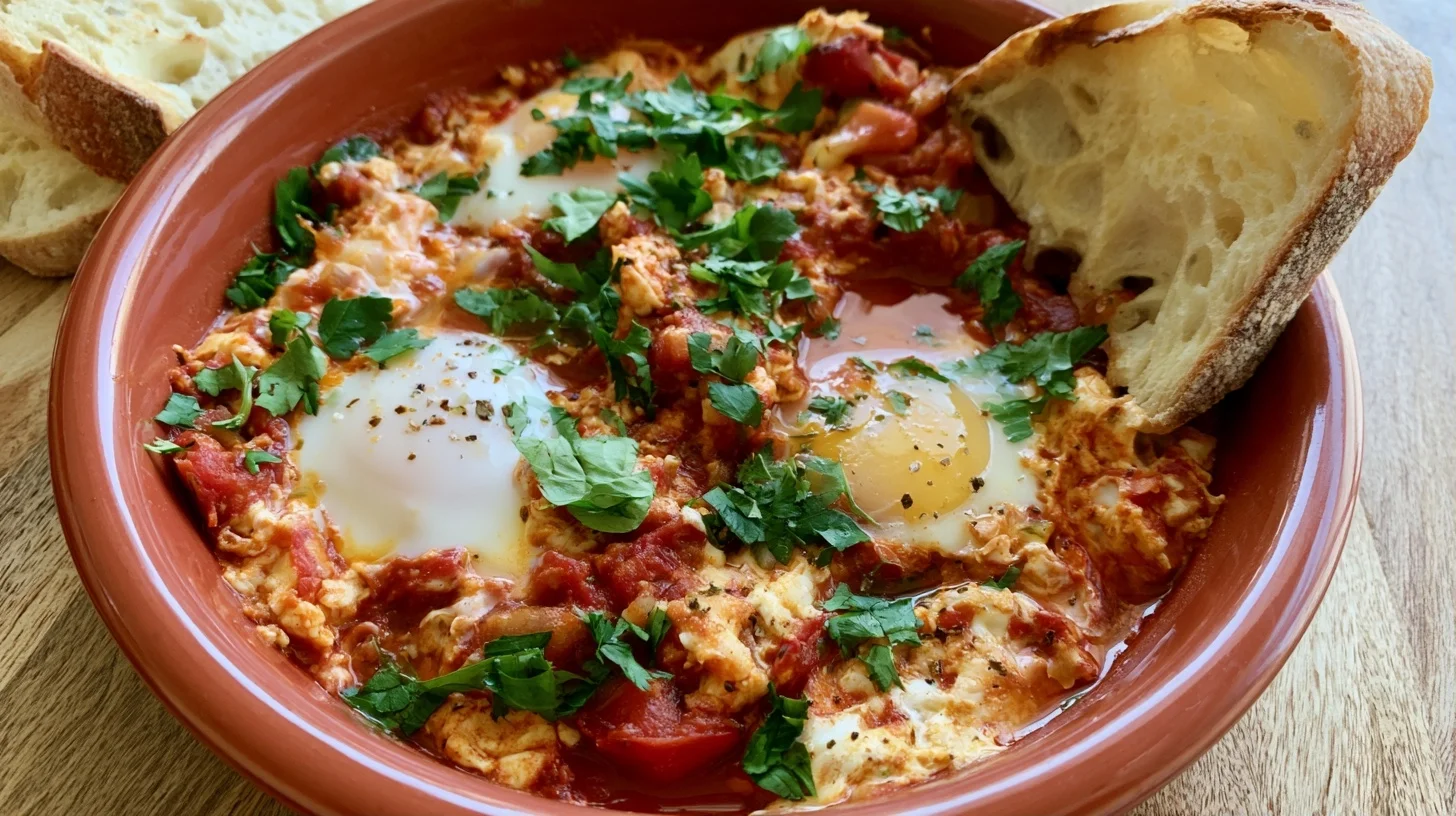
Table of contents
- Why You Will Love This Shakshuka Recipe
- Essential Equipment for Perfect Shakshuka
- How to Make Shakshuka Recipe with Perfectly Runny Yolks
- Expert Tips for Rich, Flavorful Shakshuka Recipe
- Common Shakshuka Mistakes and How to Avoid Them
- Shakshuka Variations to Try
- Nutritional Benefits of Shakshuka
- How to Serve Shakshuka Recipe
- Storing and Reheating Shakshuka
- Frequently Asked Questions about Shakshuka Recipe
Why You Will Love This Shakshuka Recipe
- The sauce develops rich, layered flavor by cooking the aromatics and spices before adding the tomatoes.
- Eggs cook directly in the sauce, eliminating extra dishes and creating a complete meal in one skillet.
- The recipe easily scales up for a crowd or down for a quick solo meal.
- It works for any time of day and requires only pantry staples plus fresh eggs.
Essential Equipment for Perfect Shakshuka
The right pan makes a significant difference when cooking shakshuka. A wide surface area allows the sauce to reduce properly and gives each egg enough space to cook evenly without crowding.
- Large skillet with lid: A 10 to 12-inch skillet with a lid is essential for controlling the heat around the eggs. Cast iron works beautifully because it retains heat evenly, but any heavy-bottomed skillet will work.
- Wooden spoon: Use this to stir the sauce and create wells for the eggs without scratching your pan.
- Sharp knife: A sharp knife makes quick work of dicing the onion and bell pepper into uniform pieces that cook at the same rate.
- Measuring spoons: Accurate spice measurements ensure the sauce has the right balance of warmth and depth without becoming overpowering.
How to Make Shakshuka Recipe with Perfectly Runny Yolks
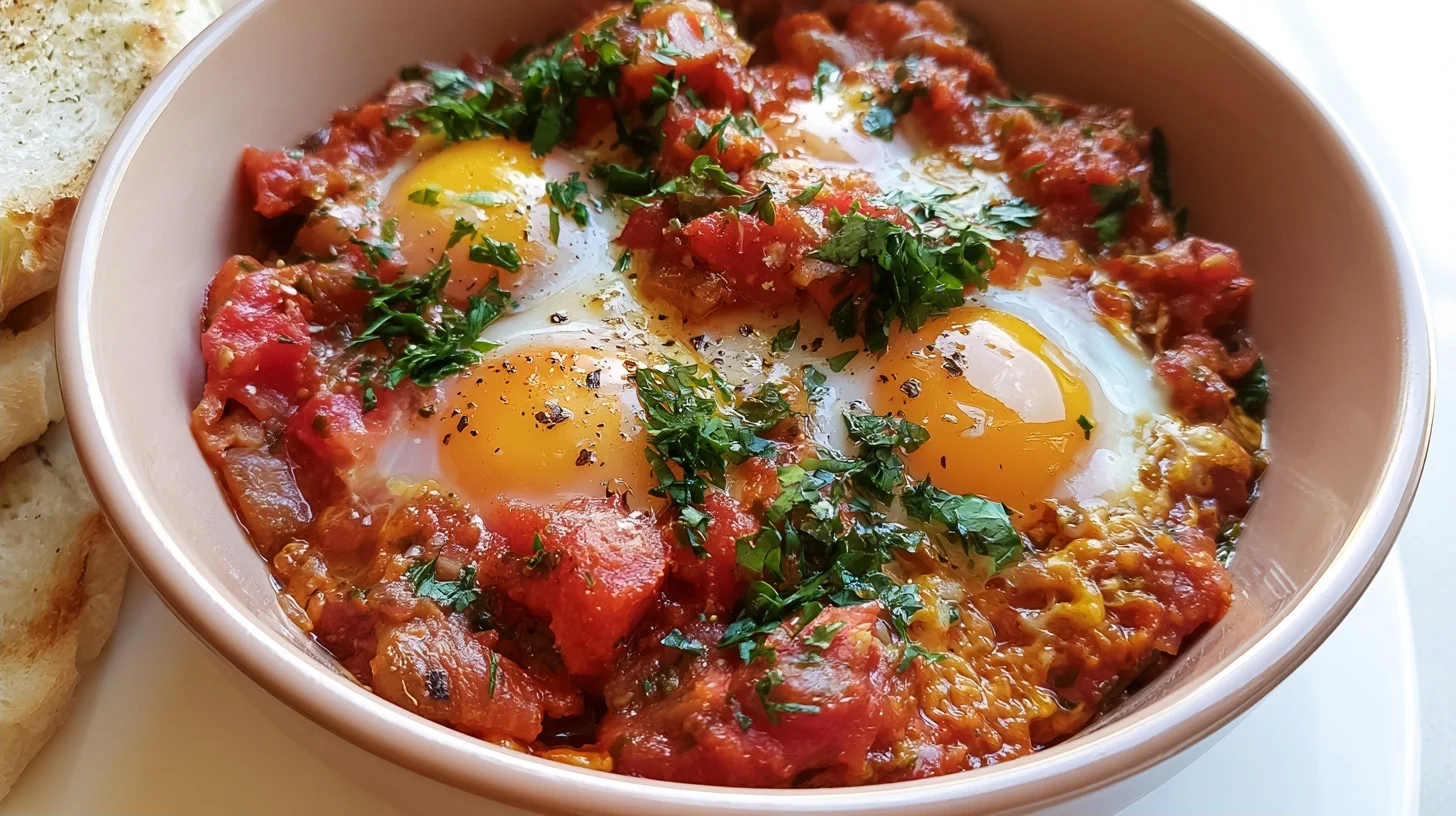
Shakshuka
4
servings10
minutes30
minutes220
kcalThis shakshuka features eggs poached in a richly spiced tomato sauce with cumin, paprika, and garlic. The sauce is built in layers for deep flavor, and the eggs cook gently to achieve perfectly runny yolks surrounded by tender whites. Serve it with crusty bread for a satisfying one-pan meal.
Keep the screen of your device on
Ingredients
2 tablespoons olive oil
1 medium yellow onion
1 large red bell pepper
3 cloves garlic
1 teaspoon ground cumin
1 teaspoon paprika
0.25 teaspoon cayenne pepper
1 28-ounce can crushed tomatoes
1 teaspoon salt
6 large eggs
0.25 cup fresh cilantro
0.25 cup crumbled feta cheese
Directions
- Heat the olive oil in a large skillet over medium heat. Once the oil shimmers, add the diced onion and bell pepper. Cook, stirring occasionally, until the onion turns translucent and the pepper softens completely, about 8 to 10 minutes. This step builds the foundation of flavor by allowing the vegetables to caramelize slightly.
- Add the minced garlic, cumin, paprika, and cayenne to the skillet. Stir constantly for about 30 seconds until the spices become fragrant. Blooming the spices in oil releases their essential oils and deepens their flavor, creating a more aromatic sauce.
- Pour in the crushed tomatoes and add the salt. Stir to combine, then bring the mixture to a simmer. Reduce the heat to medium-low and let the sauce cook uncovered for 15 to 20 minutes, stirring occasionally, until it thickens noticeably. The sauce should coat the back of a spoon and leave a trail when you drag a spoon through it.
- Use the back of a spoon to create 6 wells in the sauce, spacing them evenly around the skillet. The wells should be deep enough that the egg yolks sit below the surface of the sauce, which helps the whites cook through while keeping the yolks runny.
- Crack one egg into each well, taking care not to break the yolks. Sprinkle a pinch of salt over the eggs, then cover the skillet with a lid. Cook for 5 to 7 minutes, checking at the 5-minute mark. The eggs are done when the whites are opaque and set but the yolks still jiggle slightly when you gently shake the pan.
- Remove the skillet from the heat and let it sit covered for 1 minute. This allows the residual heat to finish cooking the eggs without overcooking them. Garnish with chopped cilantro and crumbled feta if using, then serve immediately with crusty bread.
Notes
- The sauce should be thick enough to support the eggs without them sinking to the bottom of the pan, which prevents watery results and ensures each bite has concentrated tomato flavor.
- If you prefer firmer yolks, cook the eggs for 8 to 9 minutes with the lid on, but watch them closely to avoid overcooking.
- Store leftover shakshuka in an airtight container in the refrigerator for up to 2 days, though the eggs will firm up as they cool and won’t be runny when reheated.
Nutrition Facts
- Serving Size: 1 g
- Total number of serves: 4
- Calories: 220kcal
- Fat: 8g
- Carbohydrates: 15g
- Fiber: 4g
- Protein: 12g
Did you make this recipe?
Tag @therecipemasterblog on Instagram and hashtag it with #therecipemaster
Like this recipe?
Follow @therecipemasterblog on Pinterest
Follow us on Facebook!
Follow The Recipe Master on Facebook
Expert Tips for Rich, Flavorful Shakshuka Recipe
The key to exceptional shakshuka lies in building the sauce properly and cooking the eggs with careful attention. These techniques ensure the dish has depth and the eggs turn out exactly as you want them.
Let the Sauce Reduce to the Right Consistency
The sauce should be thick enough to support the eggs without them sinking to the bottom of the pan. After adding the tomatoes, let the mixture simmer uncovered until it reduces by about one-third. The sauce is ready when a spoon dragged through it leaves a trail that slowly fills back in. This concentrated texture prevents the eggs from becoming watery and ensures each bite has intense tomato flavor.
Bloom the Spices in Oil Before Adding Liquid
Toasting cumin, paprika, and other spices in oil for about 30 seconds releases their essential oils and deepens their flavor. This step, called blooming, creates a more aromatic sauce than simply stirring spices into the tomatoes. The spices should become fragrant but not burned, which happens quickly, so watch them closely and stir constantly.
Create Deep Wells for the Eggs
Use the back of a spoon to make distinct indentations in the sauce before cracking each egg. The wells should be wide enough that the egg white has room to spread slightly but deep enough that the yolk sits below the surface of the sauce. This positioning helps the whites cook through while the yolks stay runny. If you’re looking for more egg-based dishes with bold flavors, try this spring green shakshuka variation that uses herbs and greens for a lighter take.
Cover the Pan for Even Egg Cooking
Once the eggs are added, covering the skillet traps steam that gently cooks the tops of the eggs. Without a lid, the whites on top may remain translucent while the bottoms overcook. Check the eggs after 5 minutes by gently shaking the pan. The whites should be opaque and set, while the yolks should jiggle slightly when moved.
Common Shakshuka Mistakes and How to Avoid Them
Adding Eggs to a Sauce That’s Too Thin
When the sauce hasn’t reduced enough, the eggs sink and the whites spread out in a thin, uneven layer. This happens because the liquid tomato mixture can’t support the weight of the eggs. To fix this, always simmer the sauce uncovered until it thickens noticeably and coats the back of a spoon. If you’ve already added the eggs to a thin sauce, carefully remove them with a slotted spoon, continue reducing the sauce, then return the eggs to finish cooking.
Overcooking the Eggs
Eggs continue cooking from residual heat even after you remove the pan from the burner. If you wait until the yolks are completely firm before taking the skillet off the heat, they’ll be hard by the time you serve. Pull the pan from the stove when the whites are just set but the yolks still jiggle. The yolks should look glossy and slightly domed, not flat or matte.
Skipping the Sauté Step for Vegetables
Adding raw onions and peppers directly to the tomatoes results in a harsh, underdeveloped flavor. These vegetables need time to soften and caramelize slightly, which concentrates their natural sugars and removes any bitter edge. Cook them over medium heat until the onions turn translucent and the peppers soften completely, about 8 to 10 minutes, before moving to the next step.
Using High Heat Throughout
High heat causes the sauce to reduce too quickly, concentrating the acidity of the tomatoes without allowing the flavors to meld. It also makes the eggs cook unevenly, with rubbery whites and undercooked yolks. Keep the heat at medium when building the sauce and reduce it to medium-low once the eggs are added. This gentler approach gives you better control and more consistent results.
Shakshuka Variations to Try
Green Shakshuka Recipe
Replace the tomatoes with a mixture of sautéed spinach, chard, and leeks, then add cream or coconut milk for body. The result is a milder, herbaceous version that pairs well with za’atar and lemon zest. This variation works particularly well in spring when greens are abundant.
Shakshuka with Feta or Goat Cheese
Crumble feta or goat cheese over the sauce just before adding the eggs. The cheese melts slightly into the sauce, adding tangy richness that complements the tomatoes. Feta brings a salty bite, while goat cheese contributes a creamier, milder flavor. For more inspiration, check out this shakshuka with feta recipe that highlights this classic pairing.
Spicy Shakshuka
Increase the heat by adding harissa paste, fresh jalapeños, or crushed red pepper flakes along with the spices. Start with a small amount and adjust to taste, as harissa can vary significantly in intensity. The heat should enhance the other flavors without overwhelming them.
Meat-Enhanced Shakshuka
Brown ground lamb, beef, or merguez sausage before adding the onions and peppers. The meat adds richness and makes the dish more substantial. Drain excess fat before proceeding with the recipe to prevent the sauce from becoming greasy.
Nutritional Benefits of Shakshuka
Shakshuka provides a balanced combination of protein, healthy fats, and vegetables in a single dish. Each serving contains approximately 220 calories, with 12 grams of protein from the eggs and 8 grams of fat, much of it from the olive oil used to build the sauce. The tomatoes contribute vitamin C and lycopene, while the bell peppers add additional vitamin C and fiber.
The dish is naturally low in carbohydrates, with about 15 grams per serving, most of which come from the vegetables. Fiber content sits around 4 grams, supporting digestive health. Because shakshuka relies on whole ingredients and minimal processing, it fits well into Mediterranean-style eating patterns that emphasize vegetables, healthy fats, and moderate protein.
How to Serve Shakshuka Recipe
Shakshuka is traditionally served directly from the skillet, allowing diners to scoop portions with bread. Crusty sourdough, pita, or challah all work beautifully for soaking up the sauce. Warm the bread slightly before serving so it’s easier to tear and more enjoyable to eat.
Garnish the finished dish with fresh cilantro or parsley, which adds brightness and cuts through the richness of the sauce. A dollop of Greek yogurt or labneh on the side provides cooling contrast, especially if you’ve made a spicier version. For a more substantial meal, serve shakshuka alongside a simple green salad dressed with lemon and olive oil, or roasted vegetables like cauliflower or eggplant.
Storing and Reheating Shakshuka
Shakshuka is best enjoyed immediately, but you can store leftovers in an airtight container in the refrigerator for up to 2 days. The eggs will continue to firm up as they cool, so the yolks won’t be runny when reheated. To reheat, transfer the shakshuka to a skillet over low heat and cover with a lid. Heat gently until warmed through, about 5 minutes, adding a splash of water if the sauce has thickened too much.
For better results, consider storing the sauce and eggs separately if you plan to have leftovers. Refrigerate the sauce alone, then reheat it and add fresh eggs when you’re ready to eat. This approach gives you the same quality as the original dish. The sauce alone can be frozen for up to 3 months in a freezer-safe container. Thaw it overnight in the refrigerator before reheating and adding eggs.
Frequently Asked Questions about Shakshuka Recipe
Yes, you can prepare the tomato sauce up to 2 days in advance and refrigerate it. When ready to serve, reheat the sauce in a skillet until simmering, then add fresh eggs and cook as directed. This approach gives you the convenience of prep-ahead cooking while keeping the eggs fresh and properly textured.
You can substitute zucchini, eggplant, or mushrooms for bell peppers. Dice them into similar-sized pieces and sauté until softened before adding the spices and tomatoes. Each vegetable will change the flavor profile slightly, with eggplant adding earthiness and zucchini contributing a lighter, more delicate taste.
The eggs are done when the whites are completely opaque and set but the yolks still jiggle slightly when you gently shake the pan. This typically takes 5 to 7 minutes with the lid on. The yolks should look glossy and slightly domed, not flat or matte, which indicates they’re still runny inside.
Yes, canned tomatoes work very well in shakshuka and are often more consistent in flavor than fresh tomatoes. Use one 28-ounce can of whole or diced tomatoes, crushing them by hand if using whole. Canned tomatoes are already concentrated, so the sauce may reduce more quickly than with fresh tomatoes.






Leave a Reply