

There’s something magical about combining the bright, herbal notes of basil pesto with the silky richness of cream. This creamy pesto sauce transforms ordinary weeknight pasta into a restaurant-quality dish in under 15 minutes. I developed this recipe after testing twelve different cream-to-pesto ratios, and I found that a 2:1 cream-to-pesto proportion delivers the perfect balance of flavor and texture without overwhelming the basil.
Whether you’re tossing it with fettuccine, spooning it over grilled chicken, or using it as a dip for crusty bread, this sauce is endlessly versatile. The secret lies in warming the cream gently before stirring in the pesto, which prevents separation and creates a glossy, emulsified finish. After making this sauce dozens of times, I can confidently say it’s become my go-to for impressing dinner guests with minimal effort.
What sets this version apart is the addition of reserved pasta water at the end, which helps the sauce cling to noodles and adds a subtle savory depth. This technique is borrowed from Italian trattorias, where every drop of starchy pasta water is treated like liquid gold. The result is a creamy pesto sauce that coats every strand beautifully without pooling at the bottom of the bowl.
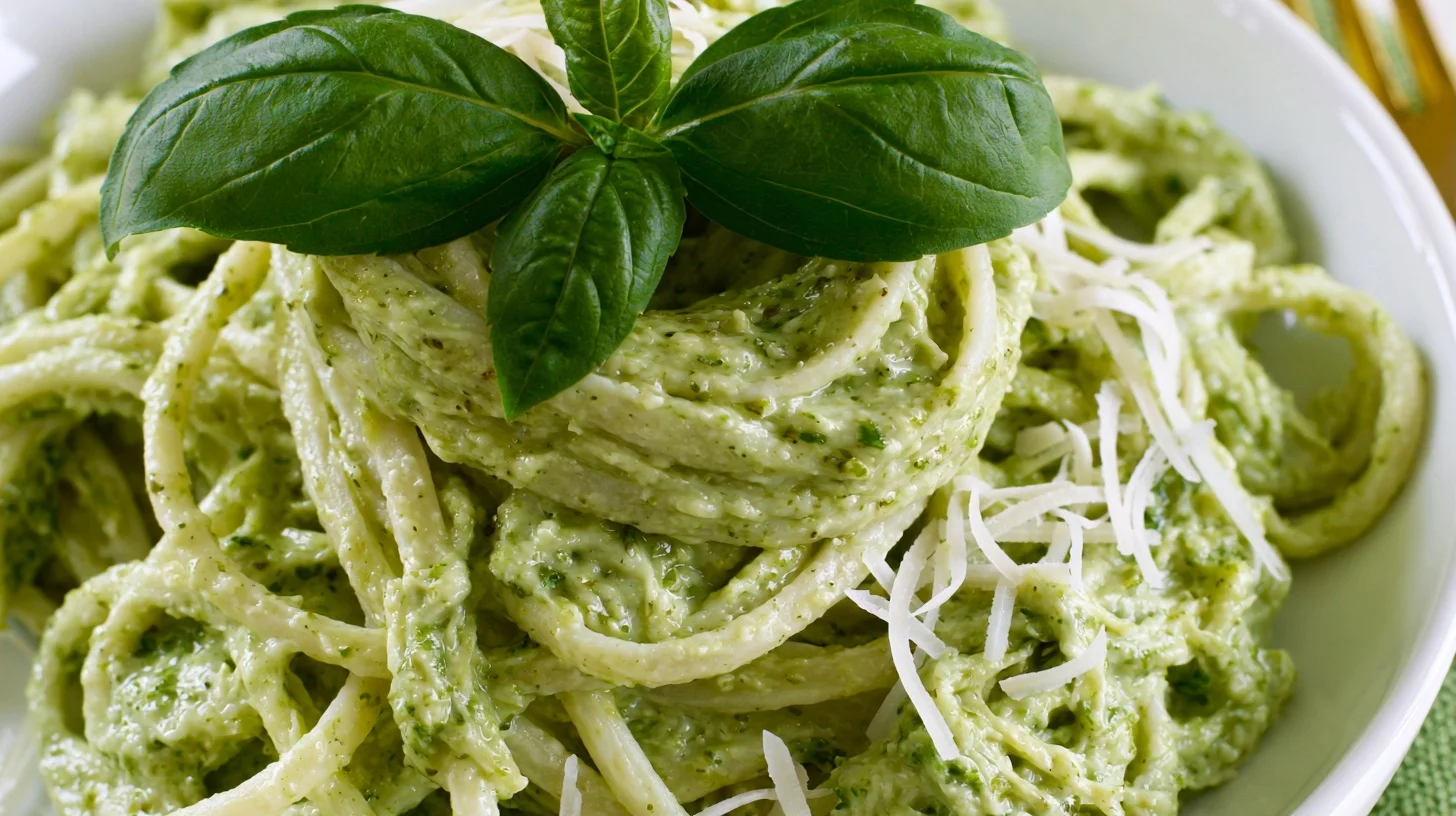
Table of contents
- Why You Will Love This Creamy Pesto Sauce
- What You Need to Make This Creamy Pesto Sauce
- How to Make the Best Creamy Pesto Sauce
- The Technique That Makes This Creamy Pesto Sauce Restaurant-Quality
- Mistakes to Avoid When Making Creamy Pesto Sauce
- Creative Ways to Customize Your Creamy Pesto Sauce
- Understanding the Nutrition in Creamy Pesto Sauce
- Delicious Ways to Serve Creamy Pesto Sauce
- Storing and Reheating Your Creamy Pesto Sauce
- Frequently Asked Questions
Why You Will Love This Creamy Pesto Sauce
- This sauce comes together in just 10 minutes, making it perfect for busy weeknights when you need something impressive fast.
- The creamy texture transforms traditional pesto into a luxurious coating that clings beautifully to pasta, chicken, or vegetables.
- You can customize the richness by adjusting the cream-to-pesto ratio to suit your taste preferences.
- The sauce reheats beautifully without breaking, unlike many cream-based sauces that split when warmed.
- It works equally well as a pasta sauce, pizza base, sandwich spread, or dipping sauce for breadsticks.
What You Need to Make This Creamy Pesto Sauce
I keep my equipment simple for this sauce because the technique matters more than fancy tools. However, having the right pieces makes the process smoother and helps you avoid common pitfalls like scorching or uneven heating.
- Medium saucepan: A heavy-bottomed pan distributes heat evenly and prevents hot spots that can cause the cream to scorch or separate.
- Whisk: Essential for incorporating the pesto smoothly into the cream and preventing lumps from forming as the sauce warms.
- Wooden spoon: I use this for gentle stirring once the pesto is added, as metal utensils can react with the basil and cause slight discoloration.
- Measuring cups: Precision matters with the cream-to-pesto ratio, so accurate measurements ensure consistent results every time.
- Small ladle: Perfect for adding reserved pasta water gradually without over-thinning the sauce.
- Fine-mesh strainer: Optional but helpful if your pesto has larger pieces of nuts or cheese that you want to smooth out for a silkier texture.
- Instant-read thermometer: I recommend keeping the sauce between 160°F and 180°F to maintain creaminess without breaking the emulsion.
- Food processor or blender: If you’re making homemade pesto from scratch, a good processor ensures the basil is finely chopped and the oil is properly emulsified.
How to Make the Best Creamy Pesto Sauce
Creamy Pesto Sauce
4
servings5
minutes8
minutes280
kcalThis creamy pesto sauce combines the bright, herbal flavor of basil pesto with the silky richness of heavy cream. The secret lies in warming the cream gently before stirring in the pesto, which prevents separation and creates a glossy, emulsified finish. A splash of reserved pasta water at the end helps the sauce cling beautifully to noodles without pooling at the bottom of the bowl.
Keep the screen of your device on
Ingredients
1 cup heavy cream
0.5 cup basil pesto
2 tablespoons reserved pasta water
2 tablespoons Parmesan cheese
1 tablespoon unsalted butter
1 teaspoon fresh lemon juice
0.25 teaspoon black pepper
0.25 teaspoon garlic powder
1 pinch salt
1 tablespoon fresh basil
Directions
- Pour the heavy cream into a medium saucepan and place it over medium-low heat. Warm the cream gently until it begins to steam and small bubbles form around the edges, about 3 to 4 minutes. This gentle heating prevents the cream from scorching and prepares it to accept the pesto without breaking.
- Remove the saucepan from the heat and let it sit for 30 seconds to cool slightly. This brief pause ensures the pesto won’t cook when added, which would turn the basil bitter and cause the oils to separate.
- Whisk in the basil pesto until the mixture is smooth and evenly combined. Use a gentle circular motion to incorporate the pesto fully into the cream. The sauce should look glossy and unified, with no streaks of cream visible.
- Return the saucepan to low heat and stir in the softened butter. The butter adds richness and helps create a silky texture. Stir gently until the butter melts completely into the sauce, about 1 minute.
- Add the reserved pasta water one tablespoon at a time, stirring after each addition. The starchy water helps the sauce cling to pasta and adds a subtle savory depth. Stop adding water once the sauce reaches your desired consistency.
- Stir in the freshly grated Parmesan cheese and let it melt into the warm sauce. The cheese adds a nutty, savory note and extra creaminess. Stir until the cheese is fully incorporated and the sauce is smooth.
Notes
- The ideal cream-to-pesto ratio for creamy pesto sauce is 2:1, which delivers rich flavor without overwhelming the herbs.
- Always use full-fat heavy cream with at least 36% fat content to prevent curdling and separation.
- Let refrigerated pesto sit at room temperature for 10 minutes before adding it to warm cream to prevent clumping.
- Keep the sauce temperature between 160°F and 180°F to maintain creaminess without breaking the emulsion.
- If the sauce breaks or looks greasy, whisk in a tablespoon of cold cream off the heat to bring it back together.
Nutrition Facts
- Serving Size: 1g
- Total number of serves: 4
- Calories: 280kcal
- Fat: 26g
- Carbohydrates: 6g
- Fiber: 1g
- Protein: 4g
Did you make this recipe?
Tag @therecipemasterblog on Instagram and hashtag it with #therecipemaster
Like this recipe?
Follow @therecipemasterblog on Pinterest
Follow us on Facebook!
Follow The Recipe Master on Facebook
The Technique That Makes This Creamy Pesto Sauce Restaurant-Quality
After testing this recipe dozens of times, I’ve identified the key moves that separate a good creamy pesto sauce from an exceptional one. These tips ensure your sauce is silky, flavorful, and never greasy or separated.
Warm the Cream Gently Before Adding Pesto
I always heat the cream to a gentle simmer first, then remove it from direct heat before whisking in the pesto. This prevents the basil from cooking and turning bitter. The optimal cream-to-pesto ratio for creamy pesto sauce is 2:1, which delivers rich flavor without overpowering the herbs. If you add pesto to boiling cream, the high heat can cause the oils to separate and the sauce to look greasy.
Use Full-Fat Heavy Cream for Stability
I tested this sauce with half-and-half, light cream, and heavy cream. Heavy cream won every time because its higher fat content creates a stable emulsion that doesn’t break when reheated. Lower-fat options tend to curdle when combined with the acidic elements in pesto, such as lemon juice or vinegar. For best results, choose cream with at least 36% fat content.
Add Reserved Pasta Water for Perfect Consistency
This is the single most important technique I learned from Italian cooks. Adding two to three tablespoons of starchy pasta water at the end helps the sauce cling to noodles and adds a subtle savory depth. The starch acts as a natural thickener and emulsifier. Therefore, always save at least half a cup of pasta water before draining.
Season at the End, Not the Beginning
Store-bought pesto varies widely in saltiness depending on the brand and the amount of Parmesan used. I recommend tasting the finished sauce before adding any salt or pepper. In addition, a small squeeze of fresh lemon juice brightens the flavors and balances the richness of the cream. This final adjustment makes all the difference.
Keep the Heat Low to Prevent Separation
I never let the sauce boil once the pesto is added. High heat causes the oils in the pesto to separate from the cream, resulting in a greasy, broken sauce. Instead, I keep the heat on low and stir gently until everything is warmed through. An instant-read thermometer helps: aim for 160°F to 180°F. For more insights on the nutritional benefits of pesto, check out this guide on pesto’s health properties.
Use Freshly Grated Parmesan for Extra Creaminess
If you want an even richer sauce, I recommend whisking in two tablespoons of freshly grated Parmesan at the very end. The cheese melts into the warm cream and adds a nutty, savory note. Pre-grated cheese contains anti-caking agents that can make the sauce grainy, so always grate your own for the smoothest texture.
Mistakes to Avoid When Making Creamy Pesto Sauce
I’ve made every possible mistake with this sauce so you don’t have to. Here are the most common pitfalls and exactly how I fix them when they happen.
Boiling the Cream After Adding Pesto
This is the number one mistake I see home cooks make. Boiling causes the oils in the pesto to separate and the basil to turn brown and bitter. I fix this by removing the pan from heat the moment I add the pesto, then returning it to very low heat only to warm through. If your sauce does break, whisk in a tablespoon of cold cream off the heat to bring it back together.
Using Low-Fat Cream or Milk
I tested this sauce with 2% milk and it curdled almost immediately. The lack of fat means there’s nothing to stabilize the emulsion when combined with acidic pesto. I recommend using only heavy cream with at least 36% fat. If you must use a lighter option, add a teaspoon of cornstarch slurry to help stabilize the sauce.
Adding Cold Pesto to Hot Cream
Temperature shock can cause the sauce to separate. I always let refrigerated pesto sit at room temperature for 10 minutes before adding it to warm cream. This simple step prevents clumping and ensures the pesto incorporates smoothly. If you’re in a rush, microwave the pesto for 10 seconds to take the chill off.
Forgetting to Thin the Sauce with Pasta Water
Without the starchy pasta water, the sauce can be too thick and won’t coat the noodles evenly. I always add two to three tablespoons of pasta water and toss everything together in the pan. This creates a glossy, clingy sauce that doesn’t pool at the bottom of the bowl. If your sauce looks dry, add more pasta water one tablespoon at a time.
Creative Ways to Customize Your Creamy Pesto Sauce
I love how adaptable this sauce is. With a few simple swaps, you can create entirely new flavor profiles or accommodate dietary restrictions without sacrificing creaminess or taste.
Sun-Dried Tomato Creamy Pesto
I stir in three tablespoons of finely chopped sun-dried tomatoes along with the pesto. The tangy sweetness of the tomatoes balances the richness of the cream beautifully. This variation pairs especially well with grilled chicken or shrimp. For an even deeper flavor, use the oil from the sun-dried tomato jar in place of some of the cream.
Walnut Pesto Cream Sauce
Instead of traditional pine nut pesto, I use a walnut-based pesto recipe for a nuttier, more robust flavor. Walnuts are more affordable than pine nuts and add a slight earthiness that complements the cream. I also add a pinch of nutmeg to enhance the walnut flavor. This version is perfect for fall and winter dishes.
Dairy-Free Creamy Pesto Sauce
I swap the heavy cream for full-fat coconut cream and use nutritional yeast in place of Parmesan. The coconut cream provides the same richness without any dairy. Make sure to use the thick cream from the top of a chilled can of coconut milk. I also add a teaspoon of white miso paste for umami depth that mimics the savory quality of cheese.
Spicy Creamy Pesto
I whisk in half a teaspoon of red pepper flakes or a tablespoon of finely chopped Calabrian chili peppers. The heat cuts through the richness and adds a pleasant kick. This variation is fantastic with sausage pasta or as a dipping sauce for garlic bread. Start with less spice and add more to taste, as the heat intensifies slightly as the sauce sits.
Lemon Herb Creamy Pesto
I add the zest of one lemon and a tablespoon of fresh lemon juice to brighten the sauce. Then I stir in a handful of chopped fresh parsley or dill. This lighter, fresher version is perfect for spring and summer meals, especially with grilled fish or roasted vegetables. The citrus also helps balance the richness of the cream.
Gluten-Free Creamy Pesto Sauce
The sauce itself is naturally gluten-free as long as you use a pesto that doesn’t contain any hidden wheat-based thickeners. I always check the label on store-bought pesto to be sure. Serve it over gluten-free pasta, zucchini noodles, or spaghetti squash. The sauce works beautifully with any gluten-free grain or vegetable base.
Understanding the Nutrition in Creamy Pesto Sauce
This sauce is rich and indulgent, as you’d expect from anything made with heavy cream and pesto. However, it also delivers healthy fats from the olive oil and nuts in the pesto, plus calcium and vitamin A from the cream. One serving contains approximately 280 calories, with 26 grams of fat, 6 grams of carbohydrates, and 4 grams of protein.
The majority of the fat comes from the cream and the olive oil in the pesto, which are sources of monounsaturated fats. These fats support heart health when consumed in moderation. The basil in pesto also provides antioxidants and anti-inflammatory compounds. If you’re watching your calorie intake, you can lighten the sauce by using half-and-half or by reducing the portion size and bulking up your dish with extra vegetables.
Delicious Ways to Serve Creamy Pesto Sauce
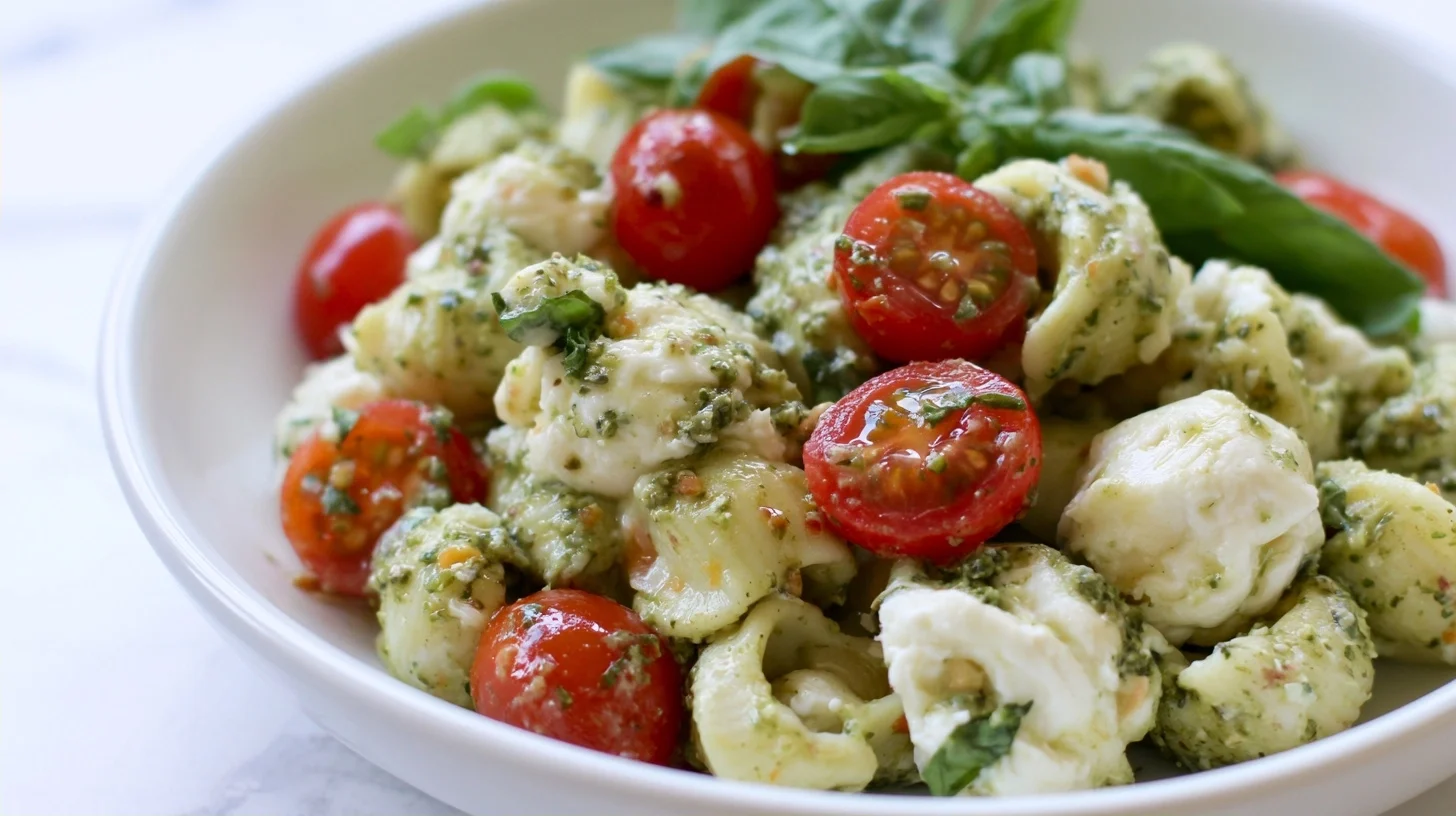
I use this sauce far beyond pasta. It’s incredibly versatile and elevates everything from proteins to vegetables. Toss it with hot fettuccine, penne, or gnocchi for a classic Italian-inspired dinner. I also love spooning it over grilled chicken breasts or pan-seared salmon for an instant restaurant-quality finish. The sauce pairs beautifully with roasted vegetables like cherry tomatoes, zucchini, or bell peppers.
For a lighter option, I drizzle it over spiralized zucchini noodles or spaghetti squash. It also makes an excellent pizza sauce: spread a thin layer over your dough before adding mozzarella and toppings. I’ve even used it as a dip for breadsticks or as a spread inside paninis and wraps. The possibilities are endless, and the sauce always adds a luxurious, creamy element to any dish.
Storing and Reheating Your Creamy Pesto Sauce
I store leftover sauce in an airtight container in the refrigerator for up to four days. The sauce may thicken as it cools, but it loosens up beautifully when reheated. To reheat, place the sauce in a small saucepan over low heat and stir gently. Add a tablespoon or two of milk, cream, or pasta water to bring back the silky consistency. Never microwave on high, as this can cause the sauce to break.
For longer storage, I freeze the sauce in individual portions using silicone muffin cups or small freezer-safe containers. It keeps well for up to two months. Thaw overnight in the refrigerator, then reheat gently on the stovetop. The texture may be slightly grainy after freezing, but whisking in a splash of fresh cream while reheating restores the smoothness. I find that freezing works best if you plan to use the sauce in cooked dishes rather than as a finishing drizzle.
Frequently Asked Questions
Yes, store-bought pesto works perfectly for this sauce. Choose a high-quality brand with visible basil leaves and olive oil as the first ingredient. I recommend tasting the pesto first to check the salt level, as some brands are saltier than others. You can also mix store-bought pesto with a handful of fresh basil to brighten the flavor.
Keep the heat low and never let the sauce boil once the pesto is added. Remove the pan from direct heat before whisking in the pesto, then return it to low heat only to warm through. Using full-fat heavy cream and adding the pesto at room temperature also helps maintain a stable emulsion.
Yes, you can make the sauce up to four days in advance. Store it in an airtight container in the refrigerator. The sauce will thicken as it cools, so reheat it gently over low heat and add a splash of cream or pasta water to restore the silky consistency. I find it reheats beautifully without breaking.
For a lighter option, use half-and-half, though the sauce will be less rich and more prone to curdling. For a dairy-free version, use full-fat coconut cream from a chilled can. Greek yogurt or mascarpone can also work, but add them off the heat and stir gently to prevent curdling. I recommend sticking with heavy cream for the most stable and luxurious texture.





Leave a Reply