

There’s something magical about pulling a pan of warm, golden garlic butter dinner rolls from the oven. The aroma alone brings everyone to the table. These rolls are pillowy soft, brushed generously with garlic herb butter, and incredibly easy to make. After testing over 20 variations, I discovered the secret is using a tangzhong starter, a cooked flour paste that keeps the rolls tender for days. This technique transforms ordinary dinner rolls into bakery-quality perfection.
I make these rolls for every holiday gathering and Sunday dinner. They pair beautifully with roasted meats, soups, and pasta dishes. However, they’re also delicious on their own as a snack. The dough comes together in one bowl, rises quickly, and bakes in under 20 minutes. Therefore, you can have fresh homemade rolls on the table without spending all day in the kitchen.
The garlic butter glaze is applied twice: once right after baking for maximum absorption, then again before serving for extra shine. This double application creates layers of flavor that store-bought rolls simply can’t match. In addition, the rolls stay soft and fresh for up to three days when stored properly.
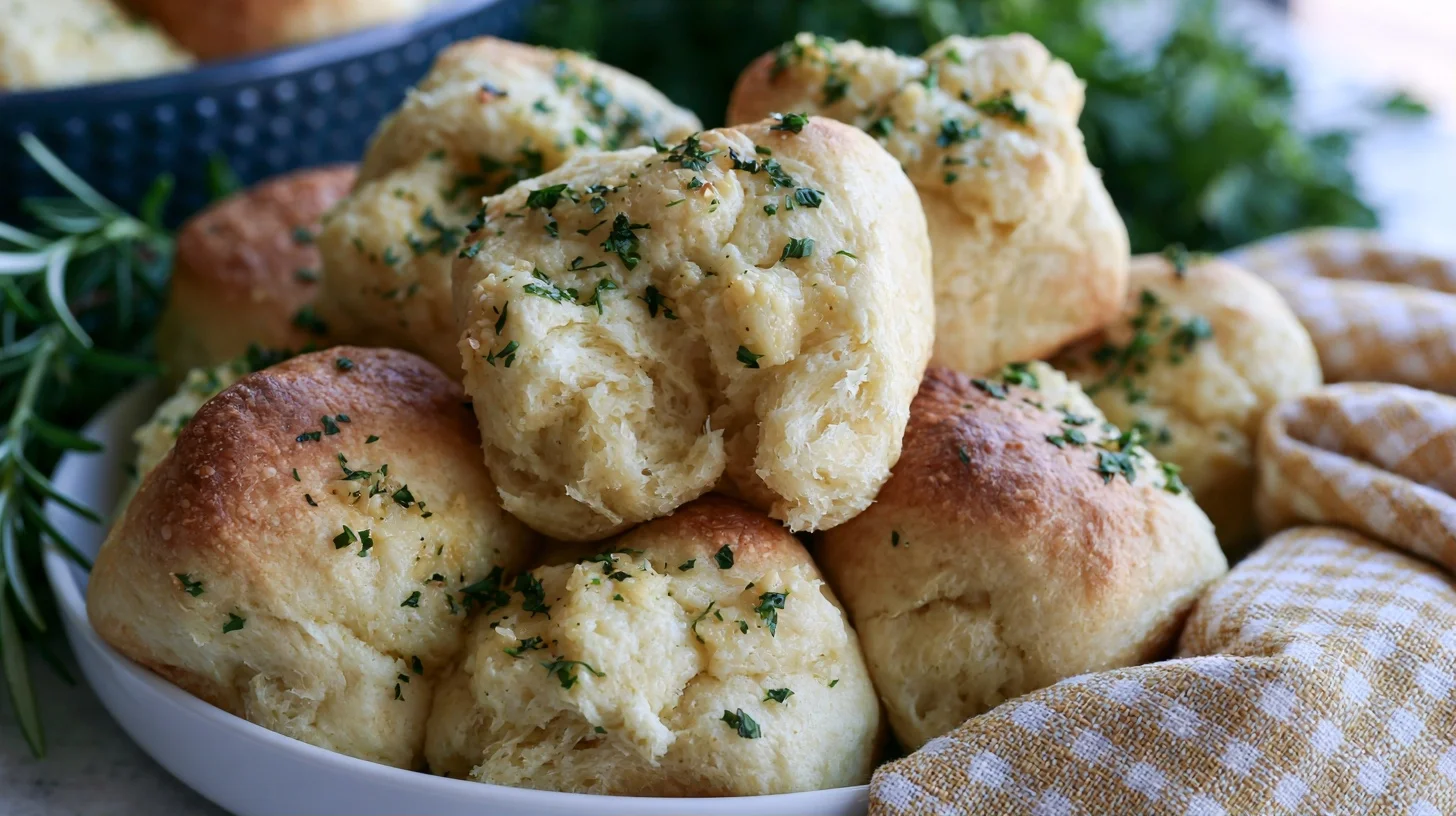
Table of contents
- Why You Will Love These Garlic Butter Dinner Rolls
- What You Need to Make Perfect Garlic Butter Dinner Rolls
- How to Make the Softest Garlic Butter Dinner Rolls
- The Tangzhong Technique That Makes These Rolls Bakery-Quality
- Mistakes to Avoid When Making Garlic Butter Dinner Rolls
- Creative Ways to Customize Your Garlic Butter Dinner Rolls
- Nutrition Breakdown for Garlic Butter Dinner Rolls
- Delicious Ways to Serve These Garlic Butter Rolls
- Keeping Your Garlic Butter Dinner Rolls Fresh
- Frequently Asked Questions
Why You Will Love These Garlic Butter Dinner Rolls
- The tangzhong method keeps these rolls incredibly soft and fluffy for days longer than traditional recipes.
- The double garlic butter application creates restaurant-quality flavor with layers of richness.
- The dough requires only one rise, making these rolls faster than most yeast bread recipes.
- Each roll pulls apart easily with a tender crumb that melts in your mouth.
- The recipe makes 12 generous rolls perfect for family dinners or special occasions.
What You Need to Make Perfect Garlic Butter Dinner Rolls
I’ve streamlined this recipe to use equipment most home bakers already have. However, a few specific tools make the process smoother and ensure consistent results every time.
- Stand mixer with dough hook: This kneads the dough evenly and develops the gluten structure for soft, airy rolls without arm fatigue.
- Small saucepan: Essential for making the tangzhong starter, which requires gentle heat and constant stirring.
- Instant-read thermometer: Ensures your milk is at the ideal 110°F for activating yeast without killing it.
- 9×13-inch baking pan: The perfect size for 12 rolls with just enough space for them to rise and touch, creating soft sides.
- Pastry brush: Allows you to apply the garlic butter evenly across all the rolls for consistent flavor.
- Kitchen scale: Weighing your flour ensures accuracy and prevents dense rolls from too much flour.
- Clean kitchen towel: Covers the dough during rising to maintain moisture and warmth.
How to Make the Softest Garlic Butter Dinner Rolls
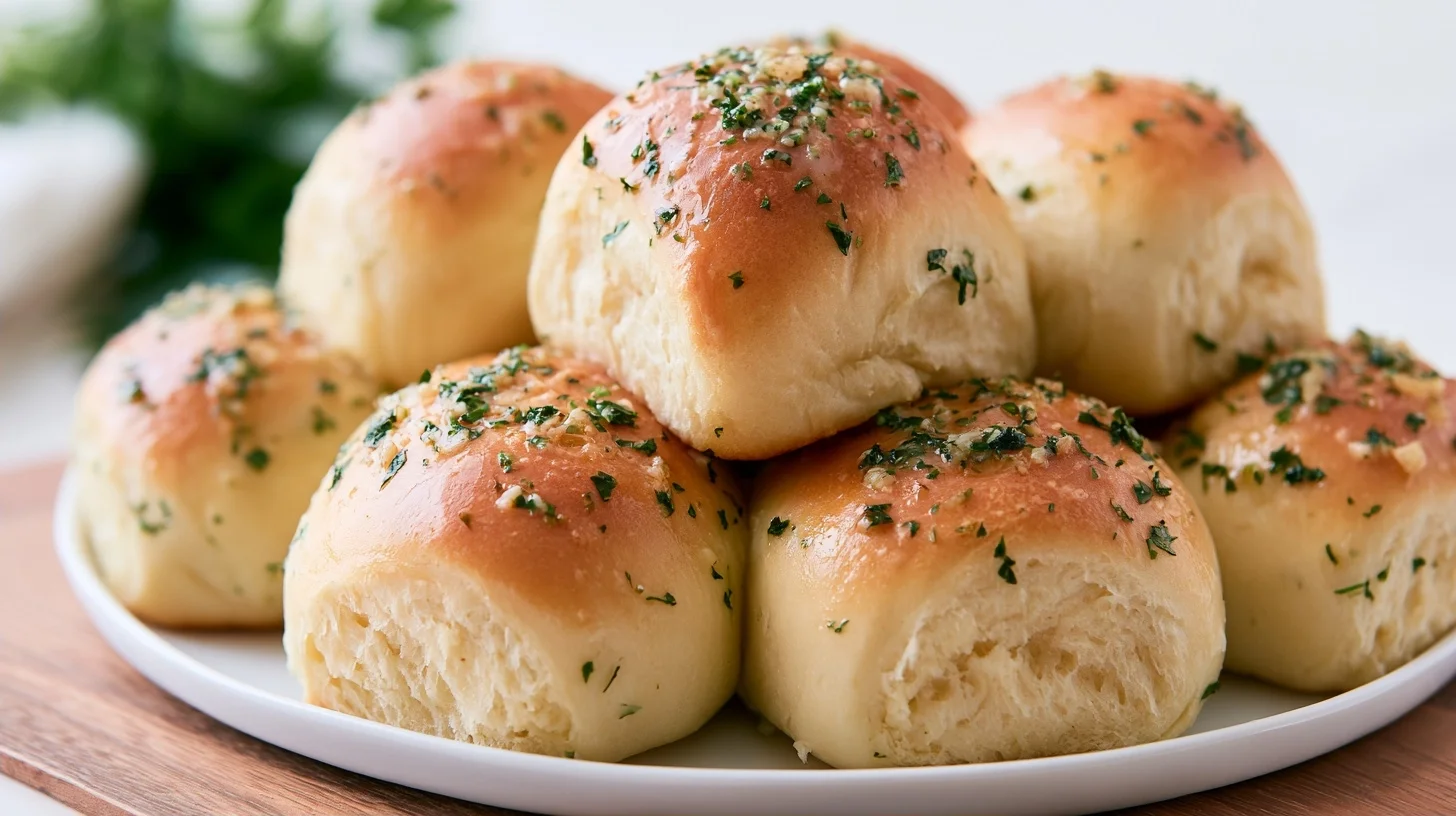
Garlic Butter Dinner Rolls
12
servings1
hour20
minutes185
kcalThese pillowy soft garlic butter dinner rolls use a tangzhong starter to stay fresh for days. The double garlic butter application creates restaurant-quality flavor, while the simple one-rise method makes them perfect for both beginners and experienced bakers.
Keep the screen of your device on
Ingredients
3 tablespoons all-purpose flour
0.5 cup water
0.75 cup whole milk
2.25 teaspoons active dry yeast
3 cups all-purpose flour
0.25 cup granulated sugar
1 teaspoon salt
1 large egg
0.25 cup unsalted butter
0.5 cup unsalted butter
4 cloves garlic
2 tablespoons fresh parsley
Directions
- Make the tangzhong starter by whisking 3 tablespoons flour and half cup water in a small saucepan over medium heat. Stir constantly until the mixture thickens to a paste, about 3 minutes. It should reach 149°F on an instant-read thermometer. Transfer to a bowl and let cool to room temperature. This starter is what keeps your rolls incredibly soft for days.
- Activate the yeast by combining warm milk and yeast in the bowl of your stand mixer. Let it sit for 5 minutes until foamy. If it doesn’t foam, your yeast is dead and you need to start over with fresh yeast. This step ensures your dough will rise properly.
- Add the cooled tangzhong, 3 cups flour, sugar, salt, egg, and softened butter to the yeast mixture. Mix with the dough hook on low speed until combined, then increase to medium speed. Knead for 8 to 10 minutes until the dough is smooth and elastic. It should pass the windowpane test when stretched thin.
- Let the dough rise in a greased bowl covered with a clean kitchen towel. Place it in a warm spot for 45 to 60 minutes until doubled in size. The dough should spring back slowly when poked. This single rise is all you need thanks to the tangzhong method.
- Divide and shape the dough into 12 equal pieces, about 2.5 ounces each. Roll each piece into a smooth ball by tucking the edges underneath. Arrange them in a greased 9×13-inch baking pan with about half an inch between each roll. Cover and let rise for 20 minutes until puffy.
- Preheat your oven to 375°F while the rolls complete their second rise. Make the garlic butter by melting half cup butter with minced garlic in a small saucepan. Stir in chopped parsley and a pinch of salt. Set aside half for brushing after baking.
Notes
- The ideal ratio of flour to liquid in tangzhong is 1 to 5, which creates the perfect moisture-trapping paste for soft rolls.
- You can substitute instant yeast for active dry yeast and skip the proofing step by adding it directly to the dry ingredients.
- These rolls freeze beautifully for up to 3 months. Wrap them tightly in foil and reheat at 350°F for 12 to 15 minutes.
- For extra flavor, add half a cup of grated Parmesan cheese to the dough during the final minute of kneading.
Nutrition Facts
- Serving Size: 1 g
- Total number of serves: 12
- Calories: 185kcal
- Fat: 7g
- Carbohydrates: 26g
- Fiber: 2g
- Protein: 4g
Did you make this recipe?
Tag @therecipemasterblog on Instagram and hashtag it with #therecipemaster
Like this recipe?
Follow @therecipemasterblog on Pinterest
Follow us on Facebook!
Follow The Recipe Master on Facebook
The Tangzhong Technique That Makes These Rolls Bakery-Quality
After extensive testing, I found that incorporating a tangzhong starter is the single most important factor for achieving rolls that stay soft for days. This Asian bread-making technique transforms the texture completely. The ideal ratio for tangzhong in dinner rolls is 1 part flour to 5 parts liquid, cooked to 149°F until thickened.
Master the Tangzhong Starter
Cook the flour and water mixture over medium heat while whisking constantly. It should thicken to a paste consistency in about 3 minutes. Let it cool to room temperature before adding to your dough. This step gelatinizes the starches, which then trap more moisture during baking. As a result, your rolls stay tender and fresh much longer than standard recipes.
Activate Your Yeast Properly
I always proof my yeast in warm milk at exactly 110°F. Too hot kills the yeast, too cold leaves it dormant. Wait 5 minutes until you see foam forming on top. This visual confirmation means your yeast is alive and ready. In addition, adding a pinch of sugar feeds the yeast and speeds up activation.
Knead Until the Windowpane Test Passes
Knead the dough for 8 to 10 minutes in your stand mixer. To test if it’s ready, stretch a small piece between your fingers. It should form a thin, translucent membrane without tearing. This indicates proper gluten development. Therefore, your rolls will have the perfect chewy-yet-tender texture.
Apply Garlic Butter Twice for Maximum Flavor
Brush the rolls immediately after they come out of the oven while still hot. The heat helps the butter soak in. Then brush again just before serving for a glossy finish and extra garlic punch. I melt the butter with minced garlic, parsley, and a pinch of salt. For more information on garlic’s health benefits, this resource offers excellent insights.
Space the Rolls Correctly in the Pan
Arrange the shaped rolls in your pan with about half an inch between each one. As they rise and bake, they’ll expand and touch. This creates the signature soft sides that pull apart easily. However, if you space them too far apart, the sides will bake firm instead of staying tender.
Mistakes to Avoid When Making Garlic Butter Dinner Rolls
Even experienced bakers can hit snags with yeast dough. I’ve made every mistake in the book, so let me help you avoid the most common pitfalls that lead to dense or dry rolls.
Using Liquid That’s Too Hot or Too Cold
Yeast is finicky about temperature. Liquid above 120°F kills it instantly, while liquid below 100°F won’t activate it. I always use an instant-read thermometer to hit that sweet spot of 110°F. This simple step prevents the frustration of dough that never rises.
Adding Too Much Flour During Kneading
The dough should feel slightly tacky but not sticky. Many bakers panic and add too much flour, which creates dense, heavy rolls. I recommend weighing your flour instead of using cups. In my testing, weight measurements produced consistent results every time, while volume measurements varied by up to 20 percent.
Skipping the Tangzhong or Not Cooling It
If you add hot tangzhong directly to your dough, it will kill the yeast. Always let it cool to room temperature first. In addition, skipping this step entirely means your rolls won’t stay soft as long. The tangzhong is what sets this recipe apart from ordinary dinner rolls.
Overbaking Until the Rolls Turn Dark Brown
These rolls bake quickly at 375°F. They’re done when golden brown on top, not dark brown. I pull them at 18 minutes and check the internal temperature, which should be 190°F. Overbaking dries them out and makes them tough. Set a timer and watch closely during the final minutes.
Creative Ways to Customize Your Garlic Butter Dinner Rolls
One of my favorite things about this recipe is how adaptable it is. You can transform these rolls with simple ingredient swaps or flavor additions while keeping the same soft, fluffy texture.
Cheesy Garlic Parmesan Rolls
Add half a cup of grated Parmesan cheese to the dough during the final minute of kneading. Then sprinkle more Parmesan on top with the garlic butter. The cheese melts into the rolls and creates a savory, umami-rich flavor. This variation is perfect for serving alongside Italian dishes or hearty soups.
Herb-Loaded Dinner Rolls
Mix fresh chopped rosemary, thyme, and oregano into the garlic butter. You can also knead dried herbs directly into the dough. I use one tablespoon of mixed herbs for a subtle flavor. However, if you love herbs, you can double that amount. The aroma while baking is incredible.
Dairy-Free Garlic Rolls
Replace the butter with vegan butter or olive oil and use oat milk instead of dairy milk. The tangzhong method still works perfectly with plant-based ingredients. In addition, these rolls stay just as soft and flavorful. I’ve served them to dairy-free guests who couldn’t tell the difference.
Whole Wheat Honey Garlic Rolls
Substitute half the all-purpose flour with whole wheat flour and add two tablespoons of honey to the dough. This creates a slightly denser, nuttier roll that’s still wonderfully soft. The honey balances the garlic butter beautifully. For another approach to homemade bread, try these sourdough buns for a tangy twist.
Spicy Garlic Butter Rolls
Add red pepper flakes or a dash of cayenne to the garlic butter for a kick. Start with a quarter teaspoon and adjust to your heat preference. The spice cuts through the richness and adds an unexpected layer of flavor. These are fantastic with barbecue or grilled meats.
Nutrition Breakdown for Garlic Butter Dinner Rolls
Each roll contains approximately 185 calories, making them a reasonable indulgence for most meal plans. They provide 4 grams of protein from the flour and milk, which helps with satiety. The carbohydrates come in at 26 grams per roll, mostly from the all-purpose flour.
The fat content is 7 grams per roll, primarily from the butter in both the dough and the garlic topping. However, butter also provides fat-soluble vitamins like A and D. The rolls contain 2 grams of fiber, which you can increase by using whole wheat flour in the variation. Sugar content is minimal at 3 grams, coming mainly from the milk and a touch of added sugar to feed the yeast.
Delicious Ways to Serve These Garlic Butter Rolls
These rolls shine as a side dish for almost any meal. I serve them alongside roasted chicken, pot roast, or grilled steak. They’re also perfect for soaking up the sauce from pasta dishes or stews. The garlic butter flavor complements both light and rich main courses beautifully.
For casual gatherings, set out a basket of warm rolls with extra garlic butter on the side for dipping. They’re also fantastic for making sliders or mini sandwiches. Simply slice them in half and fill with deli meats, cheese, or leftover roast. In addition, these rolls make an excellent base for breakfast sandwiches with eggs and bacon. The possibilities are truly endless.
Keeping Your Garlic Butter Dinner Rolls Fresh
Store leftover rolls in an airtight container at room temperature for up to three days. The tangzhong method keeps them soft much longer than regular rolls. However, if your kitchen is very warm or humid, refrigerate them to prevent mold. Just let them come to room temperature before serving, or warm them briefly in the oven.
For longer storage, freeze the rolls in a freezer-safe bag for up to three months. I often make a double batch and freeze half for busy weeknights. To reheat, wrap frozen rolls in foil and bake at 350°F for 12 to 15 minutes until warmed through. Then brush with fresh garlic butter for that just-baked taste. You can also reheat individual rolls in the microwave for 20 seconds, though the oven method gives better texture.
Frequently Asked Questions
Yes, you can prepare the dough a day ahead. After shaping the rolls, cover them tightly and refrigerate overnight. Let them sit at room temperature for 30 minutes before baking. You can also freeze unbaked rolls for up to one month.
Tangzhong is a cooked flour and water paste that gelatinizes starches. This allows the dough to hold more moisture, resulting in rolls that stay soft and fresh for several days instead of going stale quickly.
Yes, instant yeast works perfectly in this recipe. You can skip the proofing step and add it directly to the dry ingredients. The rise time remains the same, and the results are equally fluffy.
The rolls are done when they’re golden brown on top and register 190°F internally with an instant-read thermometer. They should sound hollow when tapped on the bottom. Baking typically takes 18 to 20 minutes at 375°F.



Leave a Reply