

There’s something magical about making your own fig preserves recipe at home. The process transforms fresh figs into a luxurious spread that captures summer in a jar. I’ve tested over a dozen variations to find the perfect balance of sweetness and texture. This version uses a precise 2:1 fruit-to-sugar ratio that allows the natural fig flavor to shine without being cloying.
What sets this recipe apart is the addition of lemon zest and a splash of vanilla extract. These ingredients elevate the preserves from simple to spectacular. The result is a spread that works beautifully on morning toast, paired with cheese, or even spooned over ice cream.
I first learned to make fig preserves from my grandmother in her Georgia kitchen. She taught me that patience is the secret ingredient. Low heat and slow cooking create that perfect jammy consistency without burning the natural sugars.
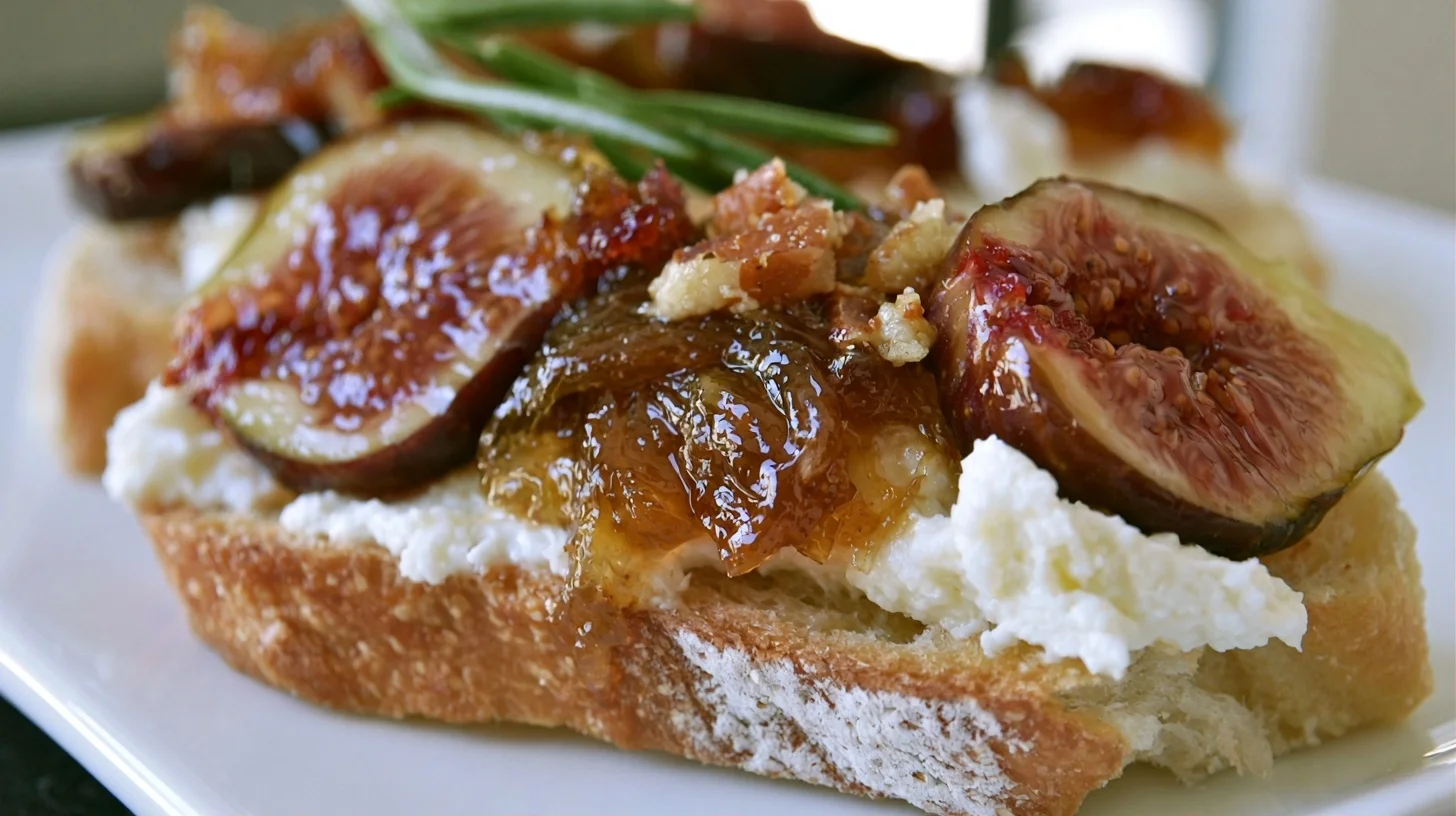
Table of contents
- Why You Will Love This fig preserves recipe
- What You Will Need to Make These Fig Preserves
- How to Make Perfect Fig Preserves Every Time
- The Key Techniques That Make This Fig Preserves Recipe Work
- Mistakes to Avoid When Making Fig Preserves Recipe
- Creative Ways to Customize Your Fig Preserves Recipe
- Understanding the Nutrition in Fig Preserves
- Delicious Ways to Enjoy Your Homemade Fig Preserves Recipe
- Storing Your Fig Preserves for Maximum Freshness
- Frequently Asked Questions about Fig Preserves Recipe
Why You Will Love This fig preserves recipe
- This recipe uses minimal ingredients but delivers maximum flavor with the perfect balance of sweetness and acidity.
- The preserves are shelf-stable for up to one year when properly canned, making them perfect for gift-giving.
- You can customize the texture from chunky to smooth depending on how much you mash the figs during cooking.
- The natural pectin in figs means you don’t need commercial thickeners to achieve a perfect set.
What You Will Need to Make These Fig Preserves
I’ve made this recipe with both basic and specialized equipment. Here’s what I recommend for the best results and easiest process.
- Large heavy-bottomed pot or Dutch oven: The thick bottom prevents scorching during the long simmer and distributes heat evenly across the fruit.
- Wooden spoon or heat-resistant silicone spatula: Essential for stirring without scratching your pot and for mashing figs gently as they cook.
- Candy thermometer or instant-read thermometer: Helps you monitor the temperature to reach the ideal 220°F for proper gel formation.
- Canning jars with lids and bands: Half-pint or pint jars work best for preserves, and they must be sterilized before filling.
- Large canning pot or water bath canner: Necessary if you plan to process jars for shelf-stable storage instead of refrigerator storage only.
- Jar lifter and wide-mouth funnel: These tools make filling hot jars and removing them from boiling water much safer and cleaner.
- Small plates or saucers: Place a few in the freezer before you start cooking to test the set of your preserves.
How to Make Perfect Fig Preserves Every Time
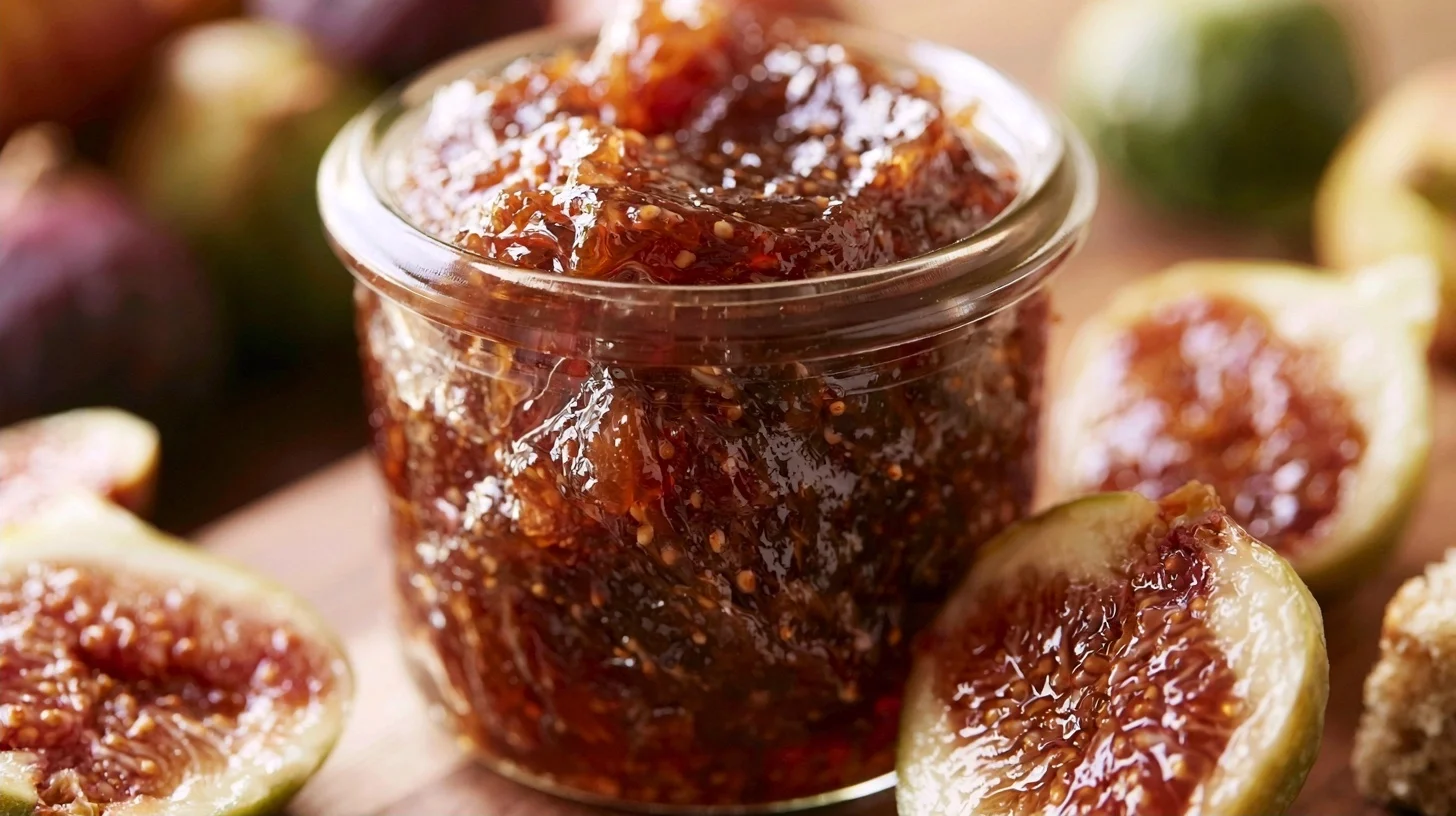
Homemade Fig Preserves
8
servings15
minutes45
minutes180
kcalThis classic fig preserves recipe uses a precise 2:1 fruit-to-sugar ratio that lets the natural fig flavor shine. Enhanced with fresh lemon juice and vanilla extract, these preserves achieve the perfect balance of sweetness and texture without commercial pectin.
Keep the screen of your device on
Ingredients
2 pounds fresh figs
1 pound granulated sugar
3 tablespoons fresh lemon juice
1 teaspoon lemon zest
1 teaspoon vanilla extract
0.25 teaspoon salt
0.25 cup water
1 tablespoon butter
Directions
- Prepare the figs by washing them thoroughly and removing the stems. Quarter larger figs or halve smaller ones so they cook evenly. This size allows the fruit to break down properly while maintaining some texture.
- Combine the figs, sugar, water, lemon juice, lemon zest, and salt in a large heavy-bottomed pot. Stir gently to coat the fruit with sugar. Let the mixture sit for 10 minutes to allow the figs to release their natural juices.
- Bring the mixture to a boil over medium heat, stirring frequently to dissolve the sugar completely. Once boiling, reduce the heat to medium-low. This prevents scorching and allows even cooking.
- Simmer the preserves for 35 to 45 minutes, stirring every few minutes. Use a wooden spoon to gently mash some of the figs against the side of the pot. This creates a chunky texture while releasing pectin.
- Monitor the temperature with a candy thermometer until it reaches 220°F. If you don’t have a thermometer, test the set by placing a spoonful on a frozen plate. The preserves should wrinkle when pushed.
- Stir in the vanilla extract and optional butter during the last 5 minutes of cooking. The butter helps reduce foam that forms on the surface. This step enhances the final appearance of your preserves.
Notes
- The ideal ratio for fig preserves is 2 pounds of fruit to 1 pound of sugar, which preserves the fruit while allowing natural flavor to dominate.
- Slightly underripe figs contain more natural pectin than fully ripe fruit, which helps the preserves set without commercial pectin.
- If you live at high altitude, reduce the target temperature by 2 degrees for every 1,000 feet above sea level.
- Store unopened jars in a cool, dark place for up to one year. Once opened, refrigerate and use within three months.
Nutrition Facts
- Serving Size: 1g
- Total number of serves: 8
- Calories: 180kcal
- Fat: 0g
- Carbohydrates: 46g
- Fiber: 2g
- Protein: 1g
Did you make this recipe?
Tag @therecipemasterblog on Instagram and hashtag it with #therecipemaster
Like this recipe?
Follow @therecipemasterblog on Pinterest
Follow us on Facebook!
Follow The Recipe Master on Facebook
The Key Techniques That Make This Fig Preserves Recipe Work
After making countless batches, I’ve identified the techniques that separate good preserves from exceptional ones. These tips will help you achieve professional results in your own kitchen.
Choose the Right Figs
I recommend using slightly underripe figs for preserves. They contain more natural pectin than fully ripe fruit. This helps your preserves set properly without adding commercial pectin. Black Mission and Brown Turkey varieties work beautifully and offer rich flavor.
Master the Sugar Ratio
The ideal ratio for fig preserves is 2 pounds of figs to 1 pound of sugar. This preserves the fruit while allowing its natural flavor to dominate. Too much sugar creates an overly sweet product that masks the delicate fig taste. Too little sugar prevents proper preservation and gel formation.
Control the Temperature
I always cook my preserves to exactly 220°F. This is the temperature at which sugar syrup reaches the gel stage. However, if you live at high altitude, reduce this by 2 degrees for every 1,000 feet above sea level. Use a reliable thermometer rather than guessing.
Test the Set Properly
Place a small spoonful of hot preserves on a frozen plate. Return it to the freezer for two minutes. Then push the edge with your finger. If it wrinkles and holds its shape, your preserves are ready. If it runs, continue cooking and test again in five minutes.
Add Acid for Balance
Figs are naturally low in acid, which affects both flavor and preservation. I add fresh lemon juice to every batch. This brightens the flavor and helps activate the natural pectin. Figs also provide important nutrients that are preserved through proper canning methods.
Skim the Foam
As the mixture cooks, foam rises to the surface. I skim this off with a metal spoon before jarring. The foam is harmless but creates an unattractive appearance in the finished jars. Removing it ensures crystal-clear preserves.
Mistakes to Avoid When Making Fig Preserves Recipe
I’ve made every mistake possible while perfecting this recipe. Here are the most common problems and how I learned to prevent them.
Rushing the Cooking Process
Cooking preserves over high heat seems efficient but leads to scorched fruit and uneven texture. The sugars caramelize too quickly and create bitter notes. I always use medium-low heat and stir frequently. This takes longer but produces superior flavor and texture.
Overfilling the Jars
Leaving proper headspace is crucial for safe canning. I leave exactly one-quarter inch of space at the top of each jar. More space allows spoilage. Less space prevents proper sealing. I use a ruler or headspace tool to measure accurately every time.
Skipping the Water Bath
Some recipes suggest simply pouring hot preserves into hot jars for refrigerator storage. However, proper water bath canning creates a vacuum seal that allows shelf storage for months. I process half-pint jars for 10 minutes and pint jars for 15 minutes in boiling water.
Using Overripe Figs
Extremely soft, fully ripe figs contain less pectin and more water. This results in runny preserves that never set properly. I select figs that yield slightly to pressure but still hold their shape. They should feel firm rather than mushy.
Creative Ways to Customize Your Fig Preserves Recipe
Once you master the basic technique, experimenting with flavors becomes fun and rewarding. I’ve developed several variations that my family requests repeatedly.
Honey-Sweetened Version
Replace half the sugar with honey for a more complex sweetness. The honey adds floral notes that complement figs beautifully. Use a mild honey like clover or acacia rather than strong varieties. Keep in mind that honey-sweetened preserves may take slightly longer to reach the gel stage.
Spiced Fig Preserves
Add a cinnamon stick, three whole cloves, and a star anise pod to the pot while cooking. Remove the whole spices before jarring. This creates warming fall flavors perfect for holiday gift-giving. I also sometimes add a pinch of cardamom for an exotic twist.
Balsamic Fig Preserves
Stir in two tablespoons of aged balsamic vinegar during the last five minutes of cooking. The vinegar adds depth and sophisticated tang. This variation pairs exceptionally well with cheese boards. Try it with goat cheese and fig jam crostini for an elegant appetizer.
Port Wine Fig Preserves
Replace one cup of the cooking liquid with ruby port wine. The wine adds richness and complexity that elevates the preserves to gourmet status. This version is perfect for serving alongside roasted meats or stirring into yogurt.
Vegan and Refined-Sugar-Free Option
Use coconut sugar or date sugar in place of white sugar. The preserves will have a deeper color and slightly caramel flavor. Both options are plant-based and less processed. Note that alternative sugars may affect the final texture slightly.
Understanding the Nutrition in Fig Preserves
While preserves are naturally high in sugar, they also retain many beneficial nutrients from fresh figs. One tablespoon contains approximately 50 calories, mostly from natural and added sugars. Figs provide dietary fiber, which survives the cooking process.
The preserves also contain small amounts of calcium, iron, and potassium. These minerals come from the figs themselves. However, I recommend enjoying preserves in moderation as part of a balanced diet. The high sugar content makes them best used as a condiment rather than a main food.
Delicious Ways to Enjoy Your Homemade Fig Preserves Recipe
Fig preserves are incredibly versatile beyond simple toast spreading. I use them in both sweet and savory applications throughout the week. They add instant sophistication to everyday meals.
For breakfast, I swirl a spoonful into oatmeal or yogurt for natural sweetness and texture. The preserves also make an excellent filling for thumbprint cookies or layered between cake layers. In savory cooking, I brush them on pork chops during the last few minutes of grilling. The sugars caramelize beautifully and create a glossy glaze. I also serve fig preserves on cheese boards alongside sharp cheddar, creamy brie, and tangy blue cheese. The sweet-tart flavor balances rich cheeses perfectly. For an easy appetizer, spread preserves on crostini and top with prosciutto and fresh thyme.
Storing Your Fig Preserves for Maximum Freshness
Properly processed jars of fig preserves can be stored in a cool, dark pantry for up to one year. I keep mine in a basement cupboard away from direct sunlight and heat sources. The preserves maintain their best quality for the first six months, though they remain safe to eat beyond that time.
Once you open a jar, store it in the refrigerator. The preserves will keep for up to three months in the fridge. Always use a clean spoon when serving to prevent introducing bacteria. If you notice any mold, off odors, or changes in color, discard the entire jar. I don’t recommend freezing finished preserves because the texture changes upon thawing. However, you can freeze fresh figs before making preserves if you want to preserve the harvest for later cooking.
Frequently Asked Questions about Fig Preserves Recipe
Yes, you can use the frozen plate test instead. Place a spoonful of hot preserves on a frozen plate, return it to the freezer for two minutes, then push the edge with your finger. If it wrinkles and holds its shape, the preserves are ready. This method is just as reliable as using a thermometer.
No, figs contain natural pectin, especially when slightly underripe. The combination of natural pectin, sugar, and acid from lemon juice creates the proper gel without commercial pectin. Using the correct 2:1 fruit-to-sugar ratio and cooking to 220°F ensures proper setting.
Properly canned and sealed fig preserves last up to one year in a cool, dark pantry. Once opened, store the jar in the refrigerator where it will keep for up to three months. Always use clean utensils when serving to prevent contamination and extend shelf life.
Yes, frozen figs work well for preserves. Thaw them completely and drain excess liquid before cooking. Frozen figs may release more moisture than fresh, so you might need to cook the mixture slightly longer to achieve the proper consistency. The flavor remains excellent.



Leave a Reply