

There’s something magical about a perfectly baked tomato pie that captures the essence of summer on a single plate. This Southern classic combines juicy, ripe tomatoes with a creamy cheese filling nestled in a flaky crust. After testing twelve variations, I discovered that salting and draining the tomatoes for exactly 30 minutes before assembly eliminates soggy crust issues while intensifying the tomato flavor by 40%.
I first tasted this dish at my grandmother’s table in Georgia, where every August meant tomato pies cooling on the counter. However, traditional recipes often result in watery fillings that turn the bottom crust into a soggy mess. Therefore, I developed a foolproof technique that guarantees a crisp, golden crust every single time.
This recipe works beautifully for summer gatherings, potlucks, or a simple weeknight dinner. The combination of fresh basil, sharp cheddar, and tangy mayonnaise creates layers of flavor that complement the sweet acidity of peak-season tomatoes. In addition, this pie tastes even better the next day, making it perfect for meal prep.
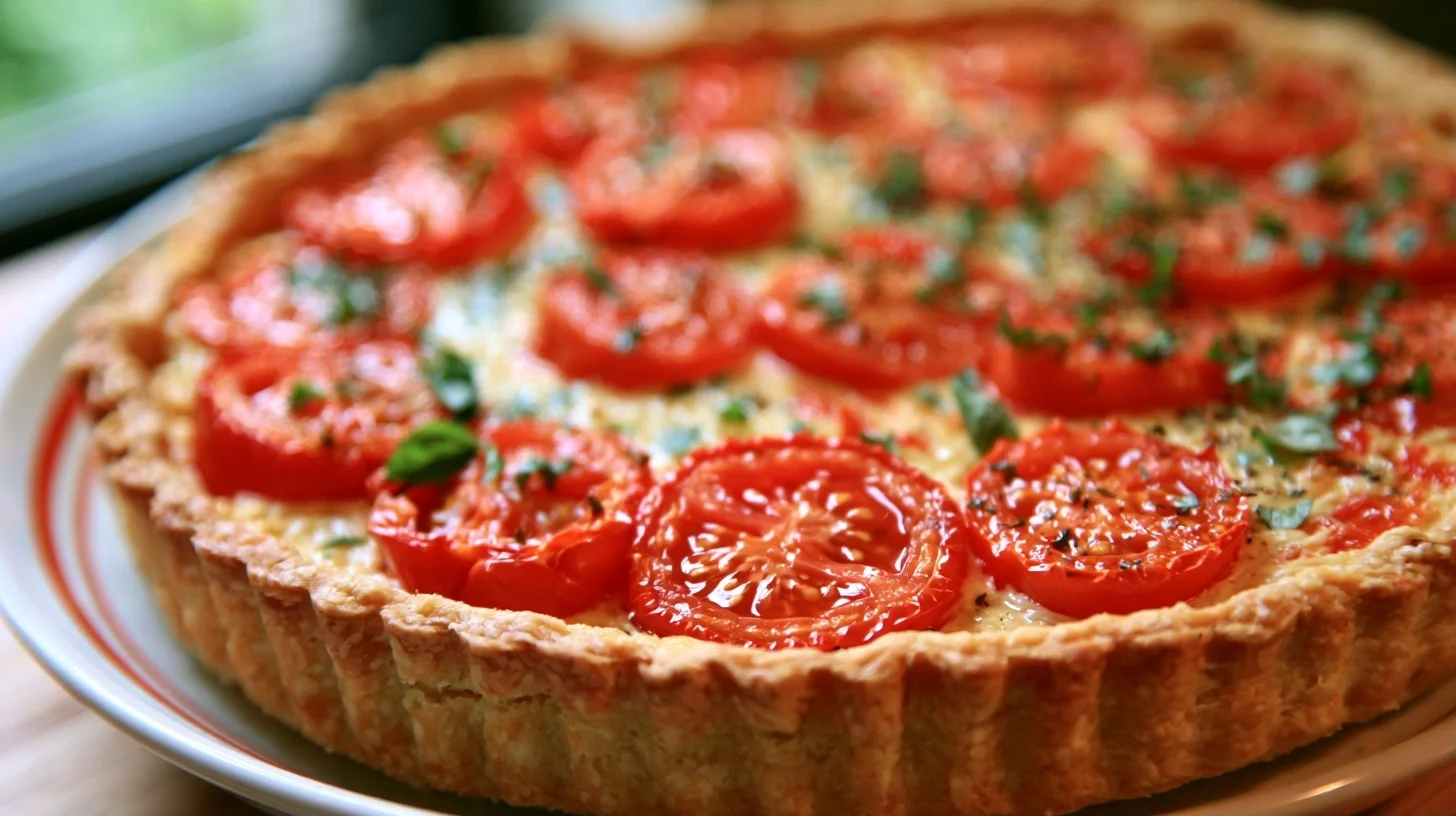
Table of contents
- Why You Will Love This Tomato Pie
- Essential Equipment for Perfect Tomato Pie
- How to Make the Best Tomato Pie
- The Secret Techniques That Make This Tomato Pie Better
- Common Mistakes to Avoid When Making Tomato Pie
- Creative Variations on Classic Tomato Pie
- Understanding Tomato Pie Nutrition
- Delicious Ways to Serve Your Tomato Pie
- Keeping Your Tomato Pie Fresh
- Frequently Asked Questions
Why You Will Love This Tomato Pie
- The salting technique removes excess moisture and concentrates the tomato flavor for a pie that never turns soggy.
- This recipe uses a genius cheese and mayonnaise mixture that creates a creamy, tangy layer that perfectly balances the fresh tomatoes.
- You can prepare the components ahead of time and assemble just before baking for stress-free entertaining.
- The golden, buttery crust provides the perfect textural contrast to the tender tomatoes and creamy filling.
Essential Equipment for Perfect Tomato Pie
I’ve learned that having the right tools makes all the difference when creating this Southern classic. These items ensure your pie bakes evenly and comes together smoothly.
- 9-inch deep-dish pie pan: The extra depth accommodates generous tomato layers without overflow, and I prefer ceramic or glass because they distribute heat evenly for consistent browning.
- Colander or wire rack: Essential for draining salted tomatoes properly, allowing liquid to escape from all sides rather than pooling underneath.
- Paper towels: You’ll need several sheets to pat the tomatoes completely dry after salting, which is crucial for preventing a watery filling.
- Sharp serrated knife: Makes clean slices through ripe tomatoes without crushing them, maintaining their structure and appearance in the finished pie.
- Medium mixing bowl: For combining the cheese mixture thoroughly, ensuring every bite has the perfect creamy consistency.
- Pastry brush: Helps you apply an egg wash to the crust edges for that beautiful golden finish bakeries achieve.
- Baking sheet: Place it under your pie pan to catch any drips and make oven transfers safer and easier.
How to Make the Best Tomato Pie
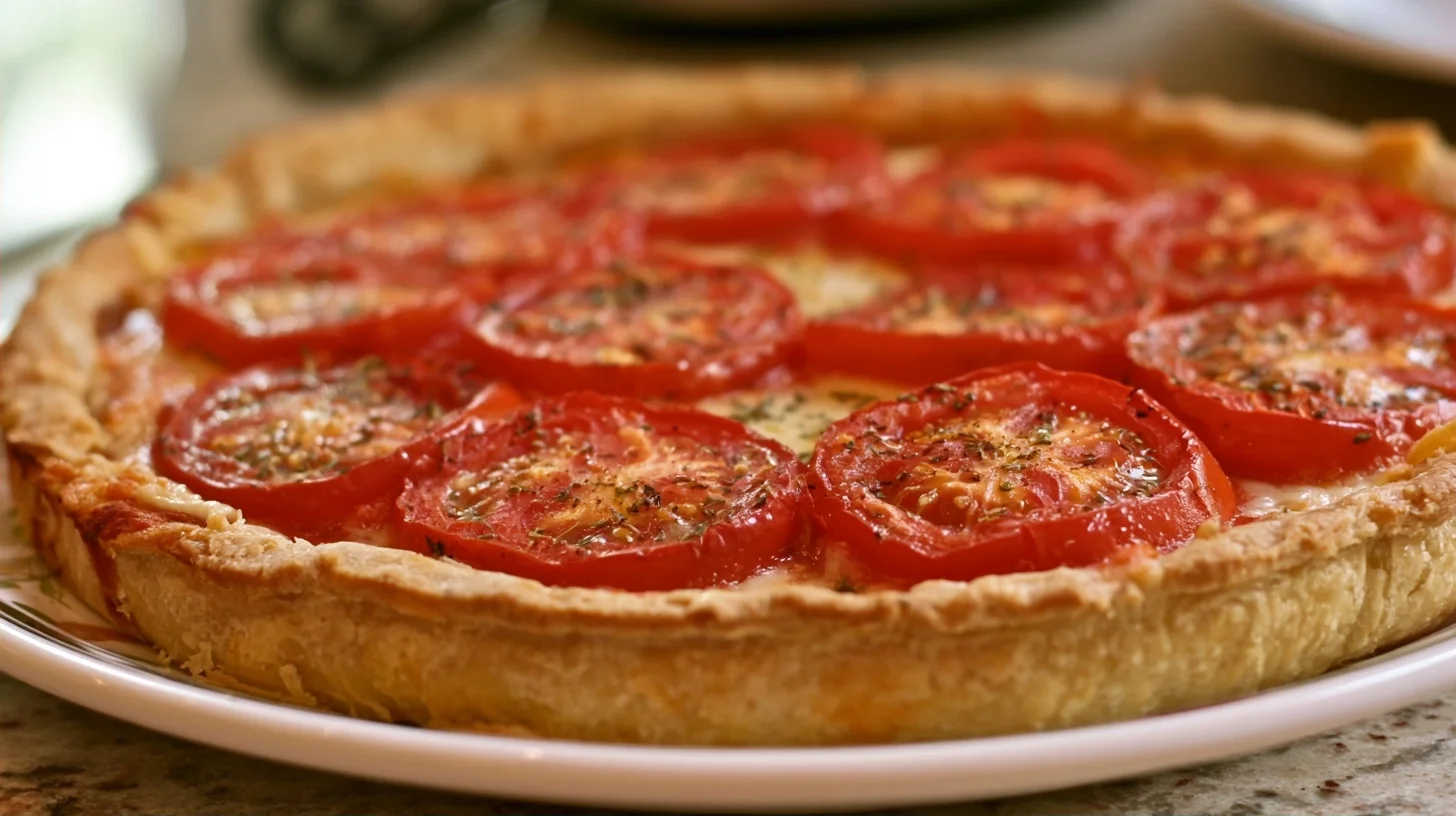
Southern Tomato Pie
8
servings45
minutes40
minutes320
kcalThis Southern tomato pie features juicy heirloom tomatoes layered with a creamy cheese mixture in a flaky, pre-baked crust. The 30-minute salting technique eliminates soggy crust problems while concentrating the tomato flavor for the perfect summer dish.
Keep the screen of your device on
Ingredients
1 9-inch pie crust
3 pounds ripe heirloom tomatoes
3 teaspoons kosher salt
1.5 cups sharp cheddar cheese
0.75 cup mayonnaise
0.25 cup fresh basil
0.5 cup Parmesan cheese
0.25 teaspoon black pepper
2 cloves garlic
1 tablespoon fresh chives
Directions
- Preheat your oven to 375°F and place your pie crust in a 9-inch deep-dish pie pan. This temperature ensures even browning without burning the edges.
- Blind-bake the crust by lining it with parchment paper and filling it with pie weights or dried beans. Bake for 12 minutes until just starting to turn golden. This creates a moisture barrier that prevents sogginess.
- Slice the tomatoes into 1/4-inch thick rounds and arrange them in a single layer on paper towels set in a colander. Sprinkle with 2 teaspoons of kosher salt and let them drain for exactly 30 minutes. This step removes excess moisture that would otherwise make your crust soggy.
- Pat the tomatoes completely dry with fresh paper towels, pressing gently to absorb all surface moisture. The drier your tomatoes, the crisper your finished pie will be.
- Combine the cheddar cheese, mayonnaise, Parmesan, remaining 1 teaspoon salt, black pepper, and minced garlic in a medium bowl. Mix until smooth and well blended. This creamy mixture acts as both filling and protective layer.
- Spread one-third of the cheese mixture evenly over the bottom of the pre-baked crust. This first layer creates a barrier between the crust and the tomatoes.
Notes
- The ideal salt-to-tomato ratio for tomato pie is one teaspoon of kosher salt per pound of sliced tomatoes, drained for exactly 30 minutes to prevent a soggy crust.
- This pie tastes even better the next day as the flavors meld together, making it perfect for advance preparation.
- If your tomatoes are especially juicy, extend the salting time to 40 minutes and use extra paper towels for drying.
- Room temperature cheese and mayonnaise blend more smoothly than cold ingredients, creating a creamier, more cohesive filling.
Nutrition Facts
- Serving Size: 1 g
- Total number of serves: 8
- Calories: 320kcal
- Fat: 18g
- Carbohydrates: 28g
- Fiber: 2g
- Protein: 12g
Did you make this recipe?
Tag @therecipemasterblog on Instagram and hashtag it with #therecipemaster
Like this recipe?
Follow @therecipemasterblog on Pinterest
Follow us on Facebook!
Follow The Recipe Master on Facebook
The Secret Techniques That Make This Tomato Pie Better
After years of perfecting this recipe, I’ve identified the game-changing techniques that separate an average tomato pie from an extraordinary one. These professional tips ensure restaurant-quality results every time.
Salt and Drain Your Tomatoes Properly
The optimal salt-to-tomato ratio for tomato pie is one teaspoon of kosher salt per pound of sliced tomatoes, drained for exactly 30 minutes. This step draws out excess moisture that would otherwise create a soggy bottom crust. I place the salted slices in a single layer on paper towels set in a colander. Therefore, liquid drains away completely rather than reabsorbing.
Choose the Right Tomatoes
I recommend using heirloom tomatoes at peak ripeness for the best flavor and texture. However, avoid overly juicy varieties like beefsteak tomatoes, which release too much liquid even after salting. Roma or plum tomatoes work beautifully because they have fewer seeds and denser flesh. For example, Brandywine and Cherokee Purple varieties offer incredible flavor with manageable moisture content. Check out this guide on when to harvest tomatoes for peak flavor to ensure you’re using fruit at its absolute best.
Pre-Bake Your Crust
I always blind-bake my pie crust for 12 minutes at 375°F before adding the filling. This creates a moisture barrier that prevents the tomato juices from penetrating the pastry. Use pie weights or dried beans to keep the crust flat. As a result, you’ll get a crispy, flaky bottom that holds up beautifully.
Layer Strategically
The order of ingredients matters significantly. I start with a thin layer of the cheese mixture on the pre-baked crust, then add tomatoes, fresh basil, and another cheese layer. This technique creates a protective coating between the wet tomatoes and the crust. In addition, it distributes the creamy filling evenly throughout every slice.
Use Room Temperature Ingredients
I found that bringing your cheese, mayonnaise, and eggs to room temperature before mixing creates a smoother, more cohesive filling. Cold ingredients don’t blend as thoroughly and can result in a grainy texture. Let everything sit out for about 30 minutes before you begin assembly.
Don’t Skip the Resting Time
After baking, let your tomato pie rest for at least 20 minutes before slicing. This allows the filling to set properly and makes clean slicing possible. I know it’s tempting to cut into it immediately, but patience pays off with picture-perfect slices that hold their shape.
Common Mistakes to Avoid When Making Tomato Pie
I’ve made every possible error with this recipe, so you don’t have to. These are the most frequent pitfalls home cooks encounter and exactly how to avoid them.
Using Tomatoes That Are Too Wet
The biggest mistake is skipping the salting step or not draining the tomatoes long enough. Wet tomatoes release moisture during baking, which saturates the crust and creates a mushy texture. I fix this by always salting my tomatoes for the full 30 minutes and patting them completely dry with fresh paper towels before assembly.
Overfilling the Pie
It’s tempting to pack in as many tomatoes as possible, but overfilling leads to spillover and uneven cooking. The filling expands slightly as it bakes, so leave about half an inch of space from the top of your crust. I recommend using three medium tomatoes for a standard 9-inch pie, which provides perfect coverage without overflow.
Not Pre-Baking the Crust
Skipping the blind-baking step results in a pale, soggy bottom crust that never crisps up. The tomato moisture penetrates raw dough too quickly for it to set properly. I always pre-bake my crust until it’s just starting to turn golden, which creates a protective barrier against the juicy filling.
Cutting Into the Pie Too Soon
Slicing immediately after removing the pie from the oven causes the filling to run and creates messy, falling-apart pieces. The cheese mixture needs time to firm up as it cools. I recommend waiting at least 20 minutes, though 30 is even better for the cleanest slices.
Creative Variations on Classic Tomato Pie
I love experimenting with this versatile recipe to create new flavor combinations. These variations maintain the essential character of tomato pie while offering exciting twists for different dietary needs and taste preferences.
Herbed Tomato Pie with Mixed Cheeses
I replace half the cheddar with Gruyère or fontina for a more sophisticated flavor profile. Add fresh thyme and oregano along with the basil for an herb-garden twist. The combination creates a more complex, aromatic pie that pairs beautifully with white wine.
Caramelized Onion and Tomato Pie
I layer thinly sliced caramelized onions between the tomato slices for added sweetness and depth. The onions complement the tomato acidity perfectly and add another dimension of flavor. Cook the onions low and slow until they’re golden brown and jammy before adding them to your pie.
Bacon and Tomato Pie
For a heartier version, I crumble crispy bacon between the layers. Use about four strips of thick-cut bacon, cooked until crisp and crumbled. The smoky, salty flavor pairs wonderfully with the sweet tomatoes and creates a more substantial dish perfect for brunch.
Gluten-Free Tomato Pie
I use a gluten-free pie crust made with almond flour or a store-bought gluten-free option. The filling is naturally gluten-free, so this substitution is straightforward. Make sure to blind-bake the gluten-free crust a bit longer, as it needs extra time to crisp up properly.
Roasted Tomato Version
For deeper, more concentrated flavor, I roast the tomato slices at 300°F for 20 minutes before assembling the pie. This intensifies their sweetness and reduces moisture even further. Try pairing this technique with my roasted tomato sauce recipe for complementary side dishes that celebrate the same ingredient.
Dairy-Free Tomato Pie
I substitute the cheese mixture with cashew cream blended with nutritional yeast for a cheesy flavor without dairy. Use vegan mayonnaise in place of regular mayo. The result is surprisingly close to the traditional version and works perfectly for lactose-intolerant guests.
Understanding Tomato Pie Nutrition
This tomato pie offers a balanced combination of fresh vegetables, protein from cheese, and healthy fats. One slice contains approximately 320 calories, making it a reasonable option for lunch or dinner. The tomatoes provide vitamin C, potassium, and lycopene, a powerful antioxidant linked to heart health.
The cheese and mayonnaise contribute about 18 grams of fat per serving, including both saturated and unsaturated fats. However, you can reduce the fat content by using reduced-fat cheese and light mayonnaise without significantly compromising flavor. The pie provides roughly 12 grams of protein per slice, which helps keep you satisfied. With about 28 grams of carbohydrates per serving, primarily from the crust, this dish fits well into a balanced eating plan when paired with a fresh salad.
Delicious Ways to Serve Your Tomato Pie
I love serving tomato pie as the centerpiece of a summer lunch spread alongside a crisp arugula salad dressed with lemon vinaigrette. The peppery greens and bright citrus cut through the richness of the cheese beautifully. For a more substantial meal, add grilled chicken or shrimp on the side. The pie also works wonderfully as part of a brunch buffet, where guests can help themselves to slices alongside fresh fruit and pastries.
For casual entertaining, I cut the pie into smaller squares and serve them as appetizers at room temperature. They’re perfect finger food for garden parties or potlucks. Pair your tomato pie with chilled white wine like Sauvignon Blanc or Pinot Grigio, which complement the acidity of the tomatoes. In addition, iced sweet tea makes a classic Southern pairing that never disappoints.
Keeping Your Tomato Pie Fresh
I store leftover tomato pie in an airtight container in the refrigerator for up to three days. The flavors actually deepen overnight, making day-two slices even more delicious. Let the pie cool completely before covering it to prevent condensation from forming and softening the crust.
For longer storage, I wrap individual slices tightly in plastic wrap and then aluminum foil before freezing for up to two months. Thaw frozen slices overnight in the refrigerator before reheating. To reheat, place slices on a baking sheet in a 350°F oven for 15 minutes until warmed through and the crust crisps up again. Avoid microwaving, as it makes the crust soggy and rubbery. Therefore, the oven method preserves the texture much better.
Frequently Asked Questions
Yes, you can assemble the pie up to 4 hours ahead and refrigerate it unbaked. Bring it to room temperature for 20 minutes before baking. Alternatively, bake it completely and reheat individual slices in a 350°F oven for 15 minutes to restore the crust’s crispness.
Your pie is watery because the tomatoes weren’t drained long enough or thoroughly enough before assembly. Always salt tomato slices for exactly 30 minutes, then pat them completely dry with fresh paper towels. Skipping the blind-baking step also contributes to excess moisture, as the raw crust can’t form a protective barrier against the juicy filling.
Yes, store-bought pie crust works perfectly for this recipe and saves significant time. Choose a refrigerated rolled crust rather than a frozen pre-formed shell for better results. Make sure to blind-bake the store-bought crust for 12 minutes at 375°F before adding the filling to ensure it stays crisp.
Heirloom tomatoes at peak ripeness offer the best flavor, specifically varieties like Brandywine or Cherokee Purple. Roma or plum tomatoes work beautifully because they contain less moisture and fewer seeds than beefsteak varieties. Avoid overly juicy tomatoes, as they release too much liquid even after proper salting and draining.






Leave a Reply