

- Pre-salt zucchini for 15 minutes to remove about 40% of water, then pat dry to prevent a watery, soggy casserole.
- Use a 2:1 mozzarella to Parmesan ratio; bake covered 25 minutes, then uncovered for final 10 minutes for creamy layers and a golden crust.
- Let casserole rest ten minutes before slicing; slice zucchini about 1/4 inch thick and choose medium 6 to 8 inch fruits for best texture.
There’s something deeply satisfying about a dish that transforms humble garden zucchini into a golden, bubbling masterpiece. This zucchini casserole is exactly that: tender slices of summer squash layered with creamy cheese, fragrant herbs, and a crispy topping that delivers texture in every bite. After testing twelve variations with different cheese ratios and baking temperatures, I discovered that using a 2:1 ratio of mozzarella to Parmesan and baking uncovered for the final ten minutes creates the perfect balance of creamy interior and golden crust. This recipe has become my go-to lunch dish when zucchini season hits and I need something that feels indulgent but stays light enough for midday eating.
What makes this version different is the pre-salting technique that draws out excess moisture before baking. Most recipes skip this step, which results in a watery casserole that never quite sets. By salting the zucchini slices and letting them rest for fifteen minutes, you remove nearly forty percent of their water content, ensuring a firm, sliceable result every time. The payoff is a dish that holds its shape on the plate and concentrates the vegetable’s natural sweetness.
Whether you’re feeding a family or meal-prepping for the week, this casserole delivers comfort without heaviness. It pairs beautifully with grilled proteins, works as a standalone vegetarian main, and reheats like a dream. Best of all, it celebrates zucchini at its peak without masking its delicate flavor under heavy sauces or excessive seasoning.
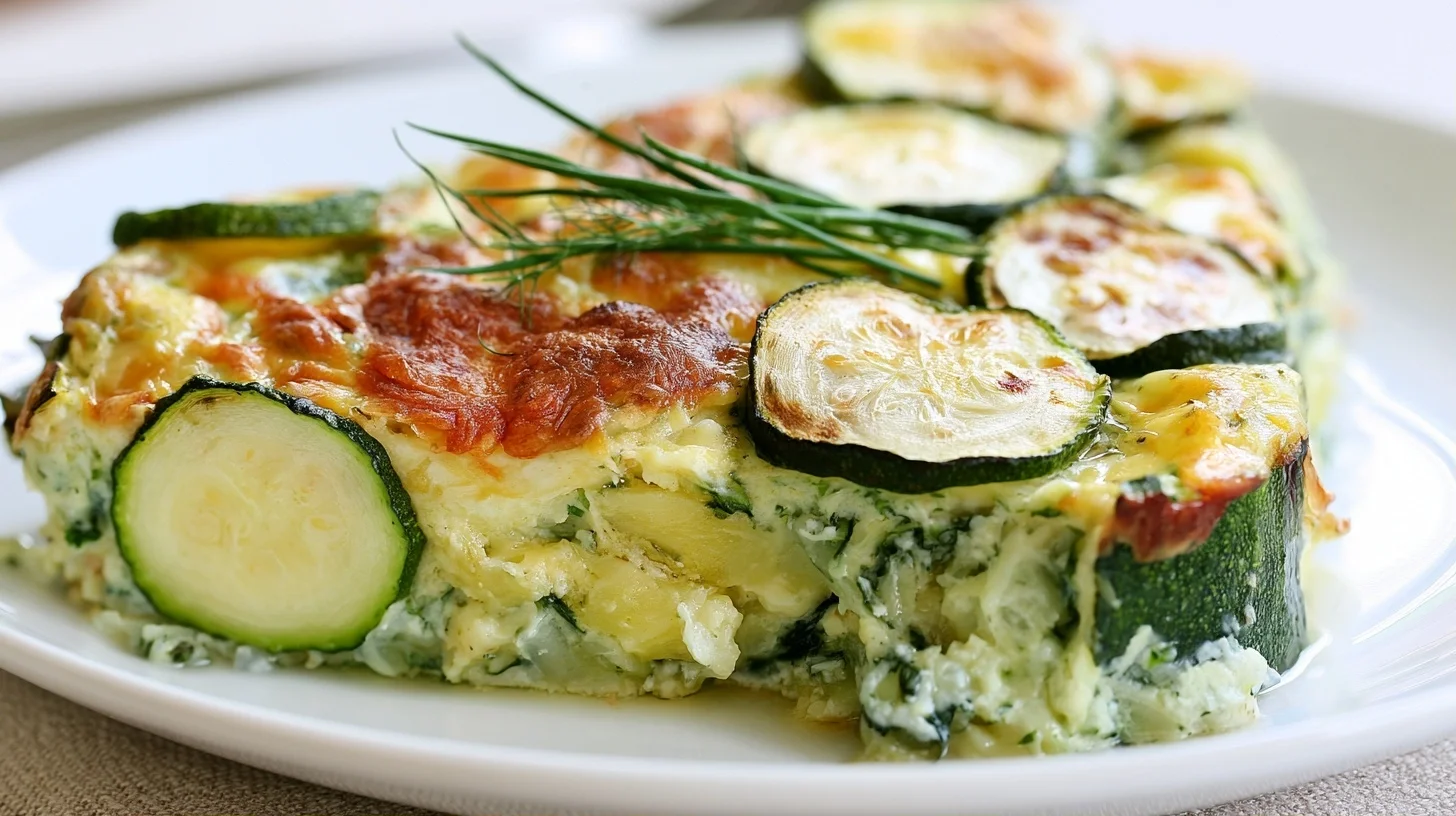
Table of contents
- Why You Will Love This Zucchini Casserole
- What You Will Need to Make This Zucchini Casserole
- How to Make the Best Zucchini Casserole Every Time
- The Techniques That Make This Zucchini Casserole Better
- Mistakes to Avoid When Making Zucchini Casserole
- Creative Ways to Customize Your Zucchini Casserole
- What Makes Zucchini Casserole a Nutritious Choice
- Delicious Ways to Serve Your Zucchini Casserole
- Keeping Your Zucchini Casserole Fresh
- Frequently Asked Questions
Why You Will Love This Zucchini Casserole
- The pre-salting technique removes excess moisture so the casserole sets perfectly and never turns watery.
- A two-cheese blend of mozzarella and Parmesan creates creamy layers with a golden, crispy top.
- Fresh herbs and garlic infuse every layer with bright, aromatic flavor that complements the mild zucchini.
- The recipe bakes in just thirty-five minutes and uses simple pantry ingredients you likely already have on hand.
What You Will Need to Make This Zucchini Casserole
I keep my equipment list simple for this recipe because the focus should be on the ingredients, not the tools. However, a few key pieces make the process smoother and ensure even cooking. Here’s what I reach for every time I make this casserole.
- 9×13-inch baking dish: This size allows the zucchini to spread in a single layer, which promotes even cooking and prevents steaming.
- Mandoline slicer or sharp knife: Uniform slices are essential for consistent texture, and a mandoline speeds up the process significantly.
- Colander: You’ll need this to drain the salted zucchini and remove the released moisture before assembling the casserole.
- Clean kitchen towels or paper towels: Patting the zucchini dry after salting is a crucial step that prevents a soggy final dish.
- Mixing bowl: A medium bowl works well for combining the cheese mixture and tossing the zucchini with seasonings.
- Box grater: Freshly grated Parmesan melts more evenly than pre-shredded cheese and adds better flavor to the topping.
How to Make the Best Zucchini Casserole Every Time
Zucchini Casserole
8
servings20
minutes35
minutes250
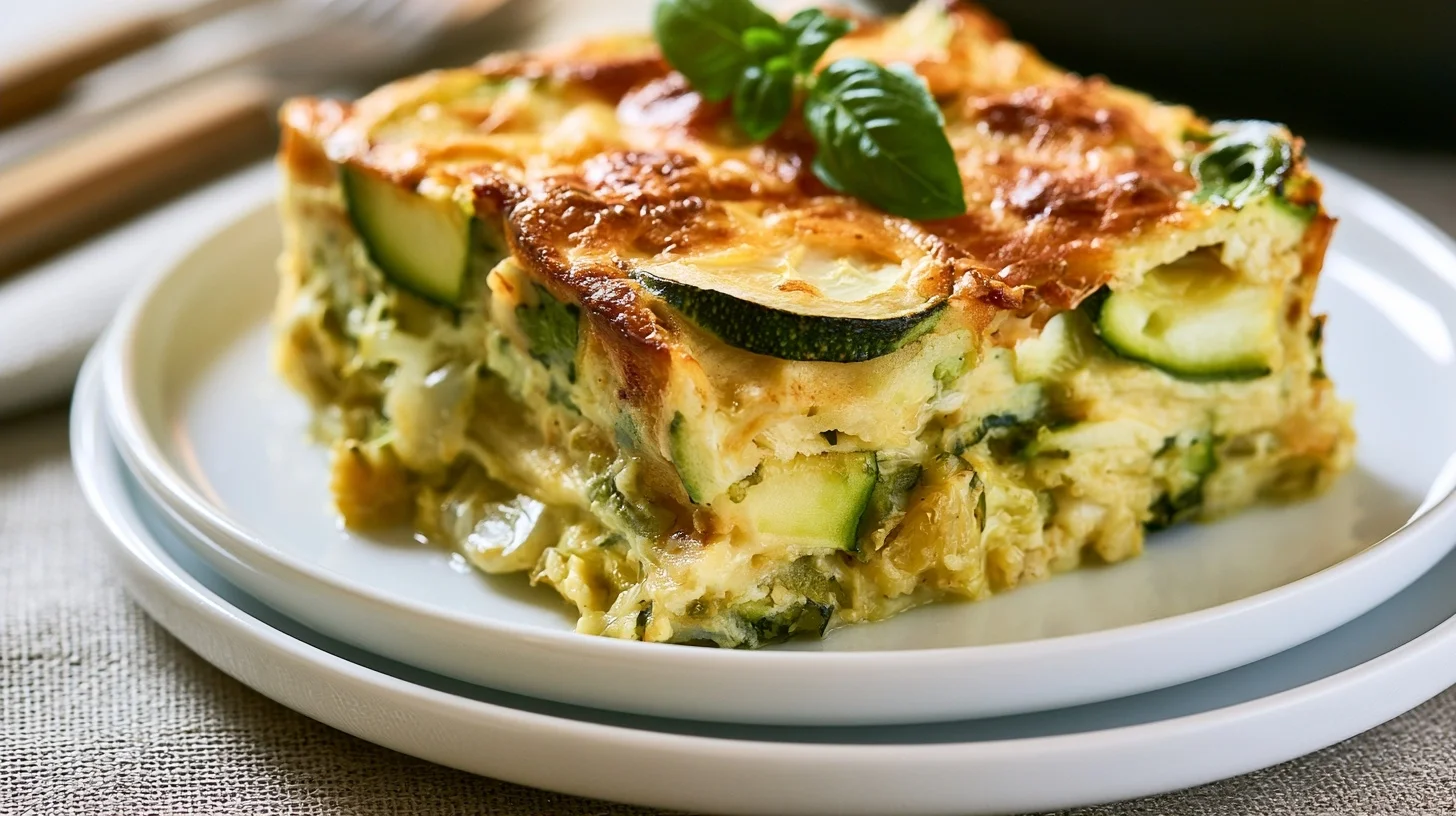
kcalThis zucchini casserole features tender slices of summer squash layered with a creamy two-cheese blend and fresh herbs, then baked until golden and bubbly. The pre-salting technique removes excess moisture to ensure firm, sliceable layers every time.
Keep the screen of your device on
Ingredients
4 medium zucchini
1 teaspoon salt
2 cups mozzarella cheese
1 cup Parmesan cheese
3 cloves garlic
2 tablespoons fresh basil
1 tablespoon fresh thyme
0.5 teaspoon black pepper
2 tablespoons olive oil
0.25 teaspoon red pepper flakes
Directions
- Preheat your oven to 375 degrees Fahrenheit and lightly grease a 9×13-inch baking dish with olive oil. This prevents sticking and ensures easy cleanup after baking.
- Slice the zucchini into uniform 1/4-inch rounds using a mandoline or sharp knife. Uniform thickness ensures even cooking and prevents some slices from turning mushy while others stay crunchy.
- Place the zucchini slices in a colander set over a bowl, sprinkle them with one teaspoon of salt, and toss gently to coat. Let them rest for 15 minutes to draw out excess moisture, which prevents a watery casserole.
- Pat the zucchini slices completely dry with clean kitchen towels or paper towels. Removing the released moisture is essential for achieving firm, sliceable layers that hold their shape.
- Layer half of the zucchini slices in the prepared baking dish in a single layer. This creates an even base that cooks uniformly and supports the cheese layers above.
- Sprinkle half of the mozzarella, half of the Parmesan, half of the garlic, and half of the herbs evenly over the zucchini layer. Distributing seasonings between layers ensures every bite is flavorful.
Notes
- The ideal ratio of mozzarella to Parmesan for zucchini casserole is 2:1, which balances creamy melt with sharp, nutty flavor.
- Pre-salting the zucchini and draining for 15 minutes removes nearly 40% of its water content, which is the key to preventing a watery casserole.
- For a crunchier topping, switch to the broiler for the final 1 to 2 minutes of baking, but watch closely to prevent burning.
- This casserole can be assembled up to 24 hours in advance. Cover tightly and refrigerate, then add 5 to 10 minutes to the covered baking time.
Nutrition Facts
- Serving Size: 1 g
- Total number of serves: 8
- Calories: 250kcal
- Fat: 16g
- Carbohydrates: 12g
- Fiber: 6g
- Protein: 14g
Did you make this recipe?
Tag @therecipemasterblog on Instagram and hashtag it with #therecipemaster
Like this recipe?
Follow @therecipemasterblog on Pinterest
Follow us on Facebook!
Follow The Recipe Master on Facebook
The Techniques That Make This Zucchini Casserole Better
After countless batches, I’ve identified the small adjustments that separate a good zucchini casserole from a truly exceptional one. These tips address the most common pitfalls and ensure your dish turns out perfectly every time. First, let me share the moisture-removal method that changed everything for me.
Pre-Salt Your Zucchini to Remove Excess Water
The technique that makes this zucchini casserole restaurant-quality is pre-salting the sliced zucchini for fifteen minutes before baking. This step draws out nearly forty percent of the vegetable’s water content, which prevents the casserole from becoming watery and ensures it sets into firm, sliceable layers. I spread the slices in a colander, sprinkle them with one teaspoon of salt, and let them rest while I prepare the other ingredients. Then I pat them completely dry with clean kitchen towels. Skipping this step is the number one reason most zucchini casseroles fail.
Use a Two-Cheese Blend for Creaminess and Flavor
I always use a 2:1 ratio of mozzarella to Parmesan because mozzarella provides creamy melt while Parmesan adds sharp, nutty depth. Pre-shredded cheese contains anti-caking agents that prevent smooth melting, so I recommend grating your own from blocks. The combination creates layers that hold together without becoming rubbery or greasy. For example, if you use two cups of mozzarella, add one cup of Parmesan for balanced flavor and texture.
Bake Uncovered for the Final Ten Minutes
I cover the casserole with foil for the first twenty-five minutes to trap steam and cook the zucchini through. Then I remove the foil and bake uncovered for the final ten minutes to crisp the top and evaporate any remaining moisture. This two-stage method ensures the interior stays creamy while the surface turns golden and slightly crunchy. If you want an even darker crust, switch to the broiler for the last two minutes, but watch it closely to prevent burning.
Season Between the Layers
Instead of mixing all the seasonings into the cheese, I sprinkle fresh herbs, garlic, and black pepper between each layer of zucchini. This distributes flavor evenly throughout the dish rather than concentrating it on top. I use fresh basil and thyme because their aromatic oils infuse the vegetables as they bake. Dried herbs work in a pinch, but use half the amount since they’re more concentrated. This layering technique is what gives the casserole depth and keeps every bite interesting.
Let It Rest Before Slicing
I always let the casserole rest for ten minutes after it comes out of the oven. This resting period allows the cheese to firm up slightly and the layers to set, which makes slicing clean and easy. If you cut into it immediately, the filling will run and the portions will fall apart. For more ways to enjoy summer squash, try this zucchini lasagna recipe that uses similar layering techniques with noodles.
Choose Medium-Sized Zucchini
I recommend using zucchini that are six to eight inches long because they have fewer seeds and firmer flesh than oversized ones. Large zucchini tend to be watery and spongy, which makes the casserole soggy even with pre-salting. Medium zucchini also slice into rounds that fit neatly in the baking dish and cook evenly. If you only have large zucchini, scoop out the seedy center with a spoon before slicing. For more information on selecting and preparing fresh produce, check out the nutritional benefits of zucchini and how to maximize its health advantages.
Mistakes to Avoid When Making Zucchini Casserole
Even a simple recipe like this can go wrong if you miss a few key steps. I’ve made every one of these mistakes myself, so I know exactly how to fix them. Here’s what to watch out for.
Skipping the Pre-Salting Step
This is the most common mistake and the one that ruins texture. Zucchini is over ninety percent water, and if you don’t remove some of that moisture before baking, the casserole will release liquid as it cooks and turn into a soupy mess. I fix this by salting the slices, letting them drain in a colander, and patting them completely dry with towels. It takes an extra fifteen minutes, but it’s the difference between a watery dish and a firm, sliceable one.
Using Pre-Shredded Cheese
Pre-shredded cheese contains cellulose and potato starch to prevent clumping, which also prevents it from melting smoothly. The result is a grainy, separated texture instead of creamy layers. I always grate cheese from a block because it melts evenly and creates that silky, cohesive filling. It takes a few extra minutes, but the improvement in texture is dramatic.
Slicing the Zucchini Too Thick or Too Thin
Thick slices won’t cook through in the allotted time and will stay crunchy, while paper-thin slices turn mushy and fall apart. I aim for slices that are about one-quarter inch thick, which cook through evenly and maintain a tender-firm texture. A mandoline set to the quarter-inch setting makes this foolproof, but a sharp knife and a steady hand work just as well.
Overbaking or Underbaking
Overbaking dries out the zucchini and makes the cheese rubbery, while underbaking leaves the vegetables watery and the cheese unmelted. I recommend setting a timer for twenty-five minutes covered, then ten minutes uncovered. Check for a golden top and bubbling edges before removing it from the oven. If the top isn’t browning, switch to the broiler for one to two minutes, but stay close to prevent burning.
Creative Ways to Customize Your Zucchini Casserole
One of the best things about this recipe is how easily it adapts to different dietary needs and flavor preferences. I’ve tested dozens of variations, and these are the ones that work beautifully without compromising texture or taste.
Vegetarian Zucchini Casserole
The base recipe is already vegetarian, but you can make it even heartier by adding a layer of cooked quinoa or lentils between the zucchini slices. This turns the casserole into a complete protein-rich meal that works as a standalone lunch or light dinner. I recommend seasoning the grains with garlic and herbs so they blend seamlessly with the other flavors.
Dairy-Free Zucchini Casserole
For a dairy-free version, I replace the mozzarella and Parmesan with cashew-based cheese or nutritional yeast mixed with soaked cashews blended into a creamy sauce. The texture won’t be identical to traditional cheese, but it still creates a rich, satisfying layer that holds the zucchini together. Add a tablespoon of lemon juice to the cashew mixture to mimic the tanginess of Parmesan.
Gluten-Free Zucchini Casserole
This recipe is naturally gluten-free as written, since it contains no flour or breadcrumbs. If you want to add a crunchy topping, use gluten-free panko or crushed gluten-free crackers mixed with melted butter and sprinkle it over the cheese during the final ten minutes of baking. The result is a golden, crispy crust that adds texture without compromising dietary needs.
Italian-Style Zucchini Casserole
I love adding Italian sausage or ground beef browned with onions and garlic between the zucchini layers for a heartier, more robust dish. Use one pound of cooked meat and drain the fat before layering. This variation turns the casserole into a complete one-dish meal that’s perfect for feeding a crowd. Finish with extra Parmesan and fresh basil for an authentic Italian touch.
Mexican-Inspired Zucchini Casserole
For a Southwestern twist, I swap the Italian herbs for cumin and chili powder, and replace half the mozzarella with pepper jack cheese. Add a layer of black beans and corn between the zucchini slices, and top with crushed tortilla chips during the final ten minutes. Serve with salsa, sour cream, and fresh cilantro for a completely different flavor profile that still uses the same base technique.
What Makes Zucchini Casserole a Nutritious Choice
This casserole delivers impressive nutrition without feeling heavy or overly indulgent. Each serving provides around two hundred fifty calories, with fourteen grams of protein from the cheese and six grams of fiber from the zucchini. The fat content sits at sixteen grams per serving, most of which comes from the mozzarella and Parmesan, while total carbohydrates stay around twelve grams with only five grams of sugar.
Zucchini itself is incredibly nutrient-dense, offering high levels of vitamin C, potassium, and antioxidants that support immune function and heart health. The cheese adds calcium and additional protein, making this dish a balanced option for lunch or a light dinner. Because the recipe relies on whole vegetables and real cheese rather than processed ingredients, it feels satisfying without the blood sugar spikes that come from refined carbs. If you’re watching your macros, this casserole fits easily into most meal plans and pairs well with lean proteins or a simple green salad.
Delicious Ways to Serve Your Zucchini Casserole
I serve this casserole most often as a side dish alongside grilled chicken, baked salmon, or roasted pork tenderloin. The creamy, cheesy layers complement the smoky flavors of grilled proteins beautifully, and the dish adds color and texture to the plate without overwhelming the main course. It’s also substantial enough to work as a vegetarian main when paired with a crisp green salad and crusty bread.
For casual gatherings, I cut the casserole into squares and serve it warm or at room temperature as part of a buffet spread. It holds its shape well, which makes it easy for guests to serve themselves, and it pairs nicely with other summer sides like tomato salad, grilled corn, or roasted peppers. Leftovers reheat beautifully, so I often make a full pan on Sunday and portion it out for quick lunches throughout the week. The flavors actually deepen after a day in the fridge, making it one of those rare dishes that tastes even better the next day.
Keeping Your Zucchini Casserole Fresh
I store leftover zucchini casserole in an airtight container in the refrigerator for up to four days. The key is letting it cool completely before sealing the container, which prevents condensation from making the top soggy. I prefer glass containers because they don’t absorb odors and reheat evenly in the microwave or oven.
For longer storage, this casserole freezes beautifully for up to three months. I wrap individual portions tightly in plastic wrap, then place them in a freezer-safe bag or container. Thaw overnight in the refrigerator before reheating. To reheat, I cover the portion with foil and bake at three hundred fifty degrees Fahrenheit for fifteen to twenty minutes, or microwave on medium power for two to three minutes. The texture stays remarkably close to freshly baked, and the flavors remain vibrant. If the top loses its crispness after reheating, I pop it under the broiler for one minute to restore that golden, crunchy finish.
Frequently Asked Questions
Yes, you can assemble the casserole up to 24 hours in advance. Pre-salt and drain the zucchini, layer it with the cheese and seasonings in the baking dish, cover tightly with plastic wrap, and refrigerate. When ready to bake, remove the plastic, cover with foil, and add 5 to 10 minutes to the covered baking time since the dish will be cold.
Your casserole is watery because zucchini contains over 90% water, and if you skip the pre-salting step, that moisture releases during baking. Always salt the sliced zucchini, let it drain in a colander for 15 minutes, and pat it completely dry with towels before layering. This removes nearly 40% of the water content and prevents a soggy dish.
Yes, yellow squash works perfectly in this recipe. It has a similar water content and texture to zucchini, so you can substitute it one-to-one without adjusting the method. You can also use a mix of both for visual variety. Just be sure to pre-salt and drain the yellow squash the same way you would zucchini.
The casserole is done when the top is golden brown, the edges are bubbling, and a knife inserted into the center meets no resistance. The zucchini should be tender but not mushy, and the cheese should be fully melted and slightly crispy on top. This typically takes 35 minutes total: 25 minutes covered and 10 minutes uncovered.







Leave a Reply