

If you’ve ever wanted to capture the essence of fall in a jar, pumpkin butter recipe is the answer. This velvety, spiced spread transforms pure pumpkin into something rich, sweet, and deeply aromatic. Unlike regular butter, pumpkin butter contains no dairy, it’s a slow-cooked fruit spread thickened to a luscious consistency that clings to toast, swirls into oatmeal, or elevates a cheese board. The magic happens when pumpkin puree meets warm spices and gentle heat, concentrating flavors until every spoonful tastes like autumn distilled into spreadable form.
What makes this recipe particularly reliable is the stovetop method, which gives you complete control over texture. You’ll watch the mixture transform from loose puree to thick, glossy butter that mounds on a spoon. The result is a spread that stays creamy without being runny, making it practical for everything from baking to gift-giving.
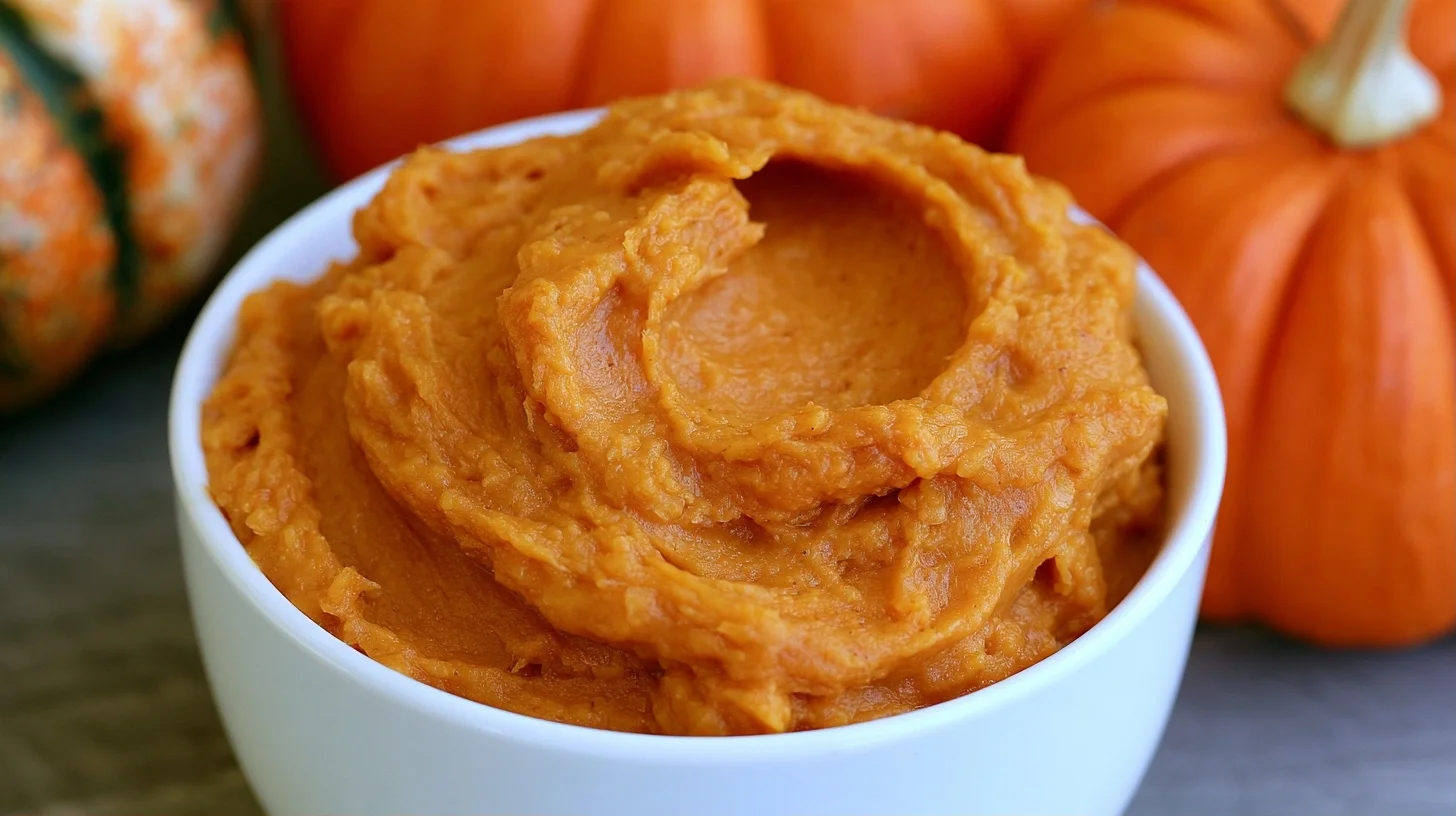
Table of contents
- Why You Will Love This Pumpkin Butter
- What You Need to Make Perfect Pumpkin Butter
- How to Make Pumpkin Butter That’s Thick and Spreadable
- Essential Tips for Rich, Smooth Pumpkin Butter
- Common Mistakes That Ruin Pumpkin Butter Recipe
- Ways to Customize Your Pumpkin Butter
- Nutritional Profile of Pumpkin Butter
- How to Serve Pumpkin Butter
- How to Store Pumpkin Butter Properly
- Frequently Asked Questions
Why You Will Love This Pumpkin Butter
- The stovetop method allows you to control thickness precisely, preventing the watery consistency that often plagues oven versions.
- This recipe uses canned pumpkin puree, which delivers consistent results year-round without the work of roasting and pureeing fresh pumpkin.
- The spice blend balances warmth without overwhelming the natural pumpkin flavor, making it versatile enough for both sweet and savory applications.
- Once made, pumpkin butter keeps for weeks in the refrigerator or can be frozen for months, giving you a taste of fall whenever you need it.
What You Need to Make Perfect Pumpkin Butter
The beauty of pumpkin butter lies in its simplicity. You need just a few pieces of equipment, but choosing the right ones makes the difference between smooth cooking and constant scraping.
- Heavy-bottomed saucepan: A 3 to 4 quart pan with a thick base distributes heat evenly, preventing scorching as the mixture thickens. Thin pans create hot spots that can burn the sugars.
- Wooden spoon or silicone spatula: These tools won’t scratch your pan and can scrape the bottom effectively as the pumpkin butter reduces. Metal spoons don’t reach into corners as well.
- Whisk: Essential for incorporating spices smoothly at the beginning, ensuring no clumps of cinnamon or ginger remain.
- Glass jars with tight lids: Mason jars or similar containers with airtight seals keep the butter fresh and make excellent gifts when labeled.
- Measuring cups and spoons: Accurate measurements matter more as the butter reduces, especially for sugar and spices which concentrate during cooking.
How to Make Pumpkin Butter That’s Thick and Spreadable
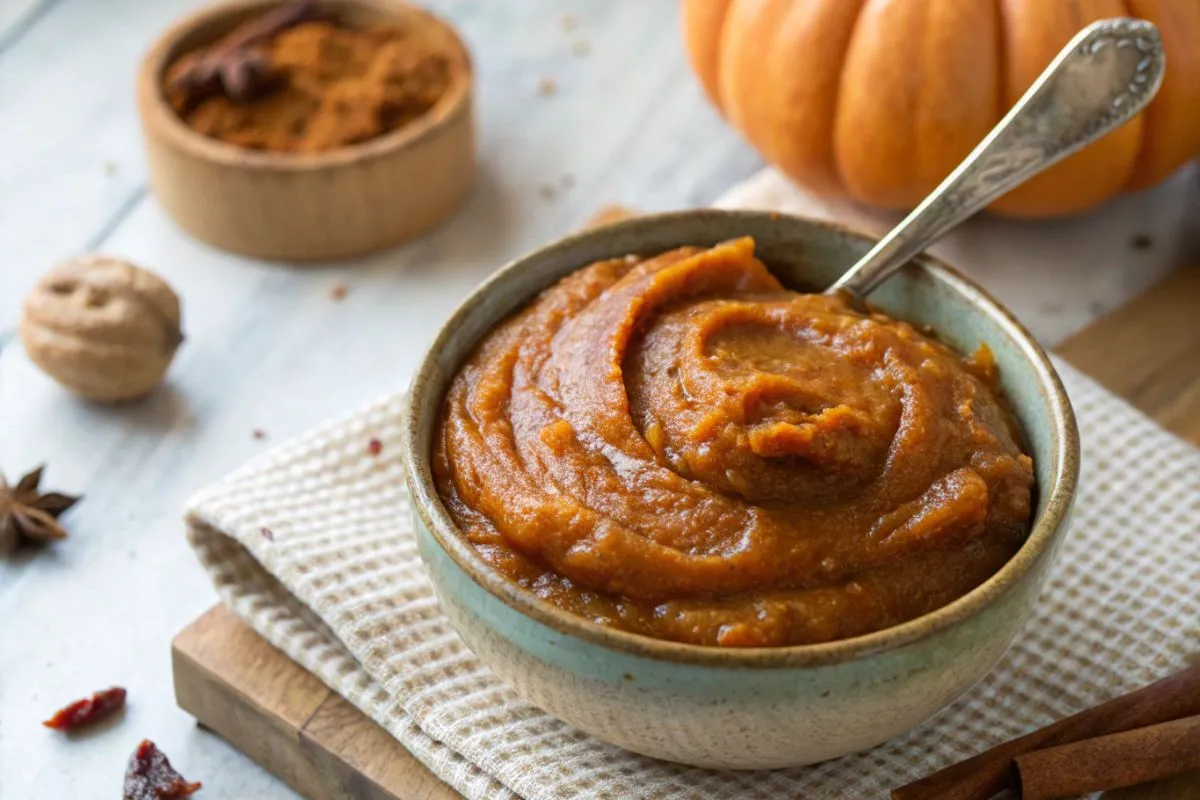
Homemade Pumpkin Butter
4
servings30
minutes40
minutes300
kcalThis pumpkin butter recipe uses canned pumpkin puree, brown sugar, and warm spices to create a thick, spreadable butter that’s perfect for toast, baking, or gifting. The stovetop method gives you complete control over texture, producing a rich, glossy spread that captures the essence of fall in every spoonful.
Keep the screen of your device on
Ingredients
1 can pumpkin puree
0.75 cup brown sugar
2 tablespoons maple syrup
1.5 teaspoons ground cinnamon
0.5 teaspoon ground ginger
0.25 teaspoon ground nutmeg
0.125 teaspoon ground cloves
0.125 teaspoon salt
1 tablespoon lemon juice
0.5 teaspoon vanilla extract
Directions
- Combine all ingredients in a heavy-bottomed saucepan. Use a whisk to blend the pumpkin puree, brown sugar, maple syrup, cinnamon, ginger, nutmeg, cloves, salt, and lemon juice until completely smooth with no spice clumps. This ensures even flavor distribution throughout the butter.
- Heat the mixture over medium-low heat, stirring frequently. You should see gentle bubbles breaking the surface after a few minutes. If the mixture boils vigorously, reduce the heat immediately to prevent scorching.
- Simmer for 30 to 45 minutes, stirring every 3 to 5 minutes at first, then every 2 minutes as it thickens. Scrape the bottom and sides of the pan with each stir to prevent sticking. The butter is ready when it mounds on a spoon and doesn’t flatten immediately.
- Test for doneness by dragging your spatula across the pan bottom. If the butter parts and takes a moment to flow back together, the consistency is right. Remove from heat and stir in vanilla extract if using.
- Let the pumpkin butter cool to room temperature in the pan, stirring occasionally to release steam. This prevents condensation from forming when you transfer it to storage containers.
- Transfer to clean glass jars with tight-fitting lids once completely cooled. Store in the refrigerator for up to three weeks or freeze in portions for up to six months.
Notes
- Pumpkin butter thickens slightly as it cools, so don’t over-reduce it on the stove or it will become too stiff when refrigerated.
- If your butter seems thin after 45 minutes, raise the heat slightly and continue cooking, stirring constantly, until it reaches the right consistency.
- For silky-smooth texture, use an immersion blender after cooking to eliminate any fibrous bits from the pumpkin puree.
Nutrition Facts
- Serving Size: 1 g
- Total number of serves: 16
- Calories: 70kcal
- Fat: 0g
- Carbohydrates: 18g
- Fiber: 1g
- Protein: 0g
Did you make this recipe?
Tag @therecipemasterblog on Instagram and hashtag it with #therecipemaster
Like this recipe?
Follow @therecipemasterblog on Pinterest
Follow us on Facebook!
Follow The Recipe Master on Facebook
Essential Tips for Rich, Smooth Pumpkin Butter
The key to exceptional pumpkin butter is patient reduction over gentle heat, which concentrates flavor without caramelizing the sugars too quickly. Rushing this step produces a thinner spread that separates when stored. Here’s what makes the biggest difference.
Control Your Heat
Medium-low heat is the sweet spot for reducing pumpkin butter. Too high, and the bottom scorches while the top stays thin. Too low, and you’ll wait hours for it to thicken. You should see gentle bubbles breaking the surface, not a rolling boil. Stir every few minutes, scraping the bottom and sides where the mixture thickens first. The butter is ready when it mounds on a spoon and doesn’t immediately flatten, usually after 30 to 45 minutes of simmering.
Choose Your Sweetener Wisely
Brown sugar adds molasses notes that complement pumpkin’s earthiness, while white sugar keeps the flavor brighter. Maple syrup creates a more complex sweetness but requires slightly longer cooking to reach the same thickness because of its water content. Honey works too, though it can overpower the pumpkin if you use more than half a cup. Start with less sugar than you think you need, you can always add more at the end, but you can’t remove it. Check out this apple butter recipe for similar fruit spread techniques.
Balance Your Spices
Cinnamon should lead, but ginger, nutmeg, and cloves provide depth. Add spices at the beginning so they bloom in the heat, releasing their essential oils. Ground spices work better than whole ones here because they distribute evenly. If you taste the butter halfway through and want more warmth, add spices in small increments, a quarter teaspoon at a time. Remember that flavors intensify as the mixture reduces, so what tastes mild at the start may become bold by the end.
Test for Doneness
The spoon test is more reliable than cooking time. Dip a cold spoon into the butter and turn it sideways. If the butter clings without dripping and holds its shape, it’s done. Another test: drag your spatula across the bottom of the pan. If the butter parts and takes a moment to flow back together, the consistency is right. It will thicken slightly more as it cools, so don’t over-reduce it on the stove.
Consider Texture Adjustments
For silky-smooth pumpkin butter, use an immersion blender after cooking to eliminate any fibrous texture from the puree. This step is optional but creates a luxurious mouthfeel that spreads like silk. If you prefer a rustic texture with slight body, skip the blending. For ideas on how to use your finished butter, explore creative pumpkin butter serving suggestions that go beyond toast.
Common Mistakes That Ruin Pumpkin Butter Recipe
Cooking Over High Heat
High heat causes the sugars to caramelize and stick to the pan bottom, creating burnt spots that taste bitter and require constant scraping. The pumpkin butter may look thick on top but will be scorched underneath. Always use medium-low heat and stir regularly. If you notice any browning on the pan bottom, immediately lower the heat and stir more frequently. Prevention is simple: be patient and resist the urge to speed up the process.
Not Stirring Enough
As the butter thickens, it becomes prone to sticking and scorching. Stirring every 3 to 5 minutes during the first 20 minutes is sufficient, but once it starts to thicken noticeably, increase to every 2 minutes. Use a spatula that reaches into the pan’s corners and scrapes the bottom completely. Neglecting this step results in uneven cooking and burnt patches that ruin the entire batch.
Adding Too Much Liquid
Some recipes call for apple cider or juice, which adds flavor but also extends cooking time significantly. If your pumpkin butter seems too thin after an hour of cooking, you likely started with too much liquid or your heat is too low. The fix is to raise the heat slightly and continue simmering, stirring constantly until it reaches the right consistency. Next time, use less liquid or skip it entirely if you want a faster cook.
Storing Before It’s Fully Cooled
Sealing hot pumpkin butter in jars creates condensation inside the lid, which drips back into the butter and creates a watery layer on top. This dilutes flavor and shortens shelf life. Always let the butter cool to room temperature before transferring to storage containers. If you’re in a hurry, spread it in a shallow dish to speed cooling, then transfer to jars once it’s no longer steaming.
Ways to Customize Your Pumpkin Butter
Maple Bourbon Pumpkin Butter Recipe
Replace half the sugar with pure maple syrup and add two tablespoons of bourbon during the last 10 minutes of cooking. The alcohol cooks off, leaving a warm, oaky depth that pairs beautifully with the pumpkin. This version is exceptional on cornbread or stirred into whipped cream for pie topping.
Chai-Spiced Pumpkin Butter Recipe
Add a quarter teaspoon each of cardamom and black pepper along with the other spices. Steep a chai tea bag in the mixture for the first 15 minutes, then remove it. The result is a more complex, aromatic spread with subtle tea notes that work wonderfully in yogurt or on scones.
Sugar-Free Pumpkin Butter Recipe
Use a granulated sugar substitute like erythritol or allulose in place of regular sugar. The butter won’t caramelize the same way, so the color will be lighter and the flavor less complex, but it still delivers that spiced pumpkin richness. You may need to cook it slightly longer to achieve the same thickness since sugar substitutes don’t reduce the same way.
Savory Pumpkin Butter Recipe
Reduce the sugar to two tablespoons and add a teaspoon of smoked paprika, half a teaspoon of cumin, and a pinch of cayenne. This version becomes a condiment for roasted meats, a spread for sandwiches, or a dip for crackers. The natural sweetness of pumpkin balances the savory spices beautifully.
Nutritional Profile of Pumpkin Butter
Pumpkin butter delivers a surprising amount of vitamin A thanks to the beta-carotene in pumpkin, which supports eye health and immune function. A typical two-tablespoon serving contains around 60 to 80 calories, depending on sugar content, with about 15 grams of carbohydrates. It contains minimal fat and protein, making it a lighter spread compared to nut butters or dairy butter.
The fiber content remains modest—around 1 gram per serving—because pumpkin puree has already been strained. If you’re watching sugar intake, consider reducing the sweetener or using alternatives. The spices contribute negligible calories but add antioxidants, particularly from cinnamon and ginger. While pumpkin butter isn’t a significant protein source, it’s a flavorful way to add nutrients to breakfast or snacks without heavy fats.
How to Serve Pumpkin Butter
The most obvious use is spreading it on warm toast, English muffins, or biscuits, where it melts slightly and releases its spiced aroma. But pumpkin butter shines in less expected places too. Swirl a spoonful into plain Greek yogurt for instant flavor, or fold it into pancake or waffle batter for pumpkin-spiced breakfast without extra prep. It makes an excellent filling for thumbprint cookies or a layer in bar desserts.
On a cheese board, pair pumpkin butter with sharp cheddar, creamy brie, or tangy goat cheese. The sweetness balances salty, aged cheeses beautifully. Use it as a glaze for roasted chicken or pork during the last 10 minutes of cooking—the sugars caramelize and create a glossy, flavorful crust. Stir a tablespoon into oatmeal, smoothies, or coffee for a seasonal twist. It even works as a substitute for pumpkin puree in recipes where you want extra sweetness and spice already built in.
How to Store Pumpkin Butter Properly
Transfer cooled pumpkin butter to clean glass jars with tight-fitting lids. It will keep in the refrigerator for up to three weeks. The high sugar content acts as a preservative, but once opened, always use a clean spoon to prevent introducing bacteria. If you notice any mold, off smells, or separation that doesn’t stir back together, discard the batch.
For longer storage, freeze pumpkin butter in small containers or silicone muffin cups. Once frozen solid, pop the portions into a freezer bag and store for up to six months. Thaw overnight in the refrigerator or at room temperature for a few hours. The texture may be slightly looser after freezing, but a quick stir brings it back together. Avoid storing in the original cooking pot—transferring to smaller containers reduces air exposure and helps maintain freshness.
Frequently Asked Questions
Yes, you can use fresh pumpkin, but you’ll need to roast it first, puree it until smooth, and strain out excess liquid. Canned pumpkin puree is more consistent and saves significant prep time, which is why most recipes call for it.
The butter is ready when it mounds on a spoon without immediately flattening and holds its shape when you drag a spatula across the pan bottom. It will thicken slightly more as it cools, so don’t over-reduce it.
No, pumpkin butter is not safe for water bath canning because pumpkin is a low-acid food. You can pressure can it following USDA guidelines, but for most home cooks, refrigerating or freezing is simpler and safer.
Burnt flavor comes from cooking over heat that’s too high or not stirring frequently enough as the butter thickens. The sugars caramelize and stick to the pan bottom, creating bitter spots. Always use medium-low heat and stir every few minutes, especially toward the end.



Leave a Reply