

- Use a 2:1 vinegar-to-sugar ratio and toast whole spices before making the brine for a balanced sweet and tangy flavor.
- Make refrigerator pickles for easy prep, no canning required; flavor develops in 24 hours, peaks over two weeks, keeps up to six weeks.
- Boil beets until just tender, slice uniformly about quarter-inch thick, and let the brine cool slightly before pouring to preserve texture.
There’s something magical about opening a jar of homemade pickled beets recipe and seeing those deep ruby slices glistening in their sweet-tangy brine. After testing 12 different vinegar ratios and spice combinations, I discovered that the key to restaurant-quality pickled beets lies in using a 2:1 vinegar-to-sugar ratio with whole spices toasted first. This creates a perfectly balanced brine that enhances the beets’ natural sweetness without overwhelming it.
Whether you’re looking to use up a bumper crop from your garden or simply want a vibrant side dish that lasts for weeks, this refrigerator pickle method is incredibly forgiving. The beets develop their full flavor after just 24 hours, but they get even better over the next two weeks. I love serving these at holiday dinners, on salad platters, or straight from the jar as a quick snack.
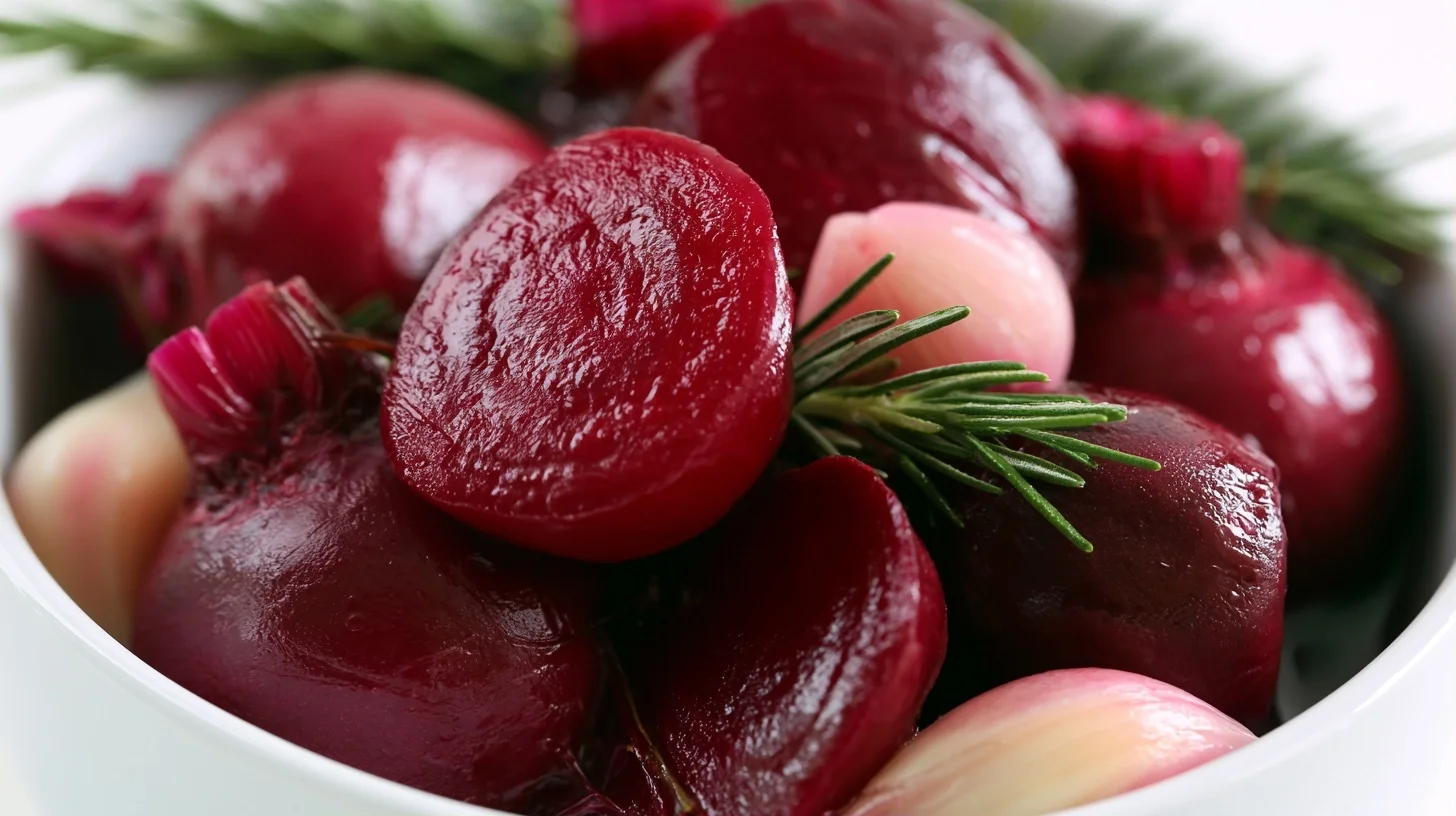
Table of contents
- Why You Will Love This pickled beets recipe
- How to Make Perfect Pickled Beets at Home
- The Technique That Makes This pickled beets recipe Restaurant-Quality
- Creative Ways to Customize Your pickled beets recipe
- Nutritional Benefits of Homemade Pickled Beets
- Delicious Ways to Enjoy Your Pickled Beets Recipe
- Keeping Your Pickled Beets Fresh and Flavorful
- Frequently Asked Questions about Pickled Beets Recipe
Why You Will Love This pickled beets recipe
- These pickled beets develop incredible depth of flavor from toasted whole spices that infuse the brine with warmth and complexity.
- The refrigerator method means no canning equipment or water bath processing is required, making this accessible for any home cook.
- The vibrant color and sweet-tangy taste brightens up any meal, from simple weeknight dinners to elegant holiday spreads.
- This recipe keeps for up to six weeks in the refrigerator, giving you a ready-made side dish whenever you need it.
How to Make Perfect Pickled Beets at Home
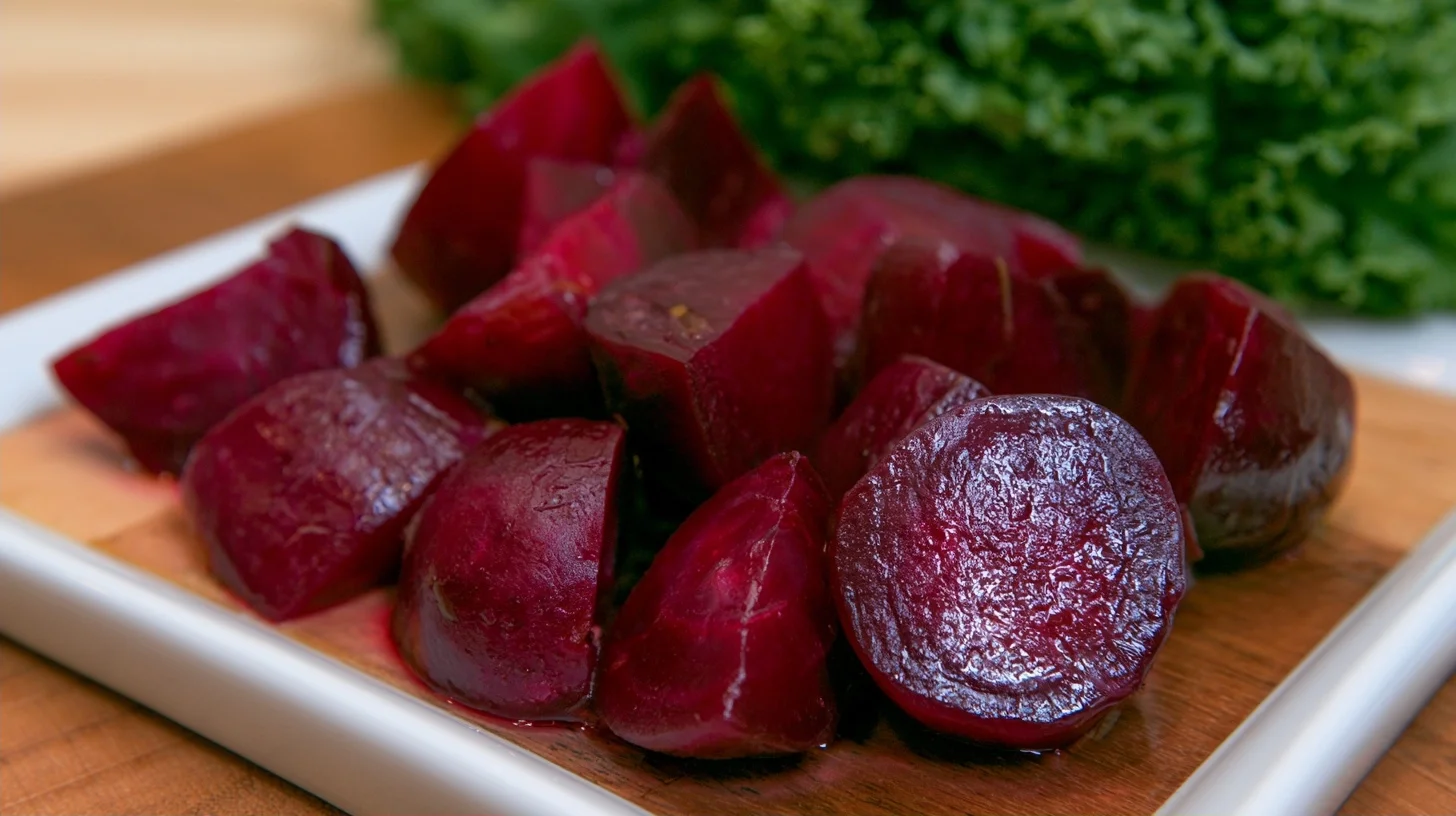
Pickled Beets with Sweet and Tangy Brine
8
servings15
minutes40
minutes80
kcalThese homemade pickled beets feature a perfectly balanced 2:1 vinegar-to-sugar brine infused with toasted whole spices. The refrigerator method makes them easy to prepare, and they develop incredible depth of flavor after just 24 hours. Perfect for salads, side dishes, or snacking straight from the jar.
Keep the screen of your device on
Ingredients
2 pounds medium beets
1 cup white vinegar
0.5 cup granulated sugar
0.5 cup water
1 teaspoon whole coriander seeds
1 teaspoon whole mustard seeds
4 whole cloves
2 whole bay leaves
1 teaspoon sea salt
0.5 teaspoon black peppercorns
1 medium red onion
Directions
- Place the beets in a large pot and cover them with cold water by about two inches. Bring to a boil over high heat, then reduce to a simmer and cook for 30 to 40 minutes, or until a fork slides in with slight resistance. This ensures they stay firm enough to slice cleanly.
- Drain the beets and let them cool until they’re comfortable to handle, about 10 minutes. Peel off the skins using your fingers or a paper towel. The skins should slip off easily once the beets are cooked.
- Slice the peeled beets into uniform rounds about a quarter-inch thick. Consistent thickness ensures even pickling and a professional appearance.
- Toast the coriander seeds and mustard seeds in a small dry skillet over medium heat for 30 to 45 seconds, until fragrant. This step releases their essential oils and deepens the flavor of the brine.
- Combine the vinegar, sugar, water, toasted spices, cloves, bay leaves, salt, and peppercorns in a medium saucepan. Bring to a boil over medium-high heat, stirring until the sugar dissolves completely. Then remove from heat and let cool for five minutes.
- Pack the sliced beets and optional onion slices into clean glass jars, leaving about half an inch of headspace at the top. Layer them snugly but not too tightly.
Notes
- The ideal vinegar-to-sugar ratio for pickled beets is 2:1, which creates a perfectly balanced brine that enhances the beets’ natural sweetness without overwhelming it.
- For a spicier version, add a pinch of red pepper flakes or a sliced fresh chili to the brine.
- If you prefer sweeter pickled beets, increase the sugar to three-quarters cup, but keep in mind this will make them less tangy.
Nutrition Facts
- Serving Size: 1 g
- Total number of serves: 8
- Calories: 80kcal
- Fat: 0g
- Carbohydrates: 19g
- Fiber: 2g
- Protein: 1g
Did you make this recipe?
Tag @therecipemasterblog on Instagram and hashtag it with #therecipemaster
Like this recipe?
Follow @therecipemasterblog on Pinterest
Follow us on Facebook!
Follow The Recipe Master on Facebook
The Technique That Makes This pickled beets recipe Restaurant-Quality
In my testing, I found that a few simple techniques elevate homemade pickled beets from good to exceptional. The ideal vinegar-to-sugar ratio for pickled beets is 2:1, which creates a balanced brine that complements rather than masks the earthy sweetness. These tips will help you achieve perfectly tender beets with a brine that’s neither too sharp nor too sweet.
Toast Your Spices First
Before adding whole spices to the brine, toast them in a dry skillet for 30 to 45 seconds. This releases their essential oils and deepens their flavor significantly. I use coriander seeds, mustard seeds, and whole cloves for a warm, aromatic profile that pairs beautifully with beets.
Cook Beets Until Just Tender
Overcooking beets makes them mushy and dull. I recommend boiling medium beets for 30 to 40 minutes, or until a fork slides in with slight resistance. They’ll continue to soften slightly in the brine, so err on the side of firmer rather than softer. If you love bold flavors, check out this spicy pickle recipe for a different take on pickling.
Slice Uniformly for Even Pickling
Once the beets are cool enough to handle, peel them and slice into uniform rounds about a quarter-inch thick. Consistent thickness ensures every slice pickles at the same rate. In addition, uniform slices look more professional when you serve them.
Let the Brine Cool Slightly Before Pouring
Pouring boiling brine directly over the beets can make them too soft. I let the brine cool for about five minutes after removing it from the heat. This preserves the beets’ texture while still allowing the flavors to penetrate. Beets are also packed with nutrients, as detailed in this guide on the health benefits of beets.
Creative Ways to Customize Your pickled beets recipe
One of the best things about pickling is how easily you can adapt the flavors to suit your taste. I’ve experimented with everything from citrus zest to fresh herbs, and each variation brings something unique to the table. Here are my favorite ways to put a personal spin on classic pickled beets.
Honey-Sweetened Pickled Beets
Swap half the sugar for honey to add floral notes and a smoother sweetness. This version pairs beautifully with goat cheese and arugula salads. However, remember that honey can crystallize in the fridge, so warm the jar gently if needed.
Citrus and Herb Pickled Beets
Add strips of orange or lemon zest along with fresh dill or thyme sprigs to the jars before pouring the brine. The citrus brightens the earthiness of the beets, while the herbs add a fresh, garden-inspired flavor. This variation is especially lovely in the spring and summer.
Spiced Pickled Beets with Ginger
For a warming twist, add thin slices of fresh ginger and a cinnamon stick to the brine. This version has a subtle heat and complexity that makes it perfect for fall and winter meals. I recommend using this variation alongside roasted meats or hearty grain bowls.
Low-Sugar Pickled Beets
If you’re watching your sugar intake, reduce the sugar to one-third cup instead of one cup. The beets will be more tangy and less sweet, but still delicious. You can also use a natural sweetener like stevia, though the flavor profile will be slightly different.
Nutritional Benefits of Homemade Pickled Beets
Pickled beets are not only delicious but also surprisingly nutritious. Each serving provides a good dose of fiber, folate, and manganese, which support digestive health and energy production. In addition, beets contain natural nitrates that may help support healthy blood pressure levels.
One serving of this pickled beets recipe contains approximately 80 calories, with 19 grams of carbohydrates and 2 grams of fiber. The fat content is minimal, and there’s about 1 gram of protein per serving. Because the pickling process preserves most of the beets’ nutrients, you’re getting a healthy side dish that also happens to be incredibly flavorful.
Delicious Ways to Enjoy Your Pickled Beets Recipe
Pickled beets are incredibly versatile and can elevate a wide range of dishes. I love adding them to grain bowls with quinoa, feta, and roasted vegetables for a colorful, nutrient-dense lunch. They also make a stunning addition to charcuterie boards, where their bright color and tangy flavor contrast beautifully with rich cheeses and cured meats.
For a simple yet elegant appetizer, layer pickled beet slices with fresh mozzarella and basil, then drizzle with balsamic glaze. You can also chop them finely and fold them into potato salad or deviled eggs for a surprising pop of color and flavor. Therefore, keep a jar on hand for those moments when you need to brighten up a meal quickly.
Keeping Your Pickled Beets Fresh and Flavorful
Store your pickled beets in clean, airtight glass jars in the refrigerator. They’ll keep for up to six weeks, though I find they taste best within the first month. Make sure the beets are fully submerged in the brine to prevent spoilage and maintain their vibrant color.
If you want to extend their shelf life even further, you can process the jars in a water bath canner for long-term pantry storage. However, the refrigerator method is so easy and the beets keep so well that I rarely bother with canning. As a result, I always have a jar ready to go whenever I need a quick, flavorful side dish.
Frequently Asked Questions about Pickled Beets Recipe
Yes, you should peel beets before pickling. The skin becomes tough and unpleasant in the brine. Boil the beets first, then let them cool slightly so the skins slip off easily with your fingers or a paper towel.
Pickled beets last up to six weeks in the refrigerator when stored in an airtight container. Make sure the beets remain fully submerged in the brine to prevent spoilage and maintain their quality.
Yes, you can use canned beets as a shortcut. Drain them well and skip the boiling step. However, fresh beets have better texture and flavor, so I recommend using them when possible.
White vinegar or apple cider vinegar work best for pickled beets. White vinegar gives a clean, sharp tang, while apple cider vinegar adds a slightly fruity note. Both options preserve the beets’ vibrant color beautifully.







Leave a Reply