

There’s something magical about a proper paella recipe that brings people together around the table. This iconic Spanish rice dish, with its golden saffron-infused grains and crispy socarrat bottom, transforms simple ingredients into something extraordinary. After testing twelve variations over the past year, I discovered the secret isn’t just about the ingredients but about the patience to let the rice develop that coveted crust without stirring.
What sets this version apart is the precise liquid-to-rice ratio of 2.5:1 and the two-stage cooking method that guarantees perfectly tender grains on top and a crackling caramelized layer beneath. This technique comes straight from Valencian tradition, where paella was originally cooked over open fires in wide, shallow pans. Whether you’re planning a weekend feast or celebrating a special occasion, this recipe delivers restaurant-quality results in your own kitchen.
I love serving this during lazy Sunday lunches when family gathers and conversation flows as freely as the wine. The aroma of saffron, paprika, and garlic fills the house long before the first bite, building anticipation that the finished dish absolutely delivers on.
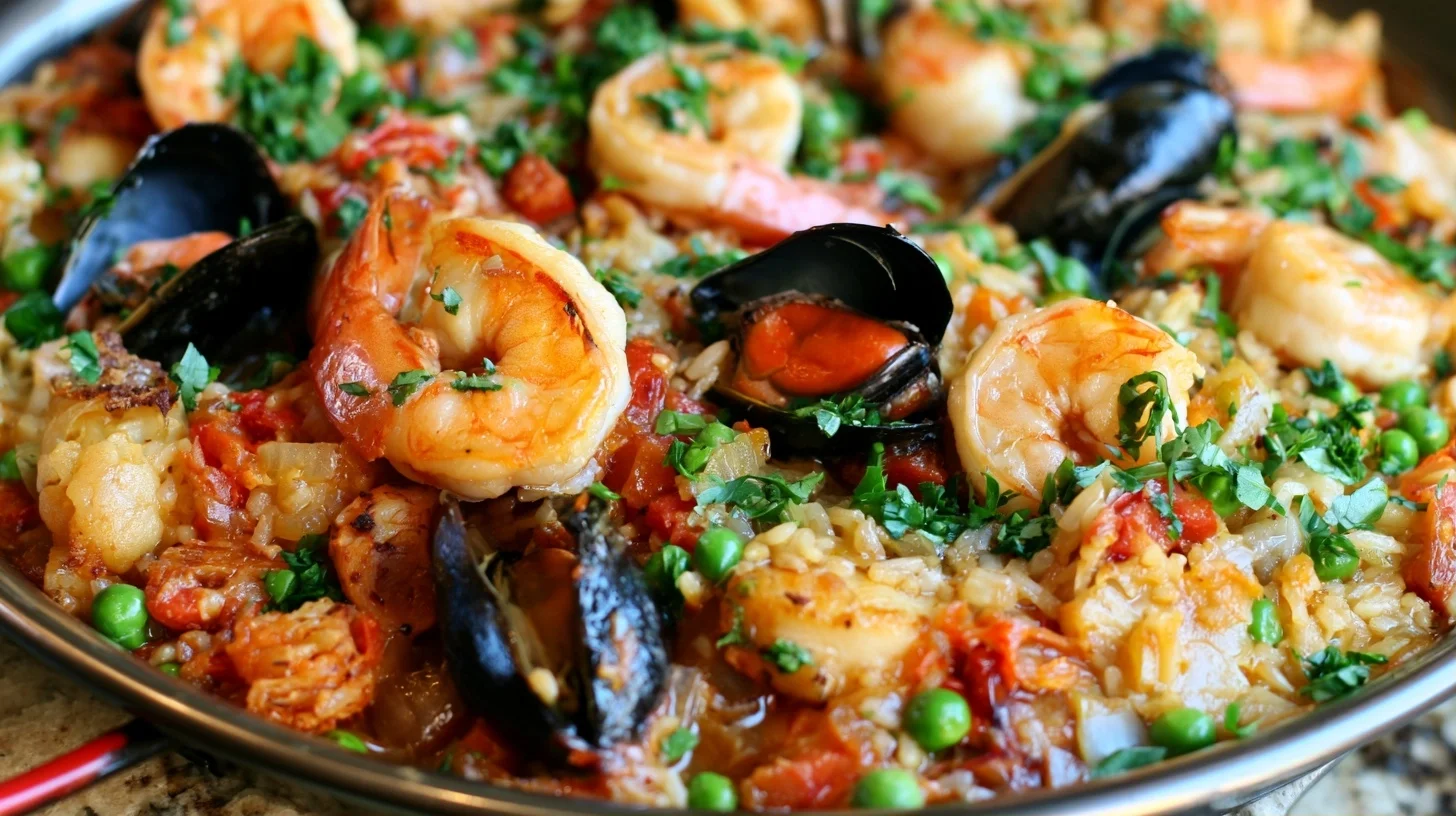
Table of contents
- Why You Will Love This Paella Recipe
- Essential Tools for Making Authentic Paella
- How to Make Perfect Paella Every Single Time
- The Techniques That Guarantee Restaurant-Quality Paella Recipe
- Common Paella Recipe Mistakes and How to Fix Them
- Creative Paella Recipe Variations to Try
- Understanding Paella Recipe Nutrition
- Serving This Spanish Classic
- Keeping Your Paella Fresh
- Frequently Asked Questions about Paella Recipe
Why You Will Love This Paella Recipe
- This recipe creates an authentic socarrat crust that rivals what you’d find in Valencia’s best restaurants.
- The two-stage cooking method ensures every grain of rice is perfectly cooked without becoming mushy or sticky.
- You can customize the proteins easily, swapping chicken and seafood based on what’s fresh or what your guests prefer.
- The vibrant saffron color and smoky paprika flavor make this dish as visually stunning as it is delicious.
- One pan feeds a crowd beautifully, making it perfect for gatherings without complicated plating or serving.
Essential Tools for Making Authentic Paella
The right equipment makes all the difference when preparing paella. While you can improvise with what you have, certain tools help you achieve that signature texture and flavor that defines this Spanish classic.
- Wide shallow paella pan or large skillet, ideally 15 to 17 inches in diameter, because the broad surface area allows the rice to cook in a thin layer and develop the socarrat crust properly.
- Wooden spoon for stirring the sofrito base without scratching your pan, essential during the initial sautéing stage.
- Measuring cups and spoons for precise liquid ratios, since the 2.5:1 liquid-to-rice ratio is critical for texture.
- Sharp chef’s knife for prepping vegetables and proteins cleanly and efficiently.
- Large cutting board with enough space to organize your ingredients before cooking begins.
- Ladle for adding broth gradually if needed, though traditional paella adds all liquid at once.
- Kitchen timer to track the crucial final ten minutes when the socarrat forms and you must not disturb the rice.
- Aluminum foil for the resting period after cooking, which allows steam to finish the process evenly.
How to Make Perfect Paella Every Single Time
Authentic Spanish Paella
6
servings20
minutes40
minutes450
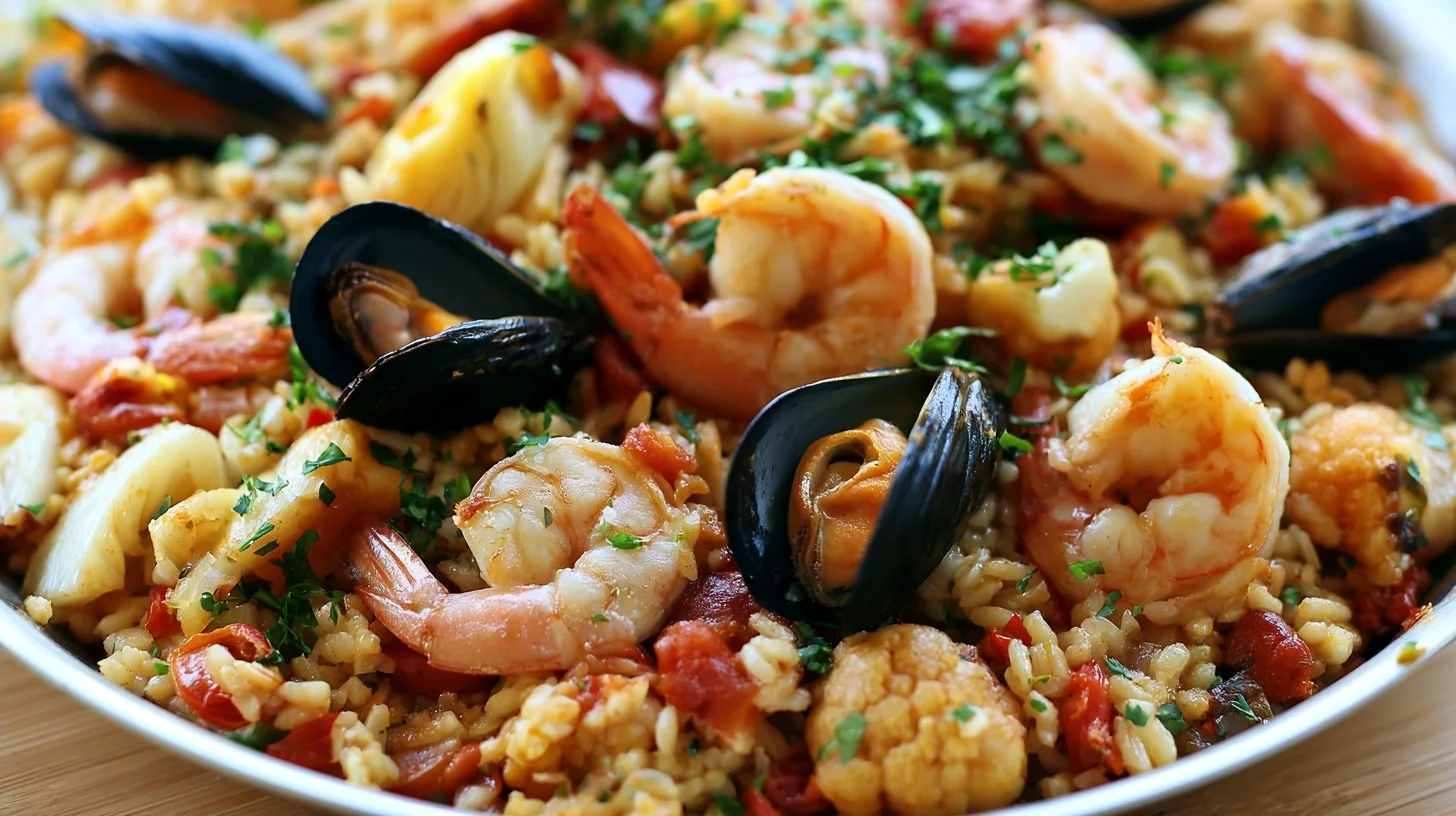
kcalThis authentic paella recipe uses a precise 2.5:1 liquid-to-rice ratio and a two-stage cooking method to create perfectly tender saffron-infused rice with a crispy socarrat crust. The combination of chicken, seafood, and aromatic vegetables delivers restaurant-quality flavor in one stunning pan.
Keep the screen of your device on
Ingredients
2 cups Bomba or short-grain rice
5 cups chicken stock
1 pinch saffron threads
1 pound chicken thighs
0.5 pound large shrimp
12 pieces mussels
1 large onion
4 cloves garlic
1 large red bell pepper
2 medium tomatoes
0.25 cup olive oil
1 teaspoon smoked paprika
Directions
- Steep the saffron threads in one cup of warm chicken stock for at least ten minutes to release their color and flavor. This step is essential because it ensures the saffron infuses the entire dish evenly rather than concentrating in one area.
- Heat the olive oil in a wide paella pan or large skillet over medium-high heat. Add the chicken pieces and cook for five to six minutes until golden brown on all sides, then remove and set aside. The rendered fat and browned bits add depth to the sofrito base.
- Add the onion and bell pepper to the same pan and sauté for five minutes until softened. Stir in the garlic and cook for one minute until fragrant, being careful not to let it burn.
- Add the grated tomatoes and smoked paprika to the pan and cook for eight to ten minutes, stirring occasionally, until the mixture darkens and thickens into a rich sofrito. This concentrated base is what gives paella its characteristic depth.
- Return the chicken to the pan and stir to coat with the sofrito. Pour in the saffron-infused stock along with the remaining four cups of warm stock, then bring everything to a boil. Taste and adjust salt if needed.
- Add the rice in an even layer across the entire pan surface, using a spoon to distribute it but not stirring it in. Once the rice is in place, do not stir again for the rest of the cooking process. This allows the grains to cook separately and the socarrat to form.
Notes
- The ideal liquid-to-rice ratio for paella is 2.5:1, which creates tender grains with a firm texture and allows the socarrat crust to form properly.
- Never stir the rice after adding it to the pan, as stirring releases starch and prevents the formation of the crispy socarrat bottom layer.
- If you cannot find Bomba rice, Calasparra or Italian Arborio rice can substitute, though the texture will be slightly different.
- Fresh saffron threads should be deep red and aromatic; faded or odorless threads are past their prime and won’t contribute much flavor.
Nutrition Facts
- Serving Size: 1 g
- Total number of serves: 6
- Calories: 450kcal
- Fat: 12g
- Carbohydrates: 52g
- Fiber: 3g
- Protein: 28g
Did you make this recipe?
Tag @therecipemasterblog on Instagram and hashtag it with #therecipemaster
Like this recipe?
Follow @therecipemasterblog on Pinterest
Follow us on Facebook!
Follow The Recipe Master on Facebook
The Techniques That Guarantee Restaurant-Quality Paella Recipe
After countless batches, I’ve learned that mastering paella comes down to understanding a few non-negotiable principles. These aren’t just tips but fundamental techniques that separate mediocre rice from the kind of paella that makes people ask for seconds before they’ve finished their first serving.
Never Stir After Adding the Rice
The golden rule of paella is to resist the urge to stir once the rice goes in. I distribute the rice evenly across the pan initially, then leave it completely alone. Stirring releases starch and creates a creamy risotto texture instead of the separate, firm grains paella demands. This hands-off approach also allows the socarrat to form on the bottom, which is the hallmark of properly made paella.
Master the Liquid-to-Rice Ratio
The precise liquid-to-rice ratio for traditional paella is 2.5 parts liquid to 1 part rice. I measure carefully every time because even a quarter cup too much liquid results in mushy rice, while too little leaves it crunchy and undercooked. Use a good quality chicken or seafood stock for depth, and remember that the saffron threads need to steep in warm liquid for at least ten minutes before adding to release their full color and flavor.
Build Flavor with a Proper Sofrito Base
I always start by creating a rich sofrito of onions, garlic, tomatoes, and peppers cooked down until deeply caramelized. This foundational layer infuses the entire dish with complexity. Take your time here, cooking the vegetables over medium heat for at least eight to ten minutes until they break down and concentrate. The traditional history of paella shows that this base has always been essential to authentic preparation.
Control Your Heat for the Socarrat
The socarrat forms during the final stage when you increase the heat slightly for the last three to five minutes of cooking. I listen carefully for a faint crackling sound and watch for steam to stop rising, which signals that the liquid has been absorbed and the bottom layer is crisping. However, you must stay vigilant because the line between perfect caramelization and burnt rice is thin. If you smell anything acrid, remove the pan from heat immediately.
Let It Rest Before Serving
After removing the pan from heat, I cover it loosely with aluminum foil and let it rest for five minutes. This resting period allows residual steam to finish cooking any grains that might still be slightly firm and helps the flavors meld together. In my testing, paella served immediately after cooking always tasted less cohesive than batches that rested properly.
Common Paella Recipe Mistakes and How to Fix Them
Even experienced cooks can stumble when making paella for the first time. I’ve made every one of these mistakes myself, so I know exactly how to help you avoid them and what to do if things start going wrong.
Using the Wrong Type of Rice
Many home cooks reach for long-grain or jasmine rice, which simply doesn’t work for paella. The rice becomes too separated and lacks the creamy interior that short-grain Spanish rice like Bomba or Calasparra provides. I always use Bomba rice because it absorbs liquid beautifully without becoming sticky. If you can’t find Spanish rice, Italian Arborio works in a pinch, though the texture will be slightly different.
Adding Too Much Liquid
This is the most common mistake I see, and it results in soupy, mushy paella that never develops a proper crust. I fix this by measuring precisely and never adding extra liquid once the rice goes in, no matter how nervous I feel about it drying out. Trust the ratio and the process. If you accidentally add too much, increase the heat slightly to evaporate excess moisture faster, but watch carefully to prevent burning.
Overcrowding the Pan with Proteins
When you pack too much chicken, shrimp, and mussels into the pan, the rice doesn’t have enough contact with the cooking surface to develop flavor and texture properly. I recommend using proteins as accents rather than the main event, with the rice itself being the star. A good rule is that proteins should cover no more than one-third of the surface area once everything is arranged.
Skipping the Saffron or Using Old Threads
Saffron is expensive, so I understand the temptation to skip it or use turmeric instead, but this fundamentally changes the dish. Real saffron provides a distinctive floral, slightly bitter note that defines paella. I always check that my saffron threads are deep red and aromatic, not faded or odorless, which indicates they’re past their prime and won’t contribute much flavor.
Creative Paella Recipe Variations to Try
Once you’ve mastered the traditional version, paella becomes an incredibly versatile canvas for experimentation. I love adapting this recipe based on seasons, dietary needs, and what looks good at the market. Each variation maintains the core technique while showcasing different flavor profiles.
Seafood Paella Recipe
For a pure seafood version, I omit the chicken entirely and load up on shrimp, mussels, clams, and squid. Use fish stock instead of chicken stock, and add a splash of white wine to the sofrito for brightness. The key is adding delicate seafood like shrimp during the last five minutes of cooking so they don’t become rubbery. This version tastes incredibly fresh and pairs beautifully with a crisp Albariño.
Vegetarian Paella Recipe
I make vegetarian paella by focusing on seasonal vegetables like artichoke hearts, green beans, bell peppers, and butter beans. Vegetable stock replaces chicken stock, and I often add a teaspoon of smoked paprika for depth that mimics the richness meat would provide. Roasted red peppers and sun-dried tomatoes also add concentrated umami flavor. This version is lighter but no less satisfying, especially during spring and summer.
Mixed Paella with Chorizo
Adding Spanish chorizo brings smoky, spicy notes that complement both chicken and seafood beautifully. I slice the chorizo and brown it first, then remove it and use the rendered fat as part of the cooking oil for the sofrito. The chorizo goes back in with the rice. This version has become my go-to for casual gatherings because the bold flavors appeal to almost everyone. If you enjoy rice dishes with robust seasoning, you might also like this arroz con pollo recipe that shares similar comforting qualities.
Gluten-Free Paella
Traditional paella is naturally gluten-free as long as you use pure saffron and check that your stock contains no hidden wheat-based thickeners. I always read labels carefully when buying pre-made stock. This makes paella an excellent option for guests with celiac disease or gluten sensitivity, requiring no special modifications or substitutions that might compromise flavor or texture.
Understanding Paella Recipe Nutrition
Paella offers a balanced nutritional profile that combines complex carbohydrates from rice, lean protein from chicken and seafood, and beneficial fats from olive oil. A typical serving provides around 450 calories, with approximately 28 grams of protein, 52 grams of carbohydrates, and 12 grams of fat. The dish also delivers significant amounts of vitamin B12 from seafood, iron from chicken, and antioxidants from saffron and paprika.
The fiber content sits around 3 grams per serving, which comes primarily from the vegetables in the sofrito base and any additional vegetables you include. Because paella uses olive oil rather than butter or cream, it contains mostly heart-healthy monounsaturated fats. The sodium content can be moderate to high depending on your stock, so I recommend using low-sodium versions if you’re watching salt intake. Overall, paella fits beautifully into a Mediterranean diet pattern that emphasizes whole grains, lean proteins, and healthy fats.
Serving This Spanish Classic
Paella shines as a centerpiece dish that you bring directly to the table in its cooking pan, creating an impressive visual presentation that encourages communal dining. I love placing the pan on a trivet in the middle of the table and letting everyone serve themselves, which creates a relaxed, convivial atmosphere. Traditionally, paella is eaten directly from the pan with wooden spoons, though individual plates work perfectly fine for more formal occasions.
Accompany your paella with simple sides that won’t compete with its bold flavors. A crisp green salad dressed with sherry vinegar and olive oil provides refreshing contrast, while crusty bread is perfect for soaking up any flavorful bits. I always serve lemon wedges on the side so guests can add a bright squeeze of citrus to their portions. For beverages, a Spanish Tempranillo or Garnacha complements the smoky paprika beautifully, while a chilled rosé works wonderfully for seafood-heavy versions. Don’t forget small bowls of aioli for those who want an extra layer of garlicky richness.
Keeping Your Paella Fresh
Store leftover paella in an airtight container in the refrigerator for up to three days. I transfer it while still slightly warm to prevent excess condensation, which can make the rice soggy. The socarrat won’t maintain its crispness after storage, but the flavors actually deepen and meld overnight, making leftovers delicious in their own right.
For freezing, paella keeps well for up to two months in freezer-safe containers. I portion it into individual servings before freezing, which makes reheating more convenient. Thaw overnight in the refrigerator before reheating. To reheat, I add a tablespoon of stock or water, cover loosely with foil, and warm in a 350°F oven for about fifteen minutes until heated through. You can also reheat in a skillet over medium-low heat, adding a splash of liquid and stirring gently. The microwave works in a pinch, though the texture won’t be quite as good. Heat in one-minute intervals, stirring between each, until warmed completely.
Frequently Asked Questions about Paella Recipe
Bomba or Calasparra rice is best for paella. These short-grain Spanish varieties absorb liquid without becoming sticky and maintain their structure perfectly. Bomba rice can absorb up to three times its volume in liquid while keeping grains separate, which is essential for authentic texture.
No, you should not make paella without saffron. Saffron provides the distinctive flavor, aroma, and golden color that defines authentic paella. While turmeric can mimic the color, it cannot replicate saffron’s unique floral and slightly bitter taste that is essential to the dish.
Socarrat is the crispy, caramelized layer of rice that forms on the bottom of the paella pan. You achieve it by increasing heat slightly during the final three to five minutes of cooking and listening for a faint crackling sound. Never stir the rice after adding it, as this prevents socarrat from forming.
Yes, you can use a large shallow skillet instead of a traditional paella pan. Choose the widest skillet you have, ideally 14 inches or larger, because the broad surface area allows the rice to cook in a thin layer. A wider pan helps develop the socarrat crust more effectively than a narrow, deep pot.



Leave a Reply