

If you’ve ever craved the rich, velvety comfort of restaurant-style Indian food at home, this butter chicken recipe delivers exactly that—tender chicken simmered in a silky tomato-cream sauce with warm spices that coat every bite. Unlike versions that rely on store-bought sauce or shortcuts, this recipe builds flavor from the ground up using a simple marinade, a quick stovetop simmer, and a handful of pantry-friendly spices. The result is a dish that’s deeply flavorful but surprisingly approachable, even on a busy weeknight.
What makes this butter chicken stand out is the balance between tangy tomato, aromatic garam masala, and just enough cream to create a sauce that clings to the chicken without feeling heavy. You’ll get a dish that tastes like it took hours but comes together in about 45 minutes from start to finish.
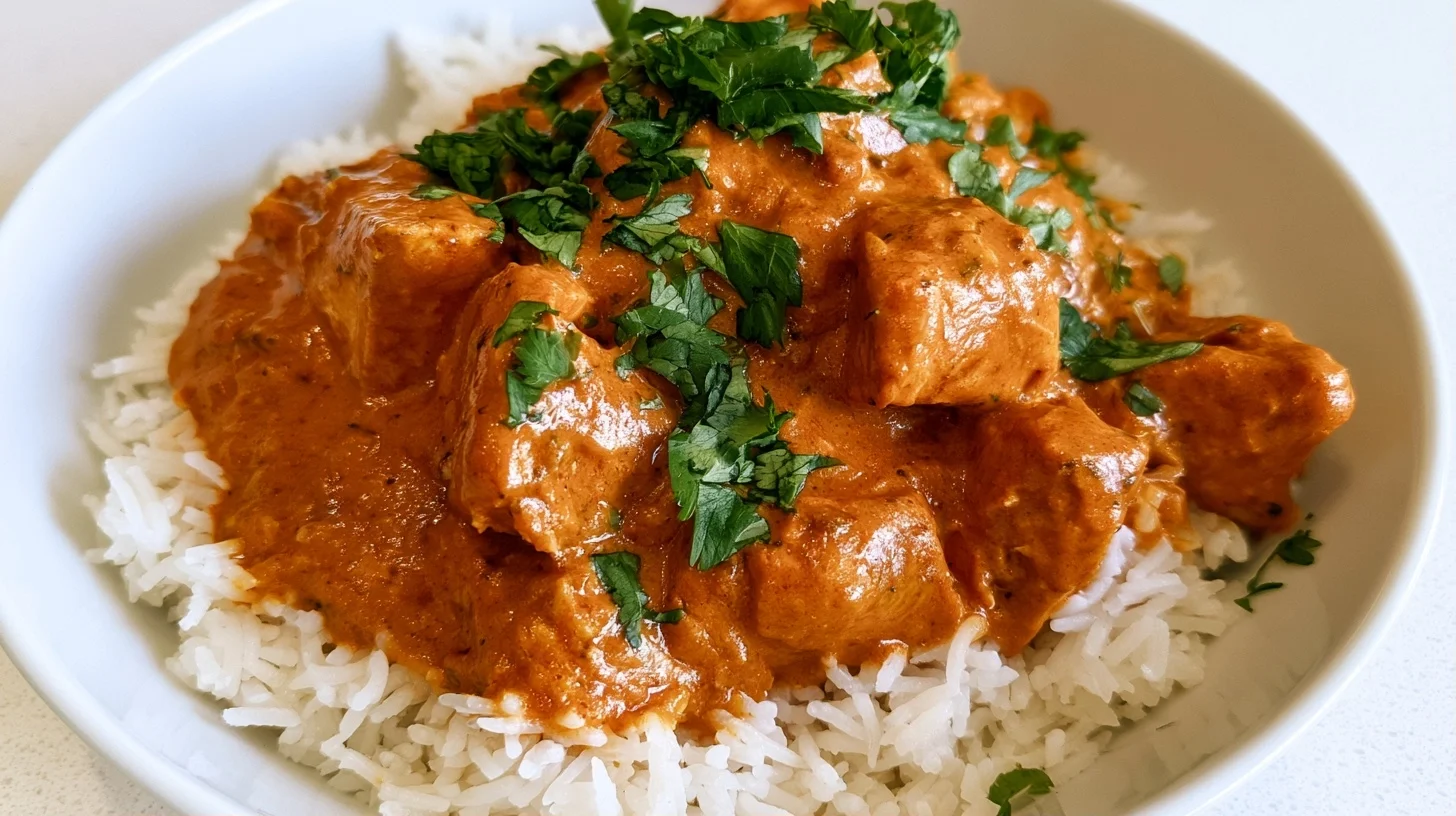
Table of contents
- Why You Will Love This Butter Chicken
- Equipment You’ll Need for Butter Chicken Recipe
- How to Make Butter Chicken Recipe That Tastes Like Takeout
- How to Get Tender Chicken and Silky Sauce Every Time
- Common Mistakes That Ruin Butter Chicken Recipe
- Ways to Customize Your Butter Chicken Recipe
- Nutrition and Health Benefits of Butter Chicken
- What to Serve with Butter Chicken Recipe
- How to Store and Reheat Butter Chicken
- Frequently Asked Questions about Butter Chicken Recipe
Why You Will Love This Butter Chicken
- The chicken stays juicy because it marinates in yogurt and spices before cooking, which tenderizes the meat and locks in moisture.
- The sauce is rich and smooth without being overly complicated, using ingredients you can find at any grocery store.
- It reheats beautifully, making it ideal for meal prep or next-day leftovers that taste just as good as the first serving.
- You can adjust the spice level easily by controlling the amount of cayenne or chili powder, so it works for everyone at the table.
Equipment You’ll Need for Butter Chicken Recipe
This recipe doesn’t require any specialized tools, but a few key pieces make the process smoother and help you control the texture of the sauce.
- Large skillet or sauté pan: A wide surface area allows the chicken to sear properly without steaming, which helps develop deeper flavor before it goes into the sauce.
- Mixing bowl: Used for marinating the chicken. A medium-sized bowl with enough room to toss the chicken evenly in the yogurt mixture works best.
- Wooden spoon or silicone spatula: Essential for stirring the sauce without scratching your pan, especially when scraping up the browned bits that add flavor.
- Measuring spoons and cups: Precision matters with spices like garam masala and cayenne, so measuring tools help you control the flavor balance.
- Immersion blender (optional): If you prefer an ultra-smooth sauce, blending the tomato base before adding the cream creates a restaurant-quality texture.
How to Make Butter Chicken Recipe That Tastes Like Takeout
Butter Chicken
4
servings15
minutes30
minutes480
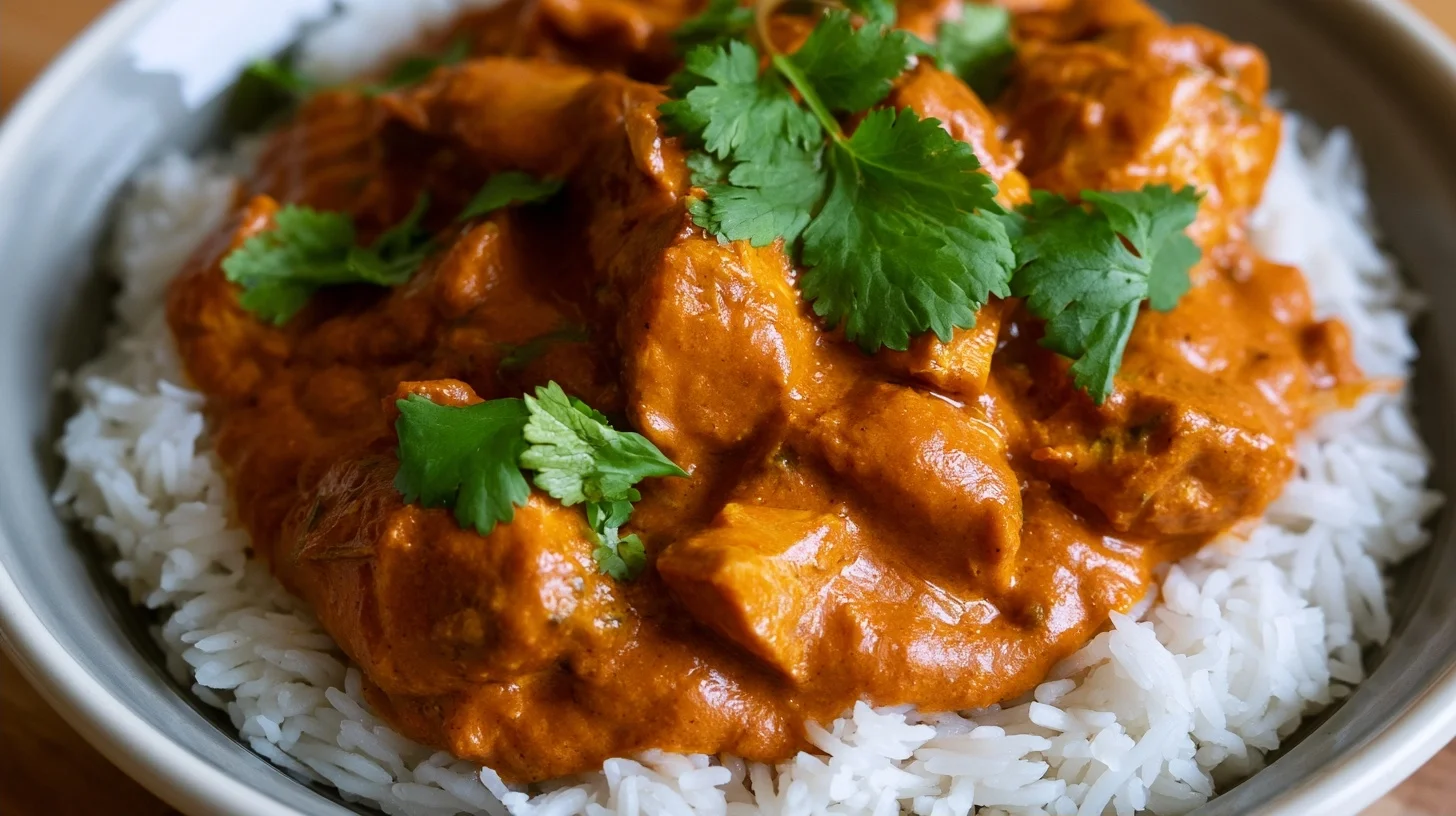
kcalThis butter chicken features tender marinated chicken simmered in a rich tomato-cream sauce with aromatic spices like garam masala, cumin, and ginger. The yogurt marinade keeps the chicken juicy, while the sauce gets its silky texture from butter and heavy cream added at just the right moment.
Keep the screen of your device on
Ingredients
1.5 lbs boneless skinless chicken breasts
0.5 cup plain full-fat yogurt
1 tablespoon lemon juice
2 teaspoons garam masala
1 teaspoon ground cumin
0.25 teaspoon cayenne pepper
1 cup tomato puree
3 tablespoons butter
3 cloves garlic
1 tablespoon fresh ginger
0.5 cup heavy cream
1 tablespoon fresh cilantro
Directions
- Marinate the chicken by combining the yogurt, lemon juice, 1 teaspoon garam masala, cumin, cayenne, and a pinch of salt in a medium bowl. Add the chicken pieces and toss until evenly coated. Cover and refrigerate for at least 30 minutes, or up to 2 hours for deeper flavor.
- Heat a large skillet over medium-high heat and add 1 tablespoon of butter. Once the butter is melted and the pan is hot, add the marinated chicken in a single layer. Sear for 2 to 3 minutes per side until golden brown on the outside. The chicken doesn’t need to be fully cooked at this stage. Remove the chicken from the skillet and set it aside.
- Lower the heat to medium and add the remaining 2 tablespoons of butter to the same skillet. Add the minced garlic and grated ginger, stirring constantly for about 30 seconds until fragrant but not browned. This step releases the aromatic oils without burning the garlic.
- Pour in the tomato puree and stir to combine with the garlic and ginger. Add the remaining 1 teaspoon of garam masala and a pinch of salt. Let the sauce simmer uncovered for 10 minutes, stirring occasionally, until it thickens and reduces slightly. The sauce should coat the back of a spoon without dripping off immediately.
- Return the chicken to the skillet along with any juices that have collected on the plate. Stir to coat the chicken in the sauce, then reduce the heat to low. Cover and simmer for 8 to 10 minutes, or until the chicken reaches an internal temperature of 165°F and is cooked through.
- Stir in the heavy cream gently, mixing it into the sauce until smooth. Let the dish warm through for 2 to 3 minutes over low heat without boiling, which prevents the cream from curdling. Taste and adjust the seasoning with more salt or cayenne if needed.
Notes
- Marinating the chicken in yogurt for at least 30 minutes tenderizes the meat and allows the spices to penetrate, which keeps the chicken juicy and flavorful throughout cooking.
- If the sauce is too thick after adding the cream, stir in a tablespoon or two of water or chicken broth until it reaches your preferred consistency.
- Butter chicken tastes even better the next day after the flavors have had time to meld. Store leftovers in an airtight container in the refrigerator for up to 4 days, and reheat gently on the stovetop.
Nutrition Facts
- Serving Size: 1 g
- Total number of serves: 4
- Calories: 480kcal
- Fat: 34g
- Carbohydrates: 12g
- Fiber: 2g
- Protein: 32g
Did you make this recipe?
Tag @therecipemasterblog on Instagram and hashtag it with #therecipemaster
Like this recipe?
Follow @therecipemasterblog on Pinterest
Follow us on Facebook!
Follow The Recipe Master on Facebook
How to Get Tender Chicken and Silky Sauce Every Time
The key to great butter chicken is understanding how the marinade, the sear, and the sauce work together. Each step builds flavor, and skipping one can leave the dish tasting flat or the chicken dry.
Marinate the Chicken for at Least 30 Minutes
Yogurt contains lactic acid, which breaks down the surface proteins in chicken and makes the meat more tender. Marinating for at least 30 minutes gives the spices time to penetrate the chicken, so every bite has flavor. If you have time, marinating for up to 2 hours in the fridge will give you even juicier results, but don’t go longer than 4 hours or the texture can become mushy.
Sear the Chicken Before Adding It to the Sauce
Searing the marinated chicken in a hot skillet creates a light crust that locks in moisture and adds a layer of caramelized flavor. You don’t need to cook the chicken all the way through at this stage—it will finish cooking in the sauce. The goal is to get a golden-brown surface on most pieces, which takes about 2 to 3 minutes per side over medium-high heat.
Simmer the Sauce Until It Coats a Spoon
After you add the tomato puree, butter, and spices, let the sauce simmer uncovered for at least 10 minutes. This reduces the liquid, concentrates the flavors, and thickens the sauce so it clings to the chicken instead of pooling at the bottom of the bowl. The sauce is ready when it coats the back of a spoon and doesn’t immediately drip off. If it’s too thick, add a splash of water or chicken broth. If it’s too thin, simmer it a few minutes longer.
Add the Cream at the End
Heavy cream should go in after the sauce has reduced and the chicken is fully cooked. Adding it too early can cause the cream to separate if the sauce boils too hard. Stir the cream in gently over low heat, and let the dish warm through for 2 to 3 minutes without boiling. This keeps the sauce smooth and prevents curdling.
Use Fresh Garam Masala for the Best Flavor
Garam masala is a blend of warm spices like cinnamon, cardamom, cloves, and cumin. If your jar has been sitting in the pantry for more than a year, the flavor will be dull. Fresh garam masala has a fragrant, slightly sweet aroma that makes a noticeable difference in the finished dish. You can find it in the spice aisle of most grocery stores, or you can make your own by toasting and grinding whole spices.
For more ideas on pairing this dish with other easy one-pot meals, try this one-pot chicken and orzo recipe that also delivers big flavor with minimal cleanup.
Common Mistakes That Ruin Butter Chicken Recipe
Skipping the Marinade
If you skip the yogurt marinade and cook the chicken directly in the sauce, the meat will be bland on the inside even if the sauce is flavorful. The marinade seasons the chicken from the inside out, and the yogurt helps keep it moist during cooking. To fix this, always marinate the chicken for at least 30 minutes, even if you’re short on time. If you forget, you can toss the chicken in the yogurt mixture and let it sit while you prep the other ingredients.
Overcooking the Chicken
Chicken breast can go from juicy to dry in just a few minutes, especially if it’s overcooked during the searing step or simmered too long in the sauce. The chicken is done when it reaches an internal temperature of 165°F. If you’re using chicken thighs, they’re more forgiving and can handle a bit more cooking time without drying out. To prevent overcooking, sear the chicken just until it’s golden on the outside, then let it finish cooking gently in the simmering sauce.
Using Low-Fat Dairy
Low-fat yogurt or light cream can cause the sauce to separate or become grainy when heated. Full-fat yogurt and heavy cream contain enough fat to emulsify the sauce and create a smooth, stable texture. If you want to lighten the dish, it’s better to reduce the amount of cream rather than switch to a low-fat version. You can also use half-and-half, but the sauce will be thinner and less rich.
Adding Too Much Cayenne
Butter chicken should be mildly spiced with a hint of warmth, not fiery hot. If you add too much cayenne or chili powder, the heat can overpower the other flavors and make the dish uncomfortable to eat. Start with a small amount—about 1/4 teaspoon—and taste the sauce before adding more. You can always add heat, but you can’t take it away. If you accidentally make it too spicy, stir in a bit more cream or a spoonful of sugar to balance the heat.
Ways to Customize Your Butter Chicken Recipe
Make It Dairy-Free
Replace the yogurt with coconut yogurt and the heavy cream with full-fat coconut milk. The sauce will have a subtle coconut flavor, but it still works well with the tomato and spices. Use the same measurements, and follow the recipe as written. The texture will be slightly thinner, so you may want to simmer the sauce a bit longer to thicken it.
Use Chicken Thighs Instead of Breasts
Boneless, skinless chicken thighs have more fat than breasts, which makes them harder to overcook and gives them a richer flavor. They also hold up better to the longer simmering time. Cut the thighs into bite-sized pieces and follow the recipe as written. The cooking time will be about the same, but the texture will be more tender and forgiving.
Add Vegetables
If you want to bulk up the dish, stir in cooked spinach, diced bell peppers, or cauliflower florets during the last 5 minutes of simmering. The vegetables will absorb the sauce and add texture without changing the flavor. Make sure any vegetables you add are pre-cooked or cut small enough to cook through quickly in the sauce.
Make It in the Slow Cooker
You can adapt this recipe for the slow cooker by marinating the chicken, then adding it to the slow cooker with the tomato puree, butter, and spices. Cook on low for 4 to 5 hours. Stir in the cream during the last 15 minutes. The chicken will be very tender, but you’ll miss the caramelized flavor from searing. If you have time, sear the chicken in a skillet first, then transfer it to the slow cooker.
Nutrition and Health Benefits of Butter Chicken
Butter chicken is a rich, calorie-dense dish, but it also provides a good amount of protein and essential nutrients. A typical serving contains around 450 to 500 calories, depending on how much cream and butter you use. The chicken provides about 30 grams of protein per serving, which supports muscle repair and keeps you full longer. The dish also contains moderate amounts of fat, mostly from the butter and cream, which help your body absorb fat-soluble vitamins like A and D.
The tomato base provides lycopene, an antioxidant that supports heart health, and the spices—especially turmeric and ginger—have anti-inflammatory properties. If you’re watching your calorie intake, you can reduce the butter and cream without sacrificing too much flavor. Using chicken breast instead of thighs also cuts down on fat. For more information on the nutritional benefits of chicken, check out this resource on the health benefits of chicken.
What to Serve with Butter Chicken Recipe
Butter chicken is traditionally served with basmati rice or naan bread, both of which soak up the sauce and balance the richness of the dish. Basmati rice has a light, fluffy texture and a subtle nutty flavor that doesn’t compete with the spices. Naan is perfect for scooping up the sauce, and you can make it even better by brushing it with garlic butter before serving.
If you want to add more vegetables, serve the butter chicken with roasted cauliflower, sautéed spinach, or a simple cucumber salad with yogurt and mint. The cool, crisp vegetables provide a nice contrast to the warm, creamy sauce. You can also serve it with rice pilaf, quinoa, or even mashed potatoes if you want to keep it simple.
How to Store and Reheat Butter Chicken
Store leftover butter chicken in an airtight container in the refrigerator for up to 4 days. The sauce may thicken as it cools, but it will loosen up again when you reheat it. To reheat, warm the butter chicken gently on the stovetop over low heat, stirring occasionally. Add a splash of water or chicken broth if the sauce is too thick. You can also reheat individual portions in the microwave, covered, in 30-second intervals until heated through.
Butter chicken freezes well for up to 3 months. Let it cool completely, then transfer it to a freezer-safe container, leaving about an inch of space at the top for expansion. Thaw it overnight in the refrigerator before reheating. The texture of the sauce may change slightly after freezing, but the flavor will still be excellent.
Frequently Asked Questions about Butter Chicken Recipe
Yes, boneless skinless chicken thighs work beautifully in this recipe and are actually more forgiving because they contain more fat, which keeps them moist during cooking. Cut them into bite-sized pieces and follow the recipe as written.
Yes, you can replace the heavy cream with full-fat coconut milk for a dairy-free version. The sauce will have a subtle coconut flavor, but it still pairs well with the tomato and spices. Use the same amount and stir it in at the end.
This recipe is mildly spiced with a gentle warmth, not hot. The cayenne pepper adds just a hint of heat, and you can adjust it to your preference. Start with 1/4 teaspoon and add more if you want it spicier.
Yes, butter chicken freezes well for up to 3 months. Let it cool completely, then store it in an airtight freezer-safe container. Thaw it overnight in the refrigerator and reheat gently on the stovetop, adding a splash of water or broth if the sauce is too thick.






Leave a Reply