

There’s something magical about a perfect Mexican rice recipe that transforms an ordinary meal into something memorable. After testing twelve variations in my kitchen, I discovered the secret lies in toasting the rice until golden and using the exact 1:1.75 rice-to-liquid ratio. This side dish brings vibrant color and authentic flavor to any table, whether you’re serving tacos, enchiladas, or grilled chicken.
What sets this version apart is the technique of blooming tomato paste in oil before adding liquid. This step caramelizes the natural sugars and creates depth you simply can’t achieve by stirring paste into cold broth. The result is restaurant-quality rice with individual grains that never clump or turn mushy.
I make this recipe at least twice a month because it’s incredibly forgiving and comes together in under thirty minutes. The flavors develop beautifully as it rests, making it perfect for meal prep or feeding a crowd at your next gathering.
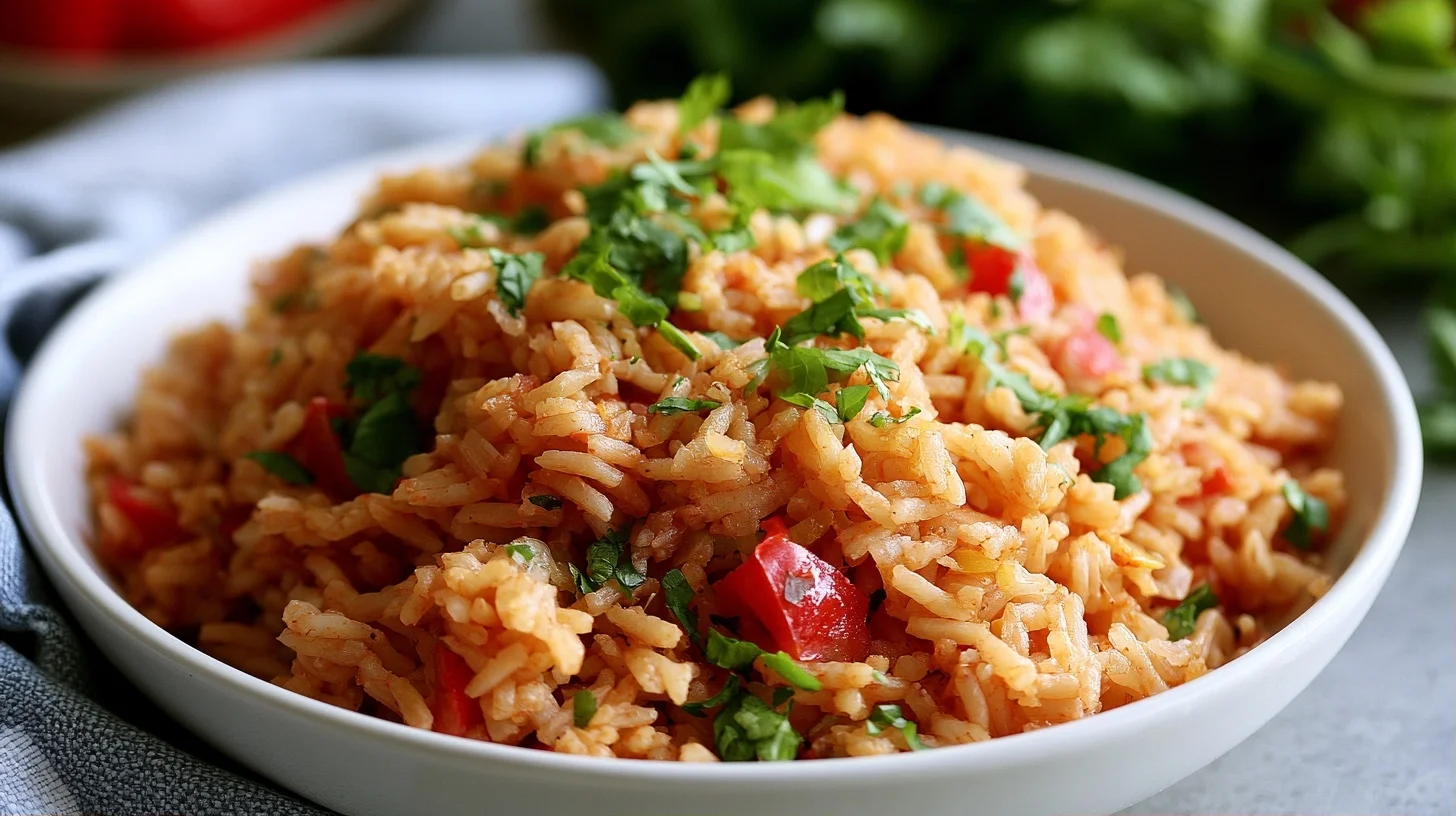
Table of contents
- Why You Will Love This Mexican Rice Recipe
- Essential Tools for Perfect Mexican Rice Recipe
- How to Make Authentic Mexican Rice at Home
- The Ratio That Guarantees Fluffy Mexican Rice Every Time
- Common Mistakes That Ruin Mexican Rice Recipe
- Creative Ways to Customize Your Mexican Rice Recipe
- Understanding the Nutrition in Mexican Rice
- Delicious Ways to Serve This Side Dish
- Keeping Your Mexican Rice Fresh and Flavorful
- Frequently Asked Questions
Why You Will Love This Mexican Rice Recipe
- Every grain stays separate and fluffy thanks to the precise toasting technique that seals the starch.
- The bloomed tomato paste creates a rich, savory base that tastes like it simmered for hours.
- This recipe uses pantry staples you probably already have, with no special trips to the store required.
- It reheats beautifully and actually tastes better the next day as the flavors meld together.
Essential Tools for Perfect Mexican Rice Recipe
I’ve made this recipe in various pots over the years, and the right equipment truly makes a difference. You don’t need anything fancy, but these specific items help you nail the texture every time.
- Heavy-bottomed saucepan with lid: A 3-quart pot with a thick base distributes heat evenly and prevents scorching during the toasting phase.
- Wooden spoon: This won’t scratch your pan and helps you scrape up the flavorful bits from the bottom without breaking the rice grains.
- Fine-mesh strainer: Rinsing the rice removes excess starch that causes clumping, and a fine mesh catches every grain.
- Measuring cups and spoons: Precision matters with the liquid ratio, so use proper measuring tools rather than eyeballing.
- Fork for fluffing: A fork gently separates grains without mashing them the way a spoon would.
How to Make Authentic Mexican Rice at Home
Mexican Rice Recipe
4
servings30
minutes40
minutes300
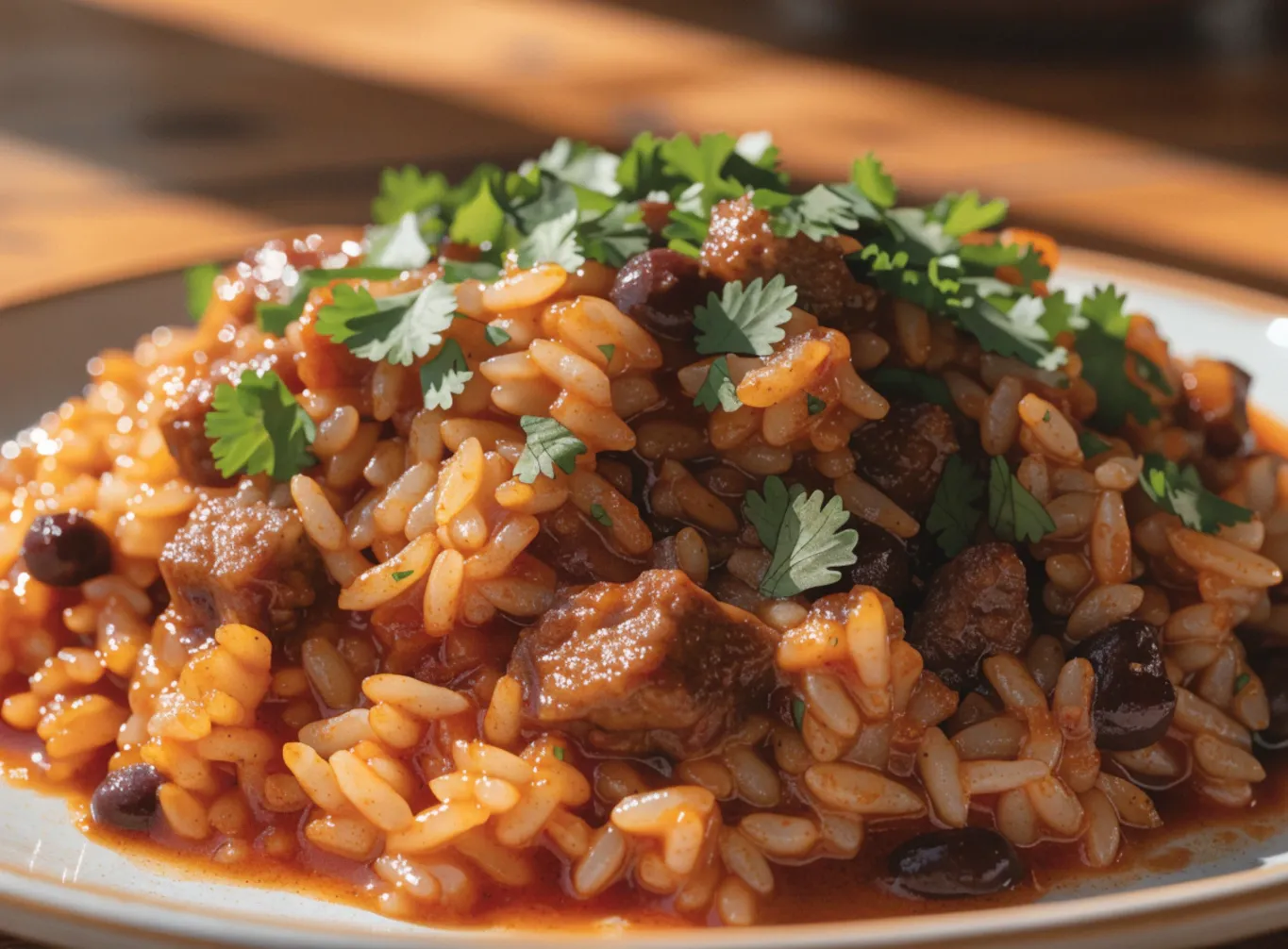
kcalThis authentic Mexican rice features perfectly toasted grains cooked in a savory tomato broth with garlic and onions. The secret is blooming tomato paste in oil and using the precise 1:1.75 rice-to-liquid ratio for fluffy, restaurant-quality results every time.
Keep the screen of your device on
Ingredients
2 cups long-grain white rice
3 tablespoons vegetable oil
1 medium white onion
3 cloves garlic
2 tablespoons tomato paste
3.5 cups chicken broth
1 cup tomato sauce
1 teaspoon ground cumin
1 teaspoon kosher salt
0.5 teaspoon black pepper
0.25 cup fresh cilantro
1 medium lime
Directions
- Rinse the rice thoroughly under cold running water in a fine-mesh strainer until the water runs completely clear, about one minute. This removes excess starch that causes clumping and ensures fluffy grains.
- Heat the oil in a heavy-bottomed 3-quart saucepan over medium heat until it shimmers. The oil needs to be hot enough to toast the rice properly without burning.
- Add the rinsed rice to the hot oil and stir constantly for five to seven minutes until the grains turn golden and release a nutty aroma. This toasting step is crucial for creating the signature texture and flavor.
- Stir in the diced onion and cook for two minutes until softened, then add the minced garlic and tomato paste. Let the mixture sizzle for thirty seconds to caramelize the paste before stirring, which develops deep savory notes.
- Pour in the broth and tomato sauce, then add the cumin, salt, and pepper. Stir everything together and bring to a rolling boil over high heat.
- Reduce the heat to the lowest setting as soon as the liquid boils, then cover the pot tightly with a lid. Let it simmer undisturbed for eighteen to twenty minutes until all liquid is absorbed.
Notes
- The ideal ratio of rice to liquid for Mexican rice is 1:1.75, which accounts for the toasting step and produces perfectly cooked grains that are neither mushy nor dry.
- Never lift the lid while the rice is cooking, as this releases essential steam and disrupts the cooking process.
- Leftover rice reheats beautifully when you add a tablespoon of water or broth and cover the dish to create steam.
- For a vegetarian version, substitute vegetable broth for chicken broth without any other changes to the recipe.
Nutrition Facts
- Serving Size: 1 g
- Total number of serves: 6
- Calories: 210kcal
- Fat: 3g
- Carbohydrates: 42g
- Fiber: 1g
- Protein: 4g
Did you make this recipe?
Tag @therecipemasterblog on Instagram and hashtag it with #therecipemaster
Like this recipe?
Follow @therecipemasterblog on Pinterest
Follow us on Facebook!
Follow The Recipe Master on Facebook
The Ratio That Guarantees Fluffy Mexican Rice Every Time
After countless batches, I’ve learned that small details make the biggest difference. These tips come from real kitchen testing and will help you avoid the most common pitfalls.
Toast Until You Smell It
The rice needs to turn golden and release a nutty aroma before you add any liquid. I usually toast for about five minutes over medium heat, stirring constantly. This step creates a protective coating that keeps grains separate and adds incredible depth to the final dish.
Bloom Your Aromatics Properly
When you add garlic and tomato paste to the hot oil, let them sizzle for thirty seconds before stirring. This technique caramelizes the sugars and releases aromatic compounds that raw paste simply cannot provide. The paste should darken slightly and smell sweet and savory.
Use the Correct Liquid Measurement
The ideal ratio of rice to liquid for Mexican rice is 1:1.75. For every cup of rice, use 1.75 cups of broth or water. This ratio accounts for the toasting step and produces perfectly cooked grains that aren’t mushy or dry. I measure carefully every time because even a quarter cup too much liquid ruins the texture.
Let It Rest Undisturbed
Once you cover the pot, resist the urge to lift the lid and check on it. Peeking releases steam and disrupts the cooking process. After the timer goes off, let the pot sit covered for five minutes off the heat. This resting period allows the grains to firm up and makes fluffing easier.
Fluff With Intention
Use a fork to gently lift and separate the rice from the bottom up, never stirring in circles. This motion preserves the individual grains and releases excess steam. I recommend checking out authentic Mexican food traditions to understand how this side dish fits into the broader cuisine.
Common Mistakes That Ruin Mexican Rice Recipe
I’ve made every one of these errors myself, so I know exactly how to help you avoid them. These simple fixes will save you from disappointment and wasted ingredients.
Skipping the Rinse
Unwashed rice carries excess surface starch that creates gummy, sticky clumps instead of fluffy grains. I rinse until the water runs clear, which usually takes about a minute under cold running water. This step is non-negotiable for proper texture.
Adding Liquid Too Soon
If you pour in broth before the rice is properly toasted, you’ll end up with pale, bland rice that lacks the signature nutty flavor. I wait until the grains are visibly golden and fragrant before adding any liquid. Patience here pays off dramatically in the final result.
Using Too Much Heat
High heat causes the bottom layer to scorch while the top stays undercooked. After bringing the liquid to a boil, I immediately reduce to the lowest simmer and cover tightly. The gentle, even heat cooks every grain uniformly without burning.
Stirring During Cooking
Once you cover the pot, never stir the rice until it’s fully cooked. Stirring releases starch and breaks the grains, creating a mushy texture. I set a timer and walk away, trusting the process completely.
Creative Ways to Customize Your Mexican Rice Recipe
This base recipe welcomes endless variations depending on what you have available or your dietary needs. I rotate through these options to keep things interesting throughout the week.
Vegetable-Packed Version
Stir in a cup of frozen peas, corn, and diced carrots during the last five minutes of cooking. The vegetables steam perfectly in the residual heat and add color, nutrition, and sweetness. This variation turns the side dish into a more substantial meal component.
Cilantro Lime Twist
After fluffing the finished rice, fold in a quarter cup of chopped fresh cilantro and the juice of one lime. The bright, herbal notes complement the savory base beautifully and add a restaurant-style finish. This version pairs especially well with fish tacos.
Spicy Jalapeño Style
Add one or two minced jalapeños when you toast the garlic and tomato paste. The heat infuses throughout the rice as it cooks, creating a subtle warmth that builds with each bite. Remove the seeds if you prefer milder spice.
Protein-Rich Addition
For a complete one-pot meal, try incorporating elements from this shrimp fried rice technique by adding cooked shrimp or shredded chicken during the resting phase. The residual heat warms the protein without overcooking it.
Understanding the Nutrition in Mexican Rice
This recipe provides a balanced side dish with approximately 210 calories per serving. Each portion delivers about 4 grams of protein and 42 grams of carbohydrates, making it an excellent energy source. The fat content stays moderate at around 3 grams per serving, primarily from the cooking oil.
White rice provides quick energy but limited fiber, so I sometimes substitute half the white rice with brown rice for added nutrition. Keep in mind that brown rice requires more liquid and longer cooking time, so adjust accordingly. The tomatoes and aromatics contribute vitamins A and C along with beneficial antioxidants.
Delicious Ways to Serve This Side Dish
Mexican rice shines alongside bold, flavorful main dishes that benefit from a neutral yet savory accompaniment. I serve it most often with carne asada, chicken fajitas, or cheese enchiladas. The rice soaks up sauces beautifully and provides textural contrast to saucy or crispy proteins.
For a complete plate, add refried beans and a simple cabbage slaw on the side. The combination creates a satisfying meal with complementary flavors and textures. I also love using leftover rice as a filling for burritos or as a base for burrito bowls topped with grilled vegetables, salsa, and avocado. The rice holds up well under toppings without becoming soggy.
Keeping Your Mexican Rice Fresh and Flavorful
Store cooled rice in an airtight container in the refrigerator for up to four days. I spread it in a thin layer on a baking sheet to cool quickly before transferring to storage, which prevents bacterial growth and maintains the best texture. Make sure the container seals completely to prevent the rice from drying out.
For longer storage, freeze portions in freezer-safe bags for up to three months. Press out as much air as possible before sealing to prevent freezer burn. When reheating, add a tablespoon of water or broth and cover the dish to create steam. Microwave for two minutes, stir, then heat in thirty-second intervals until warmed through. The added moisture revives the texture and prevents dryness.
Frequently Asked Questions
They are essentially the same dish. Mexican rice and Spanish rice both refer to tomato-based rice cooked with aromatics and broth. The name varies by region, but the preparation method and flavor profile remain nearly identical.
Toasting creates a protective coating around each grain that prevents clumping. The heat seals the outer starch layer and adds a nutty flavor that raw rice cannot provide. This step is essential for fluffy, separate grains in the finished dish.
Yes, but you’ll need to adjust the cooking time and liquid. Brown rice requires about 1:2.25 ratio of rice to liquid and takes approximately 45 minutes to cook. The flavor will be nuttier and the texture chewier than traditional Mexican rice made with white rice.
Mushy rice usually results from too much liquid or stirring during cooking. If your rice turns out mushy, spread it on a baking sheet and let it air-dry for ten minutes, or toast it gently in a dry pan to evaporate excess moisture. For next time, measure liquid precisely and avoid lifting the lid while cooking.




Leave a Reply