

There’s something timeless about a batch of warm oatmeal cookie recipe fresh from the oven. These cookies strike the perfect balance between chewy centers and lightly crisp edges, with a comforting oat texture and hints of cinnamon and vanilla. Whether you’re baking for a lunchbox treat, an afternoon snack, or a cozy evening at home, this recipe delivers consistent results without fuss. The key to their texture is using old-fashioned rolled oats rather than instant oats, which provides structure and a satisfying bite that holds up beautifully even after a day or two of storage.
This recipe skips the raisins to let the natural oat flavor shine, though you can easily add mix-ins like chocolate chips, dried cranberries, or chopped nuts if you prefer. The dough comes together quickly in one bowl, and the cookies bake in under 12 minutes, making this an ideal recipe for busy weeknights or last-minute gatherings.
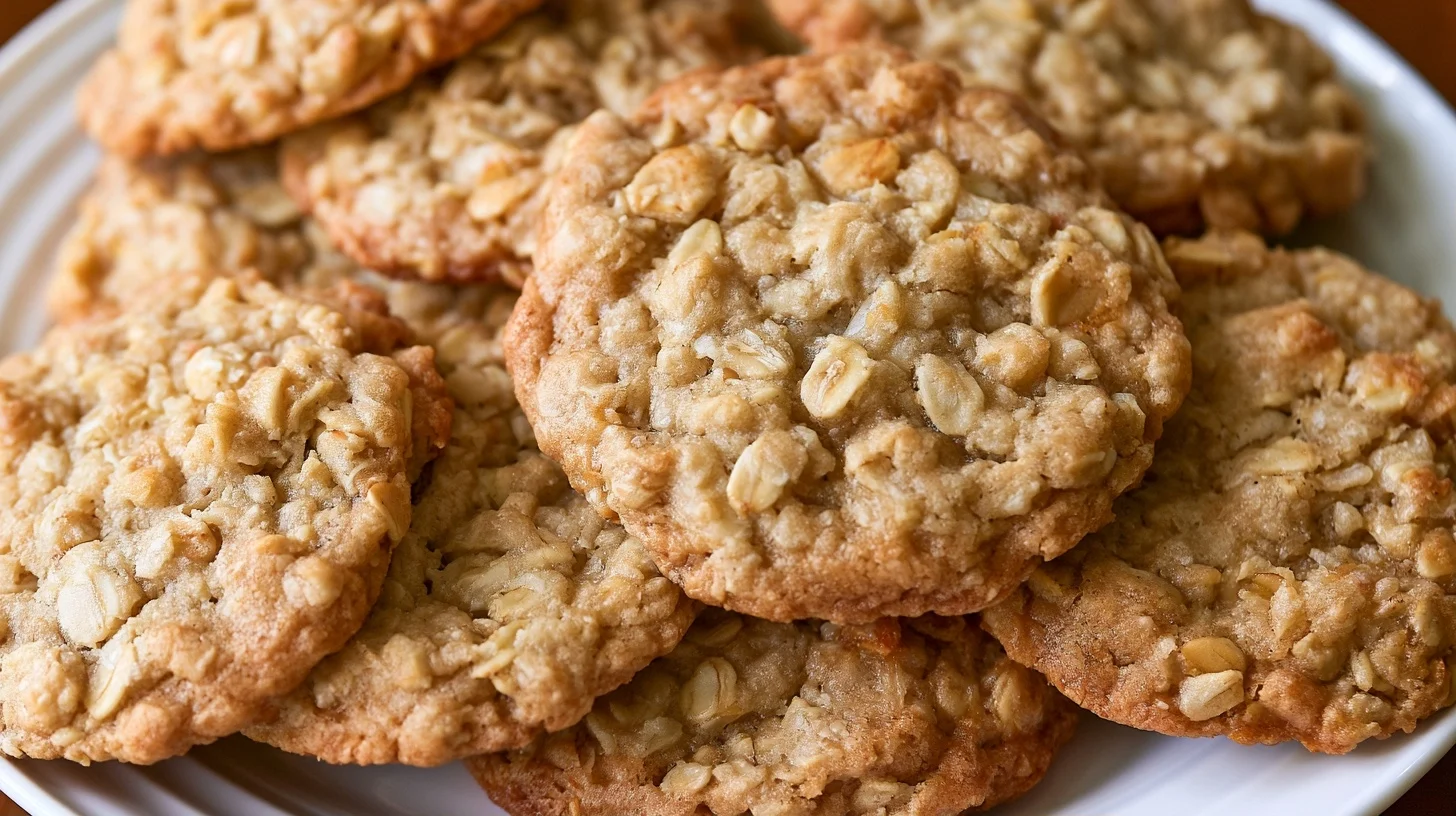
Table of contents
- Why You Will Love This Oatmeal Cookie Recipe
- What You Need to Make These Oatmeal Cookie Recipe
- How to Make Chewy Oatmeal Cookie Recipe from Scratch
- How to Get the Perfect Chewy Texture Every Time
- Common Mistakes That Ruin Oatmeal Cookies
- Easy Ways to Customize Your Oatmeal Cookie Recipe
- Nutrition in Every Oatmeal Cookie
- What to Serve with Oatmeal Cookie Recipe
- How to Store Oatmeal Cookies So They Stay Fresh
- Frequently Asked Questions about Oatmeal Cookie Recipe
Why You Will Love This Oatmeal Cookie Recipe
- The cookies have chewy centers with lightly crisp edges that don’t turn rock-hard the next day.
- The dough requires no chilling, so you can mix and bake in under 30 minutes total.
- The recipe uses pantry staples and doesn’t require specialty ingredients or equipment.
- The oat flavor is prominent without being bland, thanks to a careful balance of brown sugar, cinnamon, and vanilla.
What You Need to Make These Oatmeal Cookie Recipe
This recipe requires basic baking tools you likely already have. The most important piece is a sturdy mixing bowl and a wooden spoon or spatula, since the dough is thick and benefits from manual mixing to avoid overworking it.
- Large mixing bowl: Needs to be roomy enough to incorporate the oats without spilling over the sides.
- Wooden spoon or silicone spatula: Helps you fold in the oats gently without crushing them.
- Baking sheet: A standard rimmed half-sheet pan works best for even heat distribution.
- Parchment paper or silicone baking mat: Prevents sticking and makes cleanup easier without affecting texture.
- Cookie scoop or tablespoon: A 2-tablespoon scoop ensures uniform size and even baking.
- Wire cooling rack: Allows air to circulate under the cookies so they don’t steam and lose their crisp edges.
How to Make Chewy Oatmeal Cookie Recipe from Scratch
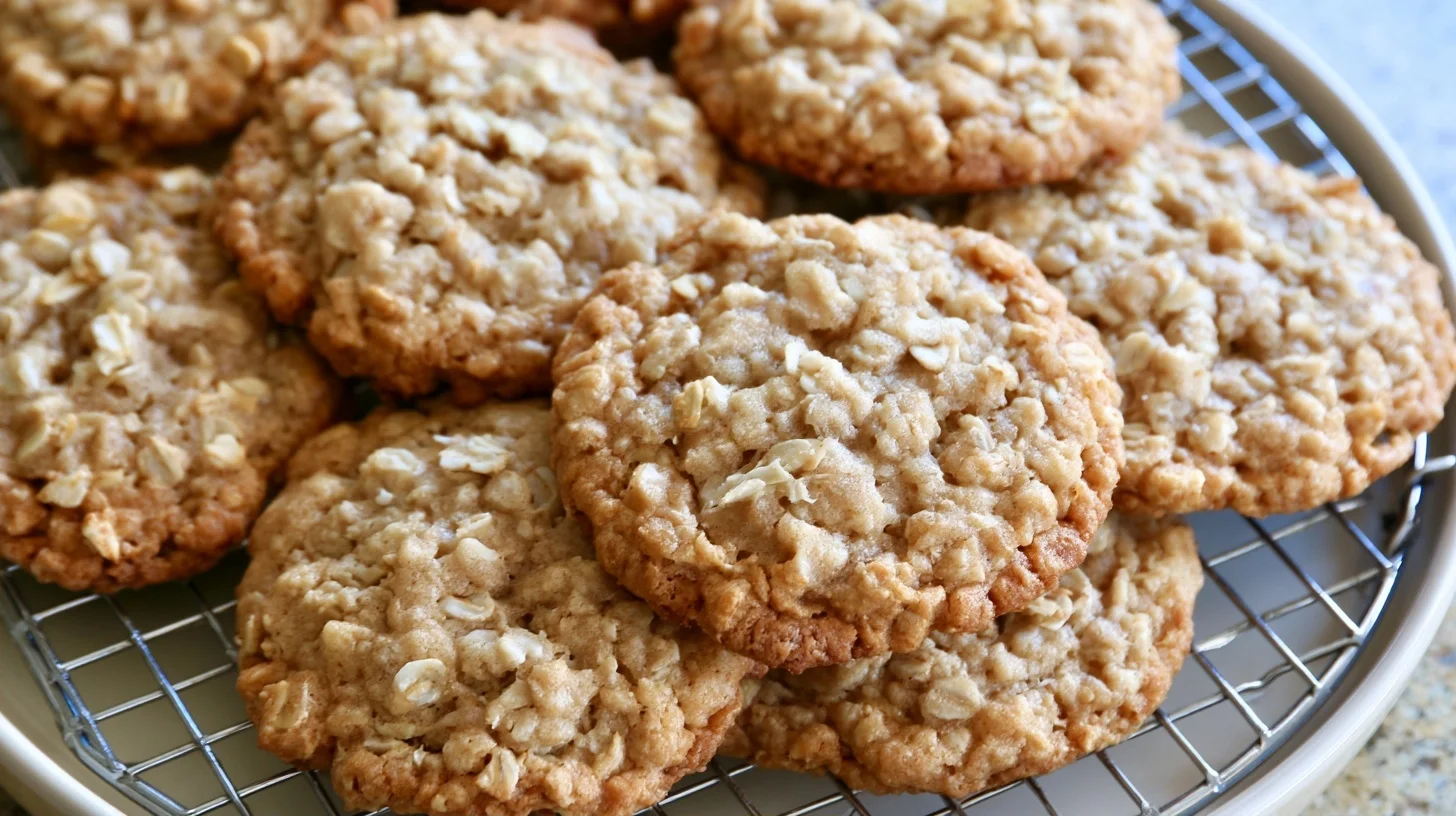
Chewy Oatmeal Cookies
24
servings10
minutes11
minutes145
kcalThese chewy oatmeal cookies have soft centers and lightly crisp edges with a comforting oat texture. The dough comes together in one bowl and requires no chilling, so you can have fresh cookies in under 30 minutes.
Keep the screen of your device on
Ingredients
1 cup unsalted butter
1 cup packed brown sugar
0.5 cup granulated sugar
2 large eggs
1 teaspoon vanilla extract
1.5 cups all-purpose flour
1 teaspoon baking soda
1 teaspoon ground cinnamon
0.5 teaspoon salt
3 cups old-fashioned rolled oats
Directions
- Preheat your oven to 350°F and line two baking sheets with parchment paper or silicone baking mats. This prevents sticking and promotes even browning without greasing the pans.
- In a large mixing bowl, cream together the softened butter, brown sugar, and granulated sugar using a wooden spoon or electric mixer on medium speed until the mixture is light and fluffy, about 2 to 3 minutes. The butter should be soft enough to press easily with your finger but not melted.
- Beat in the eggs one at a time, followed by the vanilla extract, mixing until fully incorporated. The mixture should look smooth and slightly glossy.
- In a separate bowl, whisk together the flour, baking soda, cinnamon, and salt. Add the dry ingredients to the wet ingredients and stir just until no dry streaks remain. Avoid overmixing, which can make the cookies tough.
- Fold in the oats using a spatula, stirring gently until they’re evenly distributed throughout the dough. The dough will be thick and slightly sticky.
- Using a 2-tablespoon cookie scoop or spoon, drop rounded balls of dough onto the prepared baking sheets, spacing them about 2 inches apart. Press each dough ball down gently with your palm to flatten it to about half its original height.
Notes
- Using old-fashioned rolled oats instead of instant oats provides a heartier texture and prevents the cookies from becoming mushy.
- If your cookies spread too much, check that your butter was softened but not melted, and make sure you’re flattening the dough balls slightly before baking.
- Store cooled cookies in an airtight container at room temperature for up to 5 days, or freeze them for up to 3 months.
Nutrition Facts
- Serving Size: 1 g
- Total number of serves: 24
- Calories: 145kcal
- Fat: 7g
- Carbohydrates: 20g
- Fiber: 1g
- Protein: 2g
Did you make this recipe?
Tag @therecipemasterblog on Instagram and hashtag it with #therecipemaster
Like this recipe?
Follow @therecipemasterblog on Pinterest
Follow us on Facebook!
Follow The Recipe Master on Facebook
How to Get the Perfect Chewy Texture Every Time
The texture of oatmeal cookies depends heavily on the ratio of sugars, the type of oats, and the baking time. Brown sugar adds moisture and chewiness, while granulated sugar contributes to spread and crispness. Using a combination of both gives you the best of both textures.
Use Old-Fashioned Rolled Oats, Not Instant
Old-fashioned rolled oats hold their shape during baking and provide a hearty texture that instant oats cannot replicate. Instant oats are pre-cooked and cut smaller, so they absorb moisture too quickly and turn the cookies mushy or dense. If you only have quick oats, they can work in a pinch, but the texture will be softer and less distinct.
Don’t Overmix the Dough
Once you add the flour and oats, mix just until no dry streaks remain. Overmixing develops gluten in the flour, which makes the cookies tough instead of tender. The dough should look slightly shaggy, and that’s perfectly fine. Fold in the oats gently with a spatula rather than beating them in with a mixer.
Flatten the Dough Balls Slightly Before Baking
Oatmeal cookie dough is thick and doesn’t spread as much as other cookie doughs. After scooping, press each dough ball down gently with your palm to about half its original height. This ensures the cookies bake evenly and develop crisp edges without leaving a doughy center. If you skip this step, the cookies may stay too thick and underbake in the middle.
Pull Them from the Oven When They Look Slightly Underdone
The cookies will continue to bake on the hot pan after you remove them from the oven. When the edges are set and lightly golden but the centers still look soft and slightly pale, that’s the moment to take them out. They’ll firm up as they cool. If you wait until the centers look fully baked, the cookies will turn out dry and hard once cooled.
For more ideas on creative oatmeal-based treats, check out variations that pair oatmeal cookies with creamy fillings.
Common Mistakes That Ruin Oatmeal Cookies
Using Melted Butter Instead of Softened Butter
Melted butter changes the texture dramatically. It causes the cookies to spread too thin and become greasy. Softened butter, which should be cool to the touch but easy to press with your finger, incorporates air when creamed with the sugar, giving the cookies structure and lift. If you accidentally melt the butter, let it cool back to room temperature and stir it vigorously to re-emulsify it before using.
Skipping the Parchment Paper or Baking Mat
Baking directly on a greased pan can cause uneven browning and make the bottoms too dark before the tops are done. Parchment paper or a silicone mat provides a buffer that promotes even heat distribution and prevents sticking. It also makes cleanup easier and protects the pan from sugar caramelization that can leave stubborn burnt spots.
Baking All the Cookies on One Sheet
Crowding too many cookies on a single sheet traps steam and prevents proper browning. Leave at least 2 inches between each cookie to allow for slight spreading and air circulation. If you only have one baking sheet, bake in batches and let the pan cool completely between batches to avoid uneven baking.
Storing the Cookies While They’re Still Warm
Warm cookies release moisture, and trapping that moisture in a sealed container turns them soggy. Let the cookies cool completely on a wire rack before storing them. This allows the steam to escape and the texture to set properly.
Easy Ways to Customize Your Oatmeal Cookie Recipe
Add Chocolate Chips or Chunks
Fold in 1 cup of semi-sweet or dark chocolate chips after mixing in the oats. The chocolate melts slightly during baking and adds richness without overwhelming the oat flavor. Chopped chocolate bars work even better because they create irregular pockets of melted chocolate throughout the cookie.
Make Them Gluten-Free
Replace the all-purpose flour with a 1-to-1 gluten-free baking blend that contains xanthan gum. Also, make sure your oats are certified gluten-free, as regular oats are often processed in facilities that handle wheat. The texture will be slightly more crumbly, but the flavor remains the same.
Swap in Coconut Oil for Dairy-Free Cookies
Use refined coconut oil in place of butter, measuring it in its solid state. The cookies will spread slightly more and have a subtle coconut aroma. Unrefined coconut oil works too, but it will add a stronger coconut flavor that may compete with the cinnamon and vanilla.
Add Dried Fruit or Nuts
Fold in ½ cup of raisins, dried cranberries, or chopped walnuts for added texture and flavor. If using dried fruit, chop larger pieces so they distribute evenly. Toasting nuts before adding them deepens their flavor and prevents them from tasting raw after baking.
Nutrition in Every Oatmeal Cookie
Each cookie provides a moderate amount of calories with a balance of carbohydrates, fat, and a small amount of protein from the oats and egg. The fiber content comes primarily from the oats, which also contain beta-glucan, a type of soluble fiber that supports heart health. Brown sugar contributes to the carbohydrate total, while butter adds fat that helps the body absorb fat-soluble vitamins. According to research on oats and oatmeal, oats are a whole grain that provides important nutrients like manganese, phosphorus, and magnesium.
If you’re managing sugar intake, you can reduce the brown sugar by 2 tablespoons without significantly affecting the texture, though the cookies will be less sweet and slightly less chewy. Replacing half the butter with unsweetened applesauce reduces fat and calories, but the cookies will be softer and cake-like rather than chewy.
What to Serve with Oatmeal Cookie Recipe
These cookies pair beautifully with a cold glass of milk, which balances their sweetness and enhances the oat flavor. They also work well alongside hot tea or coffee, especially in the afternoon when you want something lightly sweet without being overly rich. For a more indulgent treat, serve them with a scoop of vanilla ice cream or sandwich two cookies together with a layer of cream cheese frosting or peanut butter.
They’re also excellent for packing in lunchboxes, wrapping individually for bake sales, or stacking in a cookie jar for grab-and-go snacks throughout the week. Their sturdy texture holds up well to travel, and they don’t crumble as easily as more delicate cookies.
How to Store Oatmeal Cookies So They Stay Fresh
Store the cooled cookies in an airtight container at room temperature for up to 5 days. Placing a piece of bread in the container helps maintain moisture and keeps the cookies from drying out. The bread will harden as it absorbs excess moisture, but the cookies will stay soft. Replace the bread slice every couple of days if needed.
For longer storage, freeze the cookies in a single layer on a baking sheet until solid, then transfer them to a freezer-safe bag or container. They’ll keep for up to 3 months. Thaw at room temperature for about 20 minutes, or warm them in a 300°F oven for 5 minutes to refresh the texture.
You can also freeze the dough. Scoop the dough into balls, freeze them on a tray, then store the frozen dough balls in a zip-top bag. Bake directly from frozen, adding 1 to 2 extra minutes to the baking time.
Frequently Asked Questions about Oatmeal Cookie Recipe
Yes, but the texture will be softer and less distinct. Quick oats are cut smaller and absorb moisture faster, which can make the cookies denser and less chewy. Old-fashioned rolled oats provide a heartier texture and better structure.
Flat cookies usually result from melted butter, too much sugar, or baking on a warm pan. Make sure your butter is softened but not melted, and let your baking sheet cool completely between batches. Also, flatten the dough balls slightly before baking rather than leaving them tall.
Store them in an airtight container at room temperature with a slice of bread. The bread absorbs excess moisture and prevents the cookies from drying out. Replace the bread every couple of days to maintain softness.
Yes, scoop the dough into balls, freeze them on a tray until solid, then transfer to a freezer-safe bag. You can bake them directly from frozen by adding 1 to 2 extra minutes to the baking time. The dough keeps well for up to 3 months.








Leave a Reply