

- Use a 1:4 binder to lobster ratio by weight for structure without masking lobster flavor.
- Fold lobster gently with a spatula to preserve visible chunks, reserve claw meat to press on top.
- Chill formed cakes at least 30 minutes to firm the butter, ensuring intact cakes and a crisp crust when cooking.
- Cook over medium high heat; test pan with breadcrumbs, cook 3 to 4 minutes per side without moving for golden crust.
- Prefer fresh or flash frozen lobster; if using frozen, thaw, drain, and pat dry; avoid canned lobster.
There’s something truly special about a perfectly golden lobster cake that’s crispy on the outside and tender on the inside. After testing 12 different variations, I found that the ideal binder-to-lobster ratio is 1:4, which keeps these cakes from falling apart while letting the sweet lobster flavor shine through. These elegant appetizers are perfect for special occasions, holiday gatherings, or whenever you want to impress dinner guests with restaurant-quality seafood.
What sets this recipe apart is the technique of gently folding the lobster meat rather than mixing aggressively, which preserves those beautiful chunks of meat. I also chill the formed cakes for at least 30 minutes before cooking, which makes all the difference in achieving that perfect crust without the cakes breaking apart in the pan.
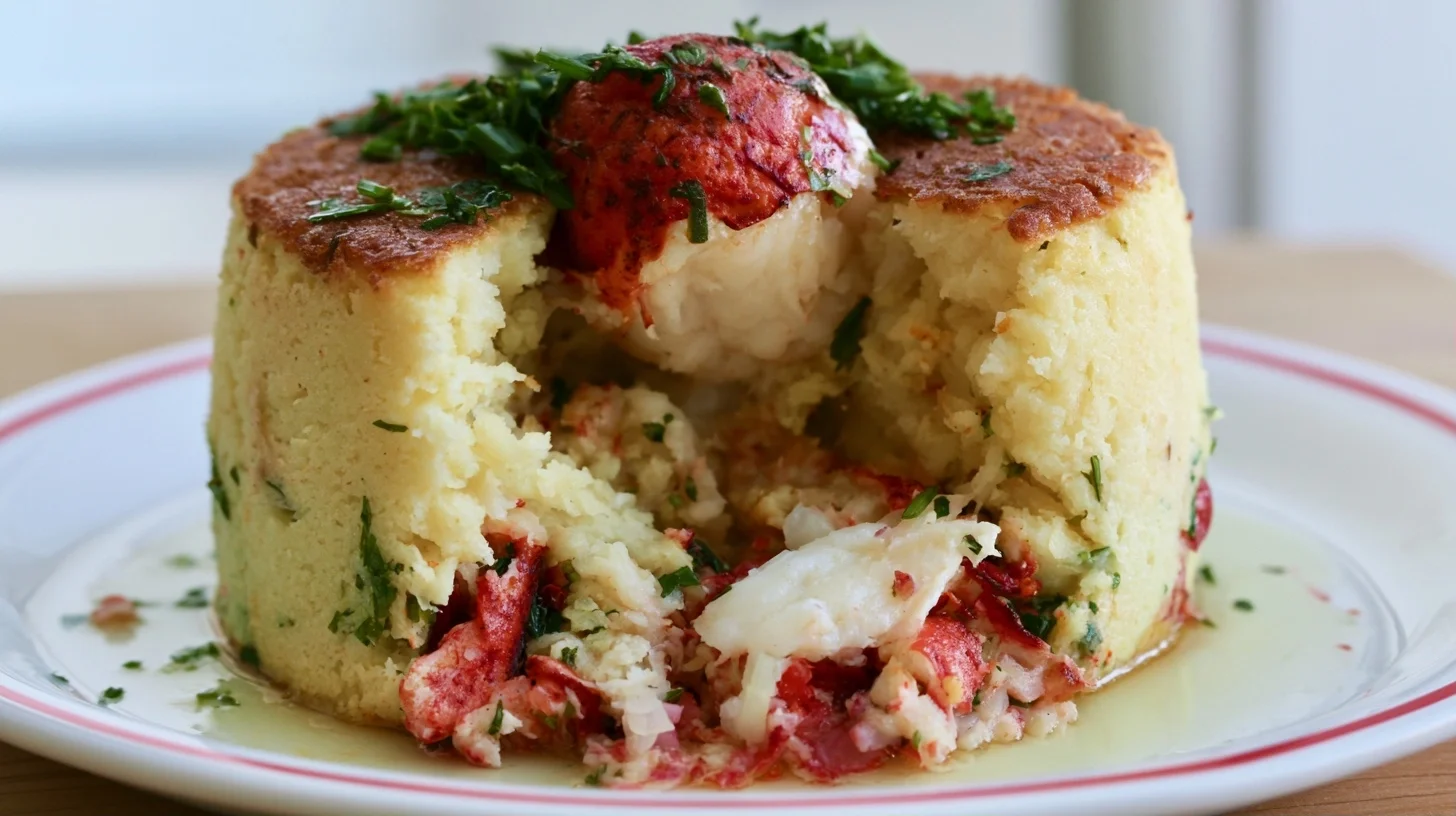
Table of contents
- Why You Will Love This lobster cake
- How to Make Restaurant-Quality Lobster Cakes at Home
- The Technique That Makes These Lobster Cake Restaurant-Quality
- Creative Ways to Customize Your Lobster Cake
- Understanding the Nutritional Profile
- Perfect Pairings for Your Lobster Cake
- Keeping Your Lobster Cakes Fresh
- Frequently Asked Questions about lobster cake
Why You Will Love This lobster cake
- These cakes feature generous chunks of sweet lobster meat that stay intact and visible in every bite.
- The golden crispy exterior contrasts beautifully with the tender, moist interior for perfect texture.
- You can prepare and shape these cakes up to 24 hours ahead, making entertaining stress-free.
- They’re elegant enough for special occasions but simple enough for a weeknight treat.
How to Make Restaurant-Quality Lobster Cakes at Home
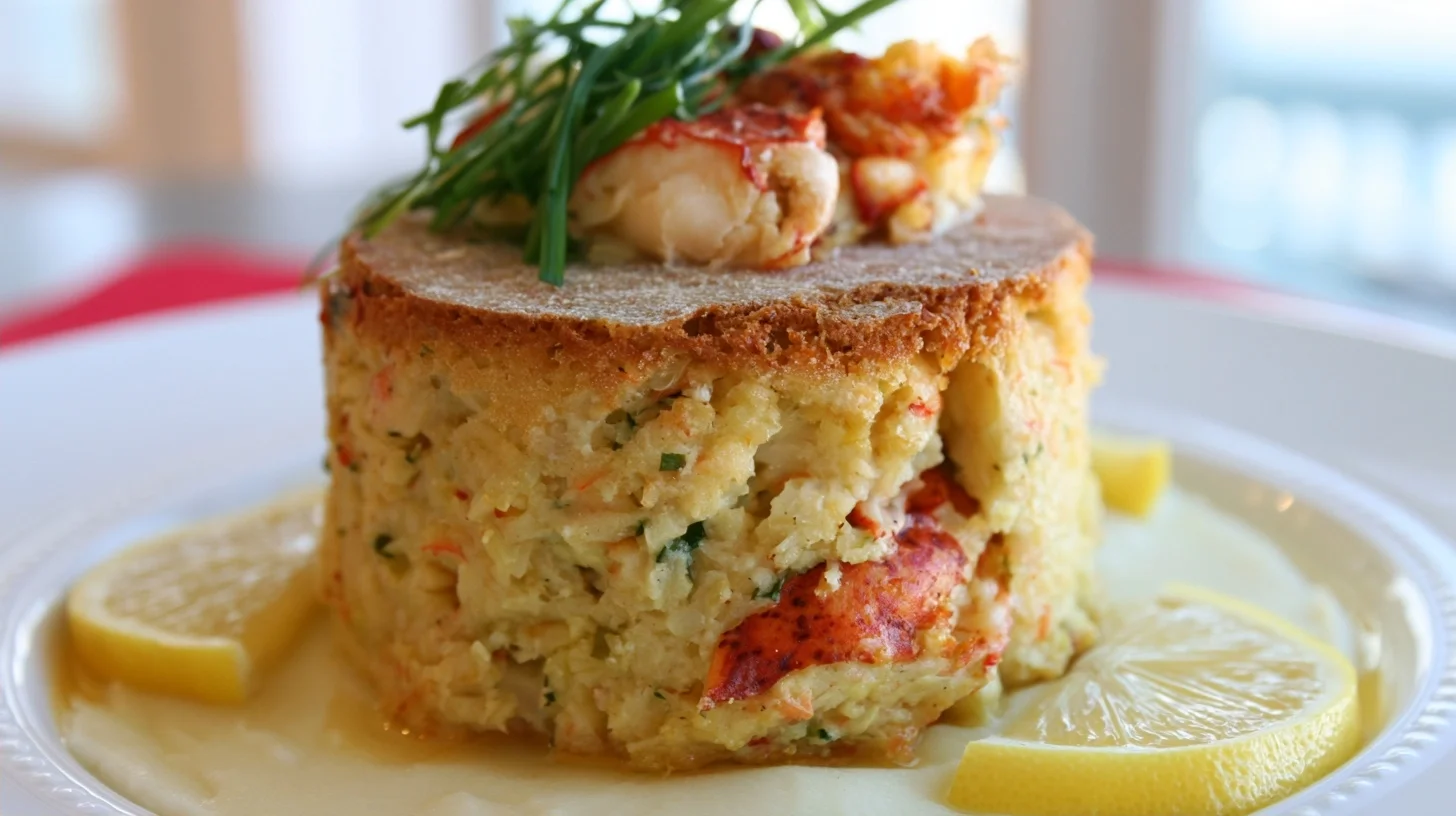
Crispy Lobster Cakes
8
servings20
minutes8
minutes285
kcalThese restaurant-quality lobster cakes feature generous chunks of sweet lobster meat held together with a light binder and pan-fried to golden perfection. The 1:4 binder-to-lobster ratio and gentle folding technique preserve the integrity of the meat while creating cakes that hold together beautifully during cooking.
Keep the screen of your device on
Ingredients
1 pound cooked lobster meat
0.5 cup breadcrumbs
0.25 cup mayonnaise
1 large egg
2 tablespoons fresh parsley
1 tablespoon Dijon mustard
1 tablespoon lemon juice
0.5 teaspoon Old Bay seasoning
0.25 teaspoon salt
0.25 teaspoon black pepper
1 cup panko breadcrumbs
3 tablespoons butter
Directions
- Pat the lobster meat completely dry with paper towels to remove excess moisture. This step prevents the cakes from becoming soggy and helps them hold together during cooking.
- Combine the breadcrumbs, mayonnaise, egg, parsley, Dijon mustard, lemon juice, Old Bay seasoning, salt, and pepper in a large bowl. Whisk together until the mixture is smooth and evenly combined.
- Add the lobster meat to the bowl and fold gently with a rubber spatula using sweeping motions. The goal is to coat the lobster without breaking up the chunks, so handle it delicately.
- Form the mixture into 8 equal patties about 3 inches wide and 3/4 inch thick. Press gently but firmly so they hold together without compacting the lobster too much.
- Place the panko breadcrumbs in a shallow dish and press each cake gently into the crumbs, coating both sides evenly. This creates the signature crispy exterior.
- Refrigerate the formed cakes uncovered for at least 30 minutes or up to 1 hour. This chilling time firms up the butter and helps the cakes maintain their shape during cooking.
Notes
- The ideal binder-to-lobster ratio is 1:4 by weight, which means for every 1 pound of lobster meat, use approximately 4 ounces of binding ingredients total.
- Fresh lobster meat works best, but flash-frozen lobster that’s been properly thawed and drained is an excellent alternative.
- If the mixture seems too wet to form cakes, add breadcrumbs one tablespoon at a time until it holds together.
- For advance preparation, freeze uncooked cakes on a baking sheet until solid, then transfer to a freezer bag for up to 2 months.
Nutrition Facts
- Serving Size: 1 g
- Total number of serves: 8
- Calories: 285kcal
- Fat: 16g
- Carbohydrates: 12g
- Fiber: 1g
- Protein: 22g
Did you make this recipe?
Tag @therecipemasterblog on Instagram and hashtag it with #therecipemaster
Like this recipe?
Follow @therecipemasterblog on Pinterest
Follow us on Facebook!
Follow The Recipe Master on Facebook
The Technique That Makes These Lobster Cake Restaurant-Quality
After years of making seafood cakes, I’ve learned that success comes down to a few critical techniques. First, the lobster meat quality matters tremendously, so I always use fresh or flash-frozen lobster rather than canned. However, if you must use canned, drain it thoroughly and pat it completely dry with paper towels.
Handle the Lobster Meat Gently
The key to impressive lobster cakes is visible chunks of meat, not a mushy paste. Therefore, I fold the lobster into the binder mixture using a rubber spatula with gentle, sweeping motions. This preserves the integrity of the meat while still combining everything evenly. In addition, I reserve a few choice pieces of claw meat to press onto the top of each cake before chilling.
Master the Binder Ratio
The binder-to-lobster ratio for perfect cakes is 1:4, meaning one part binding ingredients to four parts lobster meat by weight. Too much binder and you’ll taste bread instead of lobster. Too little and the cakes fall apart during cooking. I recommend weighing your lobster meat for precision, especially when you’re learning this recipe.
Chill Before Cooking
This step is non-negotiable in my kitchen. After forming the cakes, I refrigerate them uncovered for at least 30 minutes, though an hour is even better. The cold firms up the butter in the mixture, which helps the cakes hold their shape when they hit the hot pan. As a result, you get beautifully intact cakes with crispy edges instead of broken pieces.
Control Your Cooking Temperature
Medium-high heat is your target temperature. I test the pan by dropping a tiny pinch of breadcrumbs into the oil. If they sizzle immediately but don’t burn, the temperature is perfect. Cook the cakes for 3 to 4 minutes per side without moving them, which allows that gorgeous golden crust to develop.
Creative Ways to Customize Your Lobster Cake
While the classic version is always a winner, I love experimenting with different flavor profiles and dietary adaptations. These variations maintain the essential texture and technique while offering exciting new taste experiences.
Asian-Inspired Lobster Cake
I add fresh ginger, scallions, and a splash of sesame oil to the mixture for an Asian twist. Then I coat the cakes in panko breadcrumbs mixed with black sesame seeds before pan-frying. Serve these with a soy-ginger dipping sauce or spicy mayo for an incredible fusion appetizer.
Cajun-Style Spicy Version
For heat lovers, I incorporate Cajun seasoning, diced jalapeños, and a pinch of cayenne pepper into the base mixture. The spices complement the sweet lobster beautifully without overwhelming it. In addition, I serve these with a creamy remoulade sauce that balances the heat perfectly.
Gluten-Free Adaptation
Replace the breadcrumbs with crushed gluten-free crackers or almond flour. I’ve found that gluten-free panko works exceptionally well for the coating, providing the same crispy texture as traditional breadcrumbs. The binding properties remain excellent, so you won’t sacrifice structure.
Lighter Baked Option
For a healthier version, I brush the formed cakes with melted butter and bake them at 400°F for 15 to 18 minutes, flipping once halfway through. They won’t be quite as crispy as pan-fried versions, but they’re still delicious and significantly lower in fat. If you’re looking for more elegant presentation ideas, check out these creative plating techniques that work beautifully with seafood cakes.
Surf and Turf Combination
I sometimes mix half lobster and half lump crab meat for a luxurious seafood blend that’s more budget-friendly. The textures complement each other perfectly, and the flavor remains rich and indulgent. This variation also works wonderfully as a topping for elegant desserts like tres leches cake when you’re planning a complete menu.
Understanding the Nutritional Profile
Lobster cakes offer impressive nutritional benefits alongside their delicious taste. Each serving provides approximately 285 calories with 22 grams of high-quality protein from the lobster meat. The protein content makes these cakes surprisingly satisfying despite their elegant appearance.
The fat content sits around 16 grams per serving, primarily from the butter and oil used in cooking. However, you can reduce this significantly by using the baked variation I mentioned earlier. Carbohydrates come in at about 12 grams, mostly from the breadcrumbs in the binder and coating. For a lower-carb option, reduce the breadcrumbs slightly and increase the egg content.
Perfect Pairings for Your Lobster Cake
I love serving these lobster cakes as an elegant appetizer with a variety of dipping sauces on the side. Classic options include tartar sauce, lemon aioli, or a roasted red pepper sauce that adds beautiful color to the plate. For a more sophisticated presentation, I drizzle a beurre blanc or champagne cream sauce around the cakes rather than on top, which keeps the crispy exterior intact.
As a main course, these cakes pair beautifully with light, fresh sides that don’t compete with the delicate lobster flavor. I recommend a simple arugula salad with lemon vinaigrette, roasted asparagus, or garlic green beans. For a more substantial meal, serve them alongside creamy mashed potatoes or a light risotto. In addition, a crisp white wine like Chardonnay or Sauvignon Blanc complements the sweet lobster meat perfectly.
Keeping Your Lobster Cakes Fresh
Proper storage ensures your lobster cakes maintain their quality and food safety. I store uncooked formed cakes in an airtight container lined with parchment paper for up to 24 hours in the refrigerator. This make-ahead option is perfect for entertaining, as you can prepare everything in advance and simply cook them when guests arrive.
Cooked lobster cakes keep well in the refrigerator for up to 3 days in an airtight container. However, the crispy exterior will soften during storage. To reheat, I place them on a baking sheet in a 375°F oven for 8 to 10 minutes, which restores much of the original crispiness. For longer storage, freeze uncooked cakes on a baking sheet until solid, then transfer to a freezer bag for up to 2 months. Cook them directly from frozen, adding 2 to 3 extra minutes to the cooking time.
Frequently Asked Questions about lobster cake
Yes, frozen lobster meat works perfectly for lobster cakes. Thaw it completely in the refrigerator overnight, then drain thoroughly and pat dry with paper towels to remove excess moisture before using. Flash-frozen lobster often maintains excellent quality and is more budget-friendly than fresh.
Lobster cakes fall apart when the binder ratio is too low, the mixture isn’t chilled long enough, or the pan temperature is too high. Refrigerate formed cakes for at least 30 minutes before cooking, use the 1:4 binder-to-lobster ratio, and avoid moving the cakes while they cook. These three steps ensure intact, beautiful cakes.
Yes, you can make lobster cakes up to 24 hours ahead. Form the cakes, place them on a parchment-lined tray, cover loosely with plastic wrap, and refrigerate until ready to cook. You can also freeze uncooked cakes for up to 2 months and cook them directly from frozen with a few extra minutes of cooking time.
Classic tartar sauce, lemon aioli, and roasted red pepper sauce all pair beautifully with lobster cakes. For a more elegant presentation, try a beurre blanc or champagne cream sauce drizzled around the cakes rather than on top. The key is choosing a sauce that complements without overpowering the delicate lobster flavor.



Leave a Reply