

There’s something magical about cooking a perfect blackstone steak recipe on a flat top griddle. The searing heat creates a gorgeous crust while keeping the inside tender and juicy. After testing over 20 variations, I discovered that preheating the griddle to 500°F and using a compound butter finish delivers restaurant-quality results every single time.
This method works beautifully for weeknight dinners or weekend gatherings. The high heat of the Blackstone griddle locks in the natural juices while developing that coveted caramelized exterior. I love how quickly it cooks compared to traditional grilling, and cleanup is incredibly simple.
Whether you’re new to griddle cooking or a seasoned pro, this technique will transform how you prepare steak at home. The key is controlling the temperature and timing, which I’ll walk you through step by step.
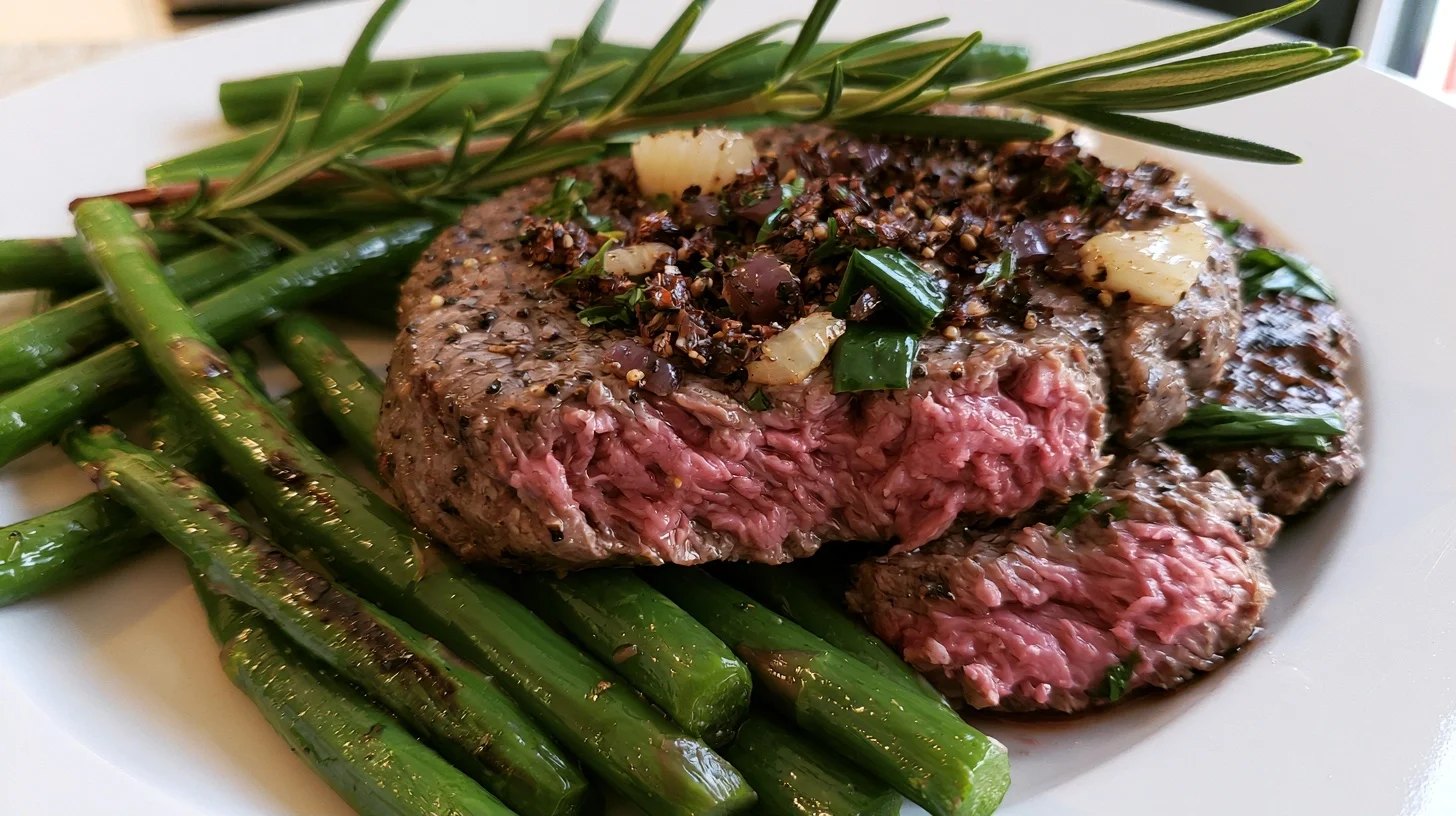
Table of contents
- Why You Will Love This Blackstone Steak Recipe
- Essential Equipment for Perfect Griddle Steaks
- How to Cook Restaurant-Quality Blackstone Steak Recipe
- Pro Tips That Make This Blackstone Steak Recipe Perfect
- Mistakes to Avoid When Making Blackstone Steak
- Creative Ways to Customize Your Griddle Steak
- Understanding the Nutrition in Your Griddle Steak
- Delicious Ways to Serve Your Blackstone Steak Recipe
- Keeping Your Steak Fresh and Flavorful
- Frequently Asked Questions about Blackstone Steak Recipe
Why You Will Love This Blackstone Steak Recipe
- The griddle creates a perfectly even sear that’s nearly impossible to achieve on a traditional grill.
- You can cook multiple steaks at once without any flare-ups or hot spots.
- The compound butter melts into every bite, adding rich flavor and moisture.
- From start to finish, dinner is ready in under 20 minutes.
Essential Equipment for Perfect Griddle Steaks
I’ve learned that having the right tools makes all the difference when cooking steak on a Blackstone. These items ensure you get that professional sear and perfect doneness every time.
- Blackstone griddle: The flat top surface distributes heat evenly across the entire cooking area, which is essential for consistent results.
- Instant-read meat thermometer: This takes the guesswork out of doneness and prevents overcooking your expensive cuts.
- Metal spatulas: Wide, sturdy spatulas help you flip the steaks without tearing the crust you worked so hard to develop.
- Infrared thermometer: I use this to verify the griddle surface temperature before placing the steaks down.
- Tongs: Long-handled tongs keep your hands safe from the intense heat while giving you control.
- Basting brush: Perfect for applying the garlic butter during the final minutes of cooking.
- Cutting board with juice groove: This catches all those precious juices while the steak rests.
How to Cook Restaurant-Quality Blackstone Steak Recipe
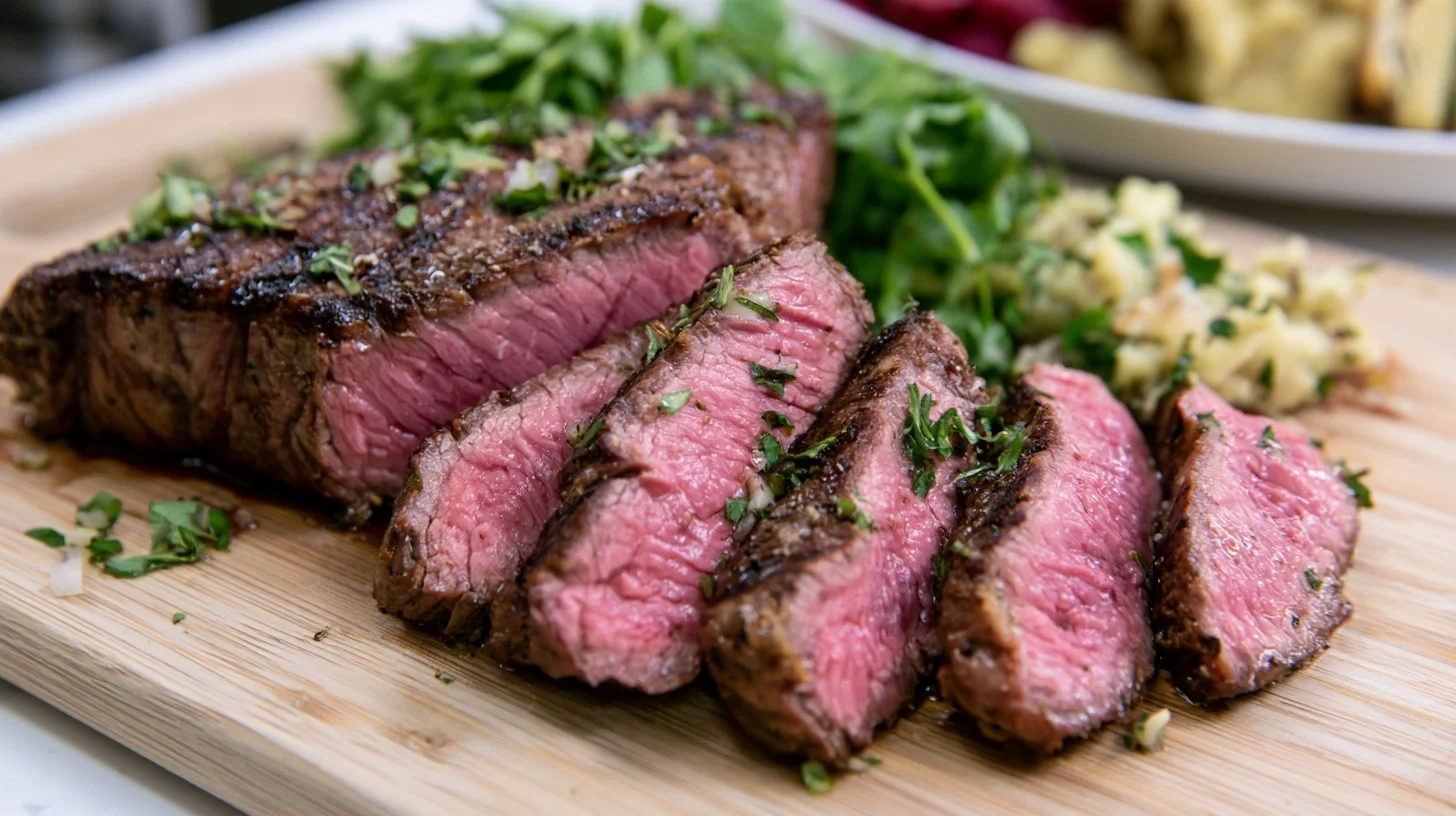
Blackstone Steak Recipe
4
servings10
minutes8
minutes520
kcalThis blackstone steak recipe delivers a restaurant-quality sear with a perfectly caramelized crust and juicy interior. The key is preheating your griddle to 500°F and finishing with garlic herb butter for rich, melt-in-your-mouth flavor.
Keep the screen of your device on
Ingredients
4 ribeye or New York strip steaks
2 tablespoons avocado oil
2 teaspoons kosher salt
1 teaspoon black pepper
1 teaspoon garlic powder
4 tablespoons unsalted butter
3 cloves garlic
2 tablespoons fresh parsley
1 teaspoon fresh thyme leaves
0.5 teaspoon red pepper flakes
Directions
- Remove the steaks from the refrigerator and let them sit at room temperature for 30 to 45 minutes. This ensures even cooking from edge to center and helps develop a better crust faster.
- Pat the steaks completely dry with paper towels on both sides. Removing surface moisture is critical for achieving proper caramelization and preventing the meat from steaming instead of searing.
- Season both sides generously with kosher salt, black pepper, and garlic powder. Press the seasonings into the meat so they adhere well during cooking.
- Preheat your Blackstone griddle on high heat for 10 minutes until it reaches 500°F to 525°F. Use an infrared thermometer to verify the surface temperature for consistent results.
- Apply a thin layer of avocado oil to the griddle surface using a paper towel. Too much oil creates smoke and prevents proper searing, so keep it light.
- Place the steaks on the hot griddle and let them cook undisturbed for 3 to 4 minutes. Resist the urge to move them, as the crust needs time to form properly and will release naturally when ready.
Notes
- The optimal internal temperature ratio for perfect medium-rare steak is pulling at 130°F and allowing carryover cooking to reach 135°F during the 5 to 8 minute rest period.
- Choose steaks that are at least 1 inch thick for the best crust-to-interior ratio and to prevent overcooking.
- If your griddle has hot spots, rotate the steaks 90 degrees halfway through each side for more even browning.
- Leftover compound butter can be rolled into a log, wrapped in plastic wrap, and frozen for up to 3 months for future use.
Nutrition Facts
- Serving Size: 1 g
- Total number of serves: 4
- Calories: 520kcal
- Fat: 38g
- Carbohydrates: 2g
- Fiber: 0g
- Protein: 42g
Did you make this recipe?
Tag @therecipemasterblog on Instagram and hashtag it with #therecipemaster
Like this recipe?
Follow @therecipemasterblog on Pinterest
Follow us on Facebook!
Follow The Recipe Master on Facebook
Pro Tips That Make This Blackstone Steak Recipe Perfect
After countless griddle sessions, I’ve discovered several techniques that separate good steaks from truly exceptional ones. These tips will help you nail the perfect crust and doneness every single time.
Temperature Control Is Everything
The optimal griddle temperature for blackstone steak recipe is 500°F to 525°F. I preheat my griddle for at least 10 minutes on high heat. This creates the intense surface heat needed for proper caramelization. If the temperature drops below 450°F, you’ll end up steaming rather than searing.
Pat the Steaks Completely Dry
Moisture is the enemy of a good crust. I pat each steak dry with paper towels before seasoning. Even refrigerated steaks develop surface moisture that needs removing. Therefore, this simple step dramatically improves browning and prevents sticking.
Let the Steak Come to Room Temperature
I pull my steaks from the refrigerator 30 to 45 minutes before cooking. This allows for more even cooking from edge to center. Cold steaks require longer cooking times, which can lead to overcooked exteriors. In addition, room temperature meat develops a better crust faster.
Use High-Quality Beef
The marbling in your steak directly impacts flavor and tenderness. I recommend USDA Choice or Prime grade ribeye or New York strip. These cuts have enough intramuscular fat for exceptional flavor and remain juicy even with high-heat cooking.
Don’t Move the Steak Too Soon
Resist the urge to flip or move your steak before it’s ready. I wait a full 3 to 4 minutes before the first flip. The steak will naturally release from the griddle surface when a proper crust forms. Flipping too early tears the crust and creates uneven browning.
Rest Before Slicing
Resting is just as important as cooking. I let my steaks rest for 5 to 8 minutes after removing them from the griddle. This allows the juices to redistribute throughout the meat. Cutting too soon causes all those flavorful juices to run out onto the cutting board instead of staying in the steak.
Mistakes to Avoid When Making Blackstone Steak
Even experienced cooks can run into problems when switching to griddle cooking. I’ve made these mistakes myself, so I know exactly how to help you avoid them.
Using Too Much Oil
Many people drown their griddle in oil, which causes smoking and prevents proper searing. I use only a thin layer of high-smoke-point oil like avocado or grapeseed. The steak’s own fat will render and provide additional cooking fat. I fix this by applying oil with a paper towel in a very light coat.
Overcrowding the Cooking Surface
Placing too many steaks too close together drops the griddle temperature dramatically. This creates steam instead of sear. I recommend leaving at least 2 inches between each steak. If you’re cooking for a crowd, work in batches rather than cramming everything on at once.
Skipping the Thermometer
Guessing doneness by touch or time alone leads to inconsistent results. Different steak thicknesses require different cooking times. I always use an instant-read thermometer and pull the steak at 130°F for medium-rare. The temperature will rise another 5 degrees during resting.
Not Cleaning the Griddle Properly
Leftover residue from previous cooking sessions creates bitter flavors and causes sticking. I scrape the griddle while it’s still hot after each use, then wipe it with oil. This maintains the seasoning and ensures a clean cooking surface for next time.
Creative Ways to Customize Your Griddle Steak
One of my favorite aspects of this blackstone steak recipe is how easily it adapts to different flavors and preferences. These variations keep dinner exciting while using the same core technique.
Coffee-Rubbed Steak
I mix finely ground coffee with brown sugar, smoked paprika, and black pepper for an incredible crust. The coffee adds earthy depth without tasting like your morning brew. This works especially well with ribeye cuts. Apply the rub 30 minutes before cooking for maximum flavor penetration.
Asian-Inspired Sesame Ginger Steak
Instead of garlic butter, I finish the steak with a mixture of sesame oil, fresh grated ginger, and soy sauce. Top with toasted sesame seeds and sliced green onions. This pairs beautifully with stir-fried vegetables cooked right alongside the steak on the griddle.
Chimichurri-Topped Steak
The bright, herbaceous flavors of chimichurri sauce cut through the richness of a well-marbled steak perfectly. I make a quick version with parsley, cilantro, garlic, red wine vinegar, and olive oil. Spoon it over the steak immediately after resting. The heat from the meat releases all those aromatic oils.
Steakhouse-Style with Blue Cheese Butter
For a classic steakhouse experience, I top my steak with compound butter mixed with crumbled blue cheese and chives. The tangy cheese melts into the hot steak and creates an incredibly rich sauce. This variation pairs wonderfully with a simple arugula salad.
Southwestern Spiced Steak
I season the steak with cumin, chili powder, and garlic powder for a Tex-Mex twist. Serve it sliced over a bed of grilled peppers and onions. This makes an excellent filling for tacos or fajitas. If you enjoy bold flavors, try pairing it with bourbon chicken for a fusion feast.
Understanding the Nutrition in Your Griddle Steak
A properly cooked steak provides excellent protein and essential nutrients. A 6-ounce ribeye steak contains approximately 450 calories with 38 grams of protein. The fat content varies by cut, with ribeye offering about 32 grams while sirloin provides a leaner option at around 18 grams of fat.
Beef is rich in iron, zinc, and B vitamins, particularly B12. However, the compound butter adds extra calories and saturated fat. If you’re watching your intake, use the butter sparingly or substitute with fresh herbs and a squeeze of lemon juice. The cooking method itself adds minimal fat since the griddle requires very little oil.
Delicious Ways to Serve Your Blackstone Steak Recipe
This blackstone steak recipe shines as the centerpiece of a complete meal. I love serving it with roasted garlic mashed potatoes and grilled asparagus cooked right on the griddle alongside the steak. The asparagus picks up all those wonderful flavors from the beef drippings. For a lighter option, pair it with a crisp Caesar salad and crusty bread to soak up the garlic butter.
You can also slice the steak thinly and serve it over creamy polenta or alongside sautéed mushrooms and caramelized onions. The versatility makes it perfect for both casual family dinners and impressive dinner parties. I often cook extra steak intentionally because the leftovers make incredible steak sandwiches or steak and eggs for breakfast the next morning.
Keeping Your Steak Fresh and Flavorful
Store leftover cooked steak in an airtight container in the refrigerator for up to 3 days. I let it cool completely before sealing to prevent condensation buildup. For best results, slice the steak before storing, as this makes reheating more even and reduces moisture loss.
You can freeze cooked steak for up to 3 months wrapped tightly in plastic wrap and then aluminum foil. Thaw it overnight in the refrigerator before reheating. To reheat, I prefer using the griddle again on medium-low heat for just 2 to 3 minutes per side. This preserves the crust better than microwaving. Alternatively, slice it thinly and warm it gently in a skillet with a splash of beef broth to keep it moist.
Frequently Asked Questions about Blackstone Steak Recipe
The ideal temperature is 500°F to 525°F. Preheat your Blackstone griddle on high heat for at least 10 minutes before cooking. This high temperature creates the perfect sear and caramelized crust while keeping the interior juicy.
For a 1-inch thick steak, cook 3 to 4 minutes per side for medium-rare. Thicker steaks require 4 to 5 minutes per side. Always use an instant-read thermometer and pull the steak at 130°F for medium-rare, as it will rise to 135°F during resting.
Yes, but use only a thin layer. Apply a high-smoke-point oil like avocado or grapeseed oil with a paper towel. Too much oil causes excessive smoking and prevents proper searing. The steak’s own fat will render and provide additional cooking fat.
Ribeye and New York strip are the best choices. These cuts have excellent marbling that stays juicy under high heat. I recommend USDA Choice or Prime grade for optimal flavor and tenderness. Cuts should be at least 1 inch thick for the best crust-to-interior ratio.


Leave a Reply