

Few side dishes are as simple, versatile, and crowd-pleasing as roasted carrots recipe. When carrots hit high heat in the oven, their natural sugars caramelize, creating sweet, tender bites with crispy, golden edges. This recipe transforms ordinary carrots into a flavorful side that pairs beautifully with roasted chicken, grilled steak, or holiday dinners. The key is using whole carrots or thick-cut pieces, coating them lightly in oil, and giving them enough space on the pan to roast rather than steam.
What makes this approach stand out is the balance between caramelization and tenderness. By roasting at 425°F, the carrots develop deep flavor without drying out. A touch of honey or maple syrup enhances their sweetness, while fresh herbs add brightness. Whether you’re cooking for a weeknight meal or a special occasion, roasted carrots deliver impressive results with minimal effort.
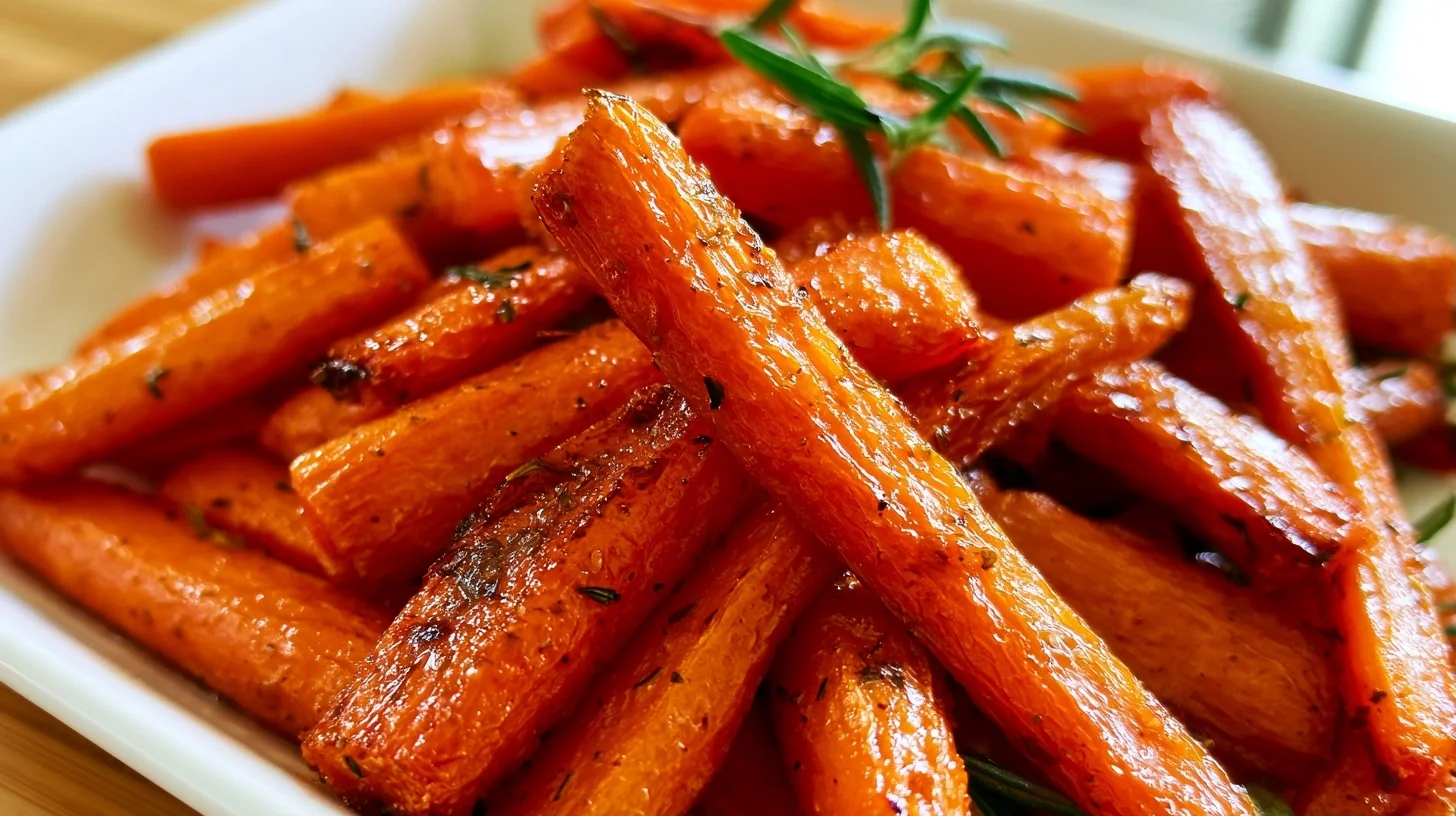
Table of contents
- Why You Will Love This Roasted Carrots Recipe
- Essential Equipment for Perfect Roasted Carrots
- How to Make Roasted Carrots That Caramelize Every Time
- Tips for the Best Roasted Carrots Recipe
- Common Mistakes When Roasting Carrots
- Delicious Variations for Roasted Carrots
- Nutritional Benefits of Roasted Carrots
- How to Serve Roasted Carrots
- How to Store and Reheat Roasted Carrots Recipe
- Frequently Asked Questions
Why You Will Love This Roasted Carrots Recipe
- Natural sweetness intensifies through caramelization without added refined sugar.
- Requires only five main ingredients and one sheet pan for easy cleanup.
- Adaptable to dietary preferences including vegan, gluten-free, and paleo diets.
- Works equally well with whole baby carrots or standard carrots cut into uniform pieces.
Essential Equipment for Perfect Roasted Carrots
The right equipment ensures even cooking and proper caramelization. Using a large rimmed sheet pan prevents overcrowding, which is critical for achieving crispy edges rather than steamed vegetables.
- Large rimmed baking sheet: A half-sheet pan provides enough surface area to arrange carrots in a single layer without touching, allowing hot air to circulate and edges to caramelize.
- Parchment paper or silicone mat: Prevents sticking and makes cleanup effortless while still allowing the bottoms to brown properly.
- Sharp chef’s knife: Ensures clean, uniform cuts so all pieces cook at the same rate and finish tender at the same time.
- Large mixing bowl: Gives you enough room to toss carrots evenly with oil and seasonings, coating every surface for consistent flavor.
How to Make Roasted Carrots That Caramelize Every Time
Roasted Carrots
4
servings10
minutes25
minutes95
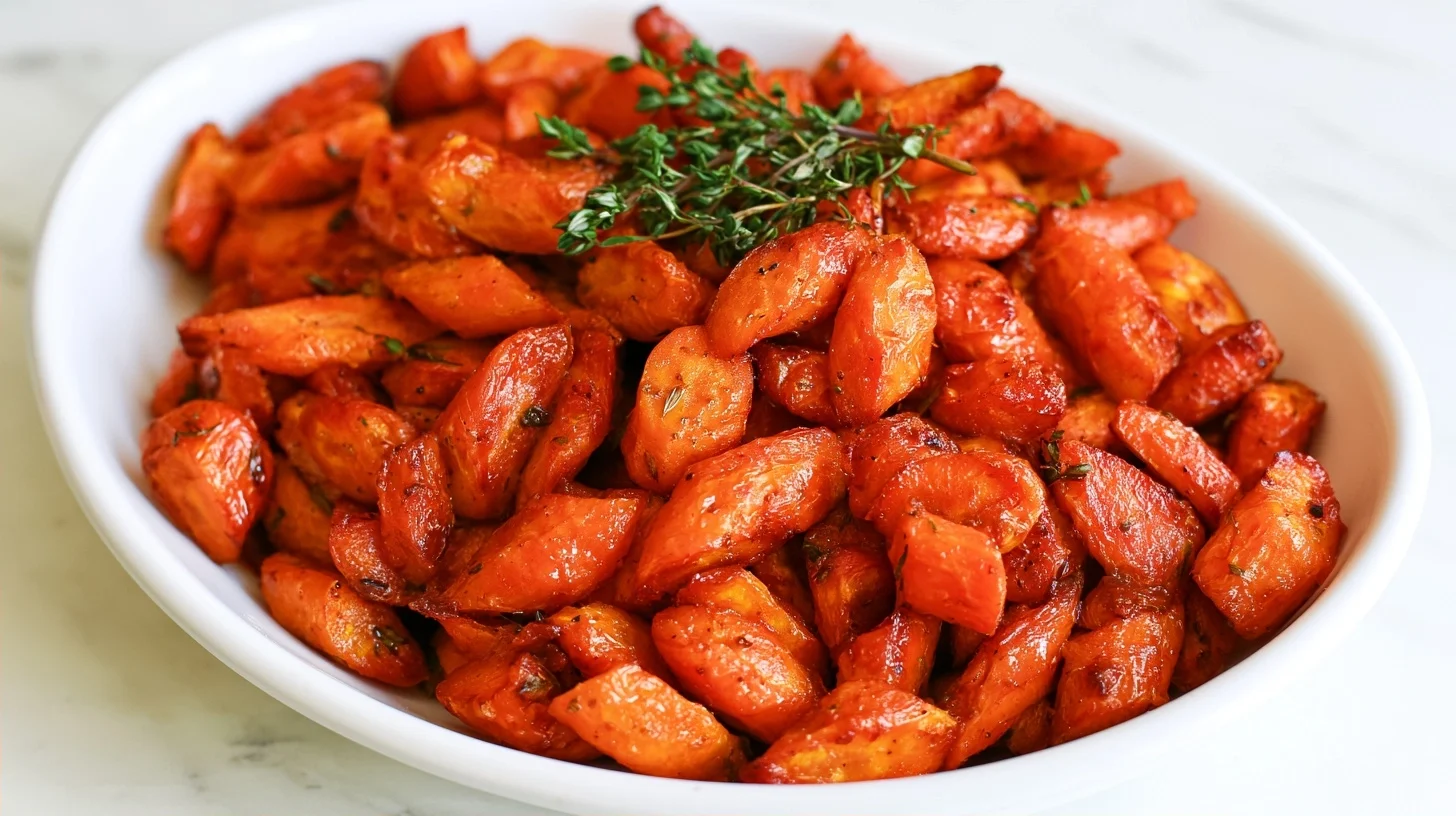
kcalThese roasted carrots develop sweet, caramelized edges and tender interiors in just 30 minutes. The high heat intensifies their natural sugars, while a light coating of olive oil and honey creates a golden glaze. Perfect as a simple weeknight side or an elegant addition to holiday meals.
Keep the screen of your device on
Ingredients
1.5 pounds medium carrots
2 tablespoons olive oil
1 tablespoon honey
0.5 teaspoon salt
0.25 teaspoon black pepper
0.5 teaspoon garlic powder
1 tablespoon fresh parsley
1 teaspoon lemon juice
Directions
- Preheat your oven to 425°F and line a large rimmed baking sheet with parchment paper or a silicone mat. This high temperature is essential for caramelization, creating the sweet, golden edges that make roasted carrots irresistible.
- Toss the carrots with olive oil, salt, pepper, and garlic powder in a large mixing bowl until every piece is evenly coated. The oil helps the carrots brown and prevents sticking, while the seasonings enhance their natural sweetness.
- Spread the carrots in a single layer on the prepared baking sheet, making sure they don’t touch or overlap. Overcrowding traps steam and prevents proper caramelization, so use two pans if necessary.
- Roast for 15 minutes, then flip the carrots with a spatula to ensure even browning on all sides. This step prevents burning and helps develop a consistent golden crust.
- Drizzle the honey over the carrots and return them to the oven for another 8 to 10 minutes, or until they’re tender when pierced with a fork and the edges are deeply caramelized. Adding the honey toward the end prevents it from burning while still creating a beautiful glaze.
- Remove the carrots from the oven and transfer them to a serving dish. Garnish with fresh parsley and a squeeze of lemon juice if desired. The herbs add brightness, and the citrus balances the sweetness with a touch of acidity.
Notes
- Cutting carrots into uniform pieces ensures they cook evenly, preventing some from burning while others remain undercooked.
- If your carrots aren’t caramelizing, check that the oven is fully preheated and that the pan isn’t overcrowded, as trapped moisture prevents browning.
- Roasted carrots can be stored in an airtight container in the refrigerator for up to four days and reheated in a 350°F oven for about ten minutes to restore their texture.
Nutrition Facts
- Serving Size: 1g
- Total number of serves: 4
- Calories: 95kcal
- Fat: 4g
- Carbohydrates: 14g
- Fiber: 3g
- Protein: 1g
Did you make this recipe?
Tag @therecipemasterblog on Instagram and hashtag it with #therecipemaster
Like this recipe?
Follow @therecipemasterblog on Pinterest
Follow us on Facebook!
Follow The Recipe Master on Facebook
Tips for the Best Roasted Carrots Recipe
Achieving perfectly caramelized roasted carrots comes down to a few key techniques that control moisture, heat distribution, and flavor development.
Cut Carrots Into Uniform Pieces
Cutting carrots into similar sizes ensures they roast evenly. Thicker pieces take longer to cook, so aim for pieces that are roughly the same diameter. If using whole baby carrots, choose ones that are uniform in size. For standard carrots, cut them on a diagonal into one-inch pieces, or halve them lengthwise if they’re thick. This consistency prevents some pieces from burning while others remain undercooked.
Use High Heat and Don’t Overcrowd the Pan
Roasting at 425°F creates the high heat needed for caramelization. Overcrowding the pan traps steam, which prevents browning and results in soft, bland carrots instead of crispy, sweet ones. Carrots contain natural sugars that caramelize beautifully when exposed to dry heat, but only if there’s enough space between each piece for moisture to escape.
Add Sweetener Toward the End
If using honey or maple syrup, drizzle it over the carrots during the last five to ten minutes of roasting. Adding sweetener too early can cause it to burn before the carrots finish cooking. This timing allows the sugars to glaze the surface without turning bitter, creating a glossy, caramelized coating.
Flip Halfway Through for Even Browning
Turning the carrots halfway through roasting ensures both sides develop golden, caramelized edges. Use a spatula to flip each piece, redistributing them on the pan if needed. This step also prevents the bottoms from sticking or burning while the tops remain pale.
Finish With Fresh Herbs or Citrus
Adding fresh herbs like parsley, thyme, or dill after roasting brightens the dish and adds complexity. A squeeze of lemon juice or orange zest provides acidity that balances the sweetness. Carrots are rich in beta-carotene, and pairing them with a small amount of fat like olive oil helps your body absorb this nutrient more effectively.
Common Mistakes When Roasting Carrots
Even a simple recipe can go wrong if a few key details are overlooked. These mistakes often result in carrots that are undercooked, bland, or unevenly roasted.
Using Carrots That Are Too Small or Too Large
Very thin baby carrots can dry out and shrivel before they caramelize, while extra-thick carrots may remain hard in the center even after the edges burn. Choose medium-sized carrots or cut larger ones into uniform pieces. If your carrots vary in thickness, separate them by size and adjust cooking times accordingly, removing smaller pieces earlier if needed.
Skipping the Oil or Using Too Little
Oil is essential for caramelization and prevents carrots from drying out. Without enough oil, they’ll roast unevenly and stick to the pan. Use about one to two tablespoons of oil per pound of carrots, tossing them thoroughly to coat every surface. Olive oil, avocado oil, or melted butter all work well and contribute to flavor development.
Not Preheating the Oven
Placing carrots in a cold oven extends cooking time and prevents proper caramelization. Always preheat your oven fully before adding the pan. This ensures the carrots start roasting immediately at the correct temperature, which helps them develop a golden crust while staying tender inside.
Forgetting to Season Before Roasting
Seasoning carrots before they go into the oven allows salt and spices to penetrate the surface as they cook. Adding salt only at the end results in uneven flavor. Season generously with salt and pepper before roasting, and adjust seasoning after cooking if needed. Spices like cumin, smoked paprika, or cinnamon can be added at the start for deeper flavor integration.
Delicious Variations for Roasted Carrots
This basic roasted carrots recipe adapts easily to different flavor profiles and dietary needs. Small adjustments to seasonings or cooking methods create entirely new dishes.
Honey Balsamic Roasted Carrots
Drizzle carrots with honey and balsamic vinegar during the last ten minutes of roasting. The vinegar adds tangy depth that balances the honey’s sweetness, creating a glossy glaze. This variation pairs especially well with roasted pork or grilled chicken.
Maple Dijon Roasted Carrots
Whisk together maple syrup and Dijon mustard, then toss with roasted carrots after cooking. The mustard adds sharpness that cuts through the sweetness, while the maple syrup enhances caramelization. This combination works beautifully for fall and winter meals.
Spiced Roasted Carrots
Toss carrots with cumin, coriander, and a pinch of cayenne before roasting. These warm spices add complexity and a subtle heat that complements the natural sweetness. Finish with fresh cilantro and a squeeze of lime for a bright, bold side dish.
Garlic Herb Roasted Carrots
Add whole garlic cloves to the pan during roasting, then mash them into the carrots after cooking. Toss with fresh thyme, rosemary, or parsley. The roasted garlic becomes sweet and mellow, infusing the carrots with savory depth.
Vegan and Dairy-Free Option
This recipe is naturally vegan when made with olive oil or another plant-based oil. Replace honey with maple syrup or agave nectar for a fully plant-based version. The carrots will still caramelize beautifully and deliver the same sweet, tender results.
Nutritional Benefits of Roasted Carrots
Roasted carrots are a nutrient-dense side dish that provides vitamins, fiber, and antioxidants. One serving typically contains around 80 to 100 calories, depending on the amount of oil and sweetener used. Carrots are an excellent source of vitamin A in the form of beta-carotene, which supports eye health and immune function. They also provide fiber, which aids digestion, and potassium, which helps regulate blood pressure.
Roasting carrots with a small amount of fat like olive oil improves the absorption of fat-soluble vitamins. This cooking method also concentrates their natural sugars, making them taste sweeter without adding refined sugar. For a lower-calorie version, reduce the oil slightly and skip the honey, relying on the carrots’ natural sweetness instead.
How to Serve Roasted Carrots
Roasted carrots work as a versatile side dish for nearly any protein or grain. Serve them alongside roasted chicken, grilled salmon, or seared steak for a balanced weeknight dinner. They also pair beautifully with holiday mains like roasted turkey, glazed ham, or prime rib.
For a vegetarian meal, serve roasted carrots over quinoa or farro with a dollop of hummus or tahini sauce. They also make a great addition to grain bowls, salads, or Buddha bowls. Leftovers can be chopped and stirred into pasta, added to soups, or blended into a creamy carrot soup.
How to Store and Reheat Roasted Carrots Recipe
Store leftover roasted carrots in an airtight container in the refrigerator for up to four days. Let them cool completely before sealing to prevent condensation, which can make them soggy. For best results, store them without additional sauce or garnish, adding fresh herbs or citrus just before serving.
To reheat, spread the carrots on a baking sheet and warm them in a 350°F oven for about ten minutes, or until heated through. This method helps restore some of their crispness. You can also reheat them in a skillet over medium heat with a small drizzle of oil, stirring occasionally. Avoid microwaving if possible, as it can make them mushy and dull their flavor.
Roasted carrots can also be frozen for up to three months. Arrange them in a single layer on a baking sheet and freeze until solid, then transfer to a freezer-safe bag. Reheat directly from frozen in the oven at 375°F for 15 to 20 minutes.
Frequently Asked Questions
Yes, baby carrots work well for roasting. Choose uniform-sized pieces and reduce the cooking time by about 5 minutes, checking for tenderness and caramelization around the 20-minute mark.
Peeling is optional. If the carrots are organic and well-scrubbed, you can roast them with the skin on, which adds extra fiber and saves time. Peel them if the skins are thick or blemished.
Lack of caramelization usually means the oven temperature is too low, the pan is overcrowded, or there isn’t enough oil. Roast at 425°F, spread carrots in a single layer with space between pieces, and coat them evenly with oil.
Yes, carrots pair well with vegetables that have similar roasting times, such as parsnips, Brussels sprouts, or sweet potatoes. Cut all vegetables to similar sizes and adjust cooking time as needed to ensure even doneness.


Leave a Reply