

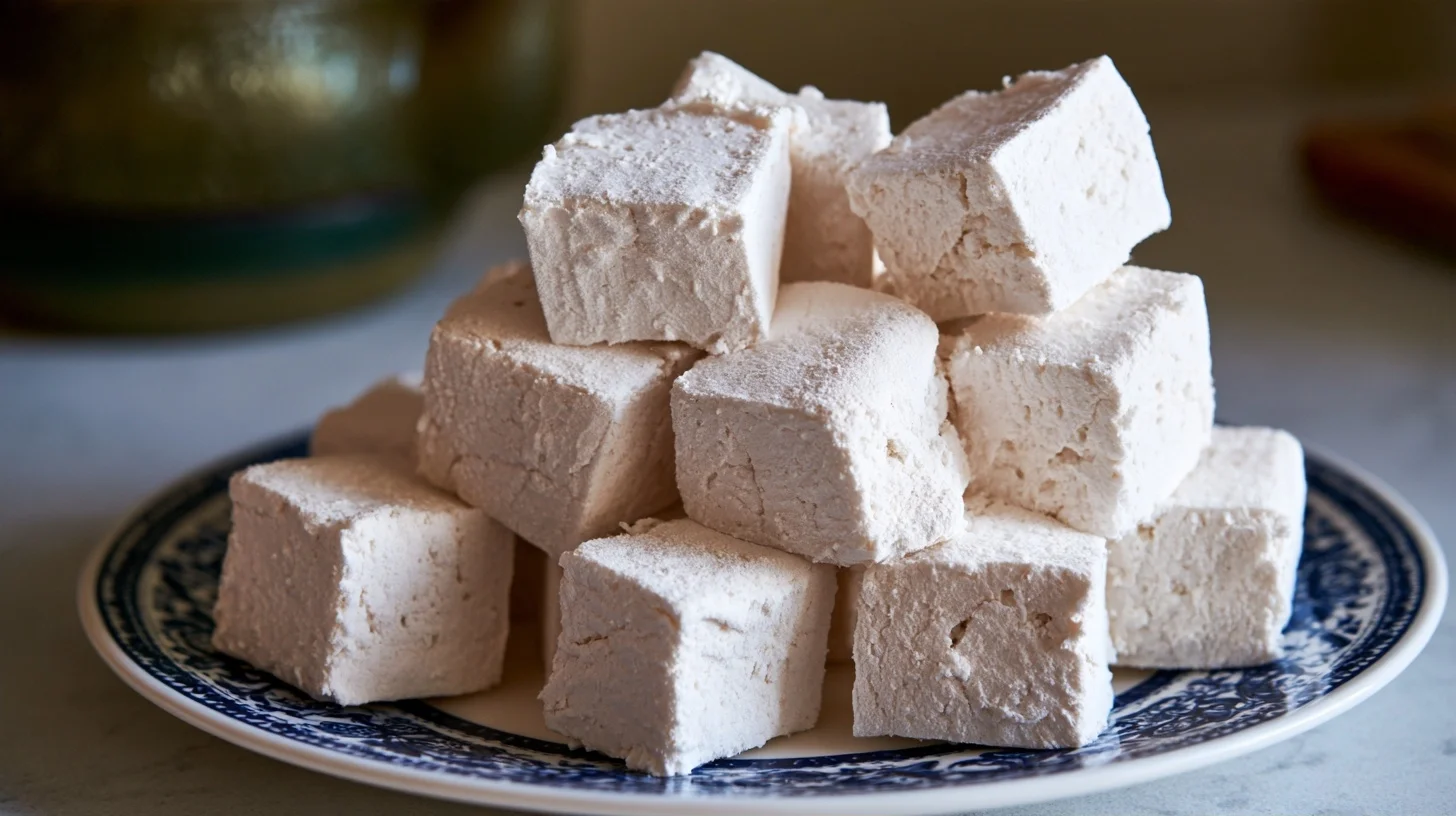
This homemade marshmallow recipe makes soft, pillowy squares with a light vanilla flavor and a tender bite. The marshmallows are ready to cut in 4 hours and hold their shape without melting at room temperature.
The recipe takes 30 minutes of active work and uses gelatin, sugar, and corn syrup to create the classic marshmallow texture. Homemade marshmallows stay fresh for 2 weeks in an airtight container and taste better than store bought versions.
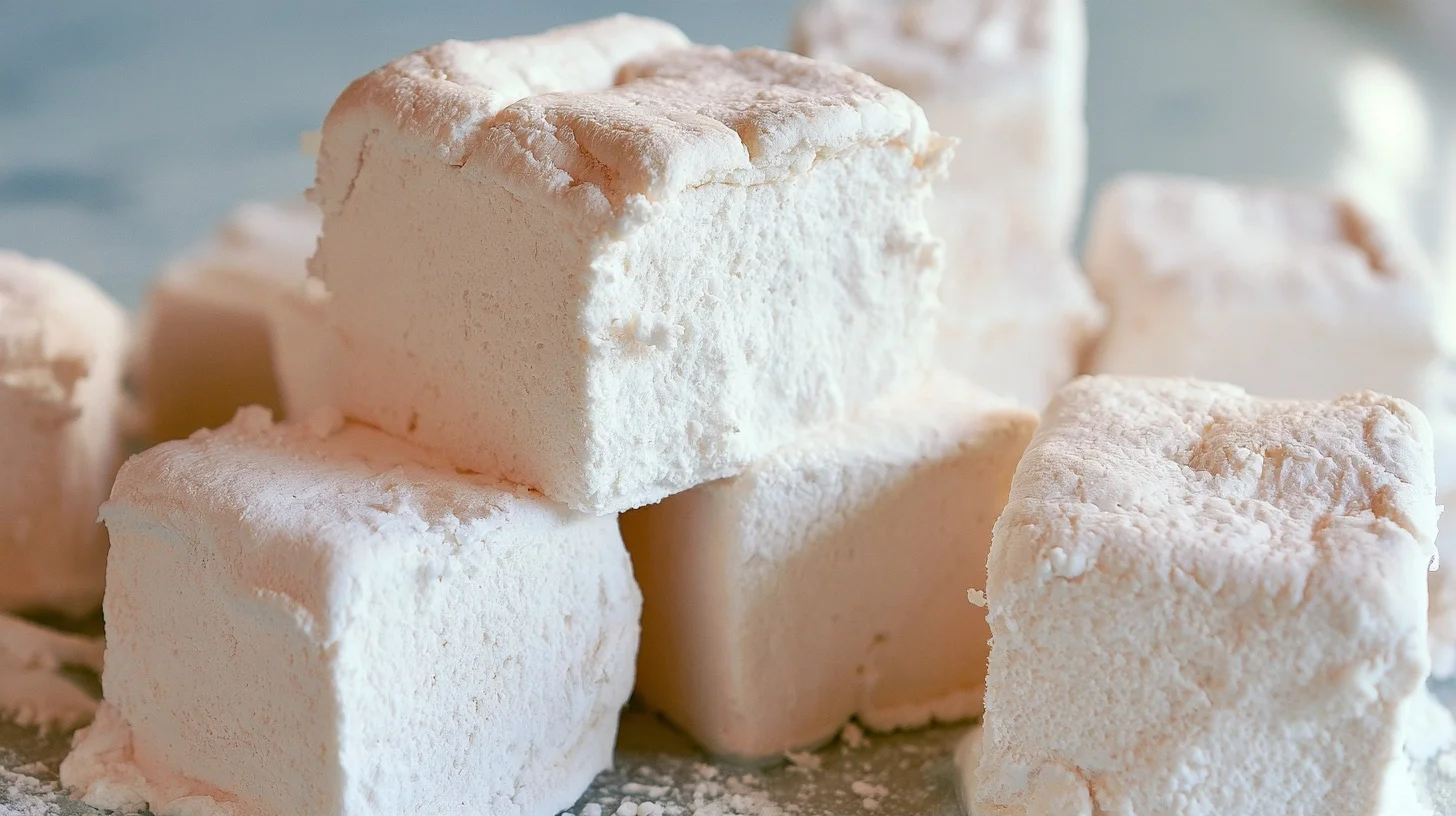
Table of contents
- Why This Homemade Marshmallow Recipe Works
- Homemade Marshmallow Recipe
- Key Ingredients and Substitutions
- How to Get Homemade Marshmallows Right
- What Went Wrong with Homemade Marshmallow Recipe
- Ways to Change the Homemade Marshmallow Recipe
- What to Serve With Homemade Marshmallows
- How to Store Homemade Marshmallows
- Homemade Marshmallow Recipe FAQs
Why This Homemade Marshmallow Recipe Works
- Blooming the gelatin in cold water for 5 minutes prevents clumps and creates an even texture throughout the marshmallow.
- Heating the sugar syrup to exactly 240°F produces marshmallows that hold their shape but stay soft.
- Beating the mixture for 10 to 12 minutes incorporates enough air to make the recipe yield light, fluffy homemade marshmallows.
Homemade Marshmallow Recipe
Homemade Marshmallow Recipe
64
servings15
minutes15
minutes35
kcalThis recipe makes soft, pillowy marshmallows with a light vanilla flavor and tender texture. The marshmallows take 30 minutes of active work, set in 4 hours, and stay fresh for 2 weeks in an airtight container.
Keep the screen of your device on
Ingredients
3 packets unflavored gelatin
0.5 cup cold water
2 cups granulated sugar
0.66 cup light corn syrup
0.5 cup water
0.25 teaspoon salt
2 teaspoons vanilla extract
0.25 cup cornstarch
0.25 cup powdered sugar
Directions
- Bloom the gelatin: Pour 1/2 cup of cold water into the bowl of a stand mixer. Sprinkle the gelatin over the water and let it sit for 5 minutes until it swells and looks wrinkled.
- Make the sugar syrup: Combine the granulated sugar, corn syrup, 1/2 cup of water, and salt in a medium saucepan over medium heat. Stir until the sugar dissolves, then stop stirring. Clip a candy thermometer to the side of the pan and cook for 8 to 10 minutes until the syrup reaches 240°F.
- Beat the mixture: With the mixer on low speed, carefully pour the hot syrup over the bloomed gelatin. Increase the speed to high and beat for 10 to 12 minutes until the mixture becomes thick, glossy, and nearly triples in volume. Add the vanilla extract in the last minute of beating.
- Spread in the pan: Grease a 9×13 inch pan with cooking spray or neutral oil. Pour the marshmallow mixture into the pan and use a greased spatula to spread it evenly. Let it sit uncovered at room temperature for 4 hours until firm.
- Cut and coat: Mix the cornstarch and powdered sugar in a small bowl. Dust a cutting board with some of the mixture. Turn the marshmallow slab out onto the board and cut it into 1 inch squares with a greased knife. Toss the squares in the remaining cornstarch mixture to coat all sides. Store the homemade marshmallows in an airtight container layered between parchment paper.
Notes
- The syrup must reach exactly 240°F to produce homemade marshmallows that hold their shape but stay soft.
- If the marshmallows are too sticky, the syrup did not reach 240°F or they did not set long enough. Let them sit for 2 to 3 more hours at room temperature.
- Homemade marshmallows keep for 2 weeks at room temperature in an airtight container. Honey or golden syrup can replace corn syrup, but honey adds a distinct flavor.
Nutrition Facts
- Serving Size: 1 g
- Total number of serves: 64
- Calories: 35kcal
- Fat: 0g
- Carbohydrates: 9g
- Net Carbs: 9g
- Fiber: 0g
- Protein: 0g
Did you make this recipe?
Tag @therecipemasterblog on Instagram and hashtag it with #therecipemaster
Like this recipe?
Follow @therecipemasterblog on Pinterest
Follow us on Facebook!
Follow The Recipe Master on Facebook
The sections below explain which ingredients affect the texture most and how to fix marshmallows that turn out too sticky or too firm.
Key Ingredients and Substitutions
This homemade marshmallow recipe depends on four ingredients that control texture and sweetness.
- Unflavored gelatin: Creates the structure that lets marshmallows hold their shape. Use 3 packets or 3 tablespoons of powdered gelatin. Sheet gelatin works but requires a different bloom time.
- Granulated sugar: Provides sweetness and helps the syrup reach 240°F. You can reduce the sugar by up to 1/4 cup, but the marshmallows will be less sweet and slightly denser.
- Light corn syrup: Prevents sugar crystals from forming and keeps the texture smooth. Honey or golden syrup can replace it, but honey adds a distinct flavor and golden syrup makes the marshmallows slightly softer.
- Vanilla extract: Adds flavor without changing the texture. Swap it for almond extract, peppermint extract, or instant espresso powder dissolved in 1 teaspoon of water for different flavors.
Tools That Make a Difference
A candy thermometer is essential for this recipe because the syrup must reach exactly 240°F. At lower temperatures the marshmallows stay too soft. At higher temperatures they turn rubbery. A stand mixer with a whisk attachment beats the mixture faster and more evenly than a hand mixer.
How to Get Homemade Marshmallows Right
These tips prevent the most common texture and sticking problems.
- Bloom the gelatin fully: Let it sit in cold water for 5 minutes until it swells and looks wrinkled. Unhydrated gelatin creates lumps that never dissolve.
- Stop heating at 240°F: Use a candy thermometer clipped to the side of the pan. The syrup should register 240°F on the thermometer, which produces marshmallows that are soft but hold their shape when cut.
- Beat for the full time: Whip the mixture on high speed for 10 to 12 minutes until it becomes thick, glossy, and nearly triples in volume. Stopping early leaves the marshmallows dense.
- Grease the pan and tools generously: Coat the pan, spatula, and knife with cooking spray or neutral oil. Marshmallow sticks to dry surfaces and tears when you try to remove it.
- Dust with cornstarch and powdered sugar: A 1:1 mixture keeps the cut edges from sticking together. Plain cornstarch works but tastes chalky. Plain powdered sugar makes the marshmallows too sweet.
What Went Wrong with Homemade Marshmallow Recipe
Why Are the Marshmallows Too Sticky?
The syrup did not reach 240°F or the marshmallows did not set long enough. If they are still in the pan, let them sit for another 2 to 3 hours at room temperature. If you already cut them, toss the pieces in more cornstarch and powdered sugar. Next time, check the thermometer at eye level and wait until the syrup holds at 240°F for 10 seconds.
Why Are the Marshmallows Rubbery?
The syrup overheated past 240°F or you used too much gelatin. Rubbery marshmallows cannot be fixed. For the next batch, remove the pan from heat the moment the thermometer reaches 240°F. Measure gelatin carefully using level tablespoons or by weighing 3 packets, which should total 21 grams.
Why Did the Mixture Not Thicken?
The gelatin was old or not bloomed properly, or the syrup was added before it cooled slightly. Old gelatin loses its setting power after the expiration date. If the mixture is still liquid after 12 minutes of beating, it will not set. Discard it and start over with fresh gelatin. Always bloom gelatin in cold water, not warm, and let the syrup cool for 1 minute before pouring it over the gelatin.
Ways to Change the Homemade Marshmallow Recipe
Chocolate Swirl Marshmallows
Melt 3 ounces of semisweet chocolate and let it cool for 5 minutes. After spreading the marshmallow mixture in the pan, drizzle the chocolate over the top and swirl it with a knife. The chocolate firms up as the marshmallows set.
Peppermint Marshmallows
Replace the vanilla extract with 1/2 teaspoon of peppermint extract. Add 2 drops of red food coloring if you want pink marshmallows. Peppermint flavor is strong, so start with 1/4 teaspoon and taste the mixture before adding more.
Toasted Coconut Marshmallows
Toast 1 cup of shredded coconut in a dry skillet over medium heat for 3 to 4 minutes until golden. Let it cool. Fold half of it into the marshmallow mixture before spreading it in the pan, and press the rest onto the top. Dust the cut edges with the cornstarch mixture as usual.
What to Serve With Homemade Marshmallows
Float homemade marshmallows in hot cocoa for a richer topping than store bought versions. Use them in s’mores, on top of sweet potato casserole, or pressed onto the frosting of chocolate cupcakes. They also melt smoothly into rice cereal treats without added butter.
How to Store Homemade Marshmallows
Homemade marshmallows keep for 2 weeks at room temperature in an airtight container, layered between sheets of parchment paper dusted with the cornstarch and powdered sugar mixture. They do not freeze well because freezing breaks down the gelatin structure and makes them weepy when thawed. Do not refrigerate them, as the moisture in the refrigerator makes them sticky.
Homemade Marshmallow Recipe FAQs
Yes. Replace the corn syrup with an equal amount of honey or golden syrup. Honey adds a floral flavor and golden syrup makes the marshmallows slightly softer than the version made with corn syrup.
Homemade marshmallows last 2 weeks at room temperature in an airtight container. Layer them between sheets of parchment paper dusted with cornstarch and powdered sugar to prevent sticking.
The gelatin was expired or not bloomed in cold water for 5 minutes, or the syrup did not reach 240°F. Check the thermometer at eye level and use gelatin before its expiration date. Old gelatin loses its setting power.
Yes. Homemade marshmallows toast over a flame or under the broiler just like store bought ones. They brown in 30 to 60 seconds and develop a crisp shell with a melted center.





Leave a Reply