

Making your own lemon extract at home is surprisingly simple and gives you control over quality and flavor intensity. With just two ingredients—fresh lemon peels and vodka—you can create a pure, vibrant extract that outperforms most store-bought versions. The process requires minimal effort but does need patience, as the peels infuse the alcohol over several weeks to develop that bright, concentrated lemon essence bakers and cooks rely on.
Homemade lemon extract delivers a cleaner, more natural citrus flavor because you’re working with real lemon oils rather than synthetic additives. The alcohol extracts the aromatic oils from the zest, creating a potent flavoring agent that works beautifully in cakes, cookies, frostings, marinades, and beverages. Once you understand the basic technique, you can adjust the intensity to suit your preferences and even experiment with different citrus varieties.
The key to success lies in using organic lemons when possible and avoiding any white pith, which introduces bitterness. The vodka acts as both solvent and preservative, pulling the essential oils from the peel while keeping the extract shelf-stable for months.
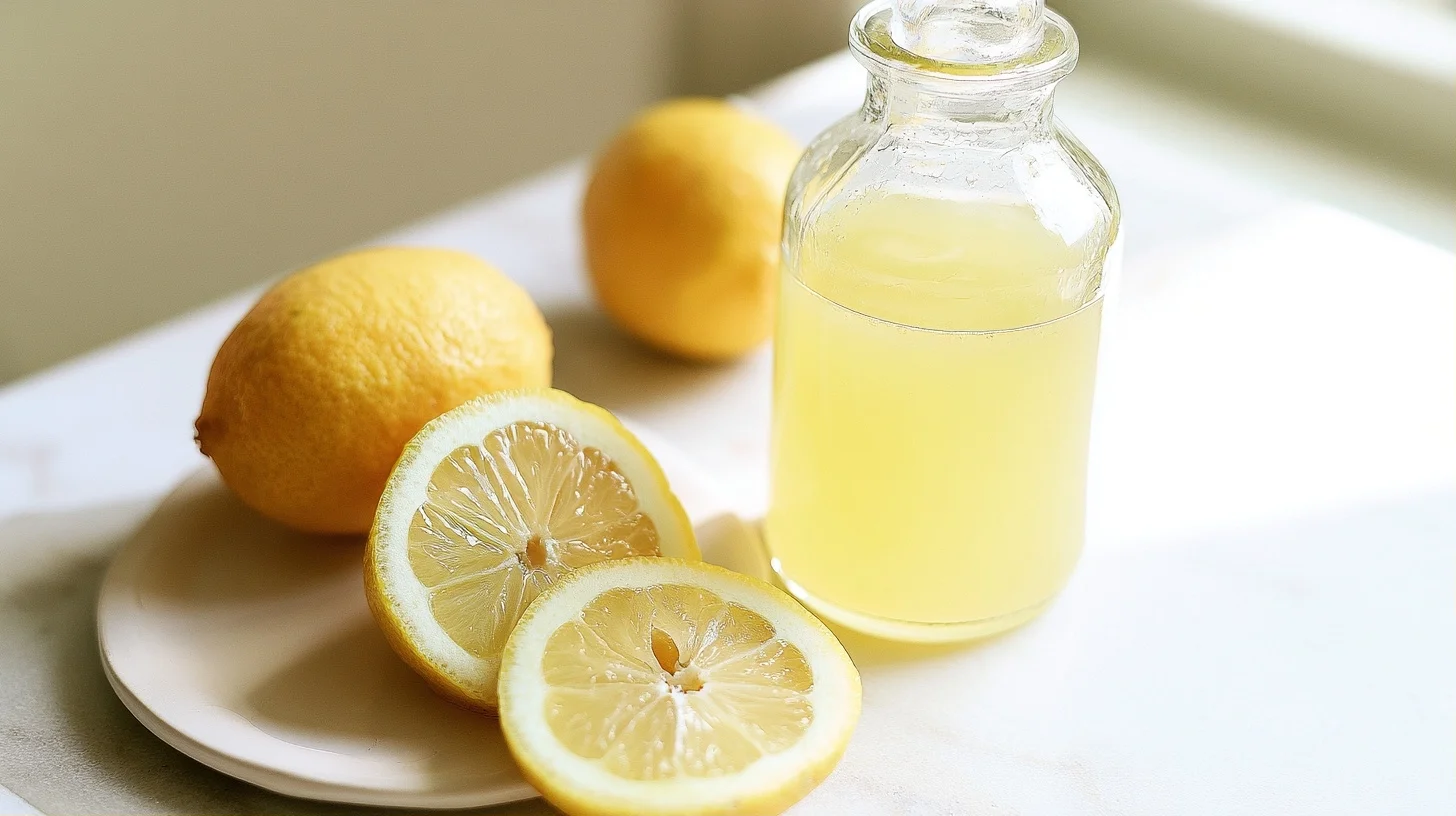
Table of contents
- Why You Will Love This Lemon Extract
- What You Need to Make Lemon Extract
- How to Make Pure Lemon Extract at Home
- How to Get the Brightest Lemon Flavor
- Common Mistakes When Making Lemon Extract
- Ways to Use and Customize Your Lemon Extract
- Nutritional Profile of Lemon Extract
- How to Serve and Enjoy Homemade Lemon Extract
- How to Store Lemon Extract Properly
- Frequently Asked Questions
Why You Will Love This Lemon Extract
- Uses only two ingredients and requires no special equipment or cooking skills.
- Produces a more vibrant and natural lemon flavor than most commercial extracts.
- Stays fresh for up to a year when stored properly, making it a practical pantry staple.
- Costs significantly less than buying premium pure lemon extract from specialty stores.
What You Need to Make Lemon Extract
This recipe requires minimal equipment, but choosing the right container matters for proper infusion and storage.
- Glass jar with tight-fitting lid: An 8-ounce mason jar works perfectly because glass won’t react with the alcohol or lemon oils, and the seal keeps the vodka from evaporating during the infusion period.
- Vegetable peeler or sharp paring knife: A vegetable peeler removes just the colored outer zest without pulling off the bitter white pith underneath, which is essential for clean lemon flavor.
- Fine mesh strainer or cheesecloth: Once the extract finishes infusing, you’ll need to strain out the lemon peels to prevent the flavor from becoming too intense or developing off notes.
- Dark glass bottles for storage: Amber or cobalt bottles protect the extract from light exposure, which can degrade the flavor over time.
How to Make Pure Lemon Extract at Home
Homemade Lemon Extract
16
servings10
minutes0
minutes12
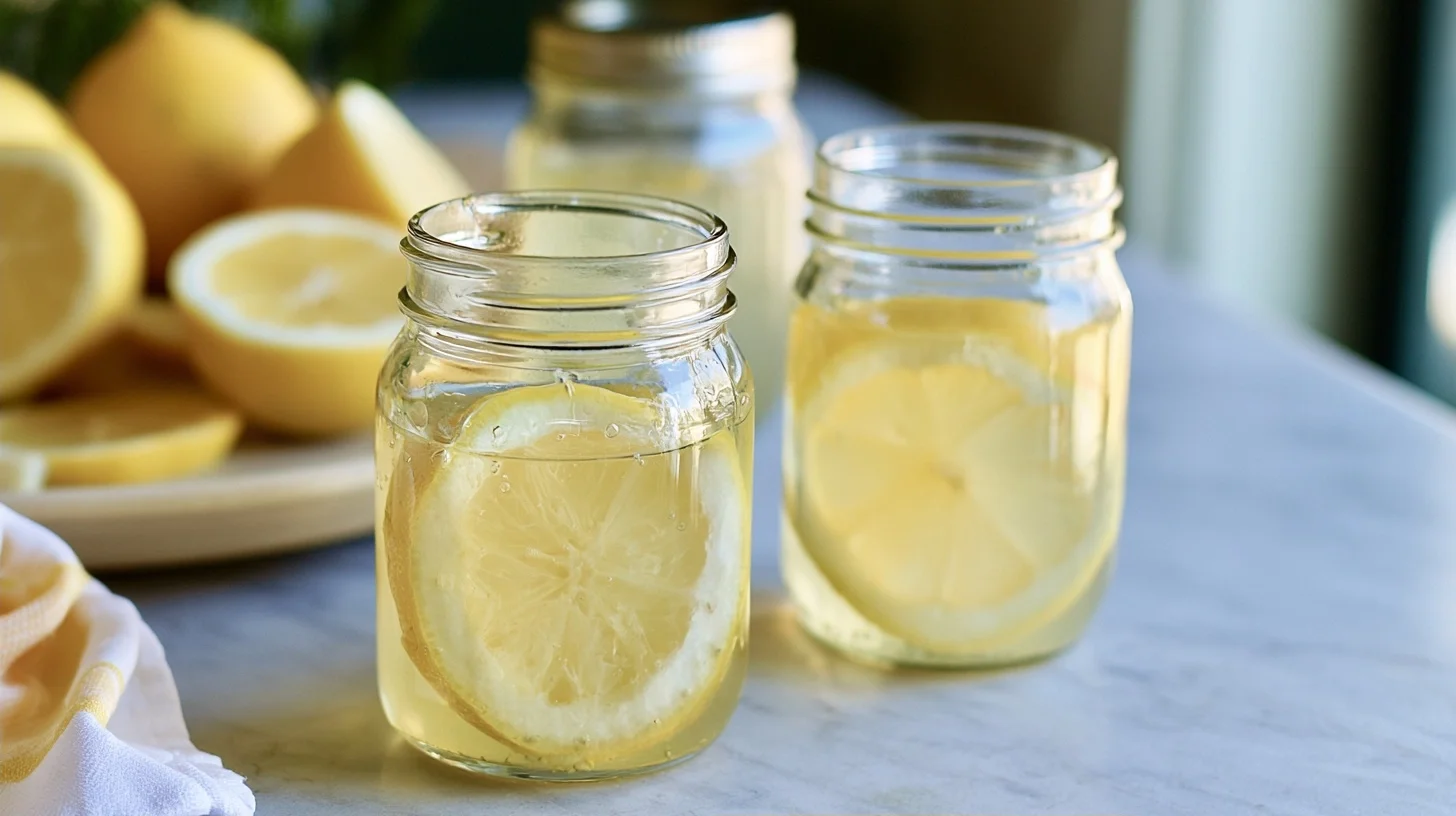
kcalThis homemade lemon extract uses fresh lemon peels and vodka to create a pure, vibrant citrus flavoring that outperforms most store-bought versions. The alcohol extracts the aromatic oils from the zest over four to six weeks, producing concentrated lemon flavor perfect for baking, beverages, and cooking.
Keep the screen of your device on
Ingredients
4 to 6 organic lemons
1 cup vodka
1 8-ounce glass jar
1 vegetable peeler
1 fine mesh strainer
1 dark glass bottle
1 tablespoon fresh lemon juice
1 teaspoon sugar
Directions
- Wash and dry the lemons thoroughly under warm water, scrubbing the peels to remove any wax coating or residue. Pat them completely dry with a clean towel before peeling.
- Use a vegetable peeler to remove just the yellow zest from each lemon in long strips, avoiding the white pith underneath. Work slowly and at a shallow angle to capture only the colored outer layer where the aromatic oils concentrate.
- Inspect each peel and scrape away any visible white pith using the edge of a paring knife. Even small amounts of pith can introduce bitterness that ruins the extract’s clean lemon flavor.
- Place all the lemon peels into the clean glass jar, packing them loosely without crushing. The peels should fill about half to two-thirds of the jar to provide enough surface area for proper oil extraction.
- Pour the vodka over the lemon peels until they’re completely submerged, leaving about half an inch of space at the top. The alcohol needs full contact with the peels to extract the oils efficiently.
- Seal the jar tightly and shake it gently for about 10 seconds to distribute the peels throughout the vodka. This initial agitation helps begin the extraction process.
Notes
- The standard ratio for lemon extract is four to six lemon peels per cup of vodka, which produces balanced flavor that works well in most recipes.
- If your finished extract tastes harsh or bitter, you likely included too much white pith with the zest. Always remove the white layer completely before infusing.
- Store finished lemon extract in dark glass bottles away from light and heat for up to one year. The high alcohol content preserves it naturally without refrigeration.
Nutrition Facts
- Serving Size: 1g
- Total number of serves: 16
- Calories: 12kcal
- Fat: 0g
- Carbohydrates: 0g
- Fiber: 0g
- Protein: 0g
Did you make this recipe?
Tag @therecipemasterblog on Instagram and hashtag it with #therecipemaster
Like this recipe?
Follow @therecipemasterblog on Pinterest
Follow us on Facebook!
Follow The Recipe Master on Facebook
How to Get the Brightest Lemon Flavor
The quality of your homemade lemon extract depends heavily on how you prepare the lemon peels and manage the infusion process. Small adjustments make a noticeable difference in the final flavor.
Choose Organic Lemons When Possible
Conventional lemons often carry wax coatings and pesticide residues on their peels, which can transfer into your extract. Organic lemons give you cleaner flavor and eliminate concerns about chemicals leaching into the vodka. If you can only find conventional lemons, scrub them thoroughly under hot water with a vegetable brush before peeling.
Remove Only the Yellow Zest
The white pith beneath the yellow zest contains bitter compounds that will ruin your extract if included. Using a vegetable peeler at a shallow angle removes just the colored outer layer, which holds all the aromatic oils. If you accidentally include some pith, use a paring knife to scrape it off the back of each peel before adding it to the jar.
Use Vodka with at Least 40% Alcohol
The alcohol content matters because it determines how efficiently the lemon oils dissolve and how well the extract preserves. Standard 80-proof vodka works perfectly and provides neutral flavor that won’t compete with the lemon. Higher-proof vodka extracts the oils slightly faster, but the difference is minimal for home use. Avoid flavored vodkas, which introduce unwanted tastes.
Shake the Jar Weekly
Agitating the jar once or twice a week redistributes the lemon oils and ensures even extraction. You’ll notice the liquid gradually turning from clear to pale yellow as the oils infuse. This simple step prevents the peels from clumping together and speeds up the overall process.
Let It Infuse for at Least Four Weeks
While some recipes claim you can use lemon extract after just two weeks, the flavor will be weak and one-dimensional. Four to six weeks allows the alcohol to fully extract the complex aromatic compounds from the zest. If you want even more intense lemon flavor, let it sit for up to eight weeks, tasting periodically until it reaches your preferred strength. You can also learn more about the health benefits of lemons and why their oils are so potent.
Common Mistakes When Making Lemon Extract
Including White Pith with the Zest
The white pith contains limonin, a compound that tastes extremely bitter and will overpower the bright lemon flavor you’re trying to capture. If your finished extract tastes harsh or medicinal rather than fresh and citrusy, pith contamination is usually the culprit. Always inspect each peel before adding it to the jar, and scrape away any visible white layer. Taking an extra minute during prep prevents weeks of wasted infusion time.
Using Too Few Lemon Peels
Skimping on the lemon peels produces weak extract that won’t deliver enough flavor when used in recipes. The standard ratio is about four to six lemons per cup of vodka, which provides sufficient surface area for the oils to transfer. If your extract seems pale or lacks aroma after four weeks, you likely used too few peels. You can add more fresh peels and extend the infusion time, but starting with the right ratio saves effort.
Storing the Jar in Direct Sunlight
Light exposure breaks down the delicate lemon oils and causes the extract to lose potency and develop off flavors. Keep the infusion jar in a cool, dark cupboard or pantry throughout the steeping period. If you notice the liquid turning brownish instead of remaining pale yellow, light damage has likely occurred. Once you strain and bottle the finished extract, continue storing it away from light to maintain quality.
Leaving the Peels in Too Long
While longer infusion generally improves flavor, leaving the peels in the vodka for months can eventually introduce bitter or stale notes as the oils oxidize. After six to eight weeks, strain out the peels and transfer the extract to clean bottles. The liquid will continue to mellow and develop complexity on its own without the peels present.
Ways to Use and Customize Your Lemon Extract
Once you master the basic technique, you can adapt it to create different citrus extracts or adjust the intensity to suit specific uses.
Make Double-Strength Extract for Baking
If you frequently bake lemon desserts, increase the number of lemon peels to eight or ten per cup of vodka. This creates a more concentrated extract that delivers bold flavor even when used in small amounts. Double-strength extract works especially well in lemon zucchini bread and pound cakes where you want pronounced citrus notes.
Try Other Citrus Varieties
The same method works beautifully with lime, orange, or grapefruit peels. Each citrus produces a distinct flavor profile that expands your extract collection. Meyer lemons create a sweeter, more floral extract compared to standard Eureka lemons. You can also combine different citrus peels in one jar for a complex blended extract.
Add Complementary Flavors
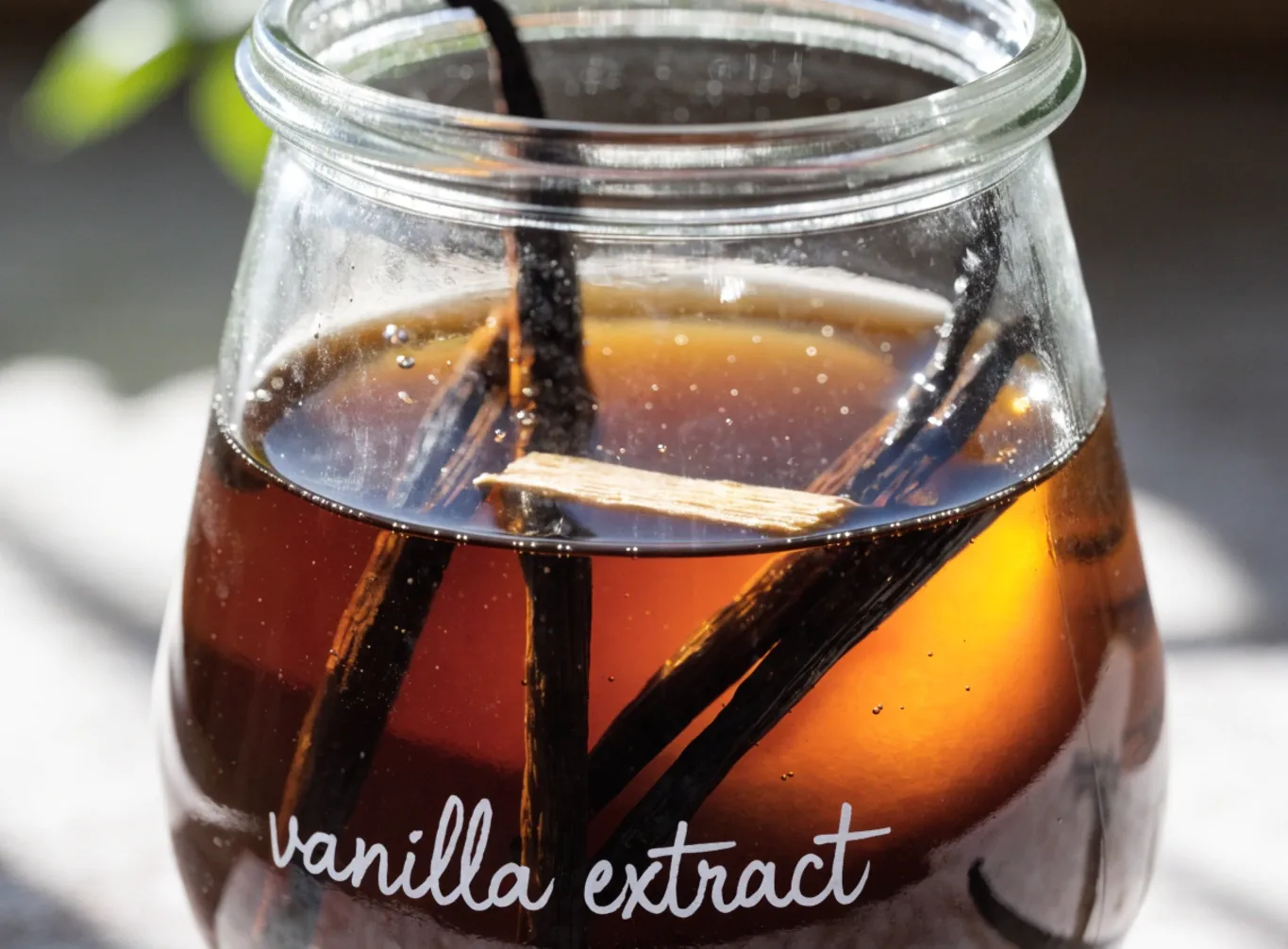
Once you’re comfortable with plain lemon extract, experiment by adding a vanilla bean, a few lavender buds, or a sprig of fresh rosemary to the infusion jar. These additions create unique flavor combinations that work well in specialty baking projects or cocktails. Keep the added ingredients minimal so they enhance rather than compete with the lemon.
Use It Beyond Baking
Lemon extract isn’t just for desserts. Add a few drops to salad dressings, marinades, or sparkling water for a burst of bright citrus flavor without the acidity of fresh lemon juice. It also works well in homemade limoncello or as a finishing touch in cream-based pasta sauces. The extract’s concentrated nature means a little goes a long way in savory applications.
Nutritional Profile of Lemon Extract
Lemon extract is used in such small quantities that it contributes negligible calories or macronutrients to recipes. A typical teaspoon contains about 12 calories, all from the alcohol, with no protein, carbohydrates, fat, or fiber. The alcohol content means it’s not suitable for anyone avoiding alcohol for health or personal reasons.
While lemon extract does contain trace amounts of lemon oil compounds like limonene, which have antioxidant properties, you won’t consume enough in normal use to provide meaningful nutritional benefits. The primary value lies in flavor enhancement rather than nutrition. If you need alcohol-free lemon flavoring, consider using lemon zest or lemon oil instead, though the flavor profile will differ slightly.
How to Serve and Enjoy Homemade Lemon Extract
Lemon extract shines in baked goods where you want concentrated citrus flavor without adding extra liquid. Use it in sugar cookies, glazes, buttercream frosting, cheesecakes, and quick breads. It also works beautifully in homemade lemon curd or mixed into whipped cream for a subtle citrus note.
For beverages, add a few drops to iced tea, lemonade, or cocktails to amplify the lemon flavor. The extract blends seamlessly into liquids and distributes evenly, unlike lemon zest which can clump. When substituting homemade extract for store-bought in recipes, start with the same amount and adjust to taste, as homemade versions can be more or less intense depending on infusion time.
Consider bottling your lemon extract in small decorative bottles to give as gifts. Pair it with a handwritten recipe card suggesting uses, or create a gift set with homemade vanilla extract for a thoughtful homemade present that any baker will appreciate.
How to Store Lemon Extract Properly
Once you strain out the lemon peels, transfer the finished extract to clean glass bottles with tight-fitting caps or corks. Dark glass bottles work best because they protect the extract from light degradation, which can weaken the flavor and aroma over time.
Store the bottles in a cool, dark cupboard or pantry away from heat sources like stoves or dishwashers. Properly stored lemon extract maintains its quality for up to a year, though the flavor may gradually mellow. The high alcohol content acts as a natural preservative, so refrigeration isn’t necessary. If you notice the extract developing an off smell or the color turning significantly darker, it’s time to make a fresh batch.
Always use clean utensils when measuring out extract to avoid introducing contaminants that could shorten its shelf life. If you make a large batch, consider dividing it among several smaller bottles so you’re not repeatedly opening and exposing the same container to air.
Frequently Asked Questions
Yes, you can use any neutral spirit with at least 40% alcohol content. Vodka is preferred because it has no flavor that competes with the lemon, but white rum or grain alcohol also work. Avoid using gin or flavored spirits, which will alter the final taste.
The extract is ready when the vodka has turned pale yellow and smells strongly of lemon, which typically takes four to six weeks. Taste a small amount—it should deliver concentrated lemon flavor without harshness. If it tastes weak or mostly like alcohol, let it infuse longer.
No, the lemon peels release most of their oils during the first infusion and won’t produce strong flavor a second time. Once you strain them out, compost them or discard them. Always start with fresh peels for each new batch to ensure proper flavor intensity.
No, homemade lemon extract does not require refrigeration because the high alcohol content naturally preserves it. Store it in a cool, dark cupboard in a tightly sealed bottle, and it will stay fresh for up to a year without losing quality.




Leave a Reply