

Making Homemade Vanilla extract is one of the simplest and most rewarding projects you can do in your kitchen. With just two ingredients, vanilla beans and alcohol, you can create a rich, aromatic extract that far surpasses anything you’ll find on store shelves. The process requires minimal effort but does need patience, as the vanilla beans steep slowly over several weeks to develop their complex, sweet flavor.
What makes homemade vanilla extract so appealing is not only its superior flavor but also its versatility. You control the strength, the type of alcohol base, and even the variety of vanilla beans. Whether you use vodka for a clean, neutral profile, bourbon for warmth and depth, or rum for a hint of sweetness, each choice creates a subtly different extract that can elevate everything from baked goods to coffee drinks.
The extract continues to improve with age, becoming darker and more concentrated the longer it sits. Once you start your first batch, you’ll never want to go back to store-bought vanilla again.
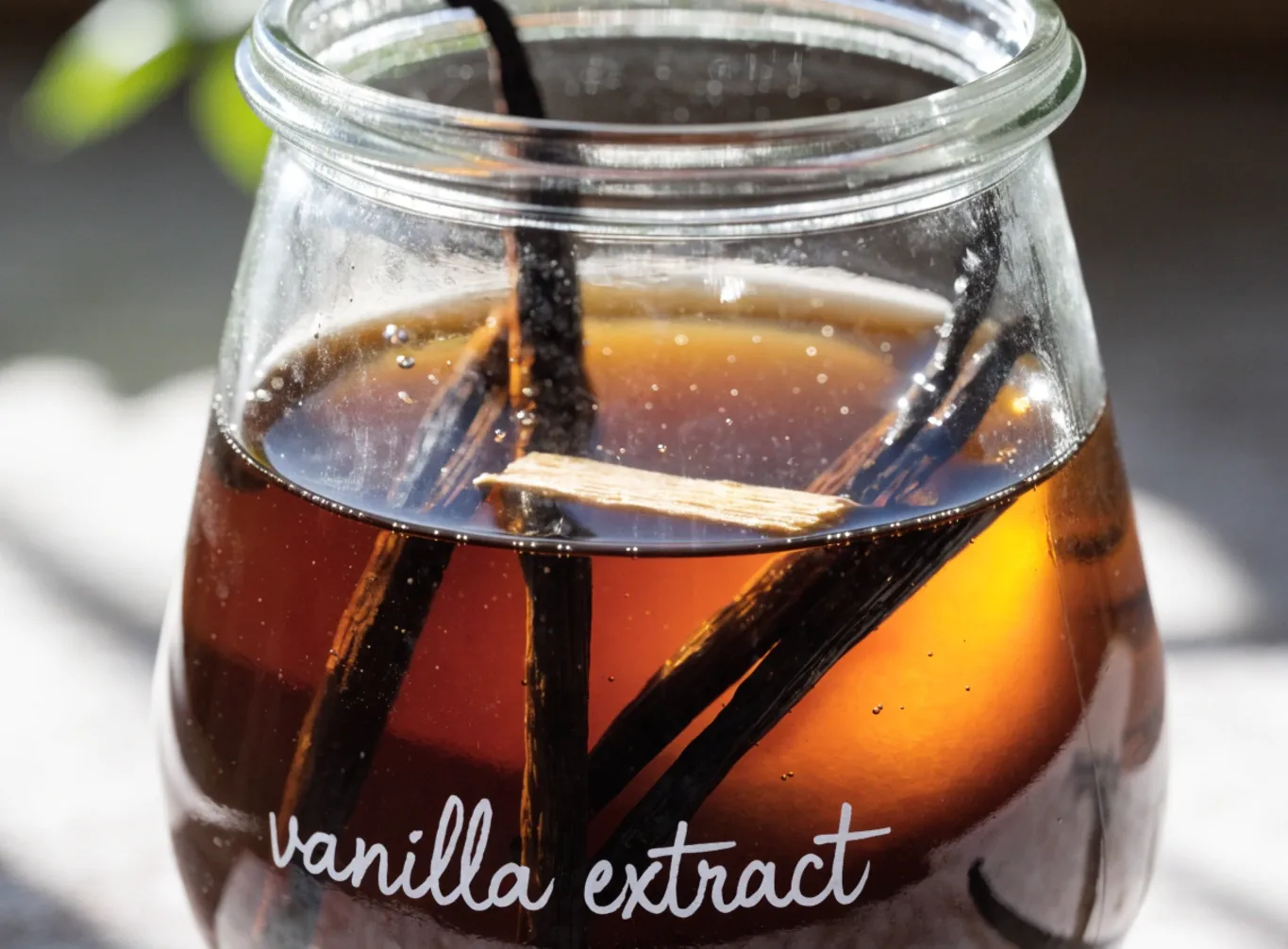
Table of contents
- Why You Will Love This Homemade Vanilla
- What You Need to Make Homemade Vanilla Extract
- How to Make the Best Homemade Vanilla Extract
- Tips for Making Stronger, Richer Homemade Vanilla
- Common Mistakes When Making Homemade Vanilla Extract
- How to Customize Your Homemade Vanilla Extract
- Nutrition and Health Benefits of Homemade Vanilla
- How to Use Homemade Vanilla Extract
- How to Store Homemade Vanilla Extract
- Frequently Asked Questions about Homemade Vanilla Recipe
Why You Will Love This Homemade Vanilla
- Uses only two simple ingredients with no additives or artificial flavoring.
- Produces a richer, more complex flavor than most commercial extracts.
- Becomes more potent over time and can be refilled indefinitely.
- Costs significantly less per ounce than premium store-bought vanilla extract.
What You Need to Make Homemade Vanilla Extract
The beauty of homemade vanilla extract lies in its simplicity. You only need a few basic items, but choosing the right ones makes a noticeable difference in the final product.
- Glass jar or bottle with a tight-fitting lid: A dark amber or clear glass jar works best because it protects the extract from light while allowing you to monitor the steeping process. An 8-ounce jar is ideal for a standard batch.
- Sharp knife or kitchen scissors: You’ll need this to split the vanilla beans lengthwise, which exposes the tiny seeds and speeds up the extraction process.
- Measuring cup: Precision matters when determining the alcohol-to-bean ratio, especially if you want a stronger or milder extract.
- Label and pen: Dating your batch helps you track the steeping time and know when the extract is ready to use.
How to Make the Best Homemade Vanilla Extract
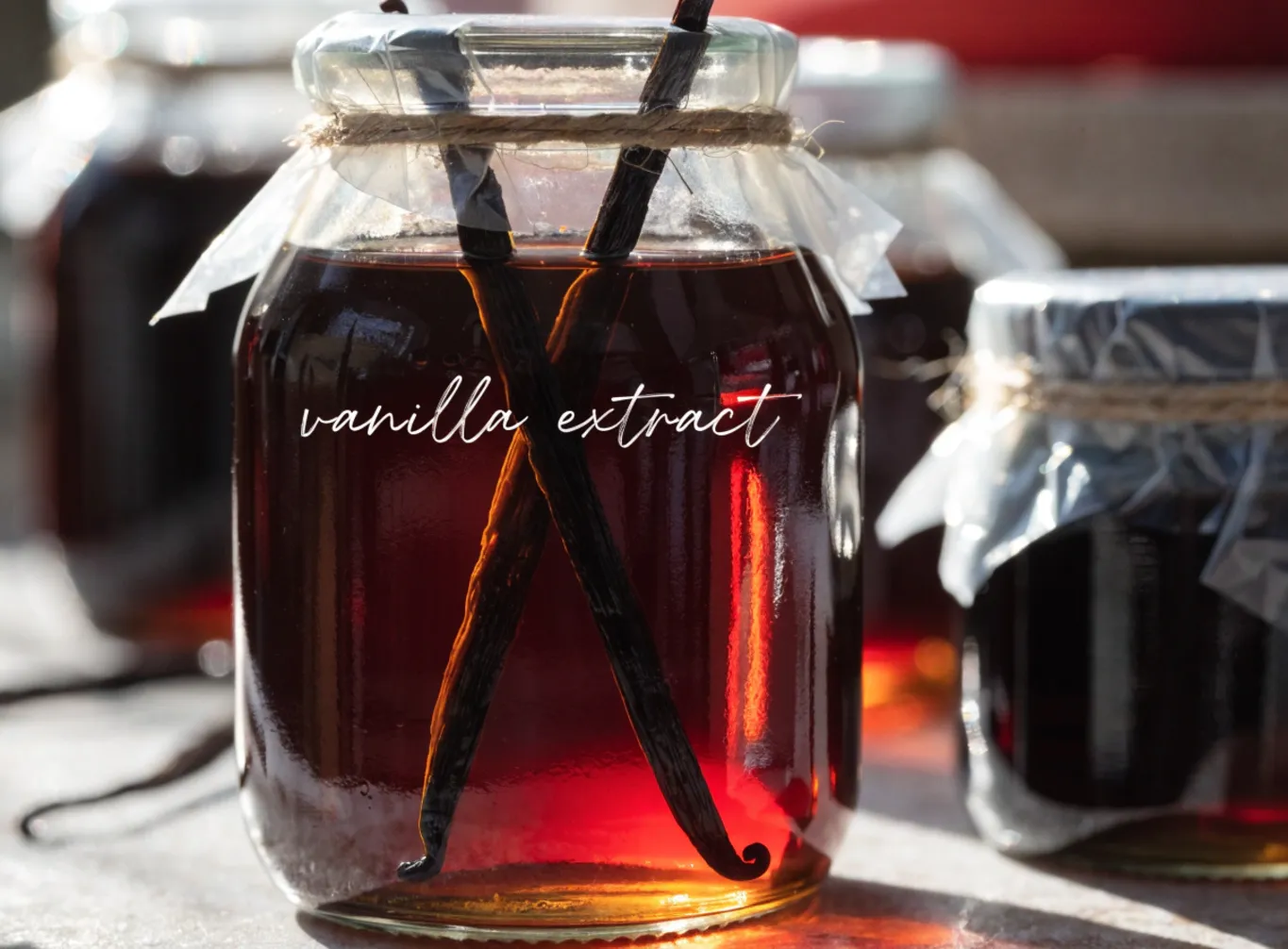
Homemade Vanilla Extract
4
servings30
minutes40
minutes300
kcalThis homemade vanilla extract uses just two ingredients and steeps for at least eight weeks to develop a rich, complex flavor. The extract improves with age and can be refilled indefinitely, making it a cost-effective and flavorful alternative to store-bought versions.
Keep the screen of your device on
Ingredients
5 whole vanilla beans
1 cup vodka
1 8-ounce glass jar
1 tablespoon bourbon
1 tablespoon rum
1 sharp knife
1 label
1 teaspoon simple syrup
Directions
- Prepare the vanilla beans by placing them on a cutting board and using a sharp knife to split each bean lengthwise from end to end, leaving the ends connected. This exposes the seeds inside and speeds up the extraction process.
- Place the split vanilla beans into the clean glass jar, making sure they’re fully submerged in the alcohol. If the beans are too long, cut them in half so they fit comfortably.
- Pour the vodka over the vanilla beans until they’re completely covered, leaving about half an inch of space at the top of the jar. If using bourbon or rum, you can replace up to half the vodka with your preferred alcohol.
- Seal the jar tightly and shake it gently for about 30 seconds to distribute the vanilla particles throughout the liquid.
- Label the jar with the date and store it in a cool, dark place such as a pantry or cupboard, away from direct sunlight and heat sources.
- Shake the jar gently once a week for the first eight weeks to redistribute the vanilla and encourage even extraction. You’ll notice the liquid darkening gradually over time.
Notes
- The standard ratio for quality vanilla extract is three to five vanilla beans per cup of alcohol, but using six to eight beans per cup creates a double-strength extract that requires less volume in recipes.
- Alcohol must be at least 35% ABV to extract vanilla flavor effectively. Vodka is the most neutral option, but bourbon adds warmth and rum introduces subtle sweetness.
- The extract will last indefinitely when stored in a sealed glass jar in a cool, dark place. You can keep topping up the jar with more alcohol as you use it, and the beans will continue to release flavor for years.
Nutrition Facts
- Serving Size: 1g
- Total number of serves: 32
- Calories: 12kcal
- Fat: 0g
- Carbohydrates: 0g
- Fiber: 0g
- Protein: 0g
Did you make this recipe?
Tag @therecipemasterblog on Instagram and hashtag it with #therecipemaster
Like this recipe?
Follow @therecipemasterblog on Pinterest
Follow us on Facebook!
Follow The Recipe Master on Facebook
Tips for Making Stronger, Richer Homemade Vanilla
The key to excellent Homemade Vanilla extract is understanding how the beans interact with the alcohol over time. The longer the beans steep, the more flavor compounds are released, creating a darker, more aromatic liquid.
Choose the Right Vanilla Beans
Vanilla beans vary in moisture content, flavor profile, and origin. Madagascar bourbon vanilla beans are the most common and offer a creamy, sweet flavor that works well in most recipes. Tahitian beans are floral and fruity, while Mexican beans have a bold, spicy character. Vanilla beans contain vanillin and other aromatic compounds that develop fully only when steeped in alcohol for an extended period.
Split the Beans Fully
Slicing each vanilla bean lengthwise from end to end exposes the interior caviar-like seeds and speeds up the extraction process. If you leave the beans whole, the steeping time increases significantly, and the flavor may remain weak even after several months. Make sure the cut goes through the entire length of the bean without separating it into two pieces.
Use the Right Alcohol Strength
Alcohol must be at least 35% ABV (70 proof) to extract vanilla flavor effectively. Vodka is the most neutral option and allows the pure vanilla flavor to shine. Bourbon adds warmth and a slight sweetness that complements baked goods, while rum introduces a subtle molasses note. Avoid using flavored vodkas or low-proof liqueurs, as they dilute the extraction process.
Store in a Cool, Dark Place
Light and heat degrade the flavor compounds in vanilla extract. Keep the jar in a pantry or cupboard away from the stove or windows. Shake the jar gently once a week to redistribute the vanilla particles and encourage even extraction.
Let It Steep for at Least Eight Weeks
While some recipes claim you can use vanilla extract after just a few weeks, the flavor remains thin and alcoholic at that stage. Waiting a full eight weeks allows the extract to develop a smooth, rounded flavor with minimal harshness. After six months, the extract becomes noticeably richer and more complex. You can leave the beans in the jar indefinitely, and the extract will continue to improve.
Common Mistakes When Making Homemade Vanilla Extract
Using Too Few Vanilla Beans
The standard ratio for quality extract is at least three to five vanilla beans per cup of alcohol. Using fewer beans results in a weak, watery extract that lacks depth. If you want a double-strength extract, increase the number of beans to six or eight per cup. The extract will be darker, more aromatic, and require less volume in recipes.
Not Shaking the Jar Regularly
Vanilla particles settle at the bottom of the jar during steeping. If you don’t shake the jar at least once a week, the extraction becomes uneven, and some beans may not release their full flavor. A gentle shake redistributes the liquid and ensures consistent strength throughout the batch.
Opening the Jar Too Soon
It’s tempting to test the extract after a few weeks, but opening the jar repeatedly allows air in and slows the extraction process. Wait at least eight weeks before using the extract, and avoid opening it frequently during the steeping period. Once the extract is ready, you can pour off what you need and top up the jar with more alcohol to keep the process going.
Storing in Plastic Containers
Alcohol can leach chemicals from plastic over time, which may affect the flavor and safety of the extract. Always use glass jars or bottles with non-reactive lids. If the lid has a plastic insert, make sure it’s food-safe and designed for alcohol storage.
How to Customize Your Homemade Vanilla Extract
Blend Different Vanilla Bean Varieties
Combining Madagascar and Tahitian beans creates a more complex flavor profile with both creamy and floral notes. You can also mix in a single Mexican bean for a hint of spice. Experimenting with different combinations allows you to tailor the extract to your baking style.
Make a Double-Strength Extract
If you bake frequently or want a more concentrated extract, double the number of vanilla beans per cup of alcohol. This produces a thicker, darker extract that requires only half the amount called for in most recipes. It’s especially useful for recipes where vanilla is the dominant flavor, such as vanilla buttercream or panna cotta.
Try Different Alcohol Bases
Vodka is neutral and lets the vanilla flavor dominate, but bourbon adds caramel and oak notes that enhance chocolate desserts and spice cakes. Rum brings a subtle sweetness that pairs well with tropical flavors like coconut and pineapple. You can even make multiple small batches with different alcohols and compare the results. If you enjoy experimenting with vanilla-based ingredients, you might also want to explore how to make vanilla paste for a thicker, seed-flecked alternative.
Add a Sweetener for Vanilla Flavoring
If you want to create a vanilla flavoring similar to imitation vanilla but with real beans, add a tablespoon of simple syrup or glycerin to the finished extract. This rounds out the flavor and reduces the sharpness of the alcohol, making it more versatile for uncooked applications like frosting or whipped cream.
Nutrition and Health Benefits of Homemade Vanilla
Homemade vanilla extract is used in such small quantities that it contributes negligible calories, carbohydrates, or fat to recipes. A typical teaspoon contains around 12 calories, most of which come from the alcohol. Once baked, much of the alcohol evaporates, leaving behind only the flavor compounds.
Vanilla contains trace amounts of vanillin, a natural antioxidant that has been studied for its potential anti-inflammatory properties. While the amounts in extract are minimal, using real vanilla instead of artificial flavoring ensures you’re getting the full spectrum of natural compounds found in the beans. Homemade extract also avoids the added sugars, corn syrup, and artificial colors sometimes found in commercial imitation vanilla.
How to Use Homemade Vanilla Extract
Homemade vanilla extract works in any recipe that calls for vanilla. Use it in cakes, cookies, muffins, pancakes, custards, and ice cream. It also enhances coffee, hot chocolate, smoothies, and oatmeal. Because homemade extract is often stronger than store-bought versions, start with slightly less than the recipe calls for and adjust to taste.
You can also use the spent vanilla beans after the extract is made. Rinse them, dry them completely, and bury them in a jar of sugar to make vanilla sugar. The beans still contain enough flavor to infuse the sugar over a few weeks, and the sugar can be used in baking, coffee, or tea.
How to Store Homemade Vanilla Extract
Store homemade vanilla extract in a tightly sealed glass jar or bottle in a cool, dark place such as a pantry or cupboard. The high alcohol content acts as a preservative, so the extract will last indefinitely as long as it’s kept away from heat and light. There’s no need to refrigerate it.
As you use the extract, you can top up the jar with more alcohol to keep the extraction process going. The beans will continue to release flavor for years, though you may want to add a fresh bean or two after the first year to maintain strength. If the extract becomes too strong, simply dilute it with a bit more alcohol.
If you notice any cloudiness or sediment at the bottom of the jar, that’s normal. It’s just vanilla particles and can be shaken back into the liquid or left to settle. The extract remains safe to use.
Frequently Asked Questions about Homemade Vanilla Recipe
Yes, you can reuse the beans. After steeping, rinse and dry the beans completely, then bury them in a jar of sugar to make vanilla sugar. The beans still contain enough flavor to infuse the sugar over a few weeks.
Homemade vanilla extract lasts indefinitely when stored in a sealed glass jar in a cool, dark place. The high alcohol content preserves the extract, and the flavor continues to improve over time. You can keep topping up the jar with more alcohol as you use it.
Yes, rum works well for vanilla extract and adds a subtle sweetness and molasses note. Choose a light or dark rum with at least 35% ABV. The extract will have a slightly different flavor profile than vodka-based extract but works beautifully in baked goods and desserts.
If your extract is still clear after several weeks, the beans may not have been split properly, the alcohol ratio may be too high, or the jar isn’t being shaken regularly. Make sure the beans are fully split lengthwise and shake the jar once a week. The extract should begin darkening noticeably after four weeks.



Leave a Reply