

If you’ve ever tasted authentic refried beans recipe made from scratch, you know there’s no comparison to the canned version. These creamy, flavorful beans are surprisingly simple to make at home, requiring just a handful of ingredients and about 30 minutes of active cooking time. The secret lies in cooking dried pinto beans until they’re perfectly tender, then mashing them with sautéed aromatics and just enough fat to create that signature smooth, spreadable texture that makes refried beans so irresistible.
What sets homemade refried beans apart is the depth of flavor you can build by controlling every element—from the amount of garlic and onion to the type of fat you use. Unlike store-bought versions that often contain preservatives and excess sodium, making your own means you know exactly what’s going into your food. The result is a side dish that’s rich without being heavy, with a texture you can adjust from chunky to silky smooth based on your preference.
Whether you’re serving them alongside tacos, using them as a base for nachos, or spreading them on a burrito, homemade refried beans bring an authentic Mexican flavor that elevates any meal. Once you see how straightforward the process is, you’ll never go back to opening a can.
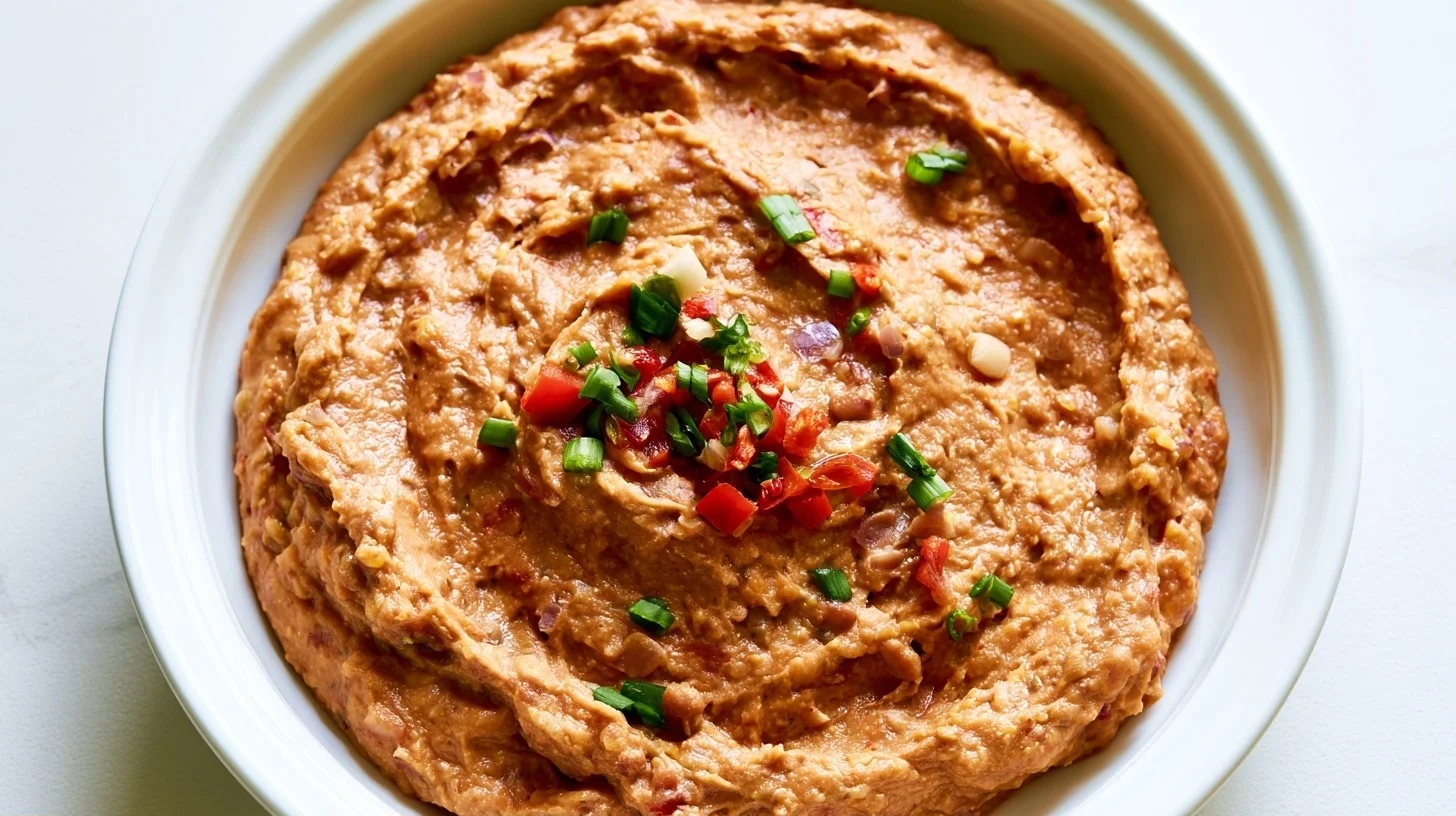
Table of contents
- Why You Will Love This Refried Beans Recipe
- Essential Equipment for Making Refried Beans Recipe
- How to Make Perfect Refried Beans from Scratch
- Expert Tips for the Creamiest Refried Beans Recipe
- Common Mistakes That Ruin Homemade Refried Beans Recipe
- Delicious Variations to Try
- Understanding the Nutrition in Refried Beans
- Best Ways to Serve Refried Beans
- How to Store and Reheat Refried Beans
- Frequently Asked Questions about Refried Beans Recipe
Why You Will Love This Refried Beans Recipe
- You control the texture completely, from rustic and chunky to restaurant-style smooth.
- The flavor is richer and more complex than anything you’ll find in a can, with aromatic garlic and onion cooked directly into the beans.
- They’re naturally vegetarian and can easily be made vegan by swapping the lard for vegetable oil.
- A single batch yields enough to serve a crowd or meal prep for the week, and they freeze beautifully.
Essential Equipment for Making Refried Beans Recipe
Making refried beans from scratch doesn’t require any specialized tools, but having the right equipment makes the process smoother and gives you better control over the final texture.
- Large heavy-bottomed pot or Dutch oven: Essential for cooking the dried beans evenly without scorching the bottom. The heavy base distributes heat uniformly, which prevents hot spots that can cause some beans to overcook while others remain firm.
- Large skillet or sauté pan: Used for frying the mashed beans with aromatics. A wide surface area allows moisture to evaporate quickly, which concentrates the flavors and creates the proper thick, creamy consistency.
- Potato masher or immersion blender: A potato masher gives you complete control over texture, letting you leave some beans whole for a rustic feel. An immersion blender creates silky smooth refried beans quickly, though it’s easy to overblend if you’re not careful.
- Fine mesh strainer: Useful for draining the cooked beans while reserving the flavorful cooking liquid, which you’ll add back gradually to reach your desired consistency.
How to Make Perfect Refried Beans from Scratch
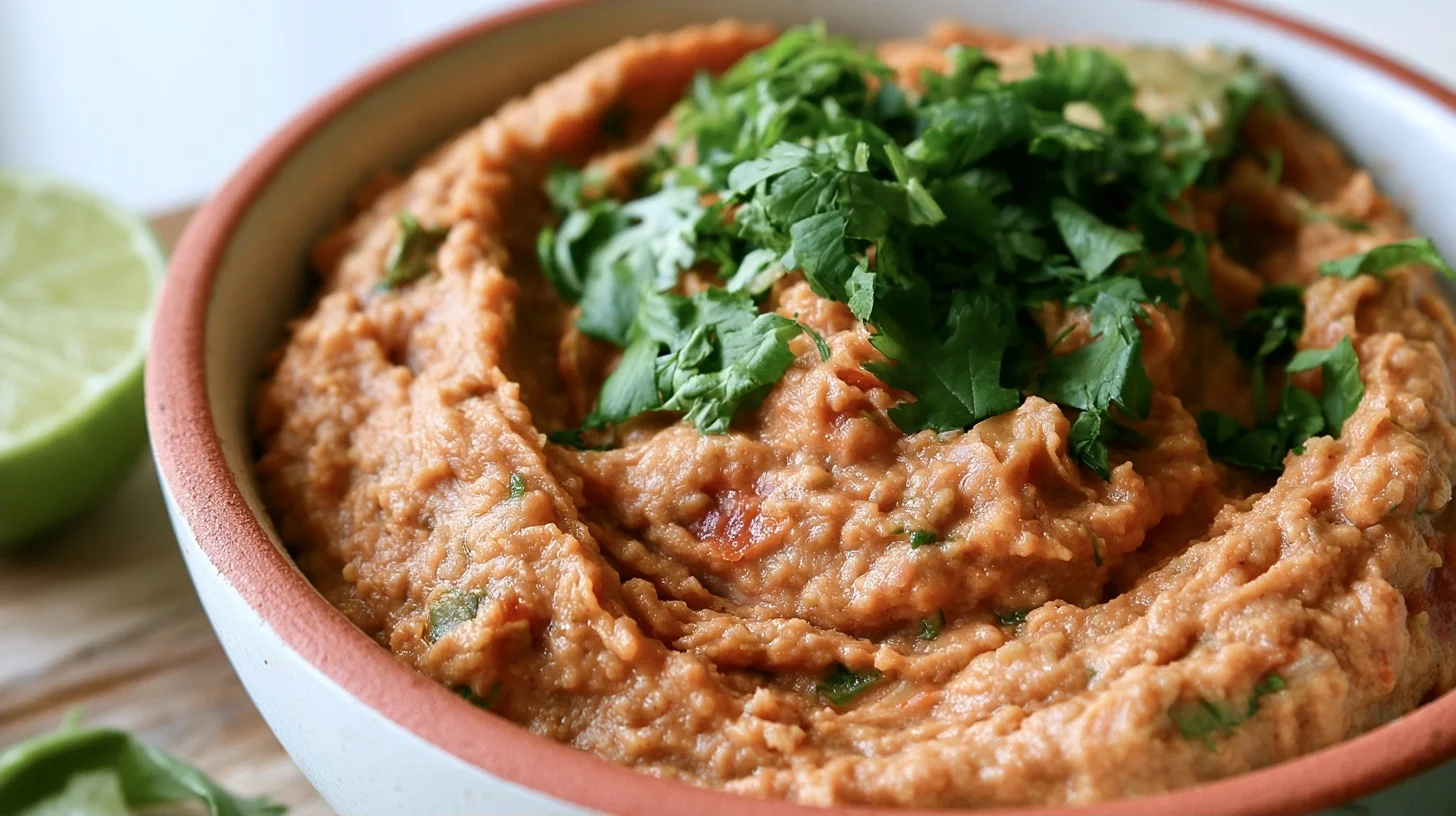
Homemade Refried Beans
8
servings10
minutes1
hour30
minutes180
kcalThese homemade refried beans are creamy, flavorful, and surprisingly simple to make from scratch. The key is cooking dried pinto beans until completely tender, then mashing them with sautéed garlic and onion in hot fat to create that signature smooth, spreadable texture that’s far superior to anything from a can.
Keep the screen of your device on
Ingredients
1 pound dried pinto beans
6 cups water
3 tablespoons lard or vegetable oil
1 medium yellow onion
4 cloves garlic
1 teaspoon ground cumin
1 teaspoon salt
0.5 teaspoon black pepper
0.25 cup fresh cilantro
Directions
- Place the sorted and rinsed pinto beans in a large heavy-bottomed pot and add 6 cups of water. Bring to a boil over high heat, then reduce to a gentle simmer. Cook uncovered for 60 to 90 minutes, stirring occasionally and adding more water if needed to keep the beans submerged, until the beans are completely tender and smash easily when pressed against the side of the pot with a spoon.
- Drain the cooked beans in a fine mesh strainer placed over a large bowl, reserving at least 2 cups of the cooking liquid. The starchy bean liquid is essential for achieving the right consistency later, so don’t discard it.
- Heat the lard or oil in a large skillet over medium heat until shimmering. Add the diced onion and cook for 4 to 5 minutes, stirring occasionally, until softened and translucent. The onion should be tender but not browned.
- Add the minced garlic and cumin to the skillet and cook for 30 seconds, stirring constantly, until fragrant. Be careful not to let the garlic burn, as it can turn bitter quickly.
- Add the drained beans to the skillet along with about half a cup of the reserved cooking liquid. Use a potato masher to mash the beans directly in the skillet, working them until you reach your desired consistency. For chunkier beans, mash less; for smooth beans, mash more thoroughly.
- Continue cooking the mashed beans over medium heat for 5 to 8 minutes, stirring frequently and gradually adding more reserved cooking liquid as needed to reach your preferred consistency. The beans should be thick enough to hold their shape on a spoon but loose enough to spread easily. Remember they will thicken as they cool.
Notes
- Refried beans thicken considerably as they cool, so aim for a consistency that looks slightly looser in the pan than you want on the plate.
- If you’re using canned beans to save time, drain and rinse three 15-ounce cans and skip directly to the frying step, using vegetable broth or water instead of bean cooking liquid.
- For ultra-smooth restaurant-style refried beans, use an immersion blender instead of a potato masher, pulsing in short bursts to avoid making the beans gluey.
Nutrition Facts
- Serving Size: 1 g
- Total number of serves: 8
- Calories: 180kcal
- Fat: 5g
- Carbohydrates: 28g
- Fiber: 7g
- Protein: 8g
Did you make this recipe?
Tag @therecipemasterblog on Instagram and hashtag it with #therecipemaster
Like this recipe?
Follow @therecipemasterblog on Pinterest
Follow us on Facebook!
Follow The Recipe Master on Facebook
Expert Tips for the Creamiest Refried Beans Recipe
The difference between mediocre and exceptional refried beans often comes down to a few key techniques that affect both flavor and texture.
Always Reserve Your Bean Cooking Liquid
The liquid your beans cook in is packed with starch and flavor that plain water can’t replicate. When you mash the beans, add this liquid back gradually until you reach your preferred consistency. Beans that seem too thick will firm up even more as they cool, so aim for a texture that’s slightly looser than you want in the final dish. If you run out of bean liquid, warm vegetable broth works as a substitute, though it won’t have quite the same depth.
Fat Is Essential for Authentic Texture
Traditional refried beans use lard, which creates an incredibly smooth, rich texture and adds authentic flavor. If you prefer a vegetarian version, use a neutral oil like avocado or vegetable oil, or try bacon fat for a smoky depth. Olive oil works but has a stronger flavor that changes the character of the dish. The fat should be heated until shimmering before you add the aromatics—this ensures the onion and garlic cook quickly and develop sweetness without becoming bitter.
Cook the Aromatics Until Fragrant
Sautéing the onion until it’s soft and translucent, then adding garlic just until fragrant, builds a flavor foundation that raw aromatics simply can’t provide. Garlic burns easily, so add it after the onion has softened and cook it for no more than 30 seconds. This brief cooking time releases the garlic’s aromatic oils without introducing bitterness. For an extra layer of flavor, try adding a teaspoon of ground cumin or a pinch of smoked paprika along with the garlic.
Adjust Consistency While the Beans Are Hot
Refried beans thicken considerably as they cool due to the starch in the beans setting up. If your beans look perfect in the pan but turn paste-like after 10 minutes, they were too thick to begin with. The ideal consistency while cooking is loose enough that the beans slowly spread when you spoon them onto a plate, similar to thick pancake batter. You can always thicken beans that are too loose by cooking them a few minutes longer, but it’s harder to thin beans that have already cooled and set.
For more Mexican-inspired recipes that pair beautifully with refried beans, try this layered taco dip that uses refried beans as its flavorful base.
Common Mistakes That Ruin Homemade Refried Beans Recipe
Adding Salt Too Early When Cooking Dried Beans
Adding salt at the beginning of the cooking process can prevent beans from softening properly. Salt strengthens the pectin in bean skins, which keeps them firm even after extended cooking. This results in beans that remain chalky or mealy inside no matter how long you simmer them. Instead, add salt only after the beans are completely tender, usually during the mashing and frying stage. If you’re using canned beans, this isn’t a concern since they’re already cooked and salted.
Mashing Beans When They’re Undercooked
Beans need to be completely tender before you mash them, or you’ll end up with a grainy, unpleasant texture. Test a bean by pressing it against the side of the pot with a spoon—it should smash easily with almost no resistance. Undercooked beans will feel firm in the center and won’t break down smoothly no matter how much you mash them. If you’re unsure, it’s better to cook the beans an extra 15 minutes than to rush this step. Properly cooked beans will mash into a creamy consistency with minimal effort.
Using Too Much Liquid All at Once
It’s tempting to add a lot of cooking liquid right away to make mashing easier, but this often results in beans that are too soupy and take forever to thicken. Start with just a few tablespoons of liquid and mash the beans, then gradually add more until you reach the consistency you want. Remember that beans will continue to absorb liquid as they sit, so what looks slightly loose in the pan will firm up perfectly once plated. If you accidentally add too much liquid, simply cook the beans over medium heat for a few extra minutes, stirring frequently, until enough moisture evaporates.
Skipping the Frying Step
The name “refried beans” comes from the Spanish “frijoles refritos,” which actually means “well-fried beans,” not fried twice. This frying step in hot fat is what transforms plain cooked beans into refried beans. Skipping it and just mashing the beans with liquid gives you mashed beans, which lack the rich, concentrated flavor and creamy texture that frying provides. The hot fat coats the starch molecules and creates a silky mouthfeel while the high heat caramelizes the natural sugars in the beans and aromatics. Even just 5 minutes of frying makes a noticeable difference.
Delicious Variations to Try
Black Bean Refried Beans Recipe
Swap pinto beans for black beans to create a version with a slightly earthier, more robust flavor. Black beans produce refried beans with a darker color and a firmer texture even when fully mashed. They pair especially well with cumin and a squeeze of fresh lime juice stirred in at the end. The cooking time remains the same, though black beans sometimes need an extra 10 to 15 minutes to reach full tenderness.
Spicy Jalapeño Refried Beans
Add one or two finely diced jalapeños to the pan along with the onion for a version with a gentle kick. If you want more heat, leave some of the seeds in—most of the capsaicin is concentrated in the white ribs and seeds. For a smokier heat, use a diced chipotle pepper in adobo sauce instead, which also adds a subtle sweetness and deep smoky flavor. Start with half a pepper and taste before adding more, as chipotles can be quite potent.
Vegan Refried Beans
Replace lard with a neutral vegetable oil or refined coconut oil to make the recipe completely plant-based. Avocado oil is an excellent choice because it has a high smoke point and a mild flavor that won’t compete with the beans. You won’t lose much in terms of texture, though the beans may be slightly less rich. Adding a tablespoon of nutritional yeast along with the garlic provides a subtle umami depth that compensates for the absence of animal fat.
Restaurant-Style Smooth Refried Beans Recipe
For an ultra-smooth texture like you’d find at a Mexican restaurant, use an immersion blender instead of a potato masher. Blend the beans directly in the skillet after adding the initial liquid, then continue cooking to thicken them to your desired consistency. Be careful not to overblend, which can make the beans gluey. Pulse in short bursts and check the texture frequently. Some restaurants also strain their refried beans through a fine mesh sieve for an exceptionally silky result, though this is more work than most home cooks want to invest.
Understanding the Nutrition in Refried Beans
Refried beans are a nutritious side dish that provides a solid amount of plant-based protein and fiber. A typical serving contains around 180 calories, with about 8 grams of protein and 7 grams of fiber, making them surprisingly filling. The fiber content supports digestive health and helps stabilize blood sugar levels, which is why beans are often recommended as part of a balanced diet.
The fat content varies depending on the type and amount of fat used in preparation. Traditional refried beans made with lard contain more saturated fat, while versions made with vegetable oil are lower in saturated fat and contain more unsaturated fats. If you’re watching sodium intake, making refried beans from scratch gives you complete control over salt levels, unlike canned versions which can contain 400 to 500 milligrams of sodium per serving.
Pinto beans are also a good source of folate, iron, magnesium, and potassium. According to Medical News Today, pinto beans contain antioxidants that may help reduce inflammation and support heart health. The complex carbohydrates in beans provide sustained energy without causing rapid spikes in blood sugar, making them a smart choice for anyone managing their energy levels throughout the day.
Best Ways to Serve Refried Beans
Refried beans are incredibly versatile and work in dozens of Mexican and Tex-Mex dishes. Serve them as a classic side alongside rice, grilled meats, or enchiladas. They’re also the perfect base layer for nachos, providing a creamy foundation that holds toppings in place and adds substance to every bite.
Spread a thick layer of warm refried beans inside a burrito or quesadilla for added protein and moisture. They work beautifully in breakfast dishes too—try them alongside scrambled eggs with a dollop of sour cream and fresh salsa, or spread them on a tostada topped with fried eggs, avocado, and queso fresco. For a quick snack, warm refried beans make an excellent dip for tortilla chips, especially when topped with melted cheese, diced tomatoes, and sliced jalapeños.
Refried beans also pair well with fresh toppings that add contrasting texture and brightness. Try garnishing with crumbled cotija cheese, chopped cilantro, diced white onion, a squeeze of lime juice, or a drizzle of Mexican crema. These fresh elements cut through the richness of the beans and add layers of flavor that make the dish more complex and interesting.
How to Store and Reheat Refried Beans
Store leftover refried beans in an airtight container in the refrigerator for up to 5 days. They’ll thicken considerably as they cool, which is completely normal. When you’re ready to use them, reheat the beans in a saucepan over medium-low heat, stirring frequently and adding a splash of water, broth, or bean cooking liquid to loosen the consistency. Stir often to prevent scorching on the bottom of the pan.
You can also reheat smaller portions in the microwave. Place the beans in a microwave-safe bowl, add a tablespoon or two of liquid, cover loosely, and heat in 30-second intervals, stirring between each interval until heated through. The microwave method works well for quick meals but requires more frequent stirring to ensure even heating.
Refried beans freeze exceptionally well for up to 3 months. Let them cool completely, then transfer to freezer-safe containers or heavy-duty freezer bags, pressing out as much air as possible. Freeze in portion sizes that match how you’ll use them—individual servings for quick lunches or larger portions for family meals. Thaw frozen beans overnight in the refrigerator, then reheat using either the stovetop or microwave method. The texture may be slightly thicker after freezing, so be prepared to add a bit more liquid during reheating.
Frequently Asked Questions about Refried Beans Recipe
Yes, you can use canned pinto beans to save time. Drain and rinse three 15-ounce cans of pinto beans, then proceed directly to the frying step with the aromatics. Since canned beans are already cooked and salted, you’ll need less cooking time and should taste before adding additional salt. The texture will be slightly different from beans cooked from scratch, but the flavor will still be much better than store-bought refried beans.
Refried beans turn out watery when too much liquid is added during mashing or when they haven’t been cooked long enough after mashing. To fix watery beans, continue cooking them over medium heat while stirring frequently until enough moisture evaporates and they reach your desired thickness. Remember that beans thicken as they cool, so they should look slightly looser in the pan than you want them on the plate.
Soaking dried pinto beans overnight reduces cooking time by about 30 minutes and can make them easier to digest for some people. However, it’s not required. If you skip soaking, simply add an extra 30 to 45 minutes to the cooking time and make sure the beans are completely tender before mashing.
Traditional refried beans use lard, which creates the richest flavor and smoothest texture. For a vegetarian version, use a neutral oil like avocado, vegetable, or canola oil, which produces excellent results with a lighter taste. Bacon fat adds a smoky depth, while olive oil works but has a more pronounced flavor that changes the character of the dish. The type of fat is largely a matter of personal preference and dietary needs.






Leave a Reply