

There’s a reason the toll house cookie recipe has remained America’s most beloved chocolate chip cookie for nearly a century. Created in the 1930s at the Toll House Inn in Massachusetts, this recipe delivers perfectly balanced cookies with crisp golden edges, soft chewy centers, and melty chocolate in every bite. The secret lies in the precise ratio of butter to sugar and the careful creaming process that creates the ideal texture without any chilling time required.
What makes this particular cookie special is how the butter and sugar ratio creates a cookie that spreads just enough to develop those signature crispy edges while staying thick in the middle. The combination of granulated and brown sugar adds both structure and moisture, while the vanilla extract enhances the buttery flavor that makes these cookies so irresistible straight from the oven.
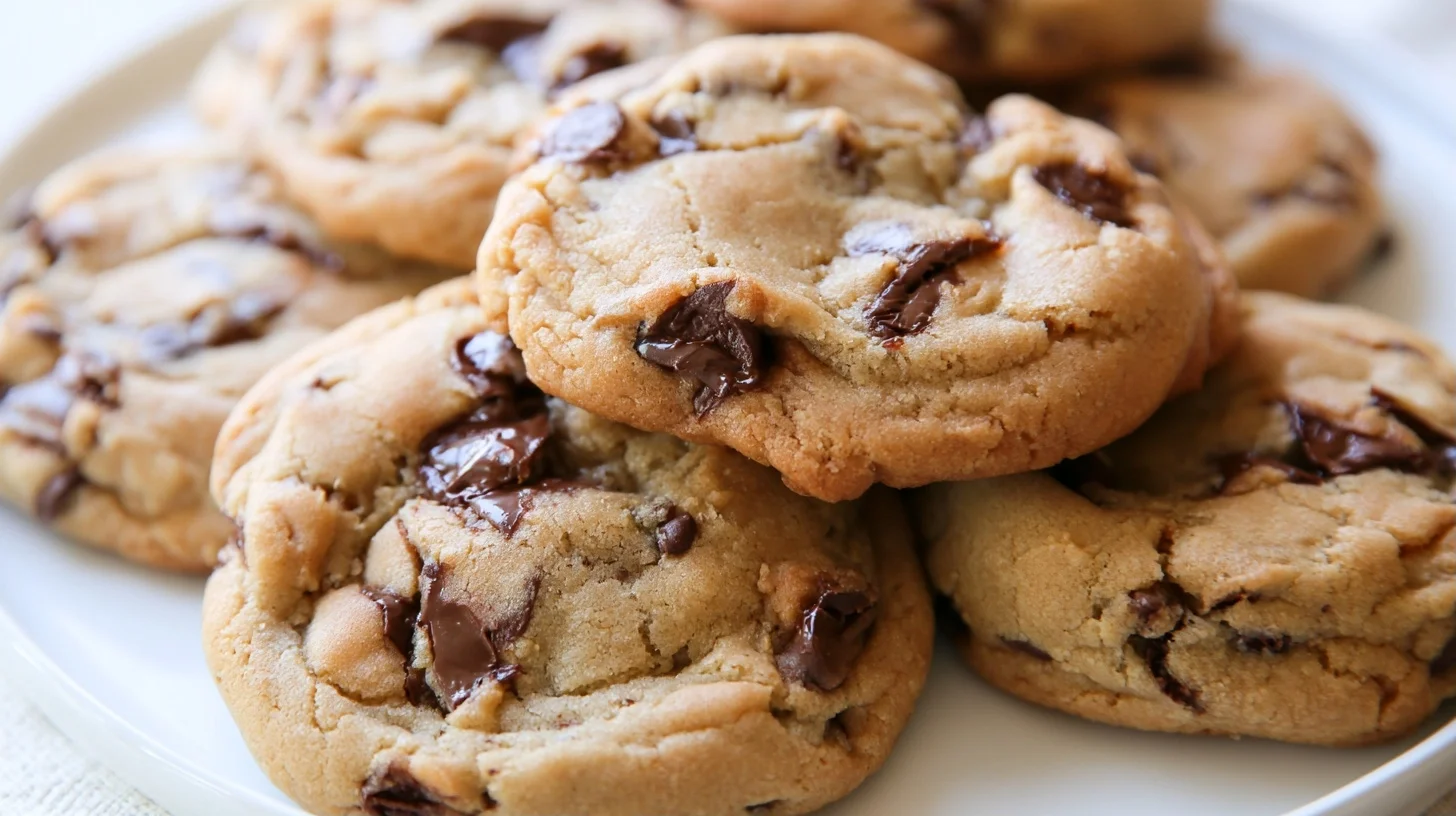
Table of contents
- Why You Will Love This Toll House Cookie Recipe
- Essential Equipment for Perfect Toll House Cookies
- How to Make the Original Toll House Cookie Recipe
- Expert Tips for the Best Toll House Cookies Every Time
- Common Mistakes That Ruin Toll House Cookies
- Ways to Customize Your Toll House Cookies
- Understanding the Nutrition in Toll House Cookies
- How to Serve Toll House Cookies Recipe
- How to Store Toll House Cookies Properly
- Frequently Asked Questions about Toll House Cookie Recipe
Why You Will Love This Toll House Cookie Recipe
- No chilling required means you can have warm cookies in under 30 minutes from start to finish.
- The precise butter-to-sugar ratio creates cookies with crispy edges and soft centers every single time.
- Simple pantry ingredients combine to create the classic chocolate chip cookie flavor that never goes out of style.
- The recipe scales easily whether you’re baking one dozen or four dozen cookies for a crowd.
Essential Equipment for Perfect Toll House Cookies
Having the right equipment makes a noticeable difference in how evenly your cookies bake and how consistently they turn out batch after batch.
- Stand mixer or hand mixer: Proper creaming of the butter and sugar creates air pockets that give the cookies their texture, and a mixer ensures even incorporation without overworking the dough.
- Baking sheets: Use light-colored aluminum sheets rather than dark pans, which can cause the bottoms to brown too quickly before the centers finish baking.
- Parchment paper or silicone baking mats: These prevent sticking and promote even browning without adding extra fat that would change how the cookies spread.
- Cookie scoop: A 1.5-tablespoon scoop creates uniformly sized cookies that bake at the same rate, preventing some from burning while others stay underdone.
- Wire cooling rack: Cooling cookies on a rack instead of the baking sheet stops the cooking process and prevents soggy bottoms from trapped steam.
How to Make the Original Toll House Cookie Recipe
Toll House Cookie Recipe
48
servings15
minutes10
minutes150
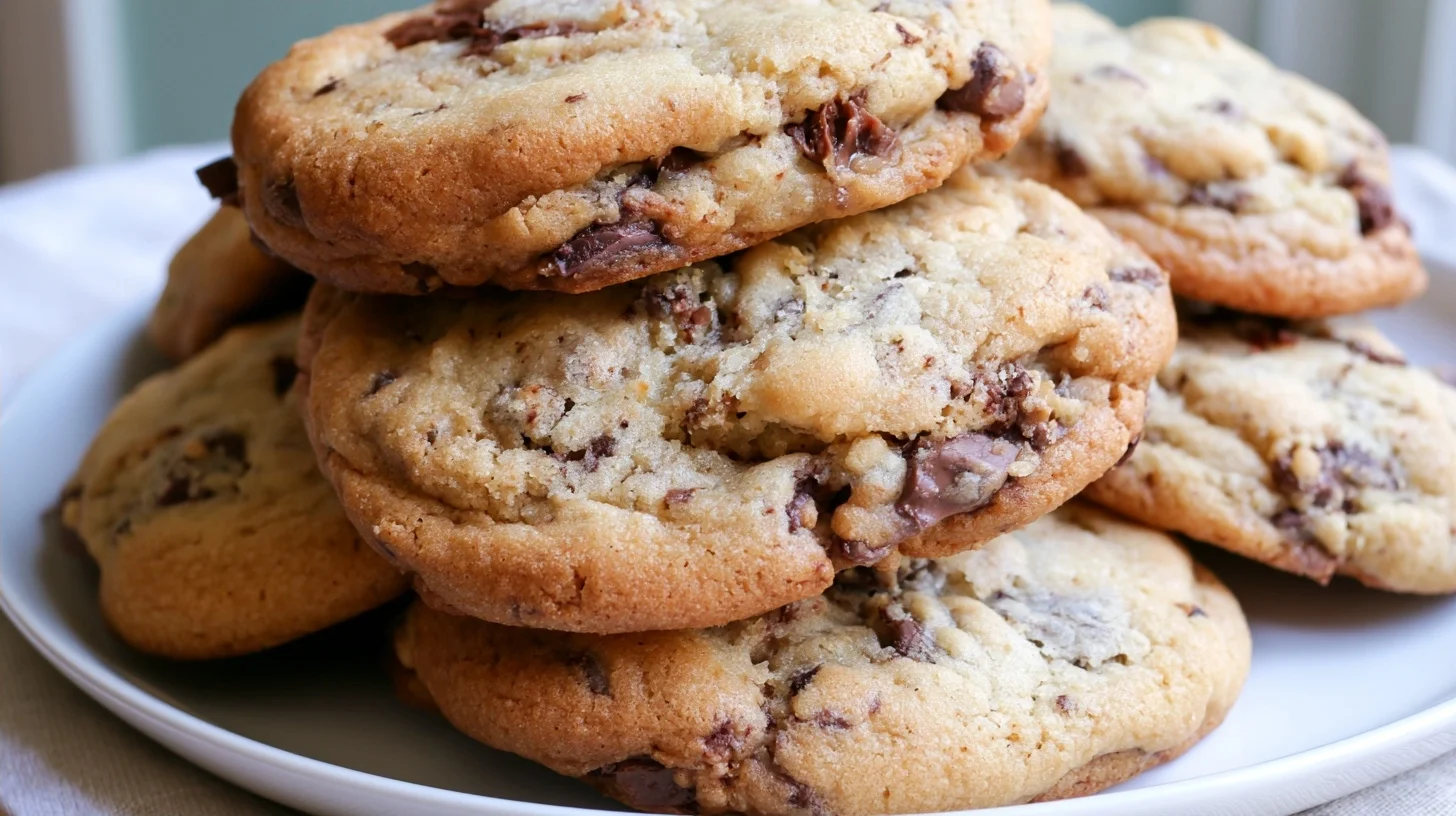
kcalThe original toll house cookie recipe creates perfectly balanced chocolate chip cookies with crispy golden edges and soft chewy centers. The key is the precise butter-to-sugar ratio and proper creaming technique, which develops the ideal texture without any chilling time required.
Keep the screen of your device on
Ingredients
2.25 cups all-purpose flour
1 teaspoon baking soda
1 teaspoon salt
1 cup unsalted butter
0.75 cup granulated sugar
0.75 cup packed brown sugar
2 large eggs
2 teaspoons vanilla extract
2 cups semi-sweet chocolate chips
1 cup chopped walnuts
Directions
- Preheat your oven to 375°F and line two baking sheets with parchment paper or silicone baking mats. This temperature creates the right balance between setting the cookie structure and allowing proper spreading.
- Combine the flour, baking soda, and salt in a small bowl and whisk together until evenly distributed. Setting this aside ensures the leavening agent and salt get incorporated uniformly throughout the dough.
- Beat the softened butter, granulated sugar, and brown sugar in a large bowl with a mixer on medium speed for 3 to 4 minutes until the mixture is light, fluffy, and pale in color. This creaming process incorporates air that creates the cookie’s tender texture.
- Add the eggs one at a time, beating well after each addition, then mix in the vanilla extract. The mixture should look smooth and cohesive, not curdled or separated.
- Gradually stir in the flour mixture on low speed or by hand until just combined, with no visible streaks of flour remaining. Overmixing at this stage develops too much gluten and makes the cookies tough.
- Fold in the chocolate chips and walnuts if using, distributing them evenly throughout the dough without overworking it.
Notes
- Removing cookies from the oven when the centers still look slightly underdone prevents overbaking, as carryover cooking on the hot baking sheet continues for 2 to 3 minutes and creates the perfect contrast between crispy edges and soft centers.
- If your cookies consistently spread too thin, measure flour by spooning it into the measuring cup and leveling it off rather than scooping directly from the bag, which compacts the flour and can add up to 25% more than intended.
- Store cooled cookies in an airtight container at room temperature for up to 5 days, or freeze unbaked dough balls for up to 3 months and bake directly from frozen, adding 2 to 3 minutes to the baking time.
Nutrition Facts
- Serving Size: 1g
- Total number of serves: 48
- Calories: 150kcal
- Fat: 7g
- Carbohydrates: 21g
- Fiber: 1g
- Protein: 2g
Did you make this recipe?
Tag @therecipemasterblog on Instagram and hashtag it with #therecipemaster
Like this recipe?
Follow @therecipemasterblog on Pinterest
Follow us on Facebook!
Follow The Recipe Master on Facebook
Expert Tips for the Best Toll House Cookies Every Time
The original toll house cookie recipe succeeds because of a few key techniques that ensure consistent results. Understanding why each step matters helps you troubleshoot any issues and adapt the recipe to your preferences.
Cream the Butter and Sugar Until Light and Fluffy
This step typically takes 3 to 4 minutes with a stand mixer and creates the foundation for the cookie’s texture. The creaming process incorporates air into the butter, which expands during baking to create a tender crumb. If you under-cream, the cookies will be dense and flat. If you over-cream, they may spread too thin and become greasy.
Use Room Temperature Butter
Butter should be soft enough to leave a slight indent when pressed but not so warm that it’s shiny or greasy. Cold butter won’t cream properly, creating lumps that lead to uneven texture. Melted butter changes the cookie structure entirely, causing excessive spread and a crispy rather than chewy texture. If you forgot to soften your butter, cut it into small pieces and let it sit for 15 minutes rather than microwaving it.
Don’t Skip the Baking Soda and Salt Mixture
Mixing the baking soda and salt with the flour before adding it to the wet ingredients ensures even distribution throughout the dough. Baking soda creates lift and helps the cookies spread to the right thickness, while salt balances the sweetness and enhances the chocolate flavor. Uneven distribution can cause some cookies to rise more than others or taste flat in certain bites.
Add Chocolate Chips Last and Mix Gently
Fold the chocolate chips in by hand or use the lowest mixer speed for just a few seconds. Overmixing at this stage develops too much gluten, making the cookies tough instead of tender. The chocolate chips should be evenly distributed but the dough should still look slightly rough rather than completely smooth.
Space Cookies Properly on the Baking Sheet
Leave at least 2 inches between each cookie to allow for spreading. Crowding the pan causes cookies to bake into each other and creates uneven edges. Baking smaller batches with proper spacing produces better results than trying to fit too many cookies on one sheet. If you’re interested in other cookie variations with different textures, this s’mores cookie recipe offers a fun twist on the classic chocolate chip approach.
Watch for the Right Doneness Cues
Remove the cookies when the edges are golden brown but the centers still look slightly underdone and puffy. They will continue cooking on the hot baking sheet for another 2 to 3 minutes after you remove them from the oven. This carryover cooking is what creates the perfect contrast between crispy edges and soft centers. If you wait until the centers look completely done in the oven, they’ll be overbaked and dry once they cool.
Common Mistakes That Ruin Toll House Cookies
Using Cold Eggs Straight from the Refrigerator
Cold eggs don’t blend smoothly into the creamed butter and sugar, which can cause the mixture to look curdled or separated. This creates an uneven dough that doesn’t emulsify properly, leading to cookies with inconsistent texture. To fix this, let eggs sit at room temperature for 30 minutes before baking, or place them in a bowl of warm water for 5 minutes. The dough should look smooth and cohesive after the eggs are added, not grainy or broken.
Measuring Flour by Scooping Directly from the Bag
Scooping flour directly with a measuring cup compacts it, adding up to 25% more flour than the recipe intends. This makes the cookies dry, thick, and cakey instead of chewy. The correct method is to fluff the flour with a spoon, spoon it into the measuring cup, and level it off with a knife. If your cookies consistently turn out too thick or dry, flour measurement is usually the culprit.
Baking All the Dough on Hot Baking Sheets
Placing cookie dough on a baking sheet that’s still hot from the previous batch causes the butter to melt before the cookies go into the oven. This leads to excessive spreading and thin, greasy cookies. Let baking sheets cool completely between batches, or use multiple sheets and rotate them. Running the used sheet under cold water speeds up cooling but make sure it’s completely dry before adding more dough.
Opening the Oven Door Repeatedly During Baking
Each time you open the oven door, the temperature drops by 25 to 50 degrees Fahrenheit, which disrupts the baking process and causes uneven results. The cookies may spread too much before they set, or they may not brown properly. Set a timer and resist checking until the minimum baking time has passed. If you must check, do it quickly during the last minute of baking when the structure has already set.
Ways to Customize Your Toll House Cookies
The original toll house cookie recipe serves as a versatile base that adapts well to different flavor preferences and dietary needs.
Add Chopped Nuts for Extra Texture
Stir in 1 cup of chopped walnuts or pecans along with the chocolate chips. The nuts add a buttery crunch that complements the soft cookie texture. Toast the nuts in a dry skillet for 3 to 4 minutes before adding them to intensify their flavor and make them more aromatic.
Try Different Types of Chocolate
Replace half the semi-sweet chocolate chips with dark chocolate chips for a more intense chocolate flavor with less sweetness, or use milk chocolate chips for a sweeter, creamier result. You can also chop a chocolate bar into irregular chunks instead of using chips, which creates pockets of melted chocolate with varied texture throughout each cookie.
Make Brown Butter Toll House Cookies
Brown the butter in a saucepan over medium heat until it smells nutty and turns amber colored, then let it cool to room temperature before using it in the recipe. This adds a deep, toasted flavor that makes the cookies taste more complex without changing the texture. According to Nestlé’s history of the toll house cookie, variations like this have kept the recipe relevant for generations of bakers.
Adjust the Sweetness Level
Reduce the granulated sugar by 2 tablespoons if you prefer a less sweet cookie that lets the chocolate flavor stand out more. The cookies will still spread and bake properly, but they’ll have a more balanced sweetness that appeals to people who find traditional chocolate chip cookies too sugary.
Create Gluten-Free Toll House Cookies
Substitute a 1-to-1 gluten-free flour blend for the all-purpose flour. Look for blends that contain xanthan gum, which helps replicate the structure that gluten normally provides. The cookies may spread slightly less and have a more crumbly texture, but the flavor remains very close to the original.
Understanding the Nutrition in Toll House Cookies
Each toll house cookie contains approximately 150 calories, with about 7 grams of fat, 21 grams of carbohydrates, and 2 grams of protein. The cookies get most of their calories from butter and sugar, which create the tender texture and sweet flavor. The chocolate chips add additional sugar and fat, contributing about 40 calories per cookie.
The fiber content is relatively low at around 1 gram per cookie because all-purpose flour is refined and doesn’t contain the bran that provides fiber. If you want to increase the fiber, you can replace up to one-third of the all-purpose flour with whole wheat flour, though this will make the cookies slightly denser and give them a nuttier flavor. The sugar content is about 12 grams per cookie, which includes both the added sugars and the natural sugars in the chocolate.
How to Serve Toll House Cookies Recipe
Toll house cookies are best served warm, about 10 minutes after they come out of the oven, when the chocolate is still melty and the texture is at its softest. Pair them with a cold glass of milk, which cuts through the sweetness and complements the buttery flavor. For a more indulgent dessert, serve warm cookies with a scoop of vanilla ice cream and a drizzle of chocolate sauce.
These cookies also work well as part of a dessert platter alongside brownies, blondies, or other bar cookies. If you’re serving them at a party, arrange them on a platter with a small bowl of sea salt flakes on the side so guests can sprinkle a pinch on top, which enhances the chocolate flavor and adds a sophisticated touch. For breakfast or brunch gatherings, serve them alongside coffee or hot chocolate.
How to Store Toll House Cookies Properly
Store cooled toll house cookies in an airtight container at room temperature for up to 5 days. Layer them with parchment paper between each layer to prevent sticking. Adding a slice of bread to the container helps maintain moisture and keeps the cookies soft, as the cookies will absorb moisture from the bread. Replace the bread slice every 2 days to prevent mold.
For longer storage, freeze the baked cookies in a freezer-safe container or zip-top bag for up to 3 months. Let them thaw at room temperature for about 30 minutes before serving, or warm them in a 300°F oven for 5 minutes to restore the fresh-baked texture. You can also freeze the unbaked cookie dough by scooping it into balls, freezing them on a baking sheet until solid, then transferring them to a freezer bag. Bake frozen dough balls directly from the freezer, adding 2 to 3 minutes to the baking time.
Frequently Asked Questions about Toll House Cookie Recipe
Yes, you can use salted butter, but reduce the added salt in the recipe to 1/4 teaspoon to prevent the cookies from tasting too salty. Unsalted butter gives you more control over the final flavor balance.
Cookies spread too much when the butter is too warm, the dough is placed on hot baking sheets, or there’s too much sugar relative to flour. Make sure your butter is softened but not melted, cool your baking sheets between batches, and measure flour by spooning and leveling rather than scooping.
Yes, you can refrigerate the dough for up to 3 days or freeze it for up to 3 months. Refrigerated dough may need to sit at room temperature for 10 minutes before scooping, and frozen dough balls can be baked directly from the freezer with 2 to 3 extra minutes of baking time.
The original toll house recipe uses a specific ratio of butter, granulated sugar, and brown sugar that creates cookies with crispy edges and soft centers without requiring chilling time. Many modern recipes add extra brown sugar for chewier cookies or chill the dough to control spreading, but the toll house recipe achieves balanced texture through the creaming method alone.







Leave a Reply