

If you’re craving a fresh, vibrant meal that brings together flaky fish, crunchy slaw, and bold flavors in every bite, these fish tacos recipe are exactly what you need. Unlike heavy fried versions, this recipe keeps things light and satisfying with pan-seared fish that’s crispy on the outside and tender inside. The secret is in the simple seasoning and quick cooking method that locks in moisture while creating a golden crust. Whether you’re looking for a quick weeknight dinner or a crowd-pleasing dish for your next gathering, these tacos deliver restaurant-quality results without the fuss.
What makes this recipe stand out is the balance between the smoky, slightly charred fish and the cool, tangy slaw that cuts through the richness. You’ll also get a creamy sauce that ties everything together, plus warm tortillas that hold it all without falling apart. The whole meal comes together in about 30 minutes, making it practical for busy schedules without sacrificing flavor or texture.
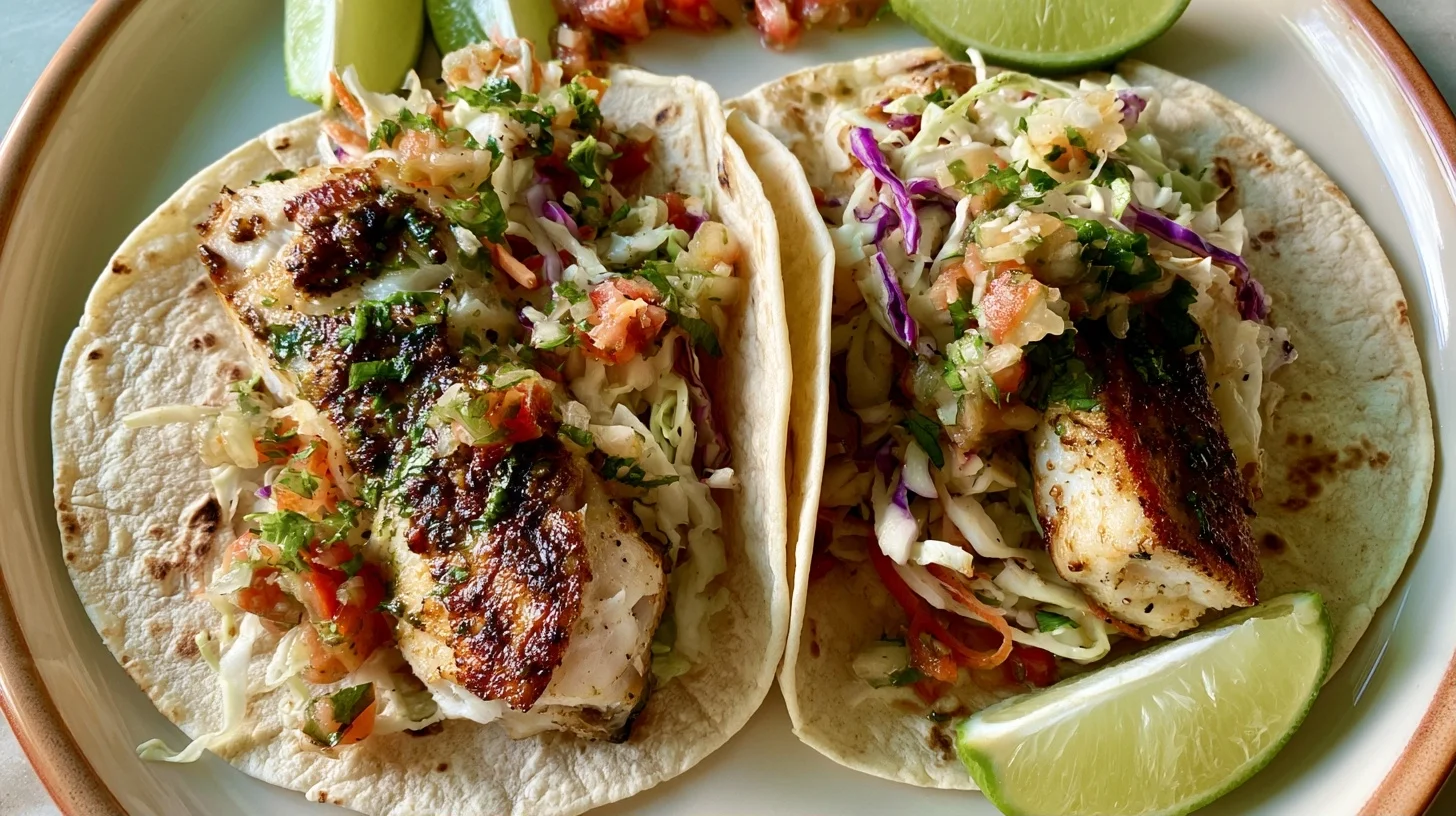
Table of contents
- Why You Will Love These Fish Tacos Recipe
- Essential Equipment for Perfect Fish Tacos
- How to Make the Best Fish Tacos Recipe at Home
- How to Get Crispy Fish Tacos Every Time
- Common Fish Tacos Recipe Mistakes and How to Fix Them
- Fish Taco Variations to Try
- Nutrition in Fish Tacos
- How to Serve Fish Tacos Recipe
- How to Store and Reheat Fish Tacos
- Frequently Asked Questions about Fish Tacos Recipe
Why You Will Love These Fish Tacos Recipe
- Ready in 30 minutes from start to finish, perfect for busy weeknights.
- Pan-searing the fish creates a crispy crust without deep frying, keeping the dish lighter.
- The tangy cabbage slaw adds crunch and balances the richness of the fish and sauce.
- Easily customizable with your choice of white fish and your preferred level of heat.
Essential Equipment for Perfect Fish Tacos
You don’t need specialized tools to make excellent fish tacos, but a few key pieces will make the process smoother and help you achieve better texture and flavor.
- Large skillet or cast iron pan: A heavy-bottomed pan distributes heat evenly, which is essential for getting a golden sear on the fish without overcooking the center.
- Wide spatula: A thin, wide spatula helps you flip delicate fish fillets without breaking them apart.
- Mixing bowls: You’ll need at least two—one for the slaw and one for the creamy sauce.
- Sharp knife: A sharp knife makes slicing cabbage and cutting fish into taco-sized portions much easier and safer.
- Tongs: Useful for warming tortillas directly over a gas flame or in a hot skillet.
How to Make the Best Fish Tacos Recipe at Home
Fish Tacos
4
servings15
minutes10
minutes380
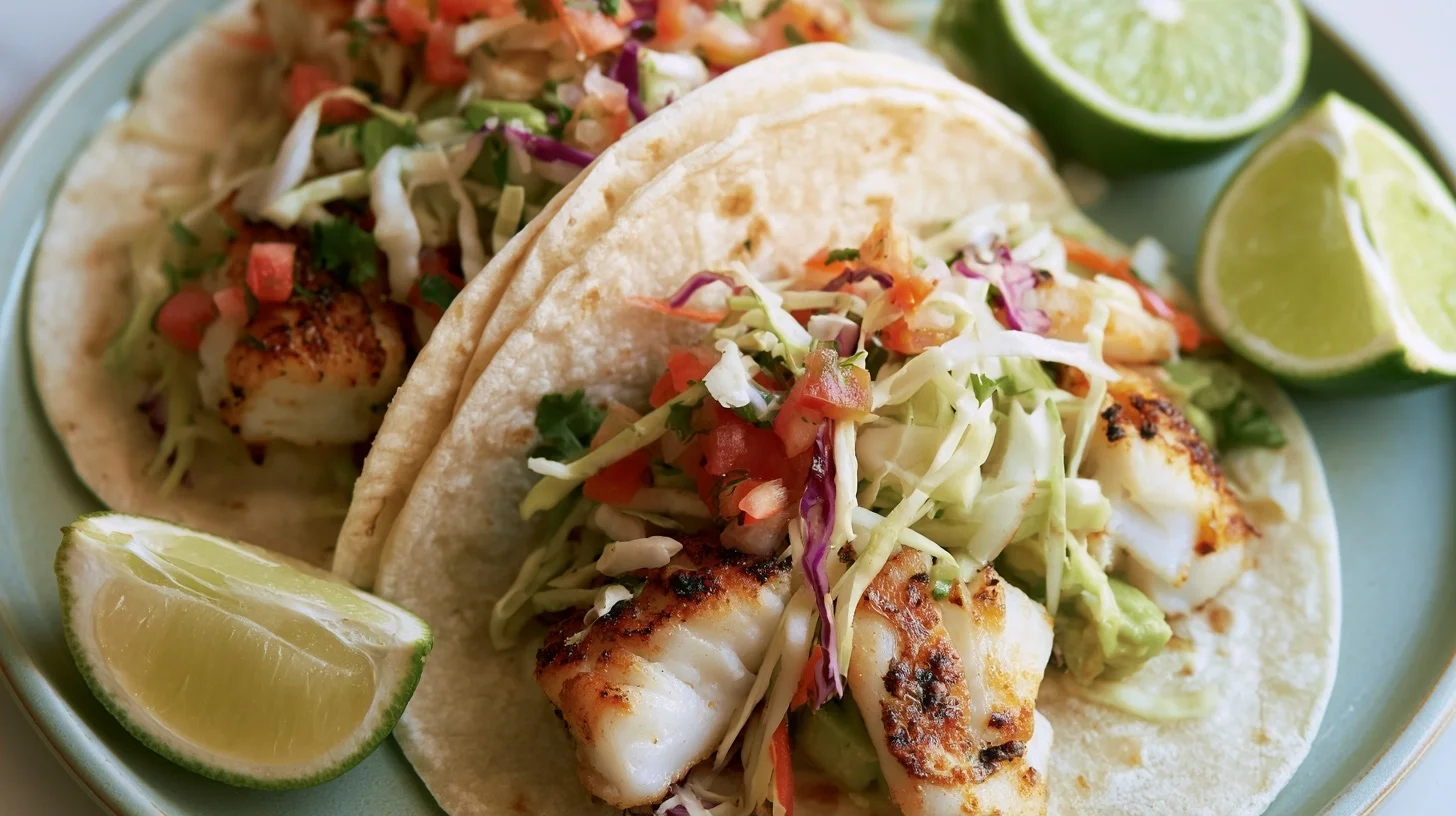
kcalThese fish tacos feature crispy pan-seared white fish with a golden crust, tangy cabbage slaw, and a creamy lime sauce, all wrapped in warm tortillas. The key to success is patting the fish completely dry before seasoning, which allows the spices to adhere and helps create a crispy exterior without deep frying.
Keep the screen of your device on
Ingredients
1.5 lbs firm white fish fillets
2 teaspoons chili powder
1 teaspoon ground cumin
1 teaspoon garlic powder
0.5 teaspoon paprika
0.5 cup sour cream
2 tablespoons lime juice
2 cups shredded green cabbage
0.25 cup fresh cilantro
8 small corn or flour tortillas
2 tablespoons vegetable oil
1 teaspoon salt
Directions
- Pat the fish fillets completely dry with paper towels and season both sides generously with chili powder, cumin, garlic powder, paprika, and half the salt. Removing surface moisture is essential for creating a crispy crust instead of steaming the fish.
- Make the creamy sauce by whisking together the sour cream, lime juice, and a pinch of salt in a small bowl until smooth. Set aside in the refrigerator while you prepare the other components.
- Toss the shredded cabbage with the remaining salt and half the cilantro in a medium bowl. Let it sit for at least 10 minutes to soften slightly and allow the flavors to develop.
- Heat the vegetable oil in a large skillet over medium-high heat until it shimmers. The pan should be hot enough that a drop of water sizzles immediately when it hits the surface.
- Place the fish fillets in the hot skillet and cook without moving them for 3 to 4 minutes. The fish will release naturally from the pan when a crust has formed, so resist the urge to flip too early.
- Flip the fish carefully using a wide spatula and cook for another 3 to 4 minutes on the second side until the fish is opaque throughout and flakes easily with a fork. The internal temperature should reach 145°F.
Notes
- Patting the fish completely dry before seasoning prevents steaming and allows the fish to develop a golden, crispy crust in the pan.
- If the creamy sauce is too thick to drizzle, thin it with a teaspoon of water or extra lime juice until it reaches a pourable consistency.
- Store leftover components separately in airtight containers in the refrigerator for up to 2 days. Reheat the fish gently in a skillet to maintain the best texture.
Nutrition Facts
- Serving Size: 1 g
- Total number of serves: 4
- Calories: 380kcal
- Fat: 12g
- Carbohydrates: 38g
- Fiber: 4g
- Protein: 28g
Did you make this recipe?
Tag @therecipemasterblog on Instagram and hashtag it with #therecipemaster
Like this recipe?
Follow @therecipemasterblog on Pinterest
Follow us on Facebook!
Follow The Recipe Master on Facebook
How to Get Crispy Fish Tacos Every Time
The key to crispy fish tacos is removing surface moisture before seasoning and cooking. Pat the fish fillets completely dry with paper towels before you season them. Excess moisture creates steam in the pan, which prevents the fish from developing a golden, crispy crust. Once the fillets are dry, season them generously and let them sit for a few minutes so the spices adhere to the surface.
Use High Heat and Don’t Move the Fish
Heat your skillet over medium-high heat until it’s hot enough that a drop of water sizzles immediately. Add oil and let it shimmer before placing the fish in the pan. Once the fish hits the pan, resist the urge to move it. Letting it cook undisturbed for 3 to 4 minutes allows the proteins to release naturally from the pan and form a crust. If you try to flip too early, the fish will stick and tear.
Choose the Right Fish
Firm white fish works best for fish tacos because it holds together during cooking and has a mild flavor that pairs well with bold toppings. Cod, mahi-mahi, tilapia, and halibut are all excellent choices. Avoid delicate fish like sole or flounder, which tend to fall apart when flipped. If you’re using frozen fish, thaw it completely in the refrigerator overnight and pat it very dry before cooking.
Make the Slaw Ahead
The cabbage slaw benefits from sitting for at least 15 minutes before serving. This resting time allows the cabbage to soften slightly and the flavors to meld. You can make the slaw up to 4 hours ahead and store it in the refrigerator. If you’re preparing it in advance, add the cilantro just before serving so it stays fresh and vibrant. For more Mexican-inspired dishes, try pairing these tacos with birria tacos for a flavorful taco night spread.
Warm Your Tortillas Properly
Cold tortillas tear easily and don’t have the same texture as warm ones. Warm your tortillas directly over a gas flame for about 15 seconds per side until they develop light char marks, or heat them in a dry skillet over medium heat for about 30 seconds per side. Stack the warmed tortillas in a clean kitchen towel to keep them soft and pliable while you finish cooking the fish.
Common Fish Tacos Recipe Mistakes and How to Fix Them
Overcooking the Fish
Overcooked fish becomes dry and rubbery, which ruins the texture of your tacos. Fish cooks quickly—usually just 3 to 4 minutes per side depending on thickness. The fish is done when it flakes easily with a fork and reaches an internal temperature of 145°F. The center should be opaque but still moist. If you’re worried about overcooking, remove the fish from the heat when it’s just slightly translucent in the very center, as it will continue cooking from residual heat.
Using Too Much Sauce
While the creamy sauce adds richness and flavor, using too much makes the tacos soggy and messy to eat. Drizzle about 1 to 2 tablespoons of sauce per taco, focusing on the fish itself rather than saturating the tortilla. You can always serve extra sauce on the side for those who want more. If your sauce is too thick to drizzle, thin it with a teaspoon of water or lime juice until it reaches a pourable consistency.
Skipping the Slaw
The cabbage slaw isn’t just a topping—it provides essential texture contrast and cuts through the richness of the fish and sauce. Tacos without slaw can feel heavy and one-dimensional. The slaw adds crunch, acidity, and freshness that balance the other components. If you don’t like cabbage, thinly sliced radishes or jicama can provide similar crunch and freshness.
Not Seasoning Enough
Fish has a mild flavor, so it needs generous seasoning to stand up to the other bold ingredients in the taco. Season both sides of the fish liberally with your spice blend, and don’t forget to season the slaw and sauce as well. Taste each component before assembling the tacos and adjust the salt, lime juice, or spices as needed. Well-seasoned individual components create a more flavorful final dish.
Fish Taco Variations to Try
Grilled Fish Tacos Recipe
Instead of pan-searing, you can grill the fish over medium-high heat for a smokier flavor. Oil the grill grates well and cook the fish for 3 to 4 minutes per side without moving it. Grilled fish develops char marks and a slightly different texture than pan-seared fish. This method works especially well for firmer fish like mahi-mahi or swordfish.
Blackened Fish Tacos
For a spicier, more intensely flavored version, use a blackening spice blend with extra paprika, cayenne, garlic powder, and oregano. Cook the fish in a very hot cast iron skillet to create a dark, flavorful crust. The blackening technique creates a bolder flavor profile that pairs well with cooling toppings like avocado or extra sour cream.
Baja-Style Battered Fish Tacos
For a more traditional Baja-style taco, dip the fish in a light beer batter and deep fry until golden and crispy. The batter creates an extra-crunchy coating that contrasts beautifully with the soft tortilla and creamy sauce. This version is richer and more indulgent than pan-seared fish tacos. To learn more about the origins of tacos and their cultural significance, check out the history of the taco.
Shrimp or Salmon Tacos Recipe
You can replace the white fish with shrimp or salmon for a different flavor. Shrimp cook even faster than fish—about 2 minutes per side—and develop a sweet, slightly briny flavor. Salmon has a richer, fattier texture and pairs well with a spicier slaw or a mango salsa. Both options work with the same seasoning and sauce used in this recipe.
Nutrition in Fish Tacos
Fish tacos are a relatively light meal, especially when made with pan-seared fish instead of fried. A typical serving of two tacos provides around 380 calories, with about 28 grams of protein from the fish. The protein content makes these tacos satisfying and helps keep you full longer. The fish also provides omega-3 fatty acids, which support heart and brain health.
The carbohydrates in this recipe come primarily from the tortillas and the small amount of sugar in the slaw dressing, totaling about 38 grams per serving. The fat content is moderate at around 12 grams, mostly from the oil used for cooking and the creamy sauce. You can reduce the fat further by using Greek yogurt instead of sour cream in the sauce or by using less oil when cooking the fish.
The cabbage slaw adds fiber and vitamins without many calories, making it a nutritious component of the dish. If you’re watching sodium, be mindful of the salt in the seasoning and the sauce, and adjust to your preference. Overall, fish tacos offer a balanced meal with lean protein, complex carbs, and plenty of vegetables.
How to Serve Fish Tacos Recipe
Fish tacos are best served immediately while the fish is still warm and the tortillas are soft. Set up a taco bar with all the components—seasoned fish, warm tortillas, cabbage slaw, creamy sauce, and fresh toppings like lime wedges, cilantro, diced avocado, and sliced radishes. Let everyone assemble their own tacos so they can customize the toppings to their taste.
For side dishes, consider serving Mexican rice, black beans, or a simple corn salad. Chips and guacamole or a fresh tomato salsa also pair well. If you’re serving a crowd, you can keep the cooked fish warm in a 200°F oven while you finish cooking the remaining batches. Just be careful not to leave it in the oven too long, as the fish can dry out.
Fish tacos also work well for casual gatherings, taco nights, or weeknight dinners. They’re easy to scale up or down depending on how many people you’re serving. For drinks, try pairing them with a light beer, a margarita, or a citrusy agua fresca.
How to Store and Reheat Fish Tacos
Store leftover components separately to maintain the best texture and flavor. Place the cooked fish in an airtight container and refrigerate for up to 2 days. Store the cabbage slaw, creamy sauce, and any fresh toppings in separate containers as well. The tortillas can be wrapped in foil or placed in a resealable bag and stored at room temperature for up to 2 days or refrigerated for up to a week.
To reheat the fish, place it in a skillet over medium heat for 2 to 3 minutes, flipping once, until warmed through. You can also reheat it in a 350°F oven for about 5 to 7 minutes. Avoid microwaving the fish if possible, as it can become rubbery. Warm the tortillas just before serving using the same method you used initially—over a flame or in a dry skillet.
Fish tacos don’t freeze well once assembled because the tortillas and toppings become soggy. However, you can freeze the cooked, seasoned fish on its own for up to 2 months. Thaw it in the refrigerator overnight and reheat gently before assembling fresh tacos.
Frequently Asked Questions about Fish Tacos Recipe
Firm white fish like cod, mahi-mahi, tilapia, or halibut work best for fish tacos because they hold together during cooking and have a mild flavor that pairs well with bold toppings. Avoid delicate fish like sole or flounder, which tend to fall apart when flipped.
Yes, you can use frozen fish for fish tacos. Thaw it completely in the refrigerator overnight and pat it very dry with paper towels before seasoning and cooking. Removing excess moisture is essential for achieving a crispy crust.
To prevent soggy fish tacos, warm your tortillas just before serving, use only 1 to 2 tablespoons of sauce per taco, and make sure the fish is well-drained after cooking. Assembling the tacos right before eating also helps maintain the best texture.
You can prepare the components ahead of time, but it’s best to assemble the tacos just before serving. Cook the fish and make the slaw and sauce up to 4 hours in advance, then store them separately in the refrigerator. Reheat the fish gently and warm the tortillas right before assembling.







Leave a Reply