

A great coleslaw dressing recipe can transform a simple bowl of shredded cabbage into a vibrant, crunchy side dish that complements everything from barbecue to fried chicken. The secret lies in balancing tangy, sweet, and creamy elements so the dressing clings to the vegetables without making them soggy. This version uses a mayonnaise base enriched with apple cider vinegar and a touch of honey, creating a dressing that’s both rich and bright. The result is a coleslaw that stays crisp for hours, making it ideal for potlucks, picnics, and meal prep.
Unlike store-bought versions that often taste flat or overly sweet, this homemade dressing allows you to control the flavor intensity and adjust the sweetness or acidity to your preference. The addition of Dijon mustard adds depth and a subtle sharpness that keeps the dressing from tasting one-dimensional. Whether you’re serving it alongside pulled pork sandwiches or as a refreshing side for grilled fish, this coleslaw dressing delivers consistent flavor without overwhelming the vegetables.
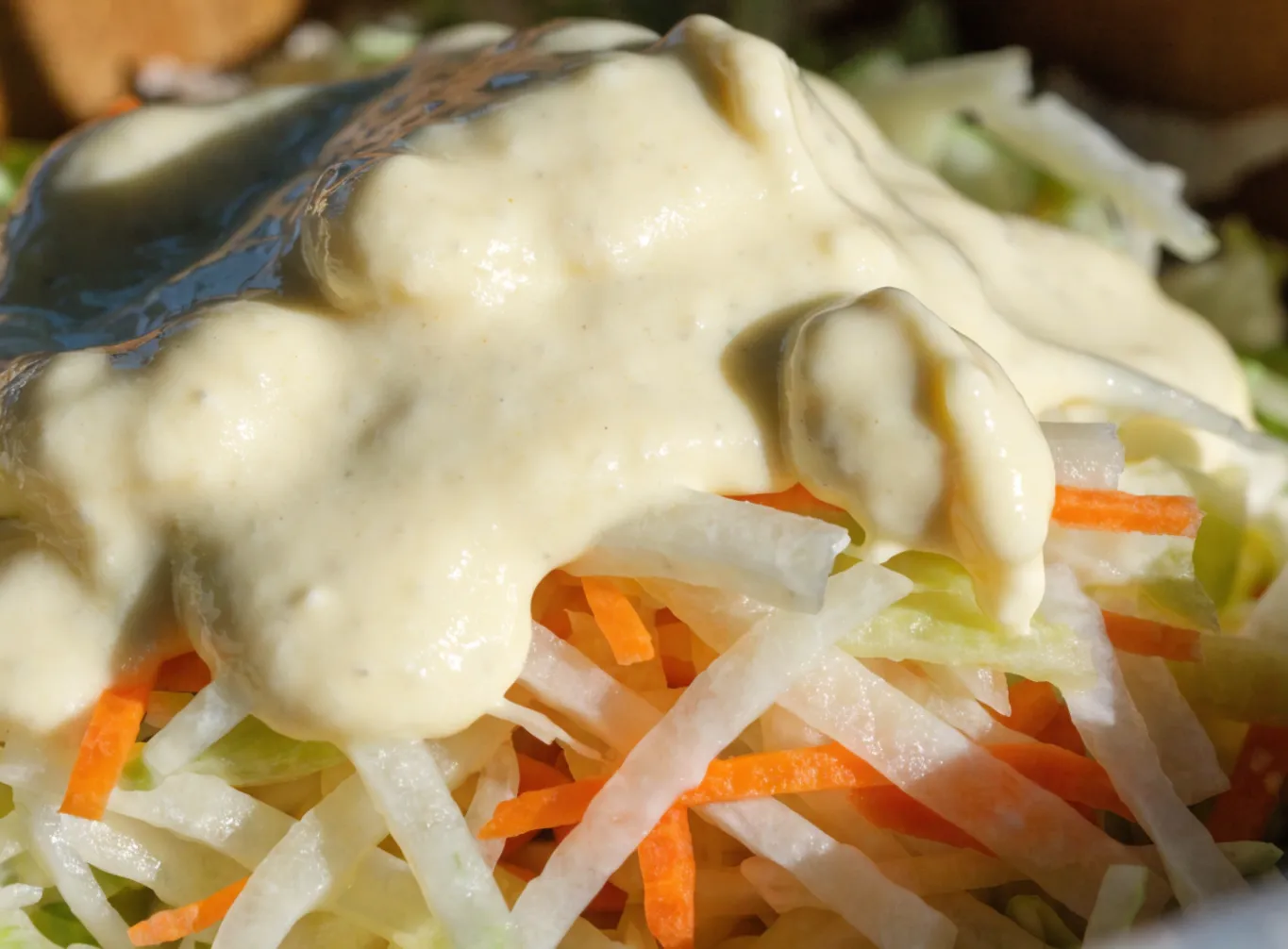
Table of contents
- Why You Will Love This Coleslaw Dressing
- Essential Tools for Making Coleslaw Dressing
- How to Make the Best Coleslaw Dressing
- How to Keep Coleslaw Dressing from Making Cabbage Watery
- Common Coleslaw Dressing Mistakes to Avoid
- Coleslaw Dressing Variations
- Nutritional Benefits of Homemade Coleslaw Dressing
- What to Serve with Coleslaw
- How to Store Coleslaw Dressing
- Frequently Asked Questions
Why You Will Love This Coleslaw Dressing
- The dressing balances creamy richness with bright acidity, so the coleslaw never tastes heavy or bland.
- It comes together in under five minutes with ingredients you likely already have in your pantry.
- The dressing clings to shredded cabbage and carrots without making them watery, even after several hours in the refrigerator.
- You can easily adjust the sweetness, tanginess, or creaminess to match your personal taste or the dish you’re pairing it with.
Essential Tools for Making Coleslaw Dressing
This dressing requires minimal equipment, but using the right tools ensures a smooth, well-emulsified mixture that coats the vegetables evenly.
- Medium mixing bowl: Provides enough space to whisk the ingredients together without splashing, and allows you to mix the dressing directly with the shredded vegetables if desired.
- Whisk: Helps emulsify the mayonnaise with the vinegar and other liquids, creating a smooth, cohesive dressing rather than a separated mixture.
- Measuring cups and spoons: Accurate measurements ensure the balance of tangy, sweet, and creamy flavors remains consistent each time you make the dressing.
- Airtight container: If you’re making the dressing ahead of time, storing it in a sealed container keeps it fresh and prevents it from absorbing other refrigerator odors.
How to Make the Best Coleslaw Dressing
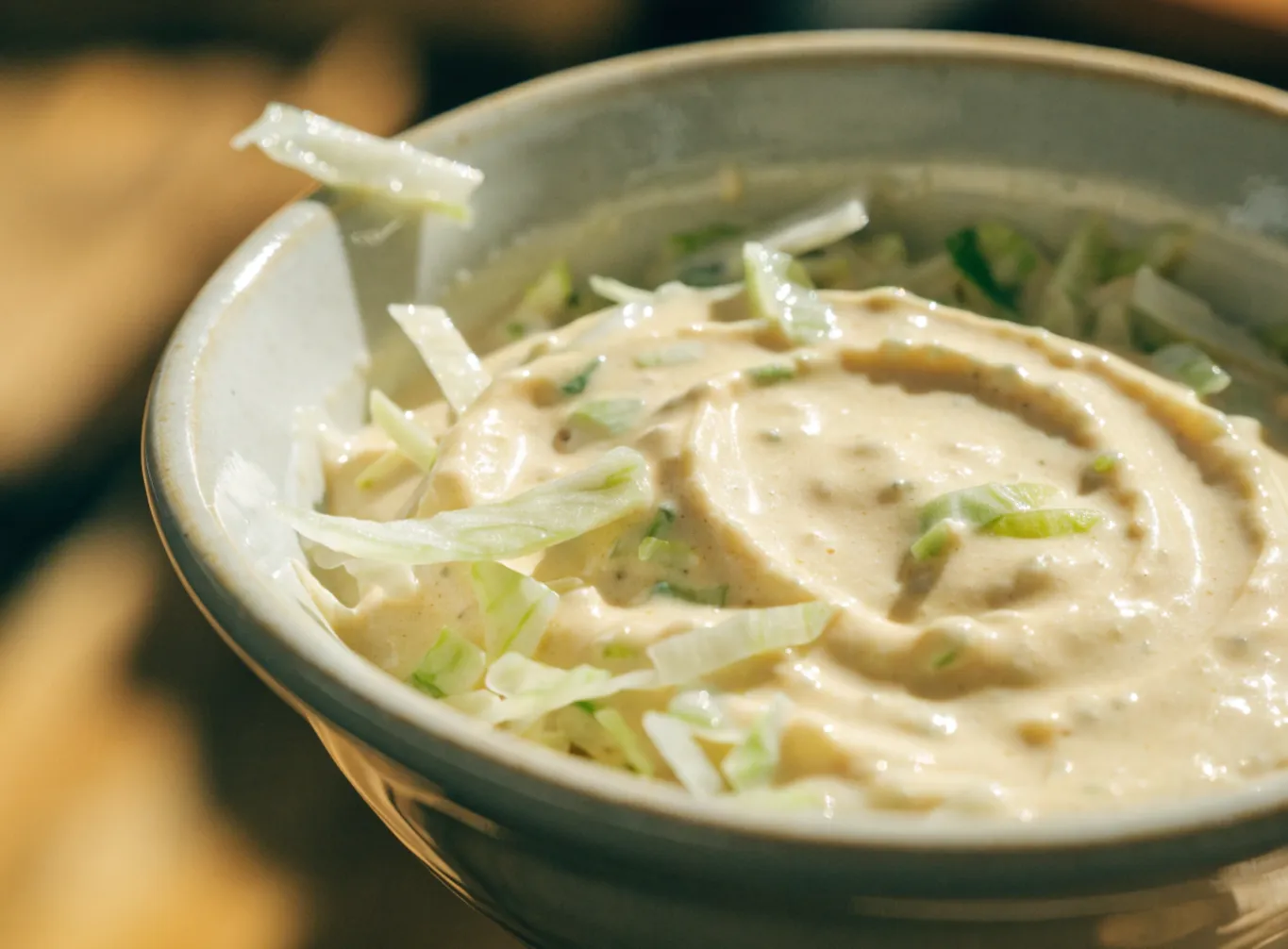
Coleslaw Dressing
4
servings30
minutes40
minutes300
kcalThis creamy coleslaw dressing combines mayonnaise, apple cider vinegar, honey, and Dijon mustard to create a balanced, tangy-sweet mixture that clings to shredded cabbage without making it watery. The dressing comes together in under five minutes and can be made ahead, making it perfect for meal prep, picnics, and barbecues.
Keep the screen of your device on
Ingredients
1 cup mayonnaise
2 tablespoons apple cider vinegar
2 tablespoons honey
1 tablespoon Dijon mustard
0.5 teaspoon celery seed
0.25 teaspoon salt
0.25 teaspoon black pepper
1 tablespoon fresh lemon juice
Directions
- Combine the mayonnaise, apple cider vinegar, honey, and Dijon mustard in a medium mixing bowl. Whisk until the mixture is smooth and no streaks of mustard remain. This creates the creamy base that will coat the cabbage evenly.
- Add the celery seed, salt, and black pepper to the bowl and whisk again until all the seasonings are evenly distributed. Celery seed adds a subtle, savory note that complements the sweetness and tang.
- Taste the dressing and adjust the flavor by adding more honey if it’s too tangy, or more vinegar if it’s too sweet. If you want extra brightness, stir in the optional lemon juice at this stage.
- Use the dressing immediately by tossing it with shredded cabbage and carrots, or store it in an airtight container in the refrigerator for up to one week. The dressing thickens slightly as it chills, which helps it cling better to the vegetables.
Notes
- Salting the shredded cabbage lightly and letting it sit for 15 to 20 minutes before rinsing and drying removes excess moisture, which prevents the coleslaw from becoming watery after the dressing is added.
- For a lighter version, replace half the mayonnaise with plain Greek yogurt to add tang and protein while reducing the overall fat content.
- Store the dressing separately from the shredded vegetables if making the coleslaw in advance, then combine them a few hours before serving to keep the cabbage crisp and the dressing thick.
Nutrition Facts
- Serving Size: 1 g
- Total number of serves: 8
- Calories: 120kcal
- Fat: 11g
- Carbohydrates: 5g
- Fiber: 0g
- Protein: 1g
Did you make this recipe?
Tag @therecipemasterblog on Instagram and hashtag it with #therecipemaster
Like this recipe?
Follow @therecipemasterblog on Pinterest
Follow us on Facebook!
Follow The Recipe Master on Facebook
How to Keep Coleslaw Dressing from Making Cabbage Watery
One of the most common problems with coleslaw is excess liquid pooling at the bottom of the bowl after the dressing is added. The key to preventing this is removing surface moisture from the shredded cabbage before mixing it with the dressing. Salting the cabbage lightly and letting it sit for 15 to 20 minutes draws out water through osmosis. After this resting period, rinse the cabbage under cold water to remove the salt, then pat it completely dry with paper towels or spin it in a salad spinner. This step ensures the dressing clings to the vegetables instead of sliding off into a watery puddle.
Balance Sweetness and Acidity
The dressing should taste bright but not sour, and sweet but not cloying. Apple cider vinegar provides a fruity acidity that complements the cabbage without overpowering it, while honey adds natural sweetness that rounds out the sharpness. If the dressing tastes too tangy after mixing, add an extra teaspoon of honey. If it tastes too sweet, add a splash more vinegar or a squeeze of fresh lemon juice. Tasting and adjusting before tossing with the vegetables ensures the final coleslaw has the flavor balance you want.
Use Full-Fat Mayonnaise for Richness
Full-fat mayonnaise creates a dressing with better body and creaminess compared to low-fat or light versions, which often contain added water and stabilizers that thin the texture. The fat in regular mayonnaise also helps the dressing emulsify more smoothly with the vinegar and other liquids, resulting in a cohesive mixture that coats the cabbage evenly. If you prefer a lighter dressing, substitute half the mayonnaise with Greek yogurt rather than using a low-fat mayo, as the yogurt adds tang and protein without compromising the texture.
Add Dijon Mustard for Depth
A small amount of Dijon mustard introduces a subtle sharpness and complexity that prevents the dressing from tasting flat or overly sweet. The mustard also acts as an emulsifier, helping the oil in the mayonnaise stay blended with the acidic ingredients. This creates a dressing that remains smooth and doesn’t separate even after sitting in the refrigerator for several hours. Yellow mustard can be used as a substitute, but it will produce a milder, slightly sweeter flavor.
Let the Dressing Rest Before Serving
Allowing the coleslaw to chill in the refrigerator for at least 30 minutes after mixing gives the flavors time to meld and the cabbage time to soften slightly without becoming limp. The dressing also thickens as it cools, which improves the way it clings to the vegetables. For a tangy, oil-free alternative, consider trying a vinegar-based dressing that skips the mayonnaise entirely while still delivering bold flavor.
Common Coleslaw Dressing Mistakes to Avoid
Adding Dressing to Wet Cabbage
If the shredded cabbage is still damp when you add the dressing, the excess water dilutes the flavor and causes the coleslaw to become watery within an hour. This happens because the dressing can’t adhere properly to wet surfaces, so it slides off and pools at the bottom of the bowl. Always dry the cabbage thoroughly after rinsing, either by patting it with paper towels or using a salad spinner. This simple step makes a noticeable difference in the final texture and ensures the dressing stays creamy and flavorful.
Using Too Much Dressing
Overdressing the coleslaw makes it heavy and masks the fresh crunch of the vegetables. The dressing should lightly coat each strand of cabbage without creating a puddle at the bottom of the bowl. Start by adding about three-quarters of the dressing to the shredded vegetables, toss well, then add more only if needed. It’s much easier to add extra dressing than to fix an overdressed coleslaw, which often requires adding more cabbage to restore balance.
Skipping the Resting Time
Serving the coleslaw immediately after mixing results in a dressing that tastes sharp and one-dimensional because the flavors haven’t had time to blend. Refrigerating the dressed coleslaw for at least 30 minutes allows the acidity to mellow, the sweetness to distribute evenly, and the cabbage to soften just enough to absorb some of the dressing. This resting period transforms the coleslaw from a collection of separate flavors into a cohesive, well-balanced side dish.
Storing the Dressing and Cabbage Together Too Long
While coleslaw improves after a short rest, leaving it dressed for more than 24 hours causes the cabbage to release additional moisture and become limp. If you’re making coleslaw in advance, store the dressing separately from the shredded vegetables and combine them a few hours before serving. This keeps the cabbage crisp and the dressing thick, ensuring the coleslaw tastes fresh even when prepared ahead.
Coleslaw Dressing Variations
Dairy-Free Coleslaw Dressing
Replace the mayonnaise with a dairy-free mayo made from avocado oil or soy. These alternatives provide the same creamy texture without any dairy, making the dressing suitable for those avoiding milk products. The flavor remains rich and tangy, though some dairy-free mayos have a slightly different aftertaste depending on the oil used. Taste and adjust the vinegar and honey as needed to balance the flavor.
Greek Yogurt Coleslaw Dressing
Substitute half the mayonnaise with plain Greek yogurt to create a lighter, tangier dressing with added protein. The yogurt introduces a pleasant tartness that complements the apple cider vinegar, and the dressing becomes thicker and creamier as it chills. This variation works especially well if you’re serving the coleslaw alongside rich, fatty meats like brisket or pulled pork, as the yogurt’s acidity cuts through the heaviness.
Spicy Coleslaw Dressing
Add a teaspoon of hot sauce or a pinch of cayenne pepper to the dressing for a subtle kick. The heat balances the sweetness and adds complexity without overwhelming the other flavors. For a smokier spice, use a chipotle hot sauce or add a small amount of smoked paprika. This variation pairs particularly well with fried chicken, fish tacos, or barbecue sandwiches.
Asian-Inspired Coleslaw Dressing
Replace the apple cider vinegar with rice vinegar and add a teaspoon of sesame oil and a tablespoon of soy sauce. This creates a dressing with a savory, umami-rich flavor that complements shredded cabbage and carrots beautifully. Garnish the finished coleslaw with toasted sesame seeds and thinly sliced green onions for added texture and flavor. This variation works well as a side for grilled fish, stir-fried dishes, or Asian-style burgers.
Nutritional Benefits of Homemade Coleslaw Dressing
Homemade coleslaw dressing allows you to control the amount of sugar, salt, and fat, making it a healthier option compared to store-bought versions that often contain high-fructose corn syrup, preservatives, and excess sodium. Cabbage itself is a nutrient-dense vegetable, rich in vitamin C, vitamin K, and fiber, and the dressing adds minimal calories while enhancing the flavor. Using apple cider vinegar provides trace amounts of beneficial acids that may support digestion, and honey offers natural sweetness without the refined sugars found in many commercial dressings. For more information on the health benefits of coleslaw salad, including its impact on digestion and immunity, this resource offers detailed insights.
Each serving of this dressing contains approximately 120 calories, with most of the calories coming from the healthy fats in the mayonnaise. The dressing provides about 1 gram of protein, 11 grams of fat, 5 grams of carbohydrates, and less than 1 gram of fiber. The sugar content is around 4 grams per serving, primarily from the honey, which is significantly lower than many bottled dressings that can contain 8 to 10 grams of sugar per serving. The fat in the dressing helps your body absorb fat-soluble vitamins from the vegetables, making the coleslaw not only flavorful but also nutritionally beneficial.
What to Serve with Coleslaw
Coleslaw dressed with this tangy, creamy mixture pairs beautifully with grilled and smoked meats, especially barbecue ribs, pulled pork, and brisket. The acidity and crunch of the coleslaw cut through the richness of the meat, providing a refreshing contrast that balances the meal. It also works well as a topping for sandwiches, burgers, and fish tacos, adding texture and flavor without making the sandwich soggy. For picnics and potlucks, coleslaw is an ideal side dish because it holds up well at room temperature for a few hours and doesn’t require reheating.
Coleslaw also complements fried foods like fried chicken, fish and chips, and hush puppies, as the bright, tangy dressing provides a palate-cleansing contrast to the crispy, fatty coating. For lighter meals, serve it alongside grilled fish, shrimp skewers, or roasted vegetables. The versatility of this dressing makes it suitable for casual weeknight dinners as well as larger gatherings, and it can be easily doubled or tripled to feed a crowd.
How to Store Coleslaw Dressing
Store the dressing in an airtight container in the refrigerator for up to one week. The dressing may thicken slightly as it chills due to the mayonnaise, but it will return to a pourable consistency after sitting at room temperature for a few minutes or after a quick stir. If you’ve already mixed the dressing with the cabbage, store the dressed coleslaw in a covered container in the refrigerator for up to two days. After that, the cabbage begins to release moisture and the coleslaw becomes watery and less appealing.
For meal prep, keep the dressing and shredded vegetables separate until you’re ready to serve. This allows you to prepare both components in advance and combine them just before eating, ensuring the coleslaw tastes fresh and the cabbage stays crisp. Freezing coleslaw dressing is not recommended, as the mayonnaise will separate and become grainy when thawed, resulting in an unappetizing texture that cannot be easily restored.
Frequently Asked Questions
Yes, you can make the dressing up to one week in advance and store it in an airtight container in the refrigerator. The flavors will meld and improve over time, but keep the dressing separate from the shredded cabbage until you’re ready to serve to prevent the coleslaw from becoming watery.
You can replace mayonnaise with Greek yogurt for a tangier, lighter dressing, or use dairy-free mayo made from avocado or soy oil if you’re avoiding dairy. Both substitutions maintain the creamy texture, though Greek yogurt will add extra protein and a more pronounced tang.
Salt the shredded cabbage lightly and let it sit for 15 to 20 minutes to draw out excess moisture, then rinse and dry it thoroughly before adding the dressing. This step removes surface water that would otherwise dilute the dressing and make the coleslaw watery.
Yes, but white vinegar has a sharper, more acidic taste compared to the milder, slightly fruity flavor of apple cider vinegar. If you use white vinegar, start with a smaller amount and taste as you go to avoid making the dressing too sour.








Leave a Reply