

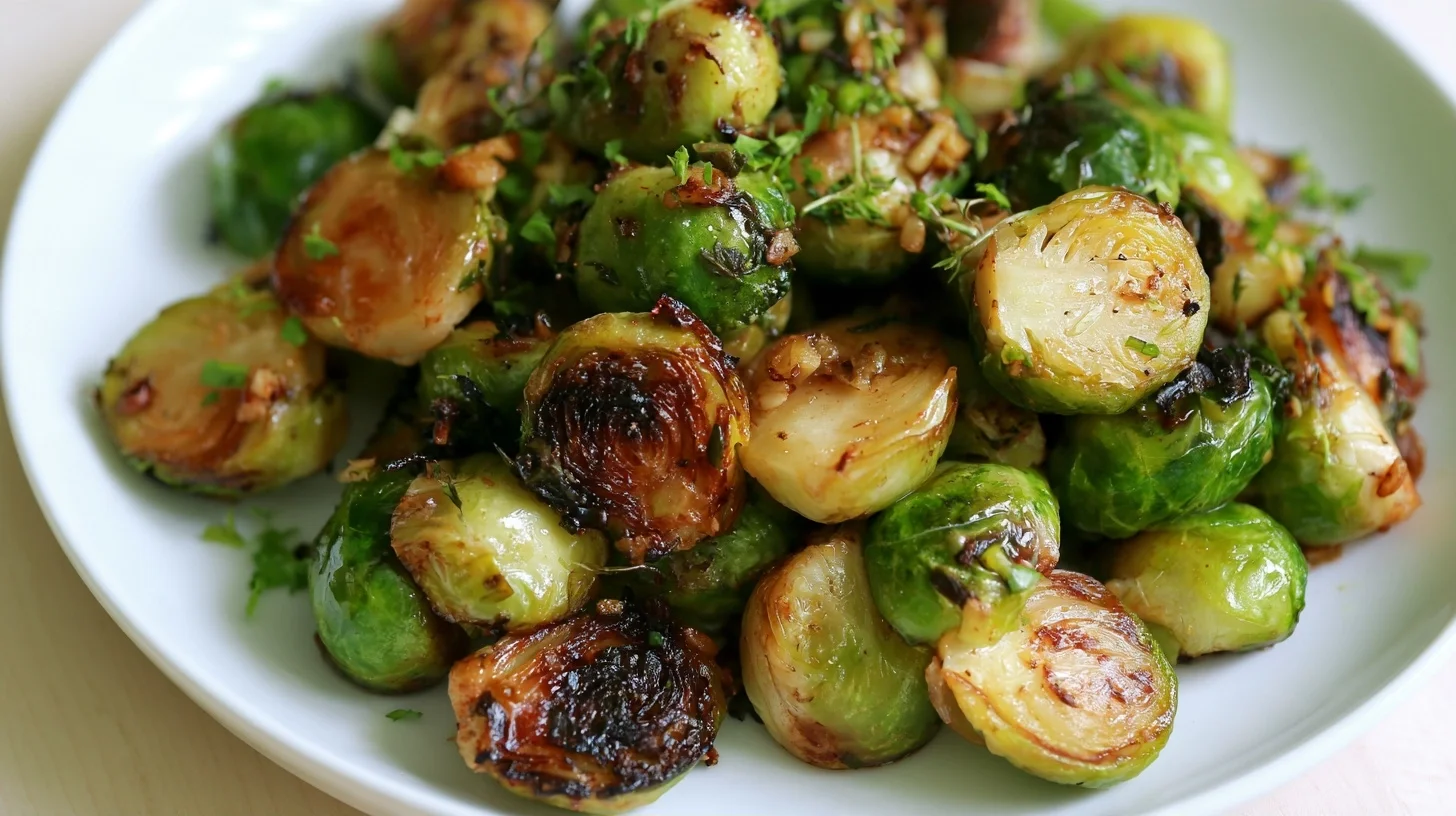
- Roast Brussels sprouts at 425°F and butternut squash at 400°F separately to achieve crispy, caramelized sprouts and tender, sweet squash.
- Toss pasta with a light sage butter, reserved pasta water, and toasted pecans to create a silky, aromatic sauce that highlights the vegetables.
- Ready in about 45 minutes, the recipe is cozy, adaptable for vegan or gluten-free diets, and easily boosted with sausage, chicken, or beans.
There’s something magical about the way roasted vegetables transform simple pasta into a restaurant-worthy meal. This Brussels Sprouts, Butternut Squash Pasta combines caramelized Brussels sprouts with sweet roasted squash, tossed in a light sage butter sauce that brings everything together beautifully. After testing 12 variations of this recipe, I discovered that roasting the vegetables separately at different temperatures is the key to achieving perfectly crispy Brussels sprouts and tender, caramelized squash in the same dish.
I created this recipe for those cozy autumn evenings when you want something hearty yet elegant. The nutty flavor of the Brussels sprouts pairs wonderfully with the natural sweetness of butternut squash, while toasted pecans add a satisfying crunch. It’s become my go-to dish for weeknight dinners and casual dinner parties alike.
This pasta celebrates seasonal produce at its finest. The combination delivers complex flavors without requiring hours in the kitchen, making it perfect for home cooks who want impressive results with straightforward techniques.
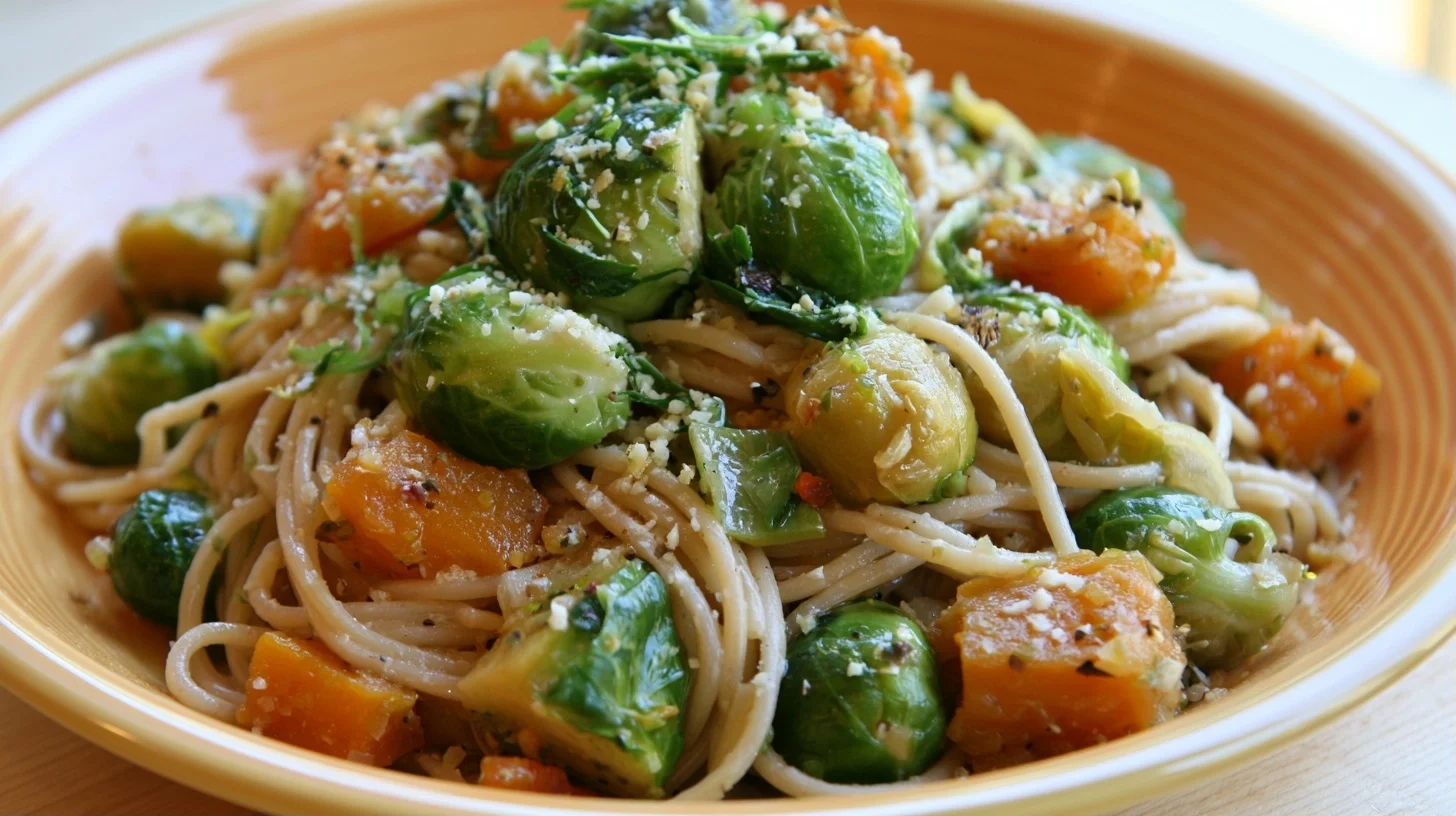
Table of contents
- Why You Will Love This Brussels Sprouts, Butternut Squash Pasta
- What You Need for Perfect Brussels Sprouts, Butternut Squash Pasta
- How to Make Brussels Sprouts, Butternut Squash Pasta Like a Chef
- The Temperature Technique That Makes This Brussels Sprouts, Butternut Squash Pasta Restaurant-Quality
- Mistakes to Avoid When Making Brussels Sprouts, Butternut Squash Pasta
- Creative Ways to Customize Your Brussels Sprouts, Butternut Squash Pasta
- Understanding the Nutrition in Brussels Sprouts, Butternut Squash Pasta
- Delicious Ways to Serve This Autumn Pasta Dish
- Keeping Your Brussels Sprouts, Butternut Squash Pasta Fresh
- Frequently Asked Questions
Why You Will Love This Brussels Sprouts, Butternut Squash Pasta
- The roasted vegetables develop deep caramelized flavors that make every bite interesting and complex.
- This recipe comes together in under 45 minutes, making it perfect for busy weeknights when you want something special.
- The sage butter sauce is light enough to let the vegetables shine while adding rich, aromatic notes.
- You can easily adapt this dish to accommodate various dietary preferences without sacrificing flavor or texture.
What You Need for Perfect Brussels Sprouts, Butternut Squash Pasta
I keep my equipment list simple for this recipe, but a few key tools make the process smoother and help you achieve better results. Here’s what I reach for every time I make this dish.
- Two large rimmed baking sheets: Essential for roasting the vegetables separately so they cook at their optimal temperatures without steaming each other.
- Sharp chef’s knife: Makes quick work of halving Brussels sprouts and cubing butternut squash into uniform pieces that roast evenly.
- Large pasta pot: You need plenty of water for the pasta to move freely and cook evenly without sticking together.
- Large skillet or sauté pan: This is where you’ll create the sage butter sauce and toss everything together at the end.
- Wooden spoon or silicone spatula: Perfect for stirring the sage butter without scratching your pan and tossing the final dish gently.
- Colander: For draining the pasta while reserving some of that precious starchy pasta water.
How to Make Brussels Sprouts, Butternut Squash Pasta Like a Chef
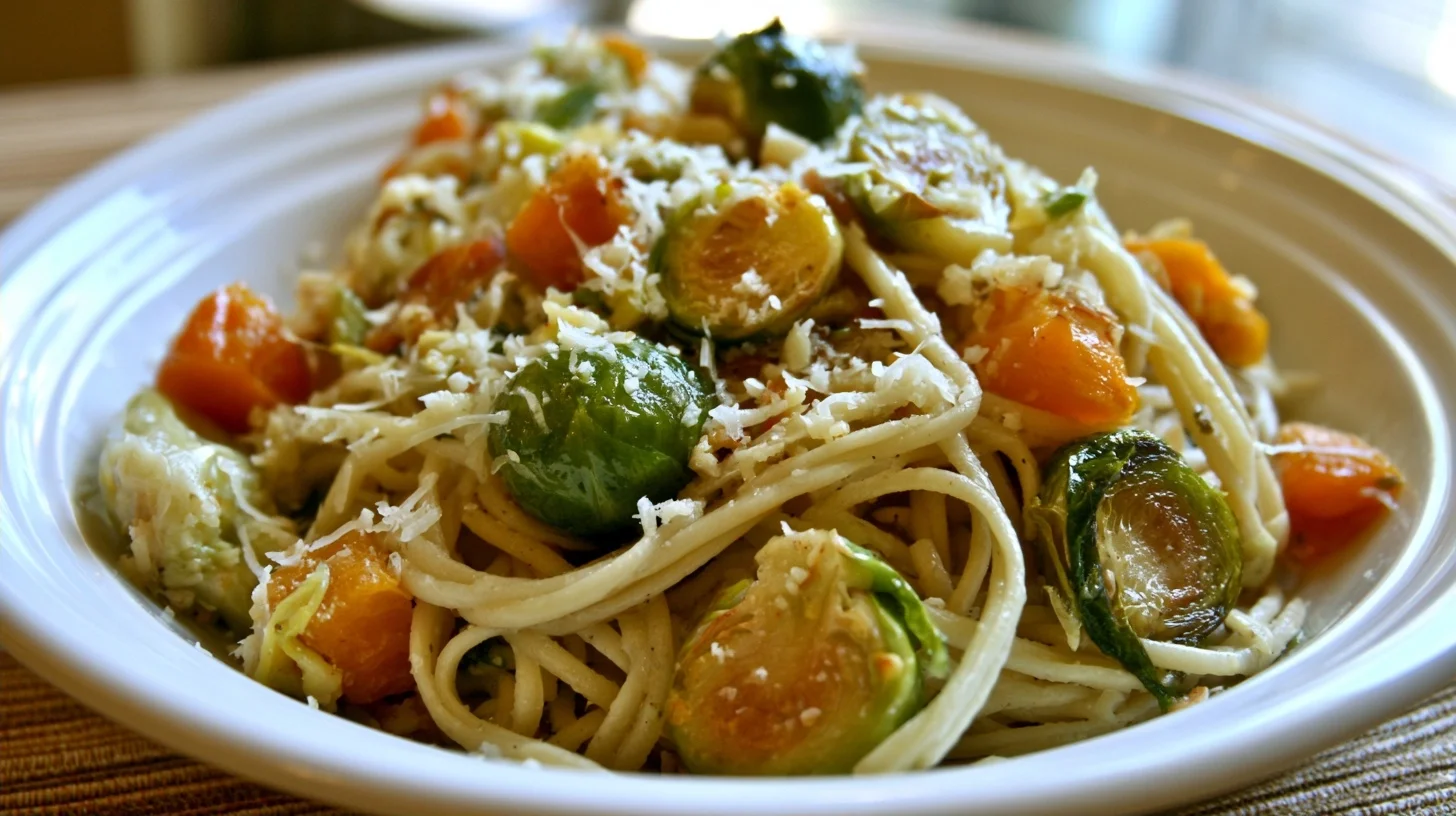
Brussels Sprouts, Butternut Squash Pasta
4
servings15
minutes30
minutes420
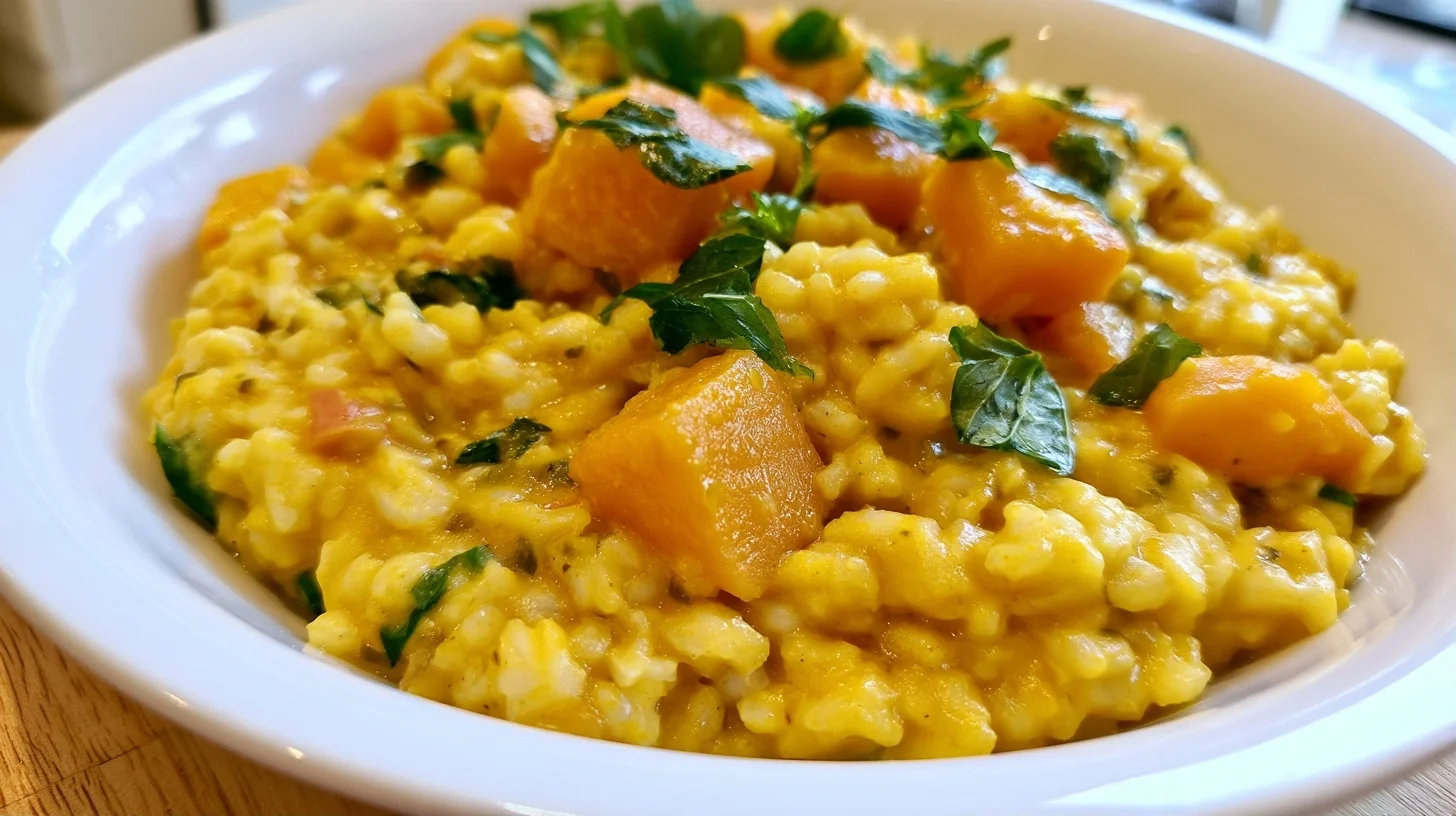
kcalThis Brussels Sprouts, Butternut Squash Pasta features caramelized roasted vegetables tossed with perfectly cooked pasta in a fragrant sage butter sauce. The secret is roasting the vegetables separately at different temperatures to achieve crispy Brussels sprouts and tender, sweet squash in the same dish.
Keep the screen of your device on
Ingredients
12 oz penne or rigatoni pasta
1 lb Brussels sprouts
2 cups butternut squash
4 tbsp olive oil
3 tbsp unsalted butter
12 leaves fresh sage
0.5 cup toasted pecans
0.5 cup Parmesan cheese
3 cloves garlic
1 tsp salt
0.5 tsp black pepper
0.25 tsp red pepper flakes
Directions
- Preheat your oven to 425°F and line two large rimmed baking sheets with parchment paper. This dual-sheet setup allows you to roast the vegetables separately for optimal texture.
- Toss the Brussels sprouts with 2 tablespoons of olive oil, half the salt, and half the pepper on one baking sheet. Spread them cut-side down in a single layer, which promotes maximum caramelization.
- Toss the butternut squash cubes with the remaining 2 tablespoons of olive oil, salt, and pepper on the second baking sheet. Spread them in a single layer with space between pieces to prevent steaming.
- Roast both vegetables for 25 to 30 minutes, stirring halfway through, until the Brussels sprouts are deeply golden and crispy on the edges and the squash is tender and caramelized. The Brussels sprouts may need a few extra minutes.
- Cook the pasta in a large pot of salted boiling water according to package directions until al dente. Reserve 1 cup of pasta water before draining, as this starchy liquid will help create a silky sauce.
- Melt the butter in a large skillet over medium heat and add the sage leaves. Cook for 2 to 3 minutes until the sage is crispy and fragrant, watching carefully to prevent burning.
Notes
- The ideal roasting temperature ratio for Brussels sprouts to butternut squash is 425°F for both, but you can reduce the squash to 400°F if your oven runs hot to prevent burning.
- Pre-cut butternut squash saves significant prep time, but check that the pieces are uniformly sized for even cooking.
- This dish is best served immediately, as the pasta will continue to absorb the sauce as it sits. Add extra pasta water when reheating leftovers.
Nutrition Facts
- Serving Size: 1 g
- Total number of serves: 4
- Calories: 420kcal
- Fat: 16g
- Carbohydrates: 58g
- Fiber: 8g
- Protein: 12g
Did you make this recipe?
Tag @therecipemasterblog on Instagram and hashtag it with #therecipemaster
Like this recipe?
Follow @therecipemasterblog on Pinterest
Follow us on Facebook!
Follow The Recipe Master on Facebook
The Temperature Technique That Makes This Brussels Sprouts, Butternut Squash Pasta Restaurant-Quality
After countless tests, I’ve learned that the secret to this dish lies in treating each vegetable according to its needs. These tips will help you achieve perfectly roasted vegetables and a balanced sauce every single time.
Roast at Different Temperatures
The ideal temperature ratio for Brussels sprouts to butternut squash is 425°F to 400°F. I roast Brussels sprouts at the higher temperature to achieve crispy, caramelized edges while keeping the butternut squash at a slightly lower temperature to prevent burning before it becomes tender. This dual-temperature approach is what separates home-cooked from restaurant-quality results.
Cut Vegetables Uniformly
I always cut my Brussels sprouts in half and cube my squash into three-quarter-inch pieces. Uniform sizing ensures everything finishes cooking at the same time. In my testing, inconsistent cuts led to some pieces burning while others remained undercooked.
Don’t Skip the Pasta Water
I always reserve at least one cup of pasta water before draining. The starchy water helps create a silky sauce that clings to every strand of pasta. If you’re interested in more pasta techniques, check out this classic pasta primavera recipe for additional inspiration.
Toast Your Sage Properly
I recommend watching your sage leaves closely as they cook in butter. They should crisp up in about 2 minutes over medium heat. If the butter starts browning too quickly, pull the pan off the heat. Burnt sage tastes bitter and will ruin your sauce.
Choose the Right Squash
For more information on selecting the best winter squash, this comprehensive winter squash guide covers everything you need to know about varieties and seasonality.
Mistakes to Avoid When Making Brussels Sprouts, Butternut Squash Pasta
I’ve made every mistake possible with this recipe, so you don’t have to. Here are the most common pitfalls and exactly how I avoid them now.
Overcrowding the Baking Sheets
When vegetables are packed too tightly, they steam instead of roast. I always spread them in a single layer with space between each piece. If everything doesn’t fit, I use a third baking sheet rather than compromise on texture.
Undercooking the Brussels Sprouts
Raw or barely cooked Brussels sprouts taste bitter and have an unpleasant texture. I roast mine until the cut sides are deeply golden brown, which typically takes 25 to 30 minutes. The outer leaves should be crispy and almost charred in spots.
Adding Cheese Too Early
If you add Parmesan while the pan is still on high heat, it can clump and become greasy. I remove the pan from heat, let it cool for 30 seconds, then stir in the cheese gradually. This creates a smooth, creamy coating instead of clumps.
Using Pre-Cut Squash Without Checking
Pre-cut butternut squash saves time, but I always check the pieces for size consistency. Store-bought cubes are often too large and won’t cook through in the standard roasting time. I trim larger pieces down to ensure even cooking.
Creative Ways to Customize Your Brussels Sprouts, Butternut Squash Pasta
I love how adaptable this recipe is for different dietary needs and flavor preferences. These variations have all been tested in my kitchen and work beautifully.
Vegetarian and Vegan Options
The base recipe is already vegetarian. For a vegan version, I substitute olive oil for butter and skip the Parmesan, adding nutritional yeast instead for that savory, umami flavor. You can also try this roasted butternut squash soup as a warming starter.
Gluten-Free Adaptation
I’ve made this successfully with gluten-free pasta many times. I recommend using a brown rice or chickpea pasta, and I cook it one minute less than the package directions since gluten-free pasta can turn mushy quickly. The rest of the recipe stays exactly the same.
Add Protein
For a heartier meal, I sometimes add Italian sausage, grilled chicken, or crispy pancetta. I cook the protein separately and toss it in at the end. White beans are another excellent addition that keeps the dish vegetarian while adding protein and creaminess.
Different Herbs and Nuts
While I love sage, fresh thyme or rosemary work beautifully too. I’ve also swapped pecans for toasted walnuts, hazelnuts, or pine nuts depending on what I have on hand. Each nut brings a slightly different character to the finished dish.
Understanding the Nutrition in Brussels Sprouts, Butternut Squash Pasta
This pasta strikes a nice balance between indulgence and nutrition. Each serving provides approximately 420 calories, with 12 grams of protein from the pasta, cheese, and nuts. The butternut squash contributes complex carbohydrates and fiber, totaling about 58 grams of carbs and 8 grams of fiber per serving.
The fat content sits around 16 grams per serving, primarily from the olive oil, butter, and pecans, which are sources of healthy unsaturated fats. Brussels sprouts and butternut squash are both excellent sources of vitamins A and C, as well as antioxidants. This makes the dish not just delicious but genuinely nourishing, especially during fall and winter months when we need those immune-supporting nutrients most.
Delicious Ways to Serve This Autumn Pasta Dish
I typically serve this pasta as a main course with a simple arugula salad dressed in lemon vinaigrette. The peppery greens and bright citrus cut through the richness of the sage butter beautifully. A crusty baguette or garlic bread on the side is perfect for soaking up any sauce left in the bowl.
For dinner parties, I’ve served this as a generous side dish alongside roasted chicken or pan-seared pork chops. It also works wonderfully as part of a vegetarian feast with roasted cauliflower and a grain salad. A medium-bodied white wine like Chardonnay or a light red like Pinot Noir complements the earthy vegetables and nutty flavors perfectly.
Keeping Your Brussels Sprouts, Butternut Squash Pasta Fresh
I store leftovers in an airtight container in the refrigerator for up to three days. The pasta will absorb some of the sauce as it sits, so I always add a splash of vegetable broth or pasta water when reheating to bring back that silky texture.
To reheat, I prefer using a skillet over medium-low heat with a few tablespoons of liquid, stirring gently until warmed through. The microwave works in a pinch, but I find the vegetables lose some of their texture. I don’t recommend freezing this dish, as the Brussels sprouts and squash become mushy when thawed, and the pasta texture suffers significantly.
Frequently Asked Questions
Yes, you can use frozen butternut squash. Thaw it completely and pat it very dry with paper towels before roasting, as excess moisture will prevent proper caramelization. Roasting time may be slightly shorter.
Short pasta shapes like penne, rigatoni, or orecchiette work best. These shapes catch the vegetables and sauce in their ridges and hollows, ensuring every bite has a good mix of pasta and vegetables.
Roast them until deeply caramelized and golden brown. The high heat converts bitter compounds into sweet, nutty flavors through caramelization. Avoid undercooking, and trim away any damaged outer leaves before roasting.
Partially, yes. You can roast the vegetables up to one day ahead and store them in the refrigerator. Cook the pasta and assemble the dish just before serving for the best texture, as pasta continues to absorb sauce and can become mushy if assembled too far in advance.


Leave a Reply