

- Reduce apple cider to a concentrated syrup so cookies get intense apple flavor without excess moisture, keeping them thick, tender, and not spreading.
- Chill the cream cheese filling at least 30 minutes so it holds shape inside the dough and does not ooze during baking.
- Use room temperature butter and eggs, avoid overmixing, bake at 350 F for 12 to 14 minutes, remove when centers look slightly underbaked.
These Apple cider cheesecake cookies are the ultimate fall dessert hybrid. They combine the warm spiced flavors of apple cider with a tangy cream cheese filling tucked inside soft, chewy cookies. I developed this recipe after testing twelve different versions to find the perfect balance between cookie structure and creamy filling that does not leak during baking.
What makes this version different is the reduced apple cider technique. By simmering fresh cider down to a concentrated syrup, you get intense apple flavor without adding excess moisture that makes cookies spread too thin. This method creates a cookie that stays thick and tender with a filling that sets perfectly.
Serve these at your next gathering and watch them disappear. They taste like autumn in every bite, and the surprise cream cheese center makes them feel special without requiring advanced baking skills.
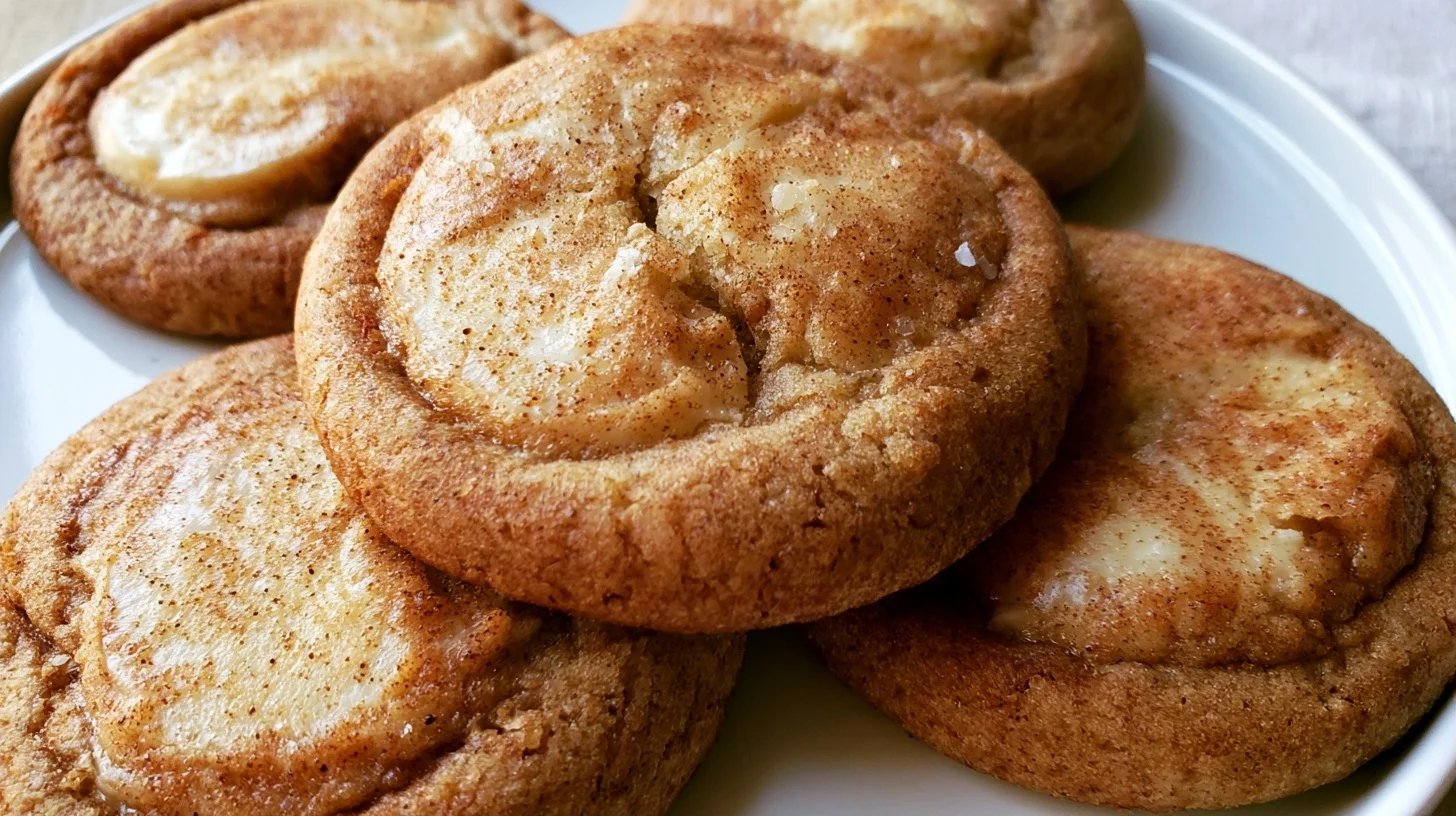
Table of contents
- Why You Will Love This Apple cider cheesecake cookies
- What You Will Need to Make Apple Cider Cheesecake Cookies
- How to Make Perfect Apple Cider Cheesecake Cookies
- The Technique That Makes Apple Cider Cheesecake Cookies Thick and Chewy
- Mistakes to Avoid When Making Apple Cider Cheesecake Cookies
- Creative Ways to Customize Apple Cider Cheesecake Cookies
- What You Need to Know About Nutrition
- Delicious Ways to Serve These Fall Cookies
- How to Keep Your Cookies Fresh and Delicious
- Frequently Asked Questions
Why You Will Love This Apple cider cheesecake cookies
- The reduced apple cider syrup delivers concentrated fall flavor without making the dough too wet or sticky.
- The cream cheese filling stays creamy and tangy inside each cookie instead of melting out during baking.
- These cookies stay soft and chewy for days when stored properly, making them perfect for meal prep or gift giving.
- You can make the dough and filling ahead of time, then assemble and bake when you are ready to serve.
What You Will Need to Make Apple Cider Cheesecake Cookies
I keep my equipment simple for these cookies, but a few key tools make the process much smoother. Here is what I reach for every time I make this recipe.
- Small saucepan: Essential for reducing the apple cider down to a thick syrup without burning it.
- Stand mixer or hand mixer: Creaming the butter and sugar properly creates the right texture, and a mixer does this faster and more evenly than a wooden spoon.
- Cookie scoop: A two-tablespoon scoop ensures every cookie is the same size so they bake evenly and look professional.
- Parchment paper: Prevents sticking and makes cleanup effortless, especially with the cream cheese filling that can leak slightly.
- Small mixing bowl: For preparing the cream cheese filling separately so it stays smooth and easy to portion.
- Baking sheets: I prefer heavy-duty aluminum sheets that do not warp in the oven and distribute heat evenly.
How to Make Perfect Apple Cider Cheesecake Cookies
Apple Cider Cheesecake Cookies
24
servings25
minutes14
minutes180
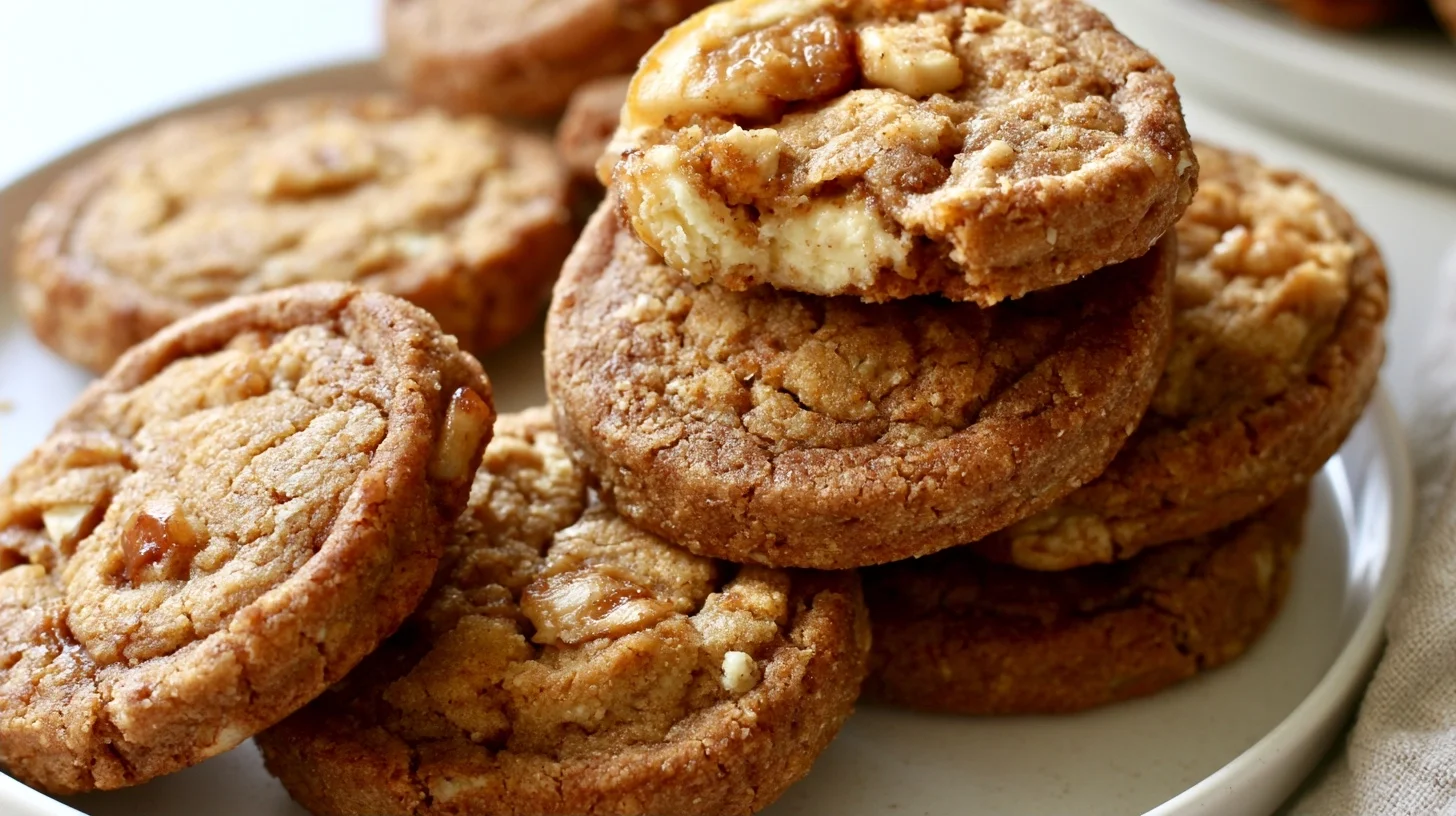
kcalThese soft and chewy apple cider cheesecake cookies feature a tangy cream cheese filling wrapped inside apple cider-infused dough. The secret is reducing fresh apple cider into a concentrated syrup that delivers intense fall flavor without making the cookies spread too thin.
Keep the screen of your device on
Ingredients
2 cups fresh apple cider
8 oz cream cheese
1/4 cup powdered sugar
1 teaspoon vanilla extract
1 cup unsalted butter
3/4 cup granulated sugar
1/2 cup light brown sugar
1 large egg
2.5 cups all-purpose flour
1 teaspoon ground cinnamon
1/2 teaspoon baking soda
1/2 teaspoon salt
Directions
- Reduce the apple cider by pouring it into a small saucepan and bringing it to a boil over medium-high heat. Lower the heat to medium and simmer for fifteen to twenty minutes until it reduces to half a cup. The cider should look thick and syrupy. Let it cool completely before using it in the dough.
- Make the cream cheese filling by beating the softened cream cheese, powdered sugar, and half a teaspoon of vanilla extract in a small bowl until smooth and creamy. Cover the bowl and refrigerate for at least thirty minutes so the filling firms up and holds its shape.
- Cream the butter and sugars together in a large mixing bowl using a stand mixer or hand mixer on medium speed for two to three minutes. The mixture should look light and fluffy. This step incorporates air that helps create a tender cookie texture.
- Add the egg and vanilla to the butter mixture along with the cooled reduced apple cider. Beat on medium speed until everything is well combined and smooth. Scrape down the sides of the bowl to make sure all ingredients are incorporated.
- Combine the dry ingredients by whisking together the flour, cinnamon, baking soda, and salt in a separate bowl. This distributes the leavening and spices evenly so every cookie tastes the same.
- Mix the dough by adding the dry ingredients to the wet ingredients and mixing on low speed just until no flour streaks remain. Do not overmix or the cookies will turn out tough instead of tender.
Notes
- The ideal ratio of apple cider to reduced syrup is four to one, which concentrates the flavor without adding excess moisture that makes cookies spread.
- Chilling the cream cheese filling for at least thirty minutes prevents it from leaking out during baking and creates a perfectly creamy surprise center.
- These cookies stay soft for up to three days at room temperature when stored in an airtight container with parchment paper between layers.
Nutrition Facts
- Serving Size: 1 g
- Total number of serves: 24
- Calories: 180kcal
- Fat: 9g
- Carbohydrates: 22g
- Fiber: 0g
- Protein: 3g
Did you make this recipe?
Tag @therecipemasterblog on Instagram and hashtag it with #therecipemaster
Like this recipe?
Follow @therecipemasterblog on Pinterest
Follow us on Facebook!
Follow The Recipe Master on Facebook
The Technique That Makes Apple Cider Cheesecake Cookies Thick and Chewy
After testing multiple batches, I found that the key to perfect texture is controlling moisture. Here are the techniques I use every time to ensure these cookies turn out right.
Reduce the Apple Cider Properly
The ideal ratio of apple cider to reduced syrup is four to one. Start with two cups of cider and simmer it down to half a cup. This concentrates the apple flavor without adding excess liquid that would make the cookies spread too thin. I recommend simmering over medium heat and watching carefully during the last few minutes to prevent burning.
Chill the Cream Cheese Filling
I mix the cream cheese filling first, then refrigerate it for at least thirty minutes before assembling the cookies. Cold filling holds its shape better when you wrap the dough around it. This prevents the filling from oozing out during baking and creates that perfect surprise center.
Do Not Overmix the Dough
Once you add the flour, mix just until the dry ingredients disappear. Overmixing develops too much gluten, which makes the cookies tough instead of tender. I stop the mixer as soon as I see no more flour streaks, then finish by hand if needed.
Use Room Temperature Ingredients
Room temperature butter and eggs blend more smoothly into the dough, creating better structure. I set my butter and eggs out about an hour before I start baking. This small step makes a noticeable difference in the final texture. For more information on the health benefits of apple cider vinegar, check out this detailed guide.
Bake at the Right Temperature
I bake these cookies at 350 degrees Fahrenheit for exactly twelve to fourteen minutes. They should look slightly underbaked in the center when you remove them. They will continue cooking on the hot baking sheet for another two minutes, which prevents overbaking and keeps them soft.
Mistakes to Avoid When Making Apple Cider Cheesecake Cookies
I have made every possible mistake with this recipe during testing, so I know exactly what to watch for. Here are the most common problems and how I fix them.
Not Reducing the Cider Enough
If you skip reducing the cider or stop too early, the extra moisture makes the cookies spread flat and lose their shape. I always measure the reduced cider to make sure I have exactly half a cup. If you are not sure, simmer it a bit longer until it looks thick and syrupy.
Using Warm Cream Cheese Filling
Warm or room temperature filling is too soft to wrap inside the dough. It leaks out during baking and creates a mess. I always chill my filling for at least thirty minutes, and sometimes I even freeze it for ten minutes if I am in a hurry.
Overbaking the Cookies
These cookies should look slightly underdone when you take them out of the oven. Overbaking makes them dry and hard instead of soft and chewy. I set a timer for twelve minutes and check them closely. The edges should be set but the centers should still look a little shiny.
Skipping the Parchment Paper
Even with a nonstick baking sheet, these cookies can stick because of the cream cheese filling. I line every baking sheet with parchment paper to prevent sticking and make cleanup easier. It is a small step that saves a lot of frustration.
Creative Ways to Customize Apple Cider Cheesecake Cookies
I love experimenting with different flavors and dietary adaptations for this recipe. Here are my favorite variations that still deliver the same chewy texture and creamy filling.
Spiced Caramel Version
Add a quarter cup of caramel bits to the dough along with an extra half teaspoon of cinnamon. The caramel melts slightly during baking and creates pockets of gooey sweetness that pair beautifully with the apple cider flavor. This version tastes like a caramel apple in cookie form.
Gluten-Free Adaptation
Replace the all-purpose flour with a one-to-one gluten-free baking flour blend. I recommend adding an extra quarter teaspoon of xanthan gum if your blend does not already include it. The texture stays soft and chewy, though the cookies may spread slightly more.
Dairy-Free Option
Use vegan cream cheese and replace the butter with a plant-based butter substitute. The filling will be slightly less tangy, so I add an extra teaspoon of lemon juice to the cream cheese mixture. The cookies still bake up soft and delicious. If you enjoy fall baking, try these tender pumpkin muffins for another seasonal treat.
Maple Pecan Twist
Replace half of the granulated sugar with maple sugar and fold in half a cup of finely chopped pecans. The maple flavor complements the apple cider beautifully, and the pecans add a pleasant crunch. This version feels more rustic and perfect for holiday gatherings.
Mini Cookie Version
Use a one-tablespoon cookie scoop instead of two tablespoons to make bite-sized cookies. Reduce the baking time to eight to ten minutes. These smaller cookies are perfect for parties and cookie trays, and they bake more evenly because of their size.
What You Need to Know About Nutrition
Each cookie contains approximately 180 calories, which makes them a reasonable treat when you want something sweet without going overboard. The cream cheese filling adds about six grams of fat per cookie, mostly from the cream cheese and butter in the dough.
You will get about three grams of protein per cookie from the egg and cream cheese. The carbohydrates come primarily from the flour and sugars, totaling around twenty-two grams per cookie. If you are watching your sugar intake, you can reduce the granulated sugar by a quarter cup without affecting the texture too much, though the cookies will be less sweet.
Delicious Ways to Serve These Fall Cookies
I love serving these cookies slightly warm with a cup of hot apple cider or spiced chai tea. The warmth softens the cream cheese filling just a bit and makes the whole experience feel cozy and comforting. They are perfect for afternoon tea or as a dessert after a casual dinner.
For a more elegant presentation, dust them lightly with powdered sugar and serve them on a wooden board with fresh apple slices and a small bowl of salted caramel sauce for dipping. They also pair beautifully with vanilla ice cream or whipped cream if you want to turn them into a plated dessert. These cookies shine at fall gatherings, potlucks, and holiday cookie exchanges.
How to Keep Your Cookies Fresh and Delicious
Store these cookies in an airtight container at room temperature for up to three days. I place a piece of parchment paper between each layer to prevent them from sticking together. If your kitchen is warm, store them in the refrigerator instead, where they will stay fresh for up to five days.
For longer storage, freeze the baked cookies in a freezer-safe container for up to three months. Let them thaw at room temperature for about thirty minutes before serving. You can also freeze the unbaked dough balls with the filling already inside. Place them on a baking sheet until solid, then transfer to a freezer bag. Bake directly from frozen, adding two extra minutes to the baking time.
Frequently Asked Questions
No, apple cider vinegar will not work. This recipe requires fresh apple cider, which is a sweet unfiltered apple juice. Apple cider vinegar is acidic and will make the cookies taste sour instead of sweet and apple-flavored.
The filling was likely too warm when you assembled the cookies. Chill the cream cheese mixture for at least thirty minutes before wrapping it in the dough. Also make sure to seal the dough completely around the filling with no gaps.
Yes, you can refrigerate the dough for up to two days before baking. You can also freeze the assembled unbaked cookies for up to three months. Bake them directly from frozen, adding two extra minutes to the baking time.
The cookies are done when the edges are set and lightly golden but the centers still look slightly underbaked. They should feel soft to the touch. They will continue cooking on the baking sheet after you remove them from the oven, so do not overbake them.






Leave a Reply