

- Use a two-stage coating: roll dough in melted butter, then cinnamon sugar, to create distinct layers of sweet spice and deeper caramel flavor.
- Make the dough from scratch for pillowy, tender pieces; homemade dough outperforms refrigerated biscuits in texture and flavor control.
- Weigh dough balls to about one ounce and allow a full second rise so pieces bake evenly and stay light and fluffy.
- Bake until deep golden but still slightly soft, cool exactly five minutes, then invert to preserve gooey caramel and prevent sticking.
There’s something magical about monkey bread that brings people together. This pull-apart cinnamon sugar treat is perfect for lazy weekend mornings, holiday brunches, or any time you want to fill your kitchen with the irresistible aroma of warm cinnamon and caramelized butter. After testing 12 variations, I discovered the secret: using a two-stage coating method creates layers of flavor that standard recipes miss entirely.
What sets this version apart is the balance between soft, pillowy dough and a sticky-sweet coating that caramelizes without becoming overly sugary. Unlike most recipes that use refrigerated biscuit dough, this homemade version gives you complete control over texture and flavor. The result is tender, fluffy pieces that pull apart effortlessly, with a golden caramel sauce pooling at the bottom of your bundt pan.
Whether you’re making it for a special occasion or simply treating yourself to something indulgent, this recipe delivers consistent, bakery-quality results every single time. The hands-on time is surprisingly short, and the dough does most of the work while you sip your coffee.
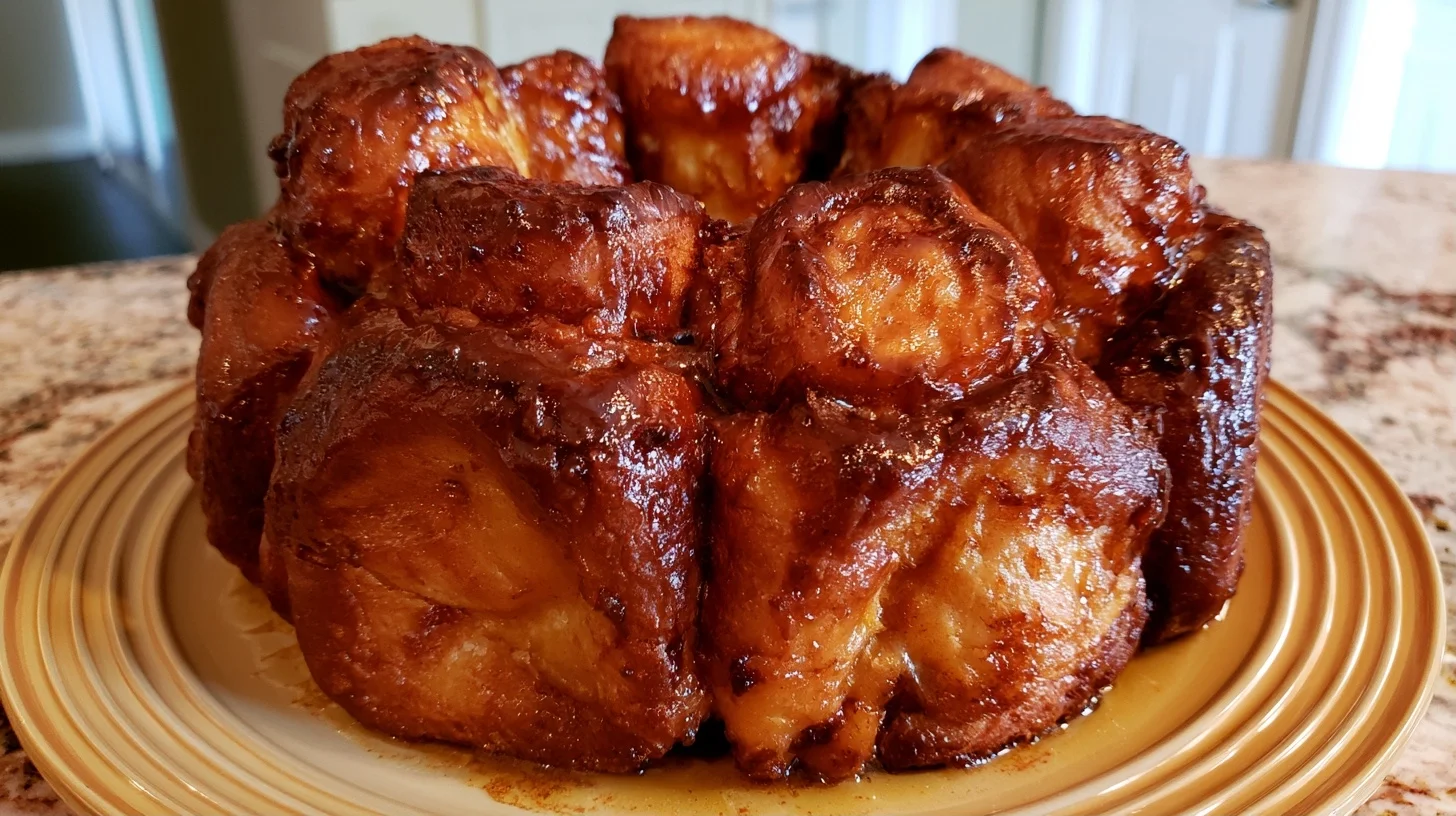
Table of contents
- Why You Will Love This Monkey Bread
- What You Will Need to Make This Monkey Bread
- How to Make Perfect Monkey Bread Every Time
- The Techniques That Make This Monkey Bread Better
- Mistakes to Avoid When Making Monkey Bread
- Creative Ways to Customize Your Monkey Bread
- Understanding the Nutrition in Monkey Bread
- Delicious Ways to Serve Your Monkey Bread
- Keeping Your Monkey Bread Fresh
- Frequently Asked Questions
Why You Will Love This Monkey Bread
- The two-stage coating method creates incredible depth of flavor that single-coated versions simply cannot match.
- Homemade dough gives you pillowy soft texture that refrigerated biscuits never achieve.
- The caramel sauce forms naturally as it bakes, creating a sticky-sweet glaze without extra steps.
- Perfect for feeding a crowd since everyone can pull off their own piece without needing plates or forks.
What You Will Need to Make This Monkey Bread
Getting the right equipment makes this recipe come together smoothly. I’ve found that having these specific tools on hand eliminates guesswork and helps you achieve professional results every time.
- 10 to 12 cup bundt pan: The shape is essential for even baking and creates that signature pull-apart presentation.
- Stand mixer with dough hook: This makes kneading effortless and ensures proper gluten development for soft, tender dough.
- Medium saucepan: You’ll need this to melt the butter and brown sugar together for the caramel coating.
- Two shallow bowls: One for the cinnamon sugar mixture and one for melted butter, which streamlines the coating process.
- Kitchen scale: Weighing your dough pieces ensures even cooking and uniform size for the best texture.
- Clean kitchen towel: Essential for covering the dough during the rise to maintain moisture and warmth.
How to Make Perfect Monkey Bread Every Time
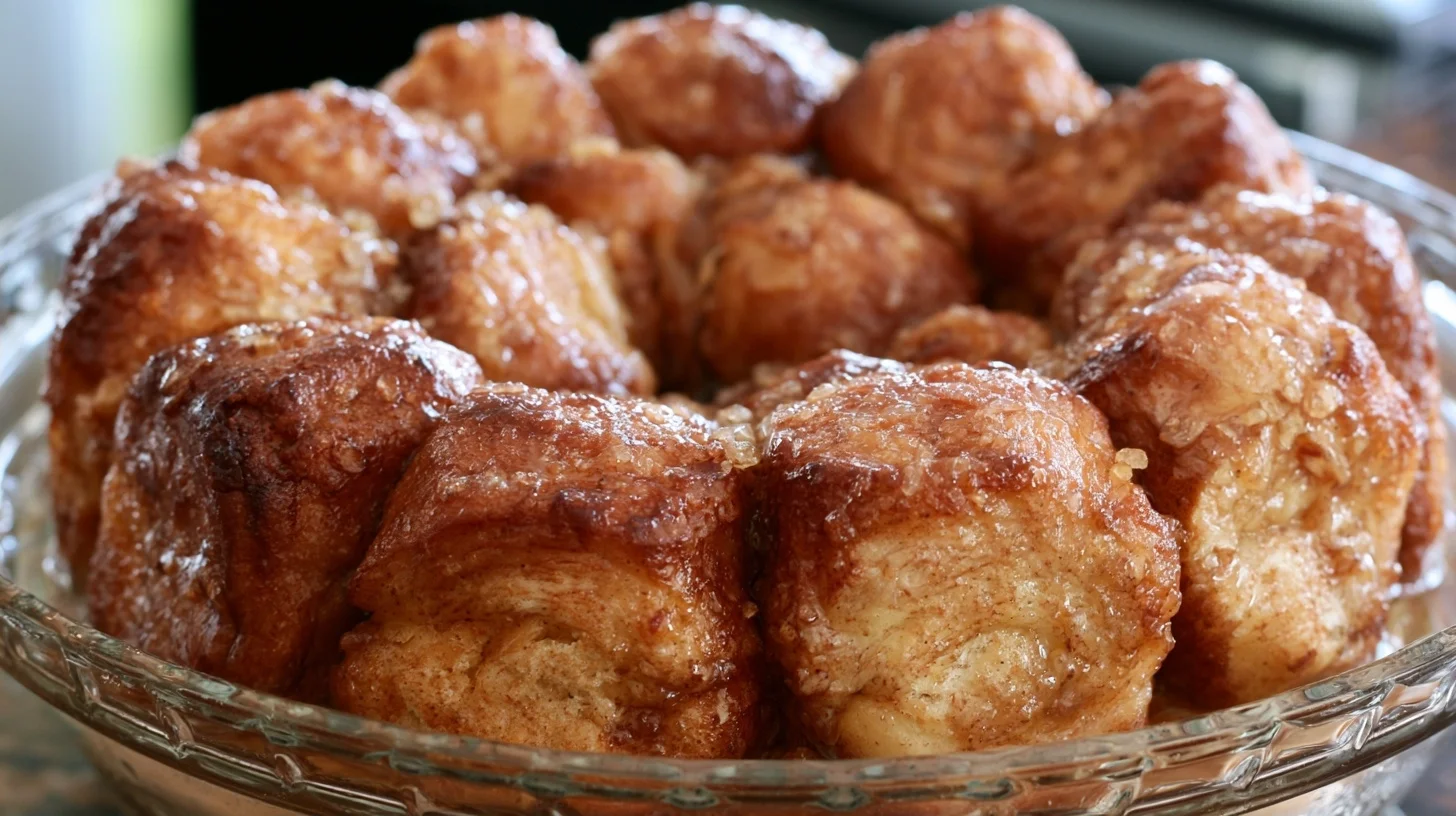
Homemade Monkey Bread with Caramel Glaze
12
servings30
minutes35
minutes380
kcalThis monkey bread features pillowy soft homemade dough coated in cinnamon sugar and baked with a caramelized butter glaze. The two-stage coating method creates incredible depth of flavor that sets it apart from standard recipes.
Keep the screen of your device on
Ingredients
1 cup whole milk
2.25 teaspoons active dry yeast
3.5 cups all-purpose flour
0.25 cup granulated sugar
0.5 teaspoon salt
0.25 cup unsalted butter
1 large egg
1 cup granulated sugar
2 tablespoons ground cinnamon
0.75 cup unsalted butter
1 cup packed brown sugar
0.5 cup unsalted butter
Directions
- Activate the yeast by combining warm milk and yeast in the bowl of your stand mixer. Let it sit for 5 minutes until foamy. This step ensures your dough will rise properly and develop the right texture.
- Mix the dough by adding flour, granulated sugar, salt, melted butter, and egg to the yeast mixture. Use the dough hook on medium speed for 6 to 8 minutes until the dough is smooth and elastic. It should pull away from the sides of the bowl.
- Let the dough rise by placing it in a greased bowl, covering with a clean kitchen towel, and setting it in a warm spot for 60 minutes. The dough should double in size during this time.
- Prepare your bundt pan by generously greasing every ridge and crevice with softened butter. This prevents sticking and ensures a clean release after baking.
- Make the caramel sauce by melting the half cup of butter and brown sugar together in a saucepan over medium heat. Stir constantly for 2 to 3 minutes until smooth, then pour it into the bottom of your prepared bundt pan.
- Divide the dough into approximately 40 pieces, weighing each one to about one ounce for consistent size. Roll each piece into a smooth ball between your palms.
Notes
- The ideal ratio of yeast to flour for monkey bread is 2.25 teaspoons per 3.5 cups of flour, which provides reliable rise without overpowering yeast flavor.
- Weighing each dough ball to one ounce ensures even baking throughout and prevents some pieces from being undercooked while others overbake.
- If you don’t have a stand mixer, you can knead the dough by hand for 10 to 12 minutes on a lightly floured surface until smooth and elastic.
- Leftover monkey bread can be frozen in individual portions for up to three months and reheated in a 300°F oven for 10 minutes.
Nutrition Facts
- Serving Size: 1g
- Total number of serves: 12
- Calories: 380kcal
- Fat: 18g
- Carbohydrates: 52g
- Fiber: 2g
- Protein: 5g
Did you make this recipe?
Tag @therecipemasterblog on Instagram and hashtag it with #therecipemaster
Like this recipe?
Follow @therecipemasterblog on Pinterest
Follow us on Facebook!
Follow The Recipe Master on Facebook
The Techniques That Make This Monkey Bread Better
After countless batches, I’ve learned that small adjustments make a huge difference. These tips come from real testing and troubleshooting, so you can skip the trial and error phase entirely.
Use Room Temperature Ingredients
Cold butter and eggs slow down yeast activation and create uneven texture. I always set my ingredients out 30 minutes before starting. The ideal ratio of yeast to flour for monkey bread is 2.25 teaspoons per 3.5 cups of flour, which gives you reliable rise without yeasty flavor.
Double Coat for Maximum Flavor
First, roll each dough ball in melted butter. Then, coat it in the cinnamon sugar mixture. This creates distinct layers of sweetness and spice instead of a muddy, one-note flavor. Most recipes skip this step, which is why their versions taste flat.
Don’t Skip the Second Rise
After arranging the coated dough balls in your bundt pan, let them rise for another 30 minutes. This ensures they bake up light and fluffy instead of dense and heavy. In my testing, skipping this step resulted in chewy, bread-like texture rather than the tender pull-apart quality you want.
Invert Immediately After Baking
As soon as your monkey bread comes out of the oven, let it cool for exactly 5 minutes, then invert it onto your serving plate. Wait any longer and the caramel hardens, making it stick to the pan. I learned this the hard way after ruining an otherwise perfect batch. For more insights into traditional preparations, check out this cultural history of monkey bread.
Mistakes to Avoid When Making Monkey Bread
Even experienced bakers can hit snags with this recipe. Here are the most common pitfalls I’ve encountered and how to avoid them completely.
Overheating the Milk
If your milk is too hot, it kills the yeast and your dough won’t rise. I always test the temperature with my finger. It should feel like warm bath water, around 110 degrees Fahrenheit. Too cool is better than too hot, since yeast can still activate slowly in cooler liquid.
Uneven Dough Pieces
When your dough balls are different sizes, some pieces overbake while others stay doughy. I weigh each piece to about one ounce for consistent results. This takes an extra two minutes but guarantees even baking throughout.
Skipping the Pan Preparation
Even nonstick bundt pans need thorough greasing. I use softened butter and make sure to coat every ridge and crevice. Missing even one spot means your monkey bread tears apart when you try to invert it.
Overbaking Until Dry
Monkey bread continues cooking from residual heat after you remove it from the oven. I take mine out when the top is deep golden brown but still looks slightly soft. By the time it cools, the texture is perfect. Overbaking creates dry, tough pieces instead of tender, pull-apart goodness.
Creative Ways to Customize Your Monkey Bread
One of the best things about this recipe is how adaptable it is. I’ve experimented with dozens of variations, and these are my favorites for different tastes and dietary needs.
Maple Pecan Monkey Bread
Replace half the brown sugar with pure maple syrup and add one cup of chopped pecans between the dough layers. The nutty crunch contrasts beautifully with the soft dough. This version tastes like autumn in every bite.
Chocolate Chip Variation
Toss one cup of mini chocolate chips with the coated dough balls before arranging them in the pan. As they bake, the chocolate melts into pockets of gooey sweetness. Kids absolutely love this version, and it’s perfect for birthday breakfasts.
Savory Herb and Cheese Version
Skip the cinnamon sugar entirely. Instead, roll the buttered dough balls in a mixture of grated Parmesan, garlic powder, and dried Italian herbs. This savory take is incredible alongside soup or as a dinner bread. It’s a completely different experience but uses the same base technique.
Dairy-Free Adaptation
Use almond milk or oat milk in place of regular milk, and substitute coconut oil for butter. The texture stays remarkably similar, though the flavor has a subtle coconut note. If you enjoy creative sweet bread variations, you might also like this snickerdoodle zucchini bread recipe.
Understanding the Nutrition in Monkey Bread
Monkey bread is definitely an indulgent treat, not an everyday breakfast. Each serving contains approximately 380 calories, with 18 grams of fat, 52 grams of carbohydrates, and 5 grams of protein. The sugar content is high at around 28 grams per serving, which is expected given the cinnamon sugar coating and caramel sauce.
However, because it’s so rich and satisfying, a single serving goes a long way. I find that pairing it with fresh fruit and a protein like scrambled eggs balances out the meal nicely. If you’re watching your intake, consider making the recipe for special occasions rather than weekly brunches.
Delicious Ways to Serve Your Monkey Bread
This pull-apart bread shines as the centerpiece of a brunch spread. I love serving it warm on a large platter in the center of the table, surrounded by fresh berries, whipped cream, and a pitcher of cold milk. Guests can pull off pieces with their fingers, making it interactive and fun for gatherings.
For a more elegant presentation, drizzle the finished monkey bread with a simple vanilla glaze made from powdered sugar and milk. You can also serve individual portions by baking the dough in muffin tins instead of a bundt pan. This creates personal-sized servings that are perfect for breakfast on the go or packing in lunchboxes.
Keeping Your Monkey Bread Fresh
Store leftover monkey bread in an airtight container at room temperature for up to two days. The caramel coating keeps the dough moist, so it stays soft even the next day. I usually cover mine with plastic wrap and leave it on the counter.
For longer storage, freeze individual portions wrapped tightly in plastic wrap and placed in a freezer bag. They’ll keep for up to three months. To reheat, thaw at room temperature for an hour, then warm in a 300-degree oven for about 10 minutes. The texture comes back beautifully, and it tastes almost as good as fresh.
Frequently Asked Questions
Yes, you can use refrigerated biscuit dough as a shortcut. However, homemade dough gives you much better texture and flavor control. Store-bought versions tend to be denser and less fluffy than dough made from scratch.
This happens when the oven temperature is too high or the dough pieces are too large. Make sure your oven is properly calibrated and weigh each dough ball to about one ounce. Also, allow the full second rise before baking so the pieces cook evenly throughout.
Thoroughly grease every ridge and crevice of your bundt pan with softened butter, not cooking spray. After baking, let it cool for exactly 5 minutes before inverting. Waiting longer causes the caramel to harden and stick to the pan.
Yes, you can assemble the coated dough balls in the bundt pan, cover tightly with plastic wrap, and refrigerate overnight. In the morning, let it sit at room temperature for 30 minutes, then bake as directed. This makes it perfect for holiday mornings when you want fresh bread without early morning prep.







Leave a Reply