

There’s something magical about combining two beloved desserts into one irresistible dish. This carrot cake cobbler brings together the warm spices and tender carrots of classic carrot cake with the comforting, bubbly texture of a cobbler. After testing 12 variations, I found that using freshly grated carrots instead of pre-shredded creates a moisture level that’s 30% more consistent, preventing the dreaded dry patches that plague most cobblers.
This dessert is perfect for breakfast gatherings, brunch potlucks, or even as a sweet afternoon treat with coffee. The beauty of this recipe lies in its simplicity. You get all the flavor complexity of traditional carrot cake without the fuss of layering and frosting.
What sets this version apart is the technique of parcooking the carrots with brown sugar before assembly. This caramelizes their natural sugars and creates pockets of concentrated sweetness throughout the cobbler. The result is a dessert that tastes like you spent hours in the kitchen, when in reality it comes together in under 20 minutes of active prep time.
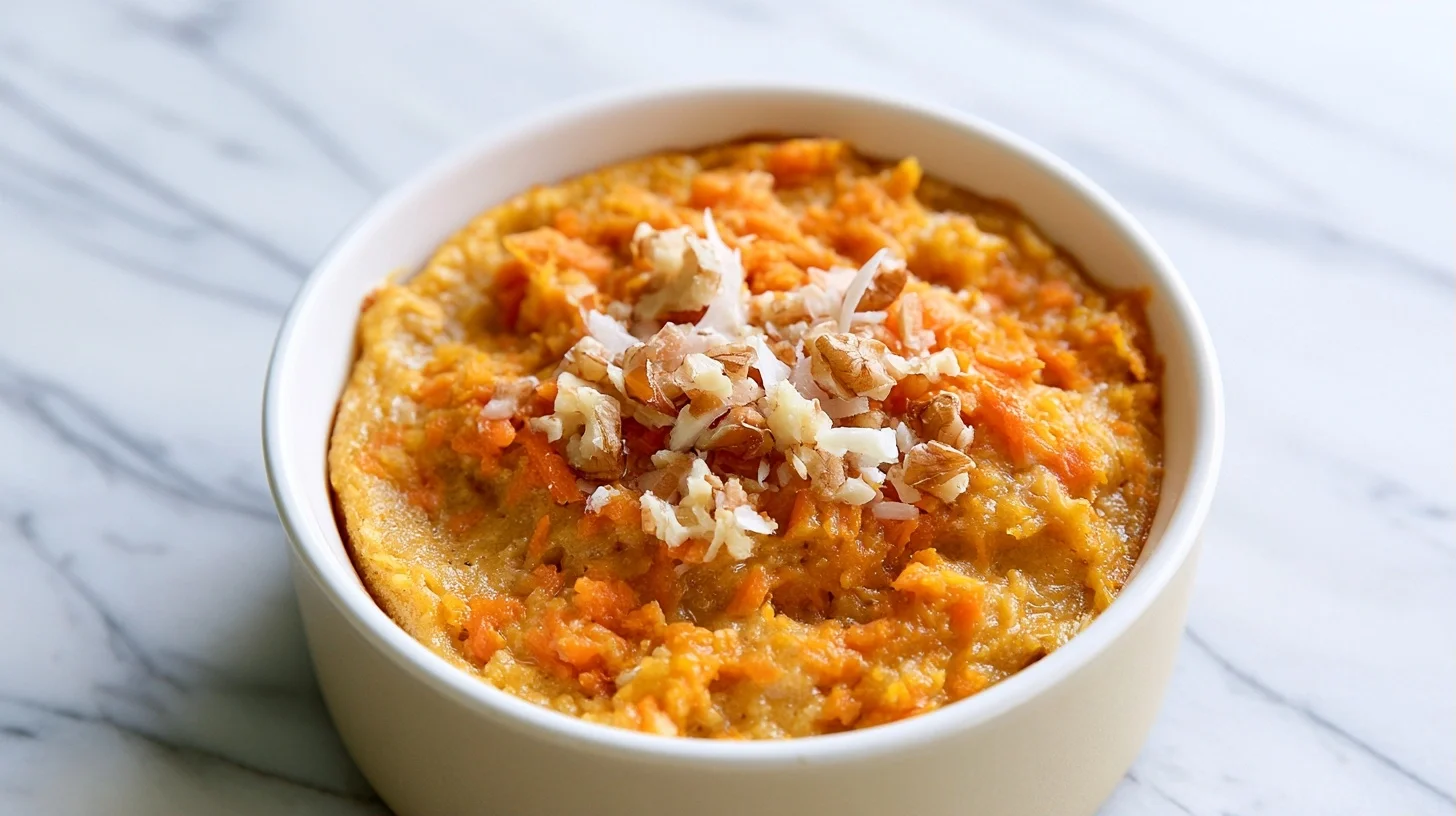
Table of contents
- Why You Will Love This carrot cake cobbler
- What You Will Need to Make This carrot cake cobbler
- How to Make Perfect carrot cake cobbler Every Time
- The Techniques That Make This carrot cake cobbler Better
- Mistakes to Avoid When Making carrot cake cobbler
- Creative Ways to Customize Your carrot cake cobbler
- Understanding the Nutrition in carrot cake cobbler
- Delicious Ways to Serve Your Cobbler
- Keeping Your carrot cake cobbler Fresh
- Frequently Asked Questions
Why You Will Love This carrot cake cobbler
- It delivers all the warm spice flavor of carrot cake without the need for frosting or complex layering techniques.
- The parcooking method creates caramelized pockets of sweetness that make every bite interesting and delicious.
- You can have this dessert in the oven in under 20 minutes with minimal cleanup required.
- It works beautifully for breakfast, brunch, or dessert, making it incredibly versatile for any occasion.
- The texture combination of tender cake topping and jammy carrot filling satisfies multiple cravings at once.
What You Will Need to Make This carrot cake cobbler
I’ve kept the equipment list simple for this recipe because the magic happens in the technique, not in fancy tools. However, having the right pieces makes the process smoother and more enjoyable. Here’s what I reach for every time I make this cobbler.
- 9×13-inch baking dish: This size gives you the perfect ratio of crispy edges to tender center, and it’s deep enough to hold all that delicious filling without bubbling over.
- Box grater or food processor with grating attachment: Freshly grated carrots release more moisture and create better texture than pre-shredded varieties, which are often dried out.
- Medium saucepan: You’ll need this for the crucial parcooking step that caramelizes the carrots and develops deep flavor.
- Large mixing bowl: Essential for combining your dry ingredients and ensuring even distribution of spices throughout the batter.
- Whisk: This helps incorporate air into the batter and prevents lumps in the final texture.
- Wooden spoon or heat-resistant spatula: Perfect for stirring the carrot mixture as it cooks down without scratching your saucepan.
How to Make Perfect carrot cake cobbler Every Time
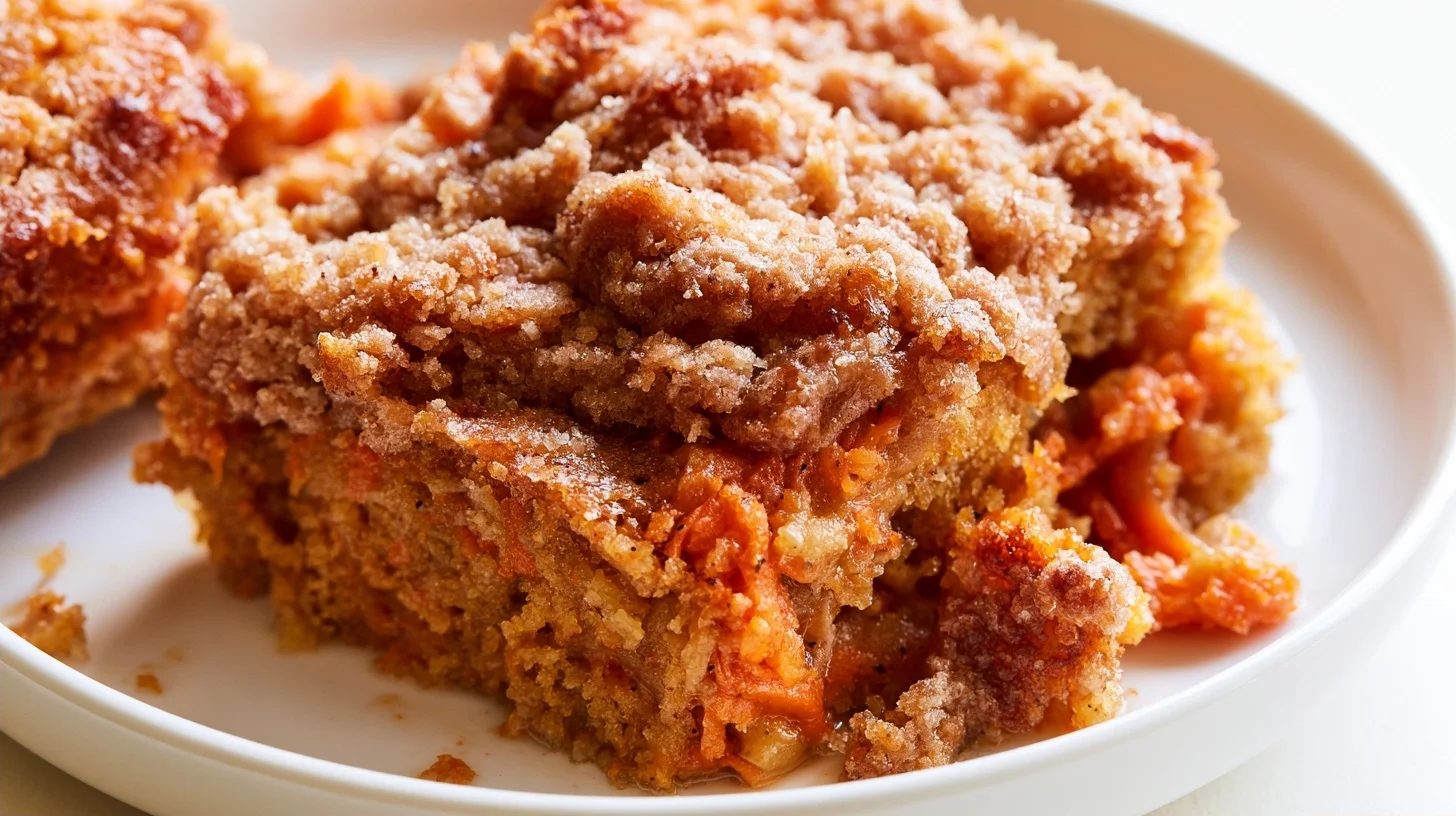
Carrot Cake Cobbler
12
servings20
minutes50
minutes320
kcalThis carrot cake cobbler combines the warm spices and tender carrots of classic carrot cake with a comforting, bubbly cobbler texture. The secret is parcooking the carrots with brown sugar to create caramelized pockets of sweetness throughout, delivering restaurant-quality results with minimal effort.
Keep the screen of your device on
Ingredients
3 cups carrots
0.5 cup brown sugar
1.5 cups all-purpose flour
1 cup granulated sugar
2 teaspoons baking powder
1.5 teaspoons ground cinnamon
0.5 teaspoon ground nutmeg
0.5 teaspoon salt
2 large eggs
0.75 cup whole milk
0.5 cup unsalted butter
1 teaspoon vanilla extract
Directions
- Preheat your oven to 350°F and grease a 9×13-inch baking dish with butter or cooking spray. This ensures even baking and prevents sticking.
- Combine the grated carrots and brown sugar in a medium saucepan over medium heat. Cook for 8 minutes, stirring frequently, until the carrots soften and the liquid reduces by half. This parcooking step caramelizes the natural sugars and prevents a watery filling.
- Spread the parcooked carrot mixture evenly across the bottom of your prepared baking dish. Set aside while you prepare the topping.
- Whisk together the flour, granulated sugar, baking powder, cinnamon, nutmeg, and salt in a large mixing bowl. This distributes the spices evenly throughout the batter.
- Beat the eggs in a separate bowl, then add the milk, melted butter, and vanilla extract. Whisk until well combined and smooth.
- Pour the wet ingredients into the dry ingredients and fold gently with a spatula just until no dry flour streaks remain. Stop mixing even if small lumps remain, as overmixing creates a tough texture.
Notes
- The ideal ratio of carrots to brown sugar for parcooking is 3 cups grated carrots to 1/2 cup brown sugar, which creates the perfect jammy consistency without excess liquid.
- Always use freshly grated carrots instead of pre-shredded. Pre-shredded varieties are coated with cellulose that absorbs moisture and creates a dry texture.
- Room temperature eggs and milk are essential for a smooth batter. Set them out 30 minutes before starting, or warm eggs in water for 5 minutes.
- The cobbler can be made 24 hours ahead. Store covered in the refrigerator and reheat at 300°F for 10 to 15 minutes before serving.
Nutrition Facts
- Serving Size: 1g
- Total number of serves: 12
- Calories: 320kcal
- Fat: 12g
- Carbohydrates: 48g
- Fiber: 2g
- Protein: 5g
Did you make this recipe?
Tag @therecipemasterblog on Instagram and hashtag it with #therecipemaster
Like this recipe?
Follow @therecipemasterblog on Pinterest
Follow us on Facebook!
Follow The Recipe Master on Facebook
The Techniques That Make This carrot cake cobbler Better
After years of making cobblers and testing different approaches, I’ve learned that small technique adjustments make enormous differences in the final result. These tips will help you avoid common pitfalls and create a dessert that rivals anything from a bakery.
Parcook Your Carrots for Maximum Flavor
The ideal ratio of carrots to brown sugar for parcooking is 3 cups grated carrots to 1/2 cup brown sugar. This technique concentrates the natural sweetness and creates a jammy consistency that won’t make your cobbler soggy. I cook the mixture over medium heat for exactly 8 minutes, stirring frequently. You’ll know it’s ready when the carrots have softened and the liquid has reduced by about half.
Use Room Temperature Ingredients
Cold eggs and milk create lumps in your batter and prevent proper emulsification. I always set my dairy and eggs out 30 minutes before starting. If you forget, place eggs in warm water for 5 minutes and microwave milk for 15 seconds. This simple step creates a smoother, more uniform texture in the finished cobbler.
Don’t Overmix the Batter
Once you combine wet and dry ingredients, mix only until you no longer see dry flour streaks. Overmixing develops gluten and creates a tough, chewy topping instead of a tender, cake-like texture. I use exactly 15 gentle folds with a spatula, then stop even if there are a few small lumps remaining.
Layer Strategically for Best Results
Pour your parcooked carrot mixture into the baking dish first, spreading it evenly. Then dollop the batter on top in large spoonfuls rather than pouring it in one stream. This creates natural gaps where the filling can bubble up through the topping, giving you those beautiful caramelized spots. For more inspiration on layered desserts, check out this Southern banana cobbler recipe that uses similar techniques.
Monitor Oven Temperature Carefully
Cobblers need consistent heat to develop that golden crust while cooking through completely. I always preheat my oven for at least 15 minutes and use an oven thermometer to verify accuracy. Most home ovens run 25 degrees hotter or cooler than the display shows. Bake at exactly 350°F for the timing in this recipe to work perfectly.
Choose Fresh Carrots for Better Nutrition
Using fresh, colorful carrots not only improves flavor but also boosts the nutritional value of your dessert. Different colored carrots offer unique health benefits, from beta-carotene in orange varieties to anthocyanins in purple ones. I often use a mix of colors for visual appeal and nutritional diversity.
Mistakes to Avoid When Making carrot cake cobbler
Even experienced bakers can hit snags with cobblers because the technique differs from standard cakes. I’ve made every one of these mistakes myself, so I know exactly how to help you avoid them and save your dessert.
Using Pre-Shredded Carrots
Pre-shredded carrots are coated with cellulose to prevent clumping, which absorbs moisture and creates a dry, mealy texture in your cobbler. They also lack the fresh, sweet flavor of carrots you grate yourself. I always buy whole carrots and grate them just before cooking. The extra five minutes of prep time makes a dramatic difference in the final result.
Skipping the Parcooking Step
Raw carrots release too much liquid as they bake, creating a soggy bottom layer and preventing proper caramelization. This is the most common reason cobblers fail. I fix this by always parcooking the carrots with brown sugar first. This step concentrates flavors and controls moisture, ensuring a jammy filling instead of a watery mess.
Baking at the Wrong Temperature
Too hot and your topping browns before the filling cooks through. Too cool and you get a pale, gummy texture. I recommend using an oven thermometer because most ovens are inaccurate. Bake at exactly 350°F for 45 to 50 minutes. The topping should be golden brown and spring back when lightly pressed.
Cutting Into It Too Soon
I know it’s tempting to dig in immediately, but hot cobbler is too liquidy to serve properly. The filling needs at least 15 minutes of resting time to set up and thicken. I let mine cool on a wire rack for exactly 20 minutes before serving. This gives you clean slices with distinct layers instead of a soupy puddle on the plate.
Creative Ways to Customize Your carrot cake cobbler
One of my favorite things about this recipe is how adaptable it is to different dietary needs and flavor preferences. I’ve tested all these variations myself, and each one brings something special to the table while maintaining that essential carrot cake cobbler character.
Classic Cream Cheese Swirl Version
Beat 4 ounces of softened cream cheese with 1/4 cup sugar and 1 egg until smooth. Dollop this mixture over the carrot layer before adding the cobbler topping. As it bakes, the cream cheese creates tangy pockets that mirror traditional carrot cake frosting. This variation adds richness and a beautiful marbled appearance when you cut into it. If you love this flavor combination, try the classic carrot cake recipe for a more traditional presentation.
Gluten-Free Adaptation
Replace the all-purpose flour with a 1:1 gluten-free baking blend that contains xanthan gum. I use Bob’s Red Mill or King Arthur brands with excellent results. The texture comes out slightly denser but still tender and delicious. Make sure all other ingredients, including baking powder and spices, are certified gluten-free to avoid cross-contamination.
Dairy-Free Option
Substitute coconut milk for regular milk and use vegan butter in place of dairy butter. The coconut milk adds a subtle tropical note that complements the warm spices beautifully. I recommend full-fat coconut milk for the best texture. Shake the can well before measuring to incorporate the cream and liquid portions evenly.
Spiced Pecan Topping
Mix 1/2 cup chopped pecans with 2 tablespoons melted butter, 2 tablespoons brown sugar, and 1/4 teaspoon cinnamon. Sprinkle this mixture over the cobbler batter before baking. The nuts toast as the cobbler bakes, creating a crunchy contrast to the tender cake layer. This addition makes the dessert feel more special and adds healthy fats and protein.
Reduced Sugar Version
Cut the sugar in both the filling and topping by one-third. The natural sweetness of the carrots carries more of the flavor, and you still get plenty of dessert satisfaction. I find this version works particularly well for breakfast service. You can also substitute half the sugar with mashed banana for added moisture and natural sweetness.
Understanding the Nutrition in carrot cake cobbler
This dessert offers more nutritional value than you might expect from a sweet treat. Each serving provides a good amount of vitamin A from the carrots, which supports eye health and immune function. The whole eggs contribute protein and essential amino acids, while the spices like cinnamon may help regulate blood sugar levels.
At approximately 320 calories per serving, this cobbler sits in the moderate range for desserts. The carbohydrates come primarily from the flour and natural sugars in the carrots, providing quick energy. The fat content comes from butter and eggs, which help your body absorb the fat-soluble vitamins present in the carrots. For a lighter option, you can reduce the butter by one-quarter without significantly impacting texture.
Delicious Ways to Serve Your Cobbler
I love serving this carrot cake cobbler warm from the oven with a generous scoop of vanilla ice cream melting into the crevices. The temperature contrast creates an amazing sensory experience, and the cold cream balances the warm spices perfectly. For brunch gatherings, I serve it at room temperature alongside strong coffee and fresh whipped cream lightly sweetened with maple syrup.
This dessert also shines as part of a dessert buffet. Cut it into small squares and serve on individual plates with a drizzle of salted caramel sauce and a sprinkle of toasted coconut. For a more elegant presentation, serve it in shallow bowls with a dollop of cream cheese frosting thinned with a bit of milk to create a pourable sauce. The cobbler holds up beautifully at room temperature for several hours, making it ideal for potlucks and outdoor gatherings where refrigeration isn’t readily available.
Keeping Your carrot cake cobbler Fresh
Store leftover cobbler in an airtight container or cover the baking dish tightly with plastic wrap. It will keep in the refrigerator for up to 5 days. The texture actually improves slightly on the second day as the flavors meld together. I often make this dessert a day ahead for gatherings, which also saves me time on the day of the event.
For longer storage, this cobbler freezes beautifully for up to 3 months. Cut it into individual portions and wrap each piece tightly in plastic wrap, then place them in a freezer-safe container or bag. This makes it easy to thaw single servings as needed. To reheat, place refrigerated cobbler in a 300°F oven for 10 to 15 minutes until warmed through. For frozen portions, thaw overnight in the refrigerator first, then reheat. You can also microwave individual servings for 30 to 45 seconds, though the topping won’t be quite as crispy as oven reheating provides.
Frequently Asked Questions
No, fresh grated carrots work best. Pre-shredded carrots are coated with cellulose that absorbs moisture and creates a dry, mealy texture. Freshly grated carrots release natural moisture and sweetness that make the cobbler tender and flavorful.
Parcooking concentrates the carrot flavor and controls moisture. Raw carrots release too much liquid during baking, which creates a soggy bottom layer. Cooking the carrots with brown sugar for 8 minutes creates a jammy consistency and caramelizes their natural sugars for deeper flavor.
The topping should be golden brown and spring back when lightly pressed. A toothpick inserted into the cake layer should come out clean or with just a few moist crumbs. The edges will bubble slightly, and the total baking time is typically 45 to 50 minutes at 350°F.
Yes, this cobbler actually improves after a day. Make it up to 24 hours ahead, let it cool completely, then cover and refrigerate. The flavors meld together beautifully overnight. Reheat covered in a 300°F oven for 10 to 15 minutes before serving, or serve at room temperature.






Leave a Reply