

- Start with a thick yogurt base, add crunchy toppings next, then fruit, finish with drizzles to preserve texture in every bite.
- Use Greek yogurt or Icelandic skyr for high protein; aim for at least 15 grams per cup, typical bowl gives 20 to 25 grams.
- Prep yogurt and toppings separately for grab-and-go mornings; never fully assemble ahead to avoid soggy crunchies.
- Balance creamy, crunchy, chewy elements and sweet versus tart flavors; let refrigerated yogurt sit five minutes for creamier taste.
- Customize freely: berry, tropical, chocolate peanut butter, savory Mediterranean, or dairy-free coconut options for every meal and preference.
There’s something magical about opening your fridge in the morning and knowing that a satisfying, nourishing yogurt bowl is just minutes away. I’ve been making these bowls for years, and after testing over 30 different combinations, I discovered that the secret to a truly exceptional yogurt bowl isn’t just about piling on toppings. It’s about layering textures and balancing creamy, crunchy, and chewy elements in a specific order that transforms simple yogurt into something you’ll crave daily.
This recipe is my go-to formula for busy mornings, post-workout fuel, or even a light dinner when I want something fresh and protein-packed. The best part? You can prep the components ahead and assemble in under three minutes. Whether you’re looking for a quick breakfast or a customizable snack, this yogurt bowl delivers every single time.
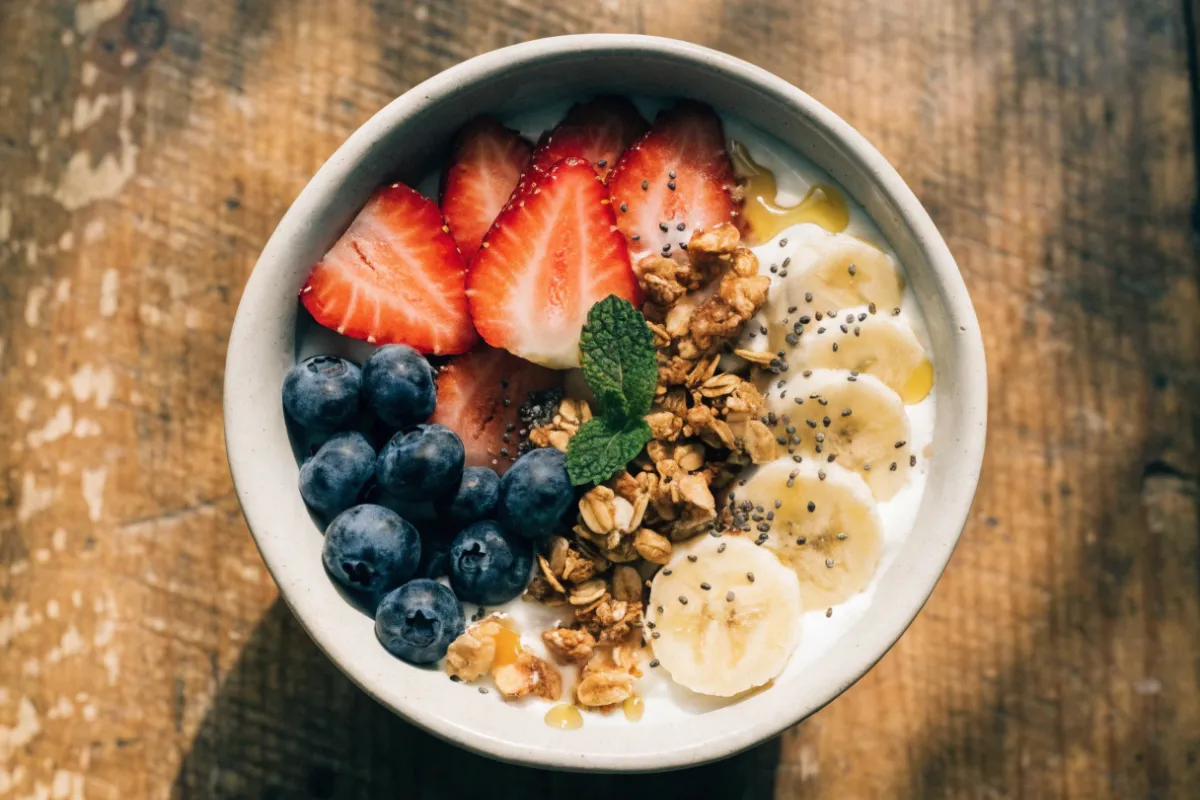
Table of contents
- Why You Will Love This yogurt bowl
- Your Perfect Yogurt Bowl Starts Here
- The Layering Technique That Makes This Yogurt Bowl Restaurant-Quality
- Creative Ways to Customize Your Yogurt Bowl
- What Makes This Yogurt Bowl Nutritionally Balanced
- Delicious Ways to Enjoy Your Yogurt Bowl
- How to Keep Your Yogurt Bowl Fresh
- Frequently Asked Questions
Why You Will Love This yogurt bowl
- This yogurt bowl comes together in under five minutes with minimal cleanup and maximum flavor.
- You can customize every layer to match your dietary needs, taste preferences, and what’s already in your pantry.
- Each bowl delivers over 20 grams of protein and keeps you satisfied for hours without feeling heavy.
- The layering technique creates distinct textures in every spoonful, making each bite more interesting than the last.
Your Perfect Yogurt Bowl Starts Here
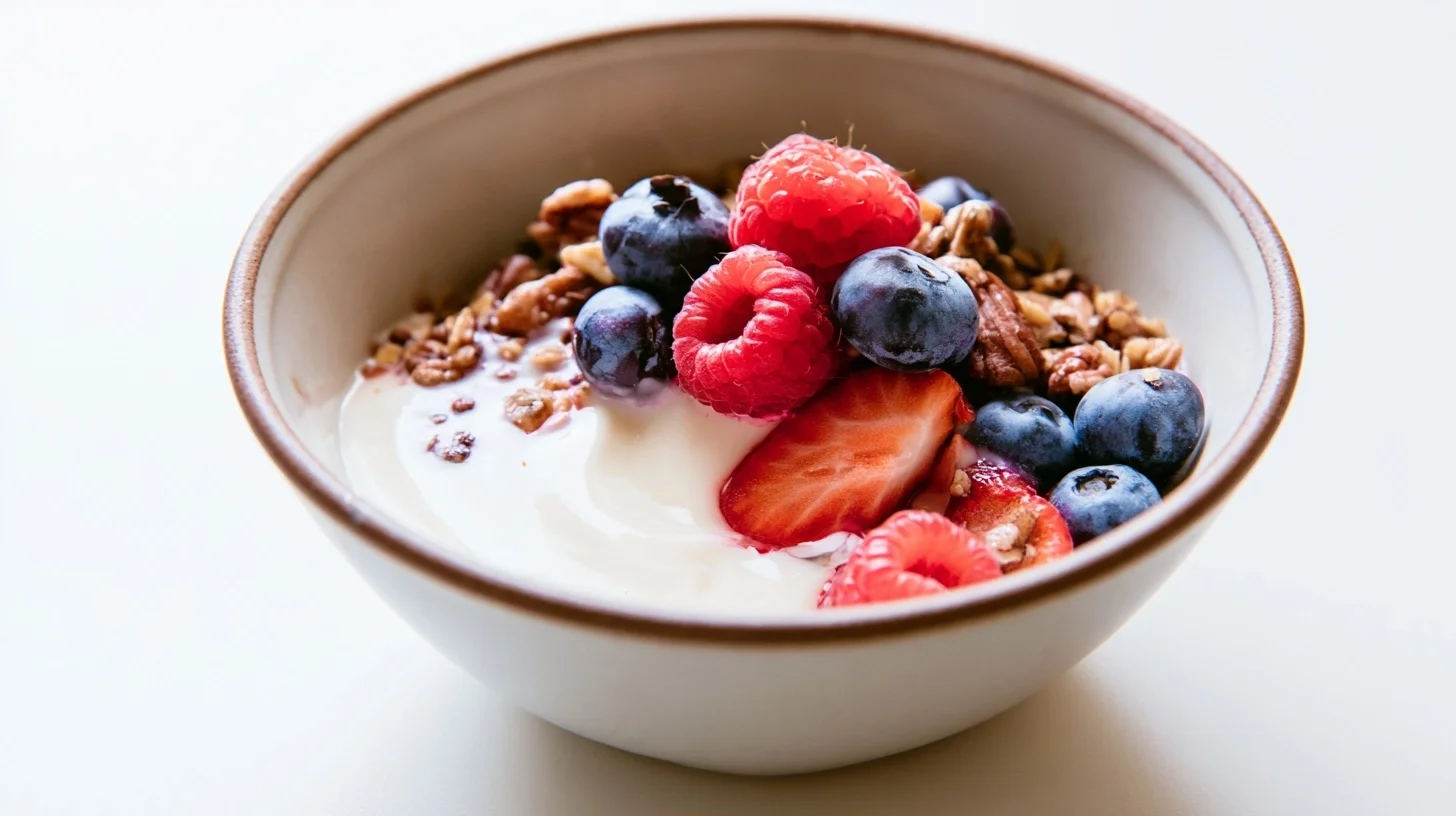
Protein-Packed Yogurt Bowl
1
servings5
minutes0
minutes325
kcalThis yogurt bowl combines creamy Greek yogurt with fresh fruit, crunchy granola, and your choice of toppings for a balanced, protein-rich meal. The strategic layering technique keeps every element at its perfect texture from first bite to last.
Keep the screen of your device on
Ingredients
1 cup Greek yogurt
0.5 cup fresh berries
0.25 cup granola
1 tablespoon sliced almonds
1 tablespoon chia seeds
1 teaspoon honey
0.5 banana
1 tablespoon shredded coconut
0.25 teaspoon vanilla extract
1 pinch cinnamon
Directions
- Add the yogurt to your bowl and spread it evenly across the bottom using the back of a spoon. This creates a smooth foundation that holds all your toppings securely.
- Drizzle honey in a zigzag pattern across the yogurt surface without mixing it in. This keeps the sweetness concentrated in pockets rather than diluting the tangy yogurt flavor throughout.
- Sprinkle the granola and sliced almonds over the yogurt immediately after the honey. Adding crunchy elements before any wet ingredients prevents them from becoming soggy.
- Arrange the fresh berries and banana slices on top of the crunchy layer in an attractive pattern. The moisture from the fruit will naturally seep down but won’t reach the granola if layered correctly.
- Scatter chia seeds across the top for added nutrition and a slight textural contrast. These tiny seeds provide omega-3 fatty acids and fiber without changing the overall flavor profile.
- Finish with optional toppings like shredded coconut, a pinch of cinnamon, or a few drops of vanilla extract. These final touches add aromatic complexity and visual appeal.
Notes
- The ideal protein-to-serving ratio for a satisfying yogurt bowl is at least 15 grams of protein per cup of yogurt, which Greek yogurt easily provides.
- Let your yogurt sit at room temperature for 5 minutes before assembling for a creamier texture and more pronounced flavor.
- Store yogurt and toppings separately if prepping ahead to maintain optimal texture and freshness.
- Frozen berries work just as well as fresh and can be added directly to the bowl for a slightly chilled, thicker consistency.
Nutrition Facts
- Serving Size: 1 g
- Total number of serves: 1
- Calories: 325kcal
- Fat: 10g
- Carbohydrates: 38g
- Fiber: 6g
- Protein: 22g
Did you make this recipe?
Tag @therecipemasterblog on Instagram and hashtag it with #therecipemaster
Like this recipe?
Follow @therecipemasterblog on Pinterest
Follow us on Facebook!
Follow The Recipe Master on Facebook
The Layering Technique That Makes This Yogurt Bowl Restaurant-Quality
I’ve learned that the order in which you add ingredients matters more than most people realize. The key to a yogurt bowl that stays interesting from first bite to last is strategic layering. First, I always start with the yogurt base spread evenly across the bowl. Then I add my liquid elements like honey or nut butter in a drizzle pattern rather than mixing them in.
Choose the Right Yogurt Base
Greek yogurt is my preferred choice because it provides a thick, creamy foundation that holds toppings well. However, Icelandic skyr offers even more protein if that’s your priority. Regular yogurt works too, but it tends to be runnier and may not support heavier toppings. The ideal protein-to-serving ratio for a satisfying yogurt bowl is at least 15 grams of protein per cup of yogurt.
Add Crunch Before Moisture
I always add crunchy elements like nuts, seeds, or homemade granola immediately after the yogurt. This prevents them from getting soggy. If you wait and add fresh fruit first, the moisture will seep down and soften your crunchy toppings within minutes. Trust me on this one.
Balance Sweet and Tart Flavors
Plain yogurt can be quite tangy, especially Greek varieties. I recommend adding a small amount of natural sweetness through honey, maple syrup, or mashed banana. Start with one teaspoon and adjust to taste. You can also mix in a pinch of vanilla extract or cinnamon to enhance the overall flavor profile without adding sugar.
Consider Temperature and Timing
Cold yogurt straight from the fridge can be quite thick and less flavorful. I let mine sit at room temperature for about five minutes before assembling. This small step makes the yogurt creamier and allows the flavors to open up. However, don’t leave it out longer than 15 minutes, especially in warm weather.
Creative Ways to Customize Your Yogurt Bowl
One of the things I love most about yogurt bowls is how endlessly adaptable they are. I’ve been experimenting with different combinations for years, and these variations have become staples in my weekly rotation. Each one brings a completely different flavor profile while maintaining that satisfying balance of protein, healthy fats, and carbohydrates.
Berry Bliss Bowl
Use a mix of fresh or frozen berries including blueberries, strawberries, and raspberries. Add a handful of sliced almonds and a drizzle of honey. The antioxidants in berries pair beautifully with the probiotics in yogurt, creating a gut-healthy powerhouse. I often add a tablespoon of chia seeds for extra fiber and omega-3s.
Tropical Paradise Bowl
Top your yogurt with diced mango, pineapple chunks, shredded coconut, and macadamia nuts. A squeeze of fresh lime juice brightens everything up. This variation reminds me of vacation mornings and works especially well with coconut yogurt if you want to go dairy-free.
Chocolate Peanut Butter Bowl
Swirl in a tablespoon of natural peanut butter and add cacao nibs, sliced banana, and a sprinkle of dark chocolate chips. This tastes like dessert but delivers serious nutrition. I make this version when I’m craving something indulgent but still want to stay on track with my health goals.
Savory Mediterranean Bowl
Not all yogurt bowls need to be sweet. Try plain Greek yogurt topped with diced cucumber, cherry tomatoes, olives, a drizzle of olive oil, and za’atar seasoning. This makes an excellent light lunch or afternoon snack. The savory approach is surprisingly refreshing and offers a different way to enjoy yogurt’s versatility.
Dairy-Free Alternative
Substitute with coconut yogurt, almond yogurt, or cashew yogurt. Look for unsweetened varieties with live active cultures for the probiotic benefits. Coconut yogurt tends to be the creamiest dairy-free option and works beautifully with tropical fruits and nuts.
What Makes This Yogurt Bowl Nutritionally Balanced
Each serving of this yogurt bowl provides approximately 300-350 calories, depending on your topping choices. You’ll get around 20-25 grams of protein from the Greek yogurt base, which supports muscle maintenance and keeps hunger at bay. The healthy fats from nuts and seeds provide sustained energy, while the carbohydrates from fruit and optional granola offer quick fuel.
I appreciate that this breakfast option delivers substantial protein without feeling heavy. The combination of protein, fiber, and healthy fats creates a balanced macronutrient profile that stabilizes blood sugar levels throughout the morning. Greek yogurt’s health benefits extend beyond protein, including probiotics that support digestive health and calcium for bone strength.
Delicious Ways to Enjoy Your Yogurt Bowl
I typically enjoy my yogurt bowl as a quick breakfast before heading out the door, but it’s incredibly versatile throughout the day. It makes an excellent post-workout snack because the protein helps with muscle recovery while the carbohydrates replenish glycogen stores. On busy afternoons, I’ll make a smaller version as a satisfying snack that keeps me energized until dinner.
For brunch gatherings, I set up a yogurt bowl bar with the base in a large bowl and all the toppings in separate dishes. Guests love customizing their own combinations, and it takes the pressure off me as a host. This approach works beautifully for family breakfasts too, especially when everyone has different preferences or dietary restrictions. You can even pack the components separately for a portable lunch that you assemble when ready to eat.
How to Keep Your Yogurt Bowl Fresh
Store plain yogurt in its original container in the refrigerator for up to two weeks after opening. Once you’ve assembled a yogurt bowl with toppings, it’s best enjoyed immediately. However, if you need to prep ahead, keep the yogurt and toppings separate in airtight containers.
I often portion out individual servings of yogurt into small glass jars and prep my toppings in separate containers for the week. This way, I can grab and assemble quickly each morning. Fresh fruit should be washed and cut the night before for maximum convenience. Granola and nuts stay crunchiest when stored in a separate container and added just before eating. Assembled yogurt bowls don’t freeze well due to the yogurt’s texture change upon thawing, so I recommend keeping everything refrigerated and fresh.
Frequently Asked Questions
Greek yogurt is the best choice. It provides a thick, creamy base with high protein content that holds toppings well and keeps you satisfied longer than regular yogurt.
No, not fully assembled. The toppings will become soggy if mixed with yogurt in advance. Instead, prep individual components separately and assemble just before eating for the best texture and freshness.
A typical yogurt bowl contains 300-350 calories. This varies based on your topping choices, yogurt type, and portion sizes, but provides a balanced meal with protein, healthy fats, and carbohydrates.
The best toppings include fresh berries, sliced banana, granola, nuts, seeds, honey, and nut butter. Layer crunchy elements first, then add fresh fruit, and finish with drizzles to maintain texture contrast throughout.







Leave a Reply