

- Use 1 tablespoon fresh lime juice per cup diced mango for ideal sweet and tangy balance.
- Salt diced red onion, let sit 10 minutes, rinse and pat dry to remove harsh bite and mellow flavor.
- Choose ripe but firm mangoes; dice ingredients uniformly about 1/4 inch for balanced texture and appearance.
- No cooking required, ready in 15 minutes, stores refrigerated up to three days and tastes better after melding overnight.
This mango salsa brings together perfectly ripe mangoes, crisp bell peppers, and a hint of jalapeño heat in a vibrant bowl that tastes like summer in every bite. After testing 12 different mango-to-acid ratios, I discovered that using 2 tablespoons of lime juice per 2 cups of diced mango creates the ideal balance between sweetness and tang without overwhelming the fruit’s natural flavor. This salsa works beautifully as a dip with tortilla chips, spooned over grilled fish or chicken, or even as a refreshing topping for tacos.
What sets this version apart is the technique of salting the onions and letting them sit for 10 minutes before mixing. This simple step removes the harsh bite and leaves only sweet, mellow flavor that complements rather than competes with the mango. The result is a restaurant-quality salsa that comes together in just 15 minutes with no cooking required.
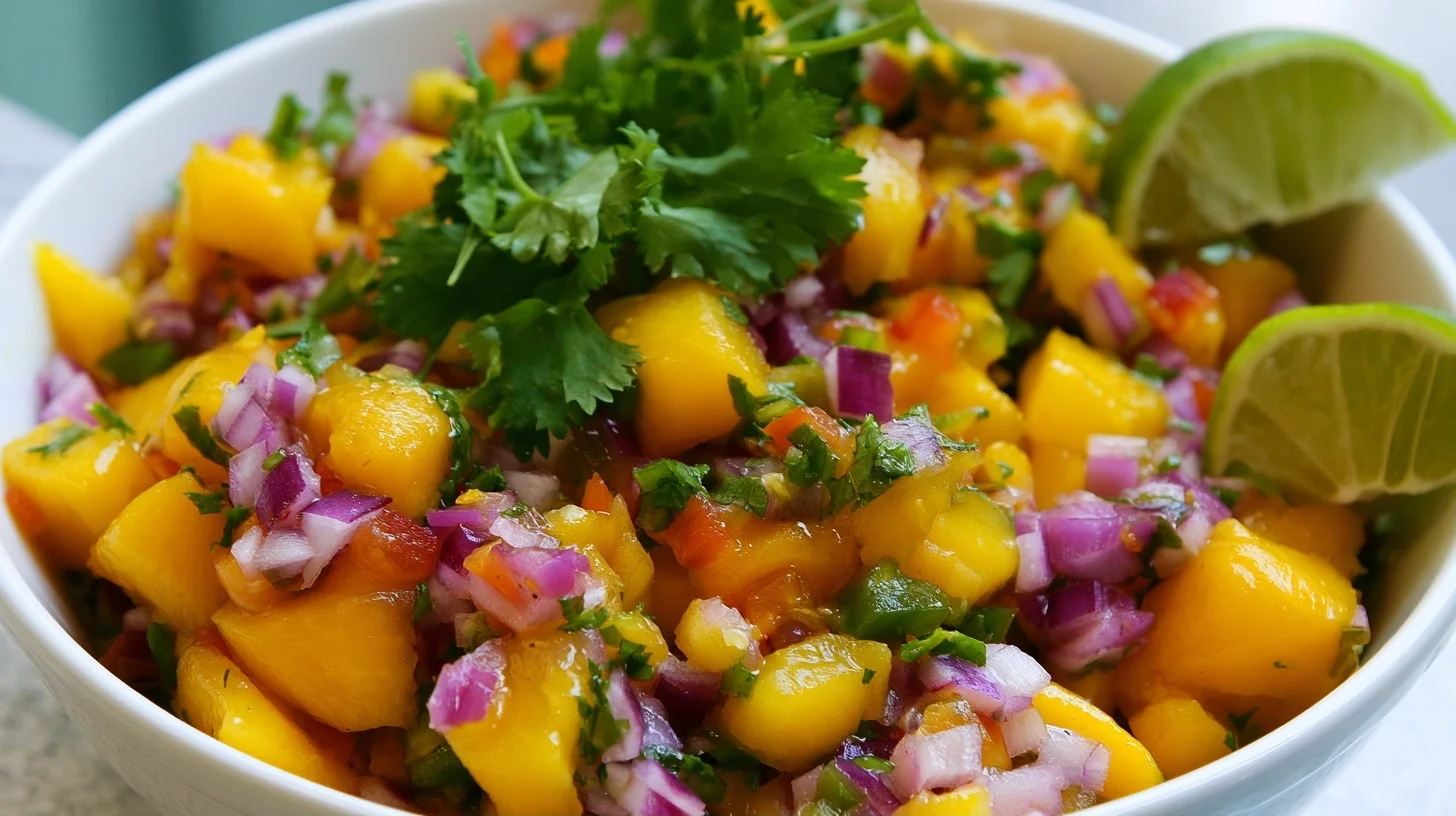
Table of contents
- Why You Will Love This mango salsa
- How to Make the Best Fresh Mango Salsa
- The Techniques That Make This mango salsa Stand Out
- Creative Ways to Customize Your mango salsa
- Nutrition Benefits of Fresh Mango Salsa
- Perfect Pairings for Your Fresh Fruit Salsa
- Keeping Your Mango Salsa Fresh and Flavorful
- Frequently Asked Questions About Mango Salsa
Why You Will Love This mango salsa
- This fresh fruit salsa requires zero cooking and comes together in just 15 minutes with simple knife work.
- The perfect balance of sweet mango, tangy lime, and spicy jalapeño creates layers of flavor that work with everything from chips to grilled proteins.
- The salted onion technique removes bitterness and creates a mellow sweetness that lets the mango shine through.
- This versatile condiment stays fresh in the fridge for up to three days and actually tastes better after the flavors meld overnight.
How to Make the Best Fresh Mango Salsa
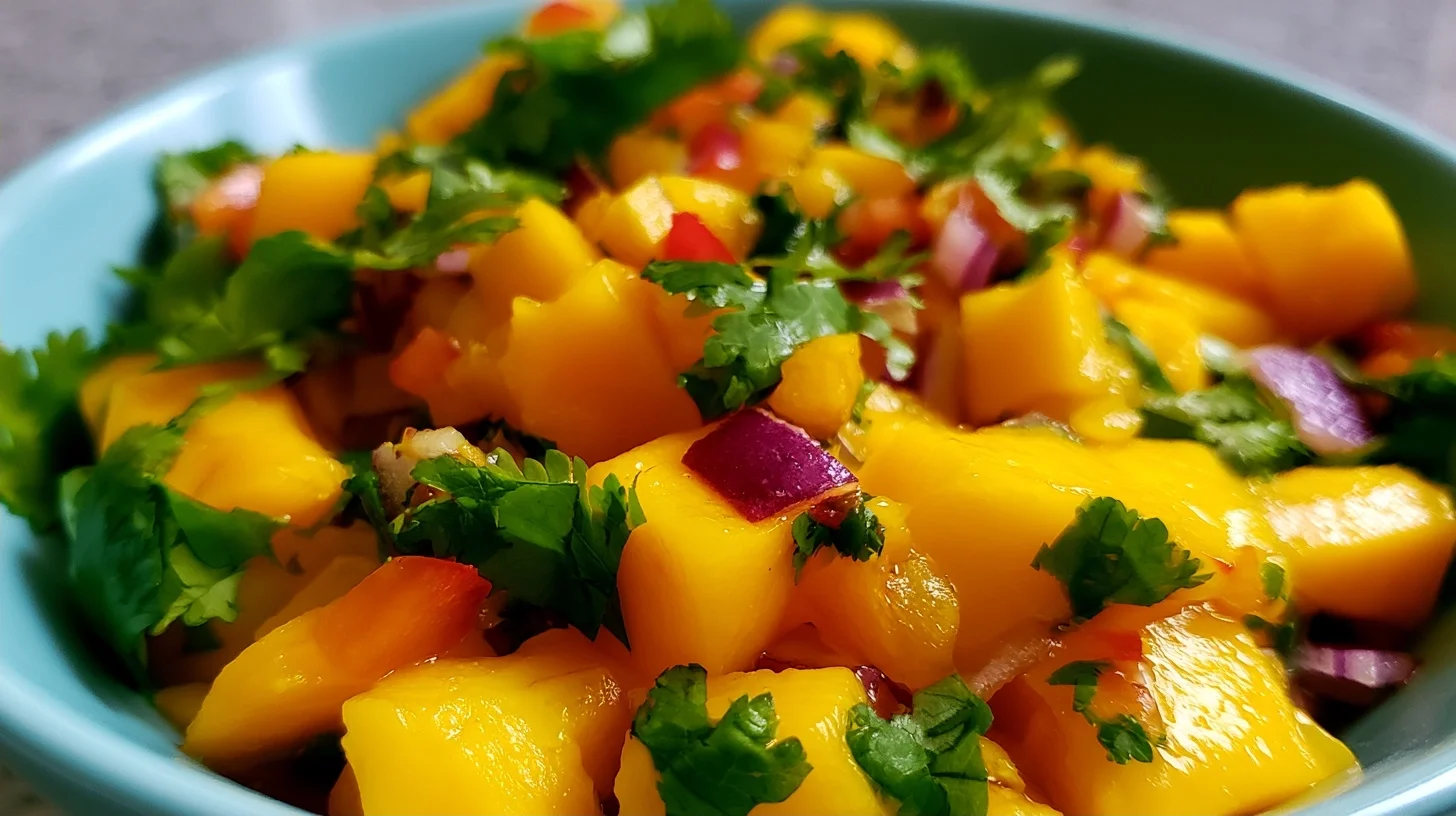
Fresh Mango Salsa
6
servings15
minutes0
minutes45
kcalThis vibrant mango salsa combines perfectly ripe mangoes with crisp bell peppers, red onion, cilantro, and jalapeño in a sweet-spicy balance. The salted onion technique removes harsh bite and creates mellow sweetness that lets the fruit shine.
Keep the screen of your device on
Ingredients
2 cups ripe mango
0.5 cup red bell pepper
0.33 cup red onion
1 whole jalapeño pepper
0.25 cup fresh cilantro
2 tablespoons fresh lime juice
0.25 teaspoon kosher salt
0.125 teaspoon black pepper
Directions
- Salt the diced red onion with a pinch of kosher salt and let it sit in a small bowl for 10 minutes. This draws out harsh compounds and leaves sweet, mellow flavor. After 10 minutes, rinse the onions under cold water and pat them completely dry with paper towels.
- Dice the mangoes into uniform quarter-inch pieces and place them in a medium mixing bowl. Uniform size ensures balanced flavor and texture in every bite.
- Add the bell pepper, prepared onions, jalapeño, and cilantro to the bowl with the mango. Make sure all your vegetables are cut to similar size for the best eating experience.
- Drizzle the lime juice over the mixture and add the salt and black pepper. The lime juice brightens the flavors and prevents the mango from browning.
- Gently fold everything together using a rubber spatula, being careful not to mash the mango. Mix just until all ingredients are evenly distributed throughout the salsa.
- Taste and adjust the seasoning as needed, adding more lime juice for brightness, salt for depth, or jalapeño for heat. Every batch of mangoes has slightly different sweetness levels, so trust your palate.
Notes
- The ideal lime-to-mango ratio for mango salsa is 1 tablespoon of fresh lime juice per cup of diced mango, which creates perfect balance between sweetness and acidity.
- For mild salsa, remove all jalapeño seeds and membranes. For medium heat, leave half the seeds. For spicy salsa, include all seeds and membranes.
- This salsa tastes even better the next day after the flavors have had time to develop and meld together in the refrigerator.
Nutrition Facts
- Serving Size: 1 g
- Total number of serves: 6
- Calories: 45kcal
- Fat: 0g
- Carbohydrates: 11g
- Fiber: 2g
- Protein: 1g
Did you make this recipe?
Tag @therecipemasterblog on Instagram and hashtag it with #therecipemaster
Like this recipe?
Follow @therecipemasterblog on Pinterest
Follow us on Facebook!
Follow The Recipe Master on Facebook
The Techniques That Make This mango salsa Stand Out
After making countless batches of tropical salsa, I’ve learned that a few small techniques make an enormous difference in the final result. These tips will help you achieve perfectly balanced flavor and ideal texture every single time you make this recipe.
Choose Perfectly Ripe Mangoes
The foundation of outstanding mango salsa is fruit that’s ripe but still firm. I look for mangoes that yield slightly to gentle pressure near the stem end but aren’t mushy. The skin should have a fruity aroma, and the color can vary by variety, so don’t rely solely on that. If your mangoes are too firm, leave them at room temperature for a day or two. However, avoid overripe fruit because it will turn your salsa mushy and overly sweet. Mangoes provide excellent vitamin C and fiber, making this a nutritious choice as well as a delicious one.
Salt the Onions First
This is the game-changing step that most recipes skip. Toss your diced red onion with a pinch of salt and let it sit for 10 minutes before adding it to the salsa. The salt draws out harsh sulfur compounds and excess moisture, leaving you with sweet, mellow onion flavor. After the 10 minutes, give the onions a quick rinse and pat them dry. This technique prevents that raw onion burn that can overpower delicate mango flavor.
Dice Everything Uniformly
I recommend cutting all your ingredients into roughly quarter-inch pieces. Uniform dice ensures that every bite has balanced flavor and texture. The mango should be slightly larger than the peppers and onions, but not dramatically so. Take your time with the knife work, as it makes a noticeable difference in both appearance and eating experience.
Add Lime Juice Gradually
The ideal lime-to-mango ratio for mango salsa is 1 tablespoon of fresh lime juice per cup of diced mango. Start with this baseline, then taste and adjust. Different mango varieties have varying sweetness levels, so you may need slightly more or less citrus. Fresh lime juice is essential here because bottled juice lacks the bright, aromatic oils that make this salsa pop. Roll your limes on the counter before cutting to release more juice.
Control the Heat Level
For mild salsa, remove all the seeds and membranes from your jalapeño before dicing. For medium heat, leave in about half the seeds. For a spicy kick, include all the seeds and membranes. I always recommend starting conservative because you can add more heat but can’t take it away. Wash your hands thoroughly after handling jalapeños, and never touch your eyes.
Creative Ways to Customize Your mango salsa
One of my favorite things about this recipe is how easily it adapts to different flavor profiles and dietary needs. In my testing, I’ve discovered that small substitutions can create entirely new dishes while maintaining the fresh, vibrant character that makes mango salsa so appealing.
Tropical Pineapple Version
Replace half the mango with finely diced fresh pineapple for a more complex tropical flavor. The pineapple adds extra acidity and a slightly different sweetness that pairs beautifully with grilled shrimp or fish tacos. I found that this variation needs slightly less lime juice because pineapple is more acidic than mango.
Smoky Chipotle Twist
Add a teaspoon of finely minced chipotle pepper in adobo sauce for a smoky, spicy depth. This variation works exceptionally well with grilled steak or as a topping for black bean burgers. The smokiness complements the sweetness of the mango in an unexpected way that guests always ask about.
Cucumber Mint Refresher
Fold in half a cup of finely diced cucumber and two tablespoons of chopped fresh mint for an ultra-refreshing summer variation. This lighter version pairs perfectly with grilled chicken or as a topping for fish. The cucumber adds crunch without competing with the mango, and the mint brings a cooling quality that balances the jalapeño heat.
Restaurant-Style Pico Version
For a chunkier salsa that’s closer to traditional pico de gallo, add diced tomatoes in equal proportion to the mango. This creates a more substantial salsa that works beautifully with chips or as a taco topping. If you enjoy this style, you might also love this mango pico de gallo recipe that takes the tomato-forward approach even further.
Avocado Enriched
Gently fold in diced avocado just before serving for a creamier texture and richer mouthfeel. The avocado should be firm-ripe so it holds its shape. This variation transforms the salsa into something substantial enough to serve as a light lunch over greens or quinoa.
Nutrition Benefits of Fresh Mango Salsa
This vibrant salsa delivers impressive nutrition along with outstanding flavor. Each serving provides approximately 45 calories, making it a guilt-free addition to any meal. The mangoes contribute significant amounts of vitamin C and vitamin A, supporting immune function and eye health. Bell peppers add even more vitamin C along with antioxidants that protect your cells.
The recipe is naturally low in fat with less than 1 gram per serving, and it provides about 11 grams of carbohydrates, mostly from the natural fruit sugars in the mango. You’ll also get roughly 2 grams of fiber per serving, which aids digestion and helps you feel satisfied. The cilantro and lime juice add negligible calories but contribute fresh flavor and beneficial plant compounds. Because this salsa contains no added sugars or processed ingredients, it fits beautifully into clean eating plans and whole food diets.
Perfect Pairings for Your Fresh Fruit Salsa
This colorful salsa shines as a dip with crispy tortilla chips, but that’s just the beginning. I love spooning it over grilled fish like mahi-mahi, salmon, or tilapia for an instant restaurant-quality dinner. The sweet-spicy combination also works beautifully with grilled chicken breasts, pork chops, or even seared scallops. For a lighter option, serve it alongside grilled shrimp skewers at your next cookout.
Beyond proteins, this mango salsa transforms simple tacos into something special. Try it on fish tacos, carnitas, or even vegetarian black bean tacos for a burst of fresh flavor. It also makes an excellent topping for quesadillas or nachos. For breakfast or brunch, spoon it over scrambled eggs or alongside a cheese omelet for a tropical twist. I’ve even served it as a colorful side salad at summer barbecues, and it disappears faster than traditional coleslaw.
Keeping Your Mango Salsa Fresh and Flavorful
Store your mango salsa in an airtight container in the refrigerator for up to three days. Glass containers work best because they don’t absorb odors or stain. I actually think this salsa tastes better on day two after the flavors have had time to meld together. However, the texture will soften slightly as the salt and lime juice continue to break down the vegetables and fruit.
If you notice excess liquid accumulating at the bottom of your container, simply drain it off before serving. This is normal as the salt draws moisture from the ingredients. For the best texture and flavor, bring the salsa to room temperature about 15 minutes before serving. I don’t recommend freezing this salsa because the mango and vegetables will become mushy when thawed. Instead, make smaller batches more frequently to ensure you always have fresh salsa on hand.
Frequently Asked Questions About Mango Salsa
Yes, you can make mango salsa up to 3 days ahead. Store it in an airtight container in the refrigerator. The flavors actually improve after sitting overnight as the ingredients meld together. Drain any excess liquid before serving.
A ripe mango yields slightly to gentle pressure near the stem end and has a sweet fruity aroma. The fruit should be firm but not hard, and the flesh should be easy to cut without being mushy. Color varies by variety, so don’t rely solely on that indicator.
Fresh mango is strongly recommended for best texture and flavor. Frozen mango releases too much water when thawed and becomes mushy, which makes the salsa watery and less appealing. If you must use frozen, thaw it completely and drain thoroughly before using.
Mango salsa pairs beautifully with grilled fish, chicken, pork chops, shrimp, and scallops. It also works as a taco topping, quesadilla filling, or spooned over scrambled eggs. Try it as a colorful side dish at barbecues or as a topping for black bean burgers.






Leave a Reply