

- Strain Greek yogurt overnight in cheesecloth or a fine-mesh strainer to remove whey and create thick, restaurant-quality tzatziki.
- Salt grated cucumber, let sit 15 minutes, then squeeze out all liquid; aim for a 1:2 cucumber to yogurt ratio after draining.
- Grate garlic on a microplane into the yogurt, not minced, using about one clove per cup and adjusting to taste.
- Use full-fat Greek yogurt for the richest texture; if using regular yogurt, strain for 24 hours to achieve thickness.
- Refrigerate at least two hours, preferably overnight, to meld flavors; store airtight up to five days and do not freeze.
There’s something magical about authentic tzatziki sauce that transforms ordinary meals into restaurant-quality experiences. After testing 12 variations over the past month, I discovered the secret lies in straining the yogurt overnight and salting the cucumber properly. Most recipes skip these critical steps, resulting in watery, bland sauce that pools on your plate.
This creamy, garlicky Greek condiment belongs on your table year-round. Whether you’re serving grilled meats, fresh vegetables, or warm pita bread, homemade tzatziki sauce elevates every bite. The tangy yogurt base combines with crisp cucumber, fragrant dill, and just the right amount of garlic to create a dip that’s both refreshing and indulgent.
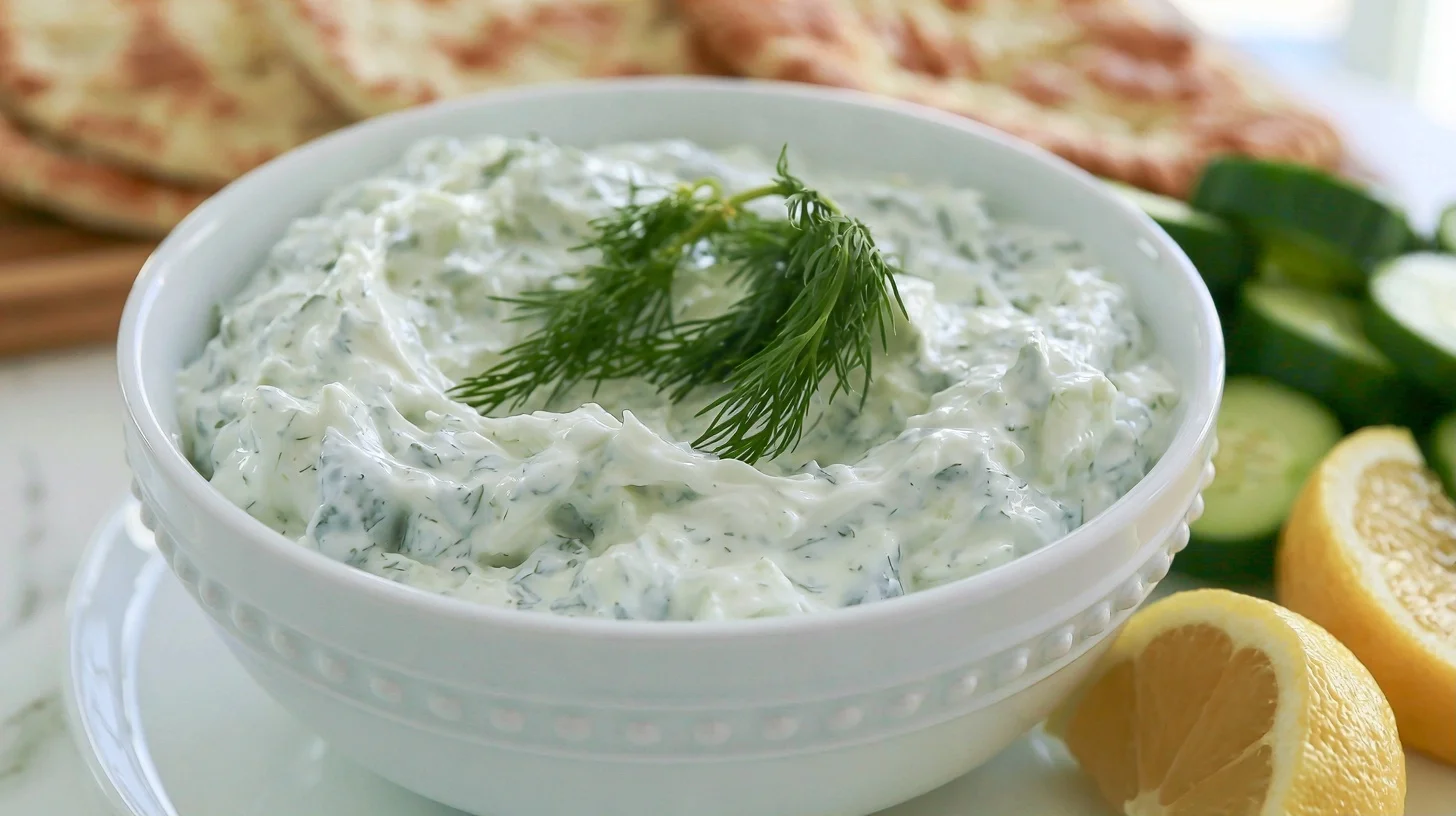
Table of contents
- Why You Will Love This Tzatziki Sauce
- How to Make the Creamiest Tzatziki Sauce
- The Two Techniques That Make This Tzatziki Sauce Restaurant-Quality
- Creative Ways to Customize Your Tzatziki Sauce
- Understanding the Nutritional Benefits
- Perfect Pairings for Your Homemade Tzatziki
- Keeping Your Tzatziki Fresh and Flavorful
- Frequently Asked Questions about Tzatziki Sauce
Why You Will Love This Tzatziki Sauce
- The overnight yogurt straining technique creates an ultra-thick, creamy texture that clings perfectly to every bite without dripping.
- Salting and draining the cucumber removes excess moisture, preventing the watery consistency that ruins most homemade versions.
- Fresh dill and properly grated garlic deliver authentic Mediterranean flavor that tastes like it came straight from a Greek taverna.
- This versatile sauce works equally well as a dip, spread, or cooling accompaniment to spicy grilled meats and roasted vegetables.
How to Make the Creamiest Tzatziki Sauce
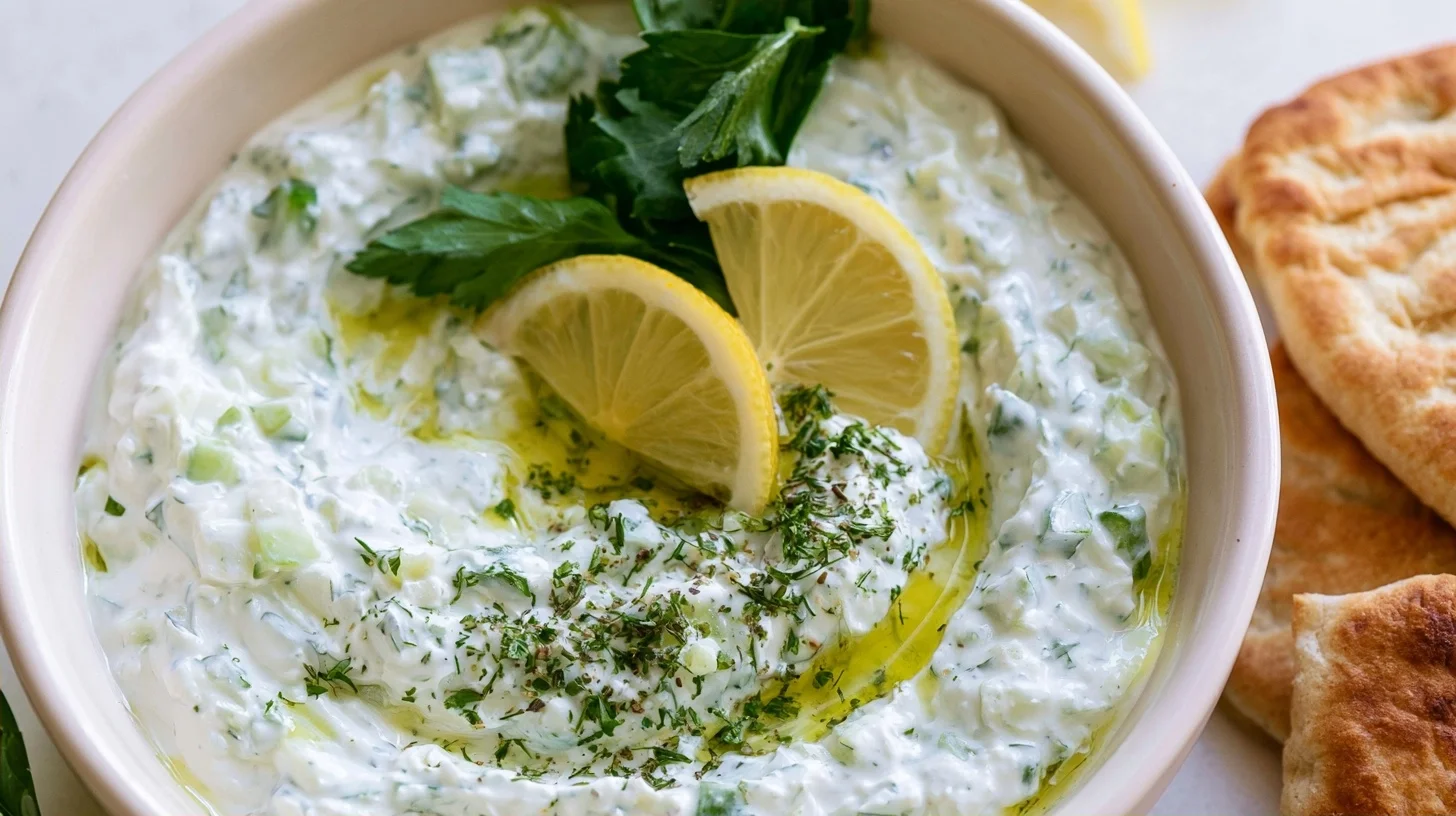
Authentic Tzatziki Sauce
8
servings15
minutes0
minutes45
kcalThis authentic tzatziki sauce features thick, strained Greek yogurt combined with properly drained cucumber, fresh dill, and grated garlic. The overnight straining technique creates restaurant-quality texture that’s creamy, tangy, and perfectly balanced.
Keep the screen of your device on
Ingredients
2 cups full-fat Greek yogurt
1 large cucumber
3 cloves garlic
2 tablespoons fresh dill
1 tablespoon extra virgin olive oil
1 tablespoon fresh lemon juice
0.5 teaspoon sea salt
0.25 teaspoon white pepper
1 teaspoon white vinegar
Directions
- Strain the yogurt by lining a fine-mesh strainer with cheesecloth and placing it over a bowl. Refrigerate overnight to remove whey and create thick, creamy texture. This step concentrates the yogurt flavor and prevents watery sauce.
- Grate the cucumber on the large holes of a box grater. Toss with half a teaspoon of salt and let sit for 15 minutes. This draws out excess moisture that would otherwise dilute your sauce.
- Squeeze the cucumber dry using cheesecloth or a clean kitchen towel. Remove every drop of liquid by twisting and pressing firmly. Properly drained cucumber is key to thick, restaurant-quality tzatziki.
- Grate the garlic using a microplane directly into the strained yogurt. This releases maximum flavor oils and distributes garlic evenly throughout the sauce without harsh chunks.
- Combine all ingredients in a medium bowl. Add the drained cucumber, chopped dill, olive oil, lemon juice, salt, and white pepper. Stir gently but thoroughly to incorporate everything evenly.
- Refrigerate for at least two hours before serving. This resting period allows flavors to meld and intensify, creating deeper, more complex taste. Overnight resting produces even better results.
Notes
- The ideal cucumber-to-yogurt ratio for tzatziki sauce is 1:2 by volume after draining, which prevents dilution while maintaining fresh cucumber flavor.
- Full-fat Greek yogurt creates the richest texture. Low-fat versions produce thinner sauce that lacks body and authentic taste.
- Fresh dill is essential for authentic flavor. Dried dill lacks the bright, herbaceous quality that makes tzatziki special.
- Store in an airtight glass container with plastic wrap pressed directly on the surface to prevent skin formation and maintain freshness for up to 5 days.
Nutrition Facts
- Serving Size: 1 g
- Total number of serves: 8
- Calories: 45kcal
- Fat: 3g
- Carbohydrates: 3g
- Fiber: 0g
- Protein: 3g
Did you make this recipe?
Tag @therecipemasterblog on Instagram and hashtag it with #therecipemaster
Like this recipe?
Follow @therecipemasterblog on Pinterest
Follow us on Facebook!
Follow The Recipe Master on Facebook
The Two Techniques That Make This Tzatziki Sauce Restaurant-Quality
After countless batches, I found that two simple steps separate exceptional tzatziki sauce from mediocre versions. First, always strain your yogurt overnight in cheesecloth or a fine-mesh strainer lined with paper towels. This removes whey and concentrates the yogurt, creating that thick, luxurious consistency you find in Greek restaurants.
Salt Your Cucumber Properly
Grate the cucumber on the large holes of a box grater, then toss it with half a teaspoon of salt. Let it sit for 15 minutes, then squeeze out every drop of liquid using cheesecloth or a clean kitchen towel. The ideal cucumber-to-yogurt ratio for tzatziki sauce is 1:2 by volume after draining, which prevents dilution while maintaining fresh cucumber flavor.
Grate Your Garlic, Don’t Mince It
Use a microplane to grate garlic directly into the yogurt. This releases more oils and creates a smoother distribution throughout the sauce. Minced garlic leaves harsh chunks that overpower individual bites. I recommend starting with one clove per cup of strained yogurt, then adjusting to taste.
Let It Rest Before Serving
Refrigerate your finished tzatziki for at least two hours before serving. This resting period allows flavors to meld and intensify. In my testing, sauce that rested overnight developed noticeably deeper flavor compared to freshly mixed batches. The probiotic benefits of Greek yogurt also remain intact when you use full-fat, plain varieties.
Choose the Right Yogurt
Full-fat Greek yogurt creates the richest, most authentic texture. Low-fat versions produce thinner sauce that lacks body. However, if you only have regular yogurt, strain it for 24 hours instead of overnight to achieve similar thickness.
Creative Ways to Customize Your Tzatziki Sauce
While traditional tzatziki is perfect as-is, I love experimenting with variations that showcase different flavor profiles. These adaptations maintain the creamy base while introducing exciting new dimensions.
Lemon-Herb Variation
Add two tablespoons of fresh lemon juice and a teaspoon of lemon zest along with equal parts fresh mint and dill. This bright version pairs beautifully with grilled fish and spring vegetables. The citrus cuts through rich, fatty meats wonderfully.
Spicy Mediterranean Twist
Stir in half a teaspoon of Aleppo pepper or red pepper flakes for gentle heat. I also add a quarter teaspoon of cumin for earthy depth. This version complements grilled lamb burgers with tzatziki perfectly, adding warmth without overwhelming the cooling yogurt base.
Dairy-Free Alternative
Substitute coconut yogurt or cashew yogurt for traditional Greek yogurt. You’ll need to strain these alternatives even longer, sometimes up to 48 hours, to achieve proper thickness. Add an extra tablespoon of lemon juice to brighten the flavor, as plant-based yogurts tend to taste less tangy.
Avocado Tzatziki
Blend half a ripe avocado into your strained yogurt before adding other ingredients. This creates an incredibly creamy, pale green sauce with added healthy fats. The avocado mellows the garlic slightly, making it perfect for those who prefer milder flavors.
Understanding the Nutritional Benefits
Tzatziki sauce offers impressive nutritional value beyond its delicious taste. A quarter-cup serving contains approximately 45 calories, with 3 grams of protein from the Greek yogurt base. The cucumber adds hydration and fiber while contributing minimal calories.
Full-fat versions provide about 3 grams of fat per serving, primarily from yogurt’s beneficial dairy fats. Carbohydrates stay low at around 2-3 grams per serving, making tzatziki an excellent choice for low-carb eating plans. The probiotic cultures in yogurt support digestive health, while garlic provides antioxidants and potential immune-boosting properties.
Perfect Pairings for Your Homemade Tzatziki
This versatile sauce shines alongside countless dishes. Serve it as a dip with warm pita triangles, crisp vegetables, or pita chips for easy appetizers. I love spreading it generously inside gyros, wraps, and sandwiches where it adds cooling contrast to grilled meats.
Tzatziki sauce also works beautifully as a topping for baked potatoes, roasted vegetables, or grain bowls. Drizzle it over falafel, kebabs, or grilled chicken for authentic Mediterranean flavor. It even makes an excellent base for salad dressings when thinned with a bit of olive oil and extra lemon juice. For breakfast, try it alongside savory egg dishes or spread on toast with sliced tomatoes and fresh herbs.
Keeping Your Tzatziki Fresh and Flavorful
Store your tzatziki sauce in an airtight container in the refrigerator for up to five days. Glass containers work best as they don’t absorb odors or stain. Press plastic wrap directly onto the surface before sealing to prevent a skin from forming.
The sauce will release some liquid as it sits, which is completely normal. Simply stir it back in before serving, or drain off excess liquid if you prefer thicker consistency. I don’t recommend freezing tzatziki, as the yogurt separates when thawed and the cucumber becomes mushy. Instead, make smaller batches and prepare fresh sauce every few days for best flavor and texture.
Frequently Asked Questions about Tzatziki Sauce
Yes, but you must strain it for 24 hours. Regular yogurt contains more whey than Greek yogurt, making it thinner. Line a fine-mesh strainer with cheesecloth, place it over a bowl, and refrigerate overnight to remove excess liquid and achieve the proper thick consistency.
Your tzatziki is watery because you didn’t drain the cucumber or strain the yogurt properly. Cucumbers contain significant moisture that dilutes the sauce. Always salt grated cucumber, let it sit for 15 minutes, then squeeze out all liquid using cheesecloth. Additionally, strain your yogurt overnight to remove whey.
Homemade tzatziki sauce lasts up to 5 days in the refrigerator when stored properly. Keep it in an airtight container with plastic wrap pressed directly on the surface to prevent oxidation. The garlic flavor intensifies over time, and some liquid separation is normal. Simply stir before serving.
No, you should not freeze tzatziki sauce. The yogurt base separates and becomes grainy when thawed, and the cucumber turns mushy and releases excessive water. These texture changes cannot be reversed by stirring. Instead, make smaller batches and prepare fresh sauce every few days for best quality.









Leave a Reply